Schizophrenia Spectrum and Other Psychotic Disorders
Psychosis is a change in the way a person experiences reality — what they perceive, what they believe, how their thoughts hold together. Schizophrenia is one destination on a spectrum that also includes brief psychotic disorder, schizophreniform disorder, schizoaffective disorder, delusional disorder and psychosis produced by substances or by medical illness. About three to seven people in every thousand will live with schizophrenia, most of them developing it in the years when they were supposed to be finishing school and starting work. They are, contrary to almost everything the culture tells you, far more likely to be harmed by violence than to commit it, and far more likely to die of a heart attack at fifty-five than of anything dramatic. This chapter teaches you to recognise psychosis, to speak to a person who is hearing voices without either arguing or lying, to give antipsychotics safely and catch the emergencies they cause, and to build a milieu where restraint is the rare failure rather than the routine.
By the end of this chapter you can
- Differentiate positive, negative and cognitive symptom domains and explain why negative and cognitive symptoms drive long-term function.
- Distinguish schizophrenia from schizophreniform disorder, brief psychotic disorder, schizoaffective disorder, delusional disorder and substance-induced psychotic disorder using duration and mood criteria.
- Perform a focused mental status exam in psychosis, screen for command hallucinations and suicide risk directly, and identify medical mimics including delirium and autoimmune encephalitis.
- Demonstrate therapeutic responses to hallucinations and delusions that neither confirm nor argue, and explain why each non-therapeutic alternative fails.
- Explain antipsychotic action by dopamine pathway and predict the adverse effect that follows from blocking each one.
- Recognise and act on acute dystonia, akathisia, tardive dyskinesia, neuroleptic malignant syndrome, clozapine-induced agranulocytosis and myocarditis.
- Apply the metabolic and haematologic monitoring schedules that keep people alive, including the AIMS and clozapine ANC protocols.
- Lead verbal de-escalation before any restrictive intervention, and apply the rules governing involuntary admission, capacity and seclusion and restraint in acute psychosis.
- Delegate appropriately to assistive personnel on a behavioural unit and escalate red flags using SBAR.
Section 1What Psychosis Is, and What It Is Not
Three symptom domains, and which one actually decides the future
Psychosis is described in three domains, and students almost always over-weight the first. Positive symptoms are experiences added to ordinary mental life: hallucinations, delusions, disorganised speech and grossly disorganised or catatonic behaviour. Auditory hallucinations are the most common form, often voices commenting on the person or talking to each other; visual hallucinations occur but should always make you think harder about delirium, substance withdrawal or a neurological cause. Delusions are fixed beliefs that do not change in the face of contrary evidence, and persecutory delusions are the most frequent, followed by referential, grandiose, somatic, erotomanic and nihilistic themes. Disorganised speech shows up as loose associations, tangentiality, circumstantiality, neologisms, clang associations or, at the extreme, word salad.
Negative symptoms are subtractions — capacities that have gone quiet. The classic teaching list is the five A’s: affective blunting (reduced facial and vocal expression), alogia (poverty of speech and of thought content), anhedonia, avolition (loss of goal-directed drive) and asociality. Negative symptoms are quiet, unglamorous and easy to mislabel as laziness, depression or “poor motivation”, which is exactly why they get undertreated. Cognitive symptoms — slowed processing speed, impaired working memory, poor attention, weak executive function and difficulty reading social cues — are the strongest single predictor of whether a person will hold a job, keep an apartment and maintain friendships. Positive symptoms bring people to the hospital; negative and cognitive symptoms decide what their life looks like ten years later.
A fourth cluster deserves separate mention because it is dangerous and frequently missed. Catatonia can appear in schizophrenia, in mood disorders and in medical illness. Look for immobility or stupor, mutism, negativism (resisting all instruction), posturing, waxy flexibility, stereotypy, echolalia and echopraxia — or the opposite pole, purposeless excitement. Catatonia responds to benzodiazepines, classically a lorazepam challenge, and to electroconvulsive therapy. Antipsychotics may worsen it and can tip it into malignant catatonia, which is clinically indistinguishable from neuroleptic malignant syndrome. If a person stops moving, stops eating and stops speaking, that is a medical emergency, not withdrawal or refusal.
Drawing the lines: duration, mood and cause
Schizophrenia under DSM-5-TR requires two or more of five features — delusions, hallucinations, disorganised speech, grossly disorganised or catatonic behaviour, and negative symptoms — with at least one of the first three present. Continuous signs of disturbance must persist for six months, including at least one month of active-phase symptoms, and function must have fallen below the person’s previous level. The six-month window usually contains a prodrome: months of social withdrawal, odd beliefs, declining grades, blunted affect and perceptual oddities that in retrospect were the illness beginning. Recognising the prodrome matters because duration of untreated psychosis is one of the few modifiable predictors of outcome.
The rest of the spectrum is separated mostly by time and by mood. Memorise the duration ladder rather than a list of adjectives; it is the highest-yield thing in this section.
| Disorder | Defining feature | Duration |
|---|---|---|
| Brief psychotic disorder | Sudden psychosis, often after a severe stressor; full return to baseline | One day up to one month |
| Schizophreniform disorder | Meets schizophrenia symptom criteria; functional decline not required | One to six months |
| Schizophrenia | Symptom criteria plus functional decline | Six months or longer |
| Schizoaffective disorder | Major mood episode concurrent with psychosis, PLUS at least two weeks of psychosis with no prominent mood symptoms | Lifetime pattern |
| Delusional disorder | One or more delusions; function outside the delusion is largely preserved; no prominent hallucinations | One month or longer |
| Substance or medication-induced psychotic disorder | Symptoms begin during or soon after intoxication, withdrawal or drug exposure and are explained by it | Resolves with the exposure |
| Psychotic disorder due to another medical condition | Direct physiologic consequence of illness — encephalitis, epilepsy, endocrine, autoimmune | Tracks the illness |
Two clinical distinctions do most of the work at the bedside. First, if psychosis appears only during mood episodes, the diagnosis is a mood disorder with psychotic features, not schizoaffective disorder — the two weeks of psychosis without prominent mood symptoms is the hinge. Second, a first psychotic episode in a person over forty, or with visual hallucinations, fluctuating attention, fever, headache, seizure, autonomic instability or new neurological signs, is a medical workup until proven otherwise. Anti-NMDA receptor encephalitis classically presents as new psychosis with dyskinesias, seizures and autonomic instability in a young adult, and it is treatable.
Cannabis and psychosis. High-potency cannabis use in adolescence is one of the strongest modifiable risk factors for later psychosis, with a dose-response relationship. Say this plainly and without moralising. Students often ask which came first; the honest answer is that both directions operate, and that for a young person with family history the risk arithmetic is different than for their friends.
Who develops it, and the two myths that harm patients
Lifetime prevalence sits near 0.3 to 0.7 percent worldwide, with remarkably similar rates across cultures. Onset clusters in the late teens through mid-twenties for men and the late twenties for women, with a second smaller female peak around menopause. Heritability is high — concordance in identical twins approaches half — but the genetics are polygenic and no single gene predicts illness. Environmental contributors include obstetric complications and prenatal infection, childhood adversity and trauma, urban upbringing, migration and minority status, and adolescent cannabis exposure. The prevailing model is neurodevelopmental: a vulnerable brain, shaped early, that decompensates when adolescent synaptic pruning and stress load coincide.
The first myth is that people with schizophrenia are dangerous. In aggregate, the contribution of serious mental illness to community violence is small, and it shrinks further once substance use and prior victimisation are accounted for. What is enormous, and rarely mentioned, is the reverse: people with schizophrenia are victimised at several times the rate of the general population — assaulted, robbed, sexually abused, exploited financially. When a student on your unit describes a patient as dangerous, redirect to the actual data: what behaviour, toward whom, under what conditions, and what preceded it.
The second myth is that the illness is a life sentence of deterioration. Outcomes are heterogeneous: roughly a fifth of people have a single episode or a favourable course, most have a relapsing course with meaningful function between episodes, and a minority have persistent disabling symptoms. What genuinely shortens life is not psychosis but cardiometabolic disease. The mortality gap of fifteen to twenty years is driven mostly by cardiovascular disease, diabetes and smoking, compounded by fragmented physical health care. Suicide accounts for a substantial share as well, with roughly one in twenty people with schizophrenia dying by suicide, the risk highest early in the illness and in people with preserved insight. Your metabolic monitoring is not paperwork. It is the intervention with the largest number of life-years attached to it.
Positive symptoms get a person admitted, but negative and cognitive symptoms determine their function — and cardiometabolic disease, not psychosis, is what shortens their life.
Section 2Assessment Before Intervention
The mental status exam in psychosis
The mental status exam is to psychiatric nursing what the head-to-toe is to medical nursing, and most of it is collected by watching. Work through the standard domains and note what psychosis specifically does to each. Appearance and behaviour: grooming often deteriorates with negative symptoms; look for stereotyped movements, posturing, responding to internal stimuli, and psychomotor slowing or agitation. Speech: rate, volume, latency, spontaneity — long latency and monosyllabic answers may be alogia rather than resistance. Mood and affect: mood is what the person reports, affect is what you observe; describe affect by range, intensity, stability and congruence, and use terms like blunted, flat, constricted or incongruent rather than “inappropriate”.
Thought process describes how thinking is organised: linear and goal-directed, or circumstantial, tangential, showing loose associations, thought blocking, flight of ideas or word salad. Thought content describes what is in it: delusions, obsessions, ideas of reference, suicidal or homicidal ideation. Perception covers hallucinations in every sensory modality plus illusions, depersonalisation and derealisation. Cognition covers orientation, attention, registration, recall and abstraction. Insight is the person’s understanding that they are ill, and judgement is the quality of their decisions given that understanding. Impaired insight in schizophrenia is often anosognosia — a neurologically based unawareness of illness, not stubbornness or denial — and describing it that way changes how the whole team behaves.
Document what you observed, quoted where possible, rather than your conclusion. “Patient is paranoid” teaches the next nurse nothing. “Patient stated, ‘They put something in the vent to listen to me,’ declined the evening meal tray after inspecting it, and sat facing the door for most of the shift” tells them exactly what they are walking into.
Asking the questions students are afraid to ask
You will not damage anyone by asking about hallucinations or suicide, and you will miss both if you wait to be told. Ask plainly and specifically, and ask about content, because content is what drives risk — and remember that suicide risk in schizophrenia is highest early in the illness and in people whose insight is preserved, which makes the person who is starting to understand what has happened to them the one to watch most closely. When risk is present, the response is a raised observation level, a safety plan written collaboratively with the person, and provider notification.
| Domain | Ask it this way | Then follow with |
|---|---|---|
| Auditory hallucinations | “Do you ever hear voices or sounds when no one else is around?” | “What do they say? Do they ever tell you to do something?” |
| Command hallucinations | “Are the voices telling you to hurt yourself or anyone else?” | “Have you ever done what they said? What stopped you last time?” |
| Delusional content | “Has anything been happening lately that feels strange or hard to explain?” | “How much of the time do you think about it? What do you feel you need to do about it?” |
| Suicide risk | “Have you had thoughts of killing yourself?” | Plan, means, access, timing, intent, prior attempts, protective factors |
| Risk to others | “Have you had thoughts of hurting someone? Is there a specific person?” | Name the person, the plan and the access; a named target changes the observation level and goes to the provider now |
| Substances | “What are you using right now, and how much?” | Last use, route, quantity — ask without flinching, report as positive or negative screen |
| Adherence | “A lot of people stop these medicines. What has that been like for you?” | Side effects, cost, access, beliefs, forgetting — each has a different fix |
Command hallucinations deserve a formal risk assessment rather than a checkbox. The risk of acting rises when the voice is familiar or identified, when the person believes the voice is powerful or benevolent, when the command is congruent with an existing delusion, when the person has acted on commands before, and when substances are on board. Ask whether they have ever refused a command and what made that possible — you are looking for the coping strategy you will help them rebuild.
Ruling out the mimics, and asking about trauma without opening it
Before anyone writes “first-episode psychosis”, the mimics have to be excluded, and much of that work is nursing work: vital signs including temperature, a fingerstick glucose, a neurological check, a review of every prescribed and non-prescribed substance, and an accurate collateral history. Delirium is the single most important differential and is distinguished by acute onset, fluctuating course, and impaired attention and orientation — a person with schizophrenia is usually oriented and attentive between episodes, a person with delirium is neither. Other mimics include intoxication with stimulants, cannabis or hallucinogens; alcohol or sedative withdrawal; steroid or anticholinergic effect; thyroid disease; B12 deficiency; neurosyphilis and HIV; temporal lobe epilepsy; autoimmune encephalitis; systemic lupus; Wilson’s and Huntington’s disease; and space-occupying lesions.
Trauma histories are common among people with psychosis — both as a developmental contributor and as a consequence of victimisation, involuntary treatment, seclusion and restraint. Trauma-informed care does not mean taking a detailed trauma history on admission; a detailed account extracted at the wrong moment can re-traumatise. It means assuming a trauma history may be present in everyone, and building care so it does not matter whether you know. Announce what you are about to do before you do it. Ask permission before touching. Explain why the door is open. Offer choices wherever a real choice exists — which arm, oral or intramuscular, now or in ten minutes. Avoid crowding, avoid surprise, avoid restraint. A screening question is enough at intake: “Have you had experiences in the past that make hospitals or being around a lot of people hard for you? Is there anything we should know so we do not make it worse?”
Water intoxication. Primary polydipsia is common in chronic psychotic illness and can produce dilutional hyponatremia, confusion, seizures and death. Daily weights are the cheapest detection tool you have: a rise of more than three to four percent of body weight across a day, with new confusion, incontinence or vomiting, is a sodium check now, not at the next scheduled draw.
Assess before you intervene: document observed behaviour and quotes rather than labels, ask about voices and suicide directly, and exclude delirium and other medical mimics before psychosis is called primary.
Section 3Talking With a Person Who Is Psychotic
The rule that solves most of it: neither confirm nor argue
Almost every exam question and almost every real bedside moment turns on one principle. You do not agree that the voices are real, because that reinforces the perception and destroys your credibility. You do not argue that they are not real, because to the person they are unambiguously real, and arguing recruits you into the delusional system as one more person who does not believe them. Instead you do three things: acknowledge the experience as their experience, state your own perception honestly and briefly, and move toward the feeling, which is always real and always available for discussion.
The structure is simple enough to memorise. “I believe that you hear that. I do not hear it. It sounds frightening — tell me what that is like for you right now.” Then stay with the feeling. Fear, humiliation, loneliness and being disbelieved are the emotional core of most psychotic distress, and they are the part of the conversation where you can actually help.
| Patient says | Do not say | Say instead | Why |
|---|---|---|---|
| “The voices are calling me worthless.” | “There are no voices. It’s your illness.” | “I don’t hear them, but I believe you do. Being told that must hurt. What are they saying exactly?” | Denial makes you an opponent; acknowledgement plus honest disagreement keeps the alliance and gets you the content you need for risk assessment. |
| “The staff are poisoning my food.” | “No one is poisoning you. Look, I’ll eat some.” | “That would be terrifying to believe. I don’t see it that way, and I don’t want you to go hungry — would a sealed carton be easier?” | Proving the delusion wrong never works and often expands it. Naming the fear and solving the practical problem does. |
| “Do you believe me? Just say you believe me.” | “Yes, I believe you.” | “I believe this is real to you, and I can see how much it’s weighing on you. I see it differently, and I’m still here.” | Lying buys ten minutes and costs the relationship. Distinguishing ‘real to you’ from ‘real’ is honest and containing. |
| “The FBI put a chip in my neck.” | “Why would the FBI be interested in you?” | “What’s it been like, feeling watched like that? How long have you felt it?” | ‘Why’ questions demand justification of a belief that cannot be justified and feel like mockery. Moving to experience and timeline is both kinder and more diagnostic. |
| Silence, long latency, minimal answers | “You need to participate if you want to get better.” | “I’m going to sit here a few minutes. You don’t have to talk.” | Alogia and avolition are symptoms, not refusal. Tolerating silence is an intervention; pressure produces withdrawal. |
| “A voice is telling me to hit that man.” | “Try to ignore it.” | “Thank you for telling me — that took trust. Are you able to not do what it says right now? Let’s move somewhere quieter and I’ll stay with you.” | Reinforce the disclosure, assess the ability to resist, then reduce stimulation and increase presence. Never leave a command hallucination unassessed. |
| “I’m not sick. I don’t need this medication.” | “You have schizophrenia and you have to take it.” | “What would you want to be different in your life? Is there anything the medicine has helped with, even a little?” | Insisting on the diagnostic label with anosognosia produces a fight. Working from the person’s own goals — sleep, quiet, staying out of hospital — produces adherence. |
Disorganisation, and how to be understood
When thought is disorganised, your job is to reduce the processing load. Use short sentences with one idea each. Ask one question at a time and wait — latency in psychosis can be long, and filling the silence with a second question means neither gets answered. Use concrete language, because abstraction is where thought disorder does the most damage; “Are you in pain?” works, “How are you coping with everything?” does not. Avoid idioms and metaphors, which may be taken literally or absorbed into delusional content. Cut environmental noise: television off, hallway door closed, one person speaking.
When you genuinely cannot follow what is being said, say so without blaming: “I want to understand and I’m losing the thread. Can we go back to the part about your brother?” If speech is unintelligible, respond to the affect instead of the content — “You sound really upset” — because affect is the channel that stays open. And resist the urge to pretend comprehension. People with psychosis are frequently more attuned to insincerity than to content, and nodding along to word salad is read, correctly, as not listening.
Do not decode the delusion. New nurses often try to interpret symbolic content — “the chip in your neck represents feeling controlled by your family”. This is not your role, it usually lands as dismissal, and it can consolidate the belief. Stay with feeling, function and safety; leave interpretation to the treatment team and to psychotherapy that the person has consented to.
Building the alliance you will need later
The therapeutic relationship in psychosis is built in small, unglamorous reliability: arriving when you said you would, remembering what they told you yesterday, and doing the tiny thing you promised. Trust is measured behaviourally, and paranoia is not an obstacle to it so much as a reason to be scrupulous. Explain everything in advance — why you are taking blood pressure, what the medication is for, who the person at the door is. Never whisper within sight of a person with persecutory beliefs; a private conversation about the schedule will be understood as a conversation about them.
Set limits with warmth and consistency rather than negotiation. “I can’t give the next dose until two o’clock. I can sit with you now, or we can walk the hallway” is a limit with a choice inside it. And attend to your own language in report, because it becomes the team’s reality. A person who repeatedly comes to the desk is not “attention-seeking”; they are seeking contact, and it is worth asking what for. A person who declines a medication is not “non-compliant”; they are declining, and there is a reason — akathisia, sedation, sexual side effects, cost, a belief about the drug — and each reason has a different remedy. Describe the behaviour, describe what it seems to communicate, and let the chart be a document someone can act on rather than a verdict someone inherits.
Never confirm and never argue with a hallucination or delusion — acknowledge the experience, state your different perception honestly, and move the conversation to the feeling, which is always real.
Section 4Antipsychotics by Mechanism, and the Emergencies
Four pathways, four consequences
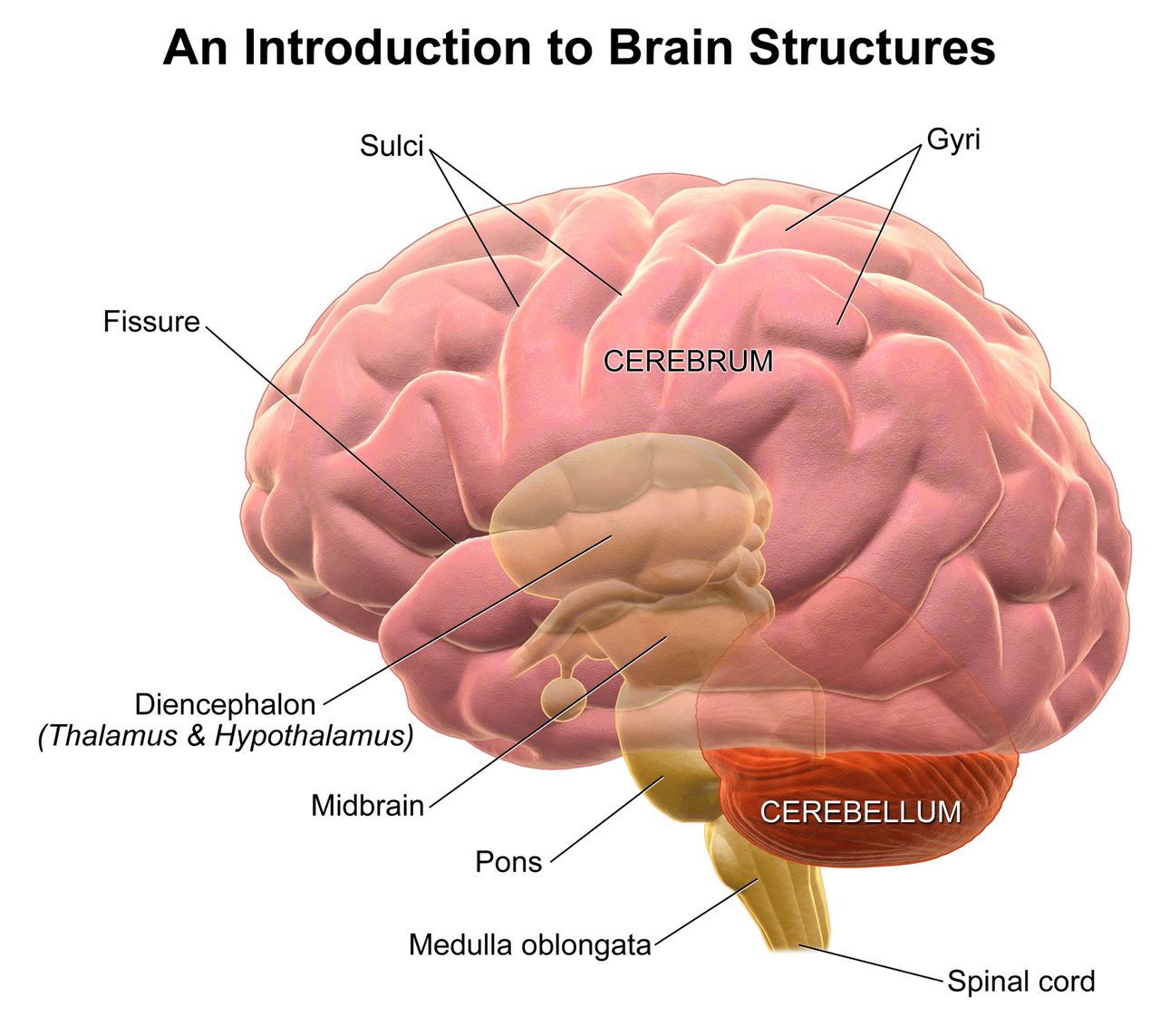
Every antipsychotic blocks or partially blocks the dopamine D2 receptor, and the drug cannot choose where. That single fact organises the entire pharmacology. The mesolimbic pathway is overactive in psychosis; blocking it reduces positive symptoms, and this is the therapeutic effect. The mesocortical pathway is already underactive, contributing to negative and cognitive symptoms; blocking it further can worsen them, which is why a heavily blocked person may look apathetic and flat. The nigrostriatal pathway governs movement; blocking it produces extrapyramidal symptoms and, over time, tardive dyskinesia. The tuberoinfundibular pathway normally suppresses prolactin; blocking it raises prolactin, producing galactorrhea, amenorrhea, gynecomastia, sexual dysfunction and reduced bone density. Second-generation agents add 5-HT2A antagonism, which loosens dopamine blockade in the striatum and cortex and is the reason they cause fewer movement problems — and they add histamine, muscarinic and alpha-1 effects, which is where sedation, dry mouth, constipation and orthostasis come from.
Antipsychotics take days for agitation and sleep to improve, one to two weeks for positive symptoms to begin shifting, and four to six weeks or more for a full response; negative and cognitive symptoms respond least and slowest. Teach this explicitly, because a person who expects relief in two days and gets akathisia instead will stop the drug in a week.
| Agent | Class note | Watch especially for |
|---|---|---|
| Haloperidol, fluphenazine | First generation, high potency | Acute dystonia, akathisia, pseudoparkinsonism, tardive dyskinesia, prolactin elevation, QT with IV use |
| Chlorpromazine | First generation, low potency | Sedation, orthostatic hypotension, anticholinergic load, photosensitivity |
| Risperidone, paliperidone | Second generation | Highest prolactin elevation of the second generation; dose-dependent extrapyramidal symptoms |
| Olanzapine | Second generation | Greatest weight gain and metabolic burden; sedation |
| Quetiapine | Second generation | Sedation, orthostasis, weight gain; low movement risk |
| Ziprasidone | Second generation | QT prolongation; must be taken with a meal of roughly 500 calories for absorption |
| Lurasidone | Second generation | Akathisia; take with at least 350 calories of food |
| Aripiprazole, brexpiprazole, cariprazine | D2 partial agonists | Akathisia, activation, insomnia; least metabolic burden of the group |
| Clozapine | Reserved for treatment resistance | Agranulocytosis, myocarditis, seizures, severe constipation and ileus, sialorrhea, metabolic effects, orthostasis |
Movement disorders: four timelines you can be tested on
Acute dystonia appears within hours to a few days — sustained muscle contraction producing torticollis, trismus, opisthotonus or oculogyric crisis. It is frightening and, if the larynx is involved, life-threatening. Treatment is intramuscular benztropine or diphenhydramine, and it works within minutes. Young men on high-potency first-generation agents are the classic population.
Akathisia appears within days to weeks and is the one most often missed, because it is misread as anxiety, agitation or worsening psychosis — and then treated with more antipsychotic, which makes it worse. The person describes an unbearable inner restlessness and cannot sit still; they pace, rock, shift, march in place. Akathisia is independently associated with suicide risk. Management is dose reduction or switching, plus propranolol, or a short-course benzodiazepine rather than a maintenance one. Anticholinergics help it much less than they help dystonia and parkinsonism.
Pseudoparkinsonism emerges over weeks: bradykinesia, rigidity, masked facies, shuffling gait, pill-rolling tremor. Treat with dose reduction, an anticholinergic such as benztropine or trihexyphenidyl, or amantadine. Tardive dyskinesia emerges over months to years as involuntary choreoathetoid movements of the tongue, lips, face, trunk and limbs; lip smacking and tongue protrusion are the classic early signs, and it may be irreversible. Screen with the Abnormal Involuntary Movement Scale (AIMS) at baseline and then every six months for first-generation agents and every twelve months for second-generation agents, more often for older adults. Anticholinergics worsen tardive dyskinesia — a fact routinely tested. Treatment is with a VMAT2 inhibitor such as valbenazine or deutetrabenazine.
The akathisia trap. A patient on day four of haloperidol is pacing, cannot sit for group and says he feels like jumping out of his skin. The reflex is a PRN antipsychotic for agitation. The correct move is to recognise akathisia and call the prescriber for a dose change or propranolol. Giving more of the causative drug is the single most common medication error on inpatient behavioural units.
Neuroleptic malignant syndrome and the other true emergencies
Neuroleptic malignant syndrome is rare and lethal. The tetrad is lead-pipe rigidity, hyperthermia — a temperature above 38 degrees Celsius (100.4 Fahrenheit) on two occasions is enough to raise the alarm, and it often climbs far higher — autonomic instability (labile blood pressure, tachycardia, diaphoresis) and altered mental status. Creatine kinase is markedly elevated, the white count is up, and myoglobinuria may cause acute kidney injury. Onset is typically within the first two weeks of starting or increasing an antipsychotic, and risk climbs with high potency agents, rapid titration, intramuscular dosing, dehydration and agitation. Nursing action: hold every antipsychotic dose, call the rapid response and prescriber, take vital signs including a core temperature, start cooling, secure intravenous access for aggressive fluids, monitor urine output and anticipate transfer to intensive care. Dantrolene and bromocriptine are used; benzodiazepines support agitation and overlap with catatonia treatment.
Distinguish it from serotonin syndrome, which shares hyperthermia and autonomic instability but presents with hyperreflexia, clonus that is often ocular or lower-limb, myoclonus, tremor, mydriasis, diarrhoea and an onset within hours of a serotonergic change rather than days to weeks. Rigidity in serotonin syndrome is lower-limb predominant and accompanied by brisk reflexes; in neuroleptic malignant syndrome it is generalised and reflexes are normal or reduced. Anticholinergic toxicity gives you dry skin and absent bowel sounds; both of the above give you sweating and, in serotonin syndrome, active bowels.
Clozapine is the most effective antipsychotic for treatment-resistant schizophrenia and the only one with evidence for reducing suicidality, and it carries the heaviest monitoring burden of any psychiatric drug. Absolute neutrophil count is checked weekly for the first six months, every two weeks for the next six months, and monthly thereafter, under a national REMS program; a dose cannot be dispensed without a current count. A fever or sore throat in a person on clozapine is a neutrophil count today, not a symptomatic treatment. Myocarditis occurs most often in the first two months — new chest pain, dyspnoea, tachycardia out of proportion, fever, fatigue — and requires troponin, C-reactive protein and echocardiography. Seizure risk is dose-related. Severe constipation progressing to ileus is a genuine cause of death; a bowel regimen is started prophylactically and bowel movements are documented. Sialorrhea is paradoxical and socially distressing, and hypotension mandates slow titration. One more that catches teams out: smoking induces CYP1A2, so when a person stops smoking — on admission to a smoke-free unit, for instance — clozapine and olanzapine levels rise and toxicity can follow.
Long-acting injectables are not punishment. Depot formulations of haloperidol, fluphenazine, risperidone, paliperidone and aripiprazole reduce relapse and rehospitalisation, and are especially useful after a first episode. Frame them as a way to stop thinking about pills daily, never as a consequence of “not taking your medication”. The framing predicts whether the person accepts it.
| Monitoring | Baseline | Then |
|---|---|---|
| Weight, BMI, waist circumference | Yes | Every visit for the first six months, then quarterly |
| Blood pressure, fasting glucose or A1c | Yes | At twelve weeks, then annually |
| Fasting lipid panel | Yes | At twelve weeks, then annually |
| AIMS for tardive dyskinesia | Yes | Every six months on first-generation agents, every twelve on second-generation |
| Absolute neutrophil count (clozapine) | Yes | Weekly for six months, every two weeks for six months, then monthly |
| ECG | If cardiac risk, or on ziprasidone, IV haloperidol, or clozapine | With dose changes and added QT-prolonging drugs |
| Prolactin | If symptomatic | With galactorrhea, amenorrhea, sexual dysfunction |
Predict the adverse effect from the pathway: therapeutic effect is mesolimbic, movement problems are nigrostriatal, prolactin is tuberoinfundibular — and rigidity with fever means hold the drug and escalate now.
Section 5Milieu, De-escalation, Restraint and Recovery
De-escalation comes first, always
Agitation is a trajectory, not an event, and the intervention that works is the one delivered early. Notice the precursors: pacing, clenched jaw, rising volume, pressured demands, refusal of the usual routine, staring, invading space, responding more intensely to internal stimuli. Then act on the environment before you act on the person — reduce noise, reduce audience, offer food or fluid, dim the area, open a path to a quieter room.
Verbal de-escalation has a teachable structure. Keep two arm-lengths of personal space and stand at an angle rather than squared off, with hands visible and open, and with both of you having a clear route to the door. Designate one person to speak; a semicircle of staff all talking is escalating, not containing. Use short sentences and the person’s name. Reflect what you hear until they confirm you have it right — “You’re telling me the roommate has been going through your things and nobody has done anything. Is that it?” Identify the want behind the anger, because it is usually concrete and often grantable: a phone call, a cigarette patch, to be left alone, to go home. Offer real choices. Set limits clearly and without threat, and state the consequence honestly rather than as leverage. Offer a PRN medication as an option the person takes, not as something done to them; oral is preferred and offering it early often prevents the intramuscular dose entirely.
The most common de-escalation error. Too many people in the room. Extra staff should be visible and near, not clustered around the person. Crowding is read as an ambush by anyone with persecutory beliefs or a trauma history, and it converts a conversation into a physical event.
The legal floor: admission status, capacity and restraint
Know whether the person on your unit is there voluntarily or under an involuntary admission — the accurate phrase; a person is never “committed” in professional language — because it changes what you may and may not do. The distinction that matters most in acute psychosis is the one students most often collapse: involuntary admission is not involuntary medication. Except in an emergency, treatment over objection requires its own separate review, and a person held involuntarily still retains the right to decline a routine dose. Capacity is decision-specific, fluctuates, and is assessed rather than assumed, and psychosis does not by itself remove it. Anosognosia in particular is not incapacity: a person may be genuinely unable to recognise that they are ill and still be able to weigh a specific decision about a specific drug, so “he has no insight” is never on its own a reason to treat someone over their objection.
Restraint and seclusion are not treatments. They are emergency safety measures used only when there is imminent danger of harm to the person or others, only when less restrictive interventions have failed or have been considered and rejected as inadequate, and only for as long as the danger persists. They may never be used for staff convenience, for punishment, or as a substitute for staffing. The federal Conditions of Participation set out the framework you are accountable to, and your facility policy may be stricter but never looser.
| Requirement | Standard |
|---|---|
| Order | Required from a licensed independent practitioner; a registered nurse may initiate in an emergency and must obtain the order immediately |
| PRN or standing orders | Never permitted for restraint or seclusion |
| Face-to-face evaluation | Within one hour of initiation, by a physician or other licensed independent practitioner — or, where state law and hospital policy permit, by a trained registered nurse or physician assistant who then consults the attending |
| Order time limits | Four hours for adults 18 and older; two hours for ages 9 through 17; one hour for children under 9; renewal requires reassessment |
| Monitoring | Continuous observation; circulation, skin integrity, respiratory status, hydration, toileting, nutrition and range of motion at documented intervals |
| Release | At the earliest possible moment, based on behavioural criteria, regardless of time remaining on the order |
| Debriefing | With the patient and with staff after the episode; deaths associated with restraint are reportable |
Two positions are prohibited absolutely: prone restraint with pressure on the back, and any hold that restricts the chest, neck or airway. Never place a person face-down. Never restrain a person alone. And document the sequence honestly — what behaviour occurred, what less restrictive interventions were tried and what happened to each, who ordered what and when, monitoring findings at each interval, and the behavioural criteria used to release. The debriefing afterward is not a formality; it is where the person gets to say what would have helped, and where the unit learns.
Delegation, the milieu and life after discharge
The milieu is a treatment tool: predictable structure, a posted schedule, groups, physical activity, sleep hygiene, sensory options such as weighted blankets and quiet rooms, and consistent staff. Assistive personnel run much of it, and knowing the boundary keeps everyone safe. Unlicensed assistive personnel can take and report vital signs, provide and assist with activities of daily living, perform one-to-one observation with explicit written parameters, conduct room and belongings searches under supervision per policy, escort patients, monitor intake and output and meals, take daily weights, set up group activities, and report specific observations back to the nurse. They cannot perform assessment, conduct a mental status exam, evaluate suicide or violence risk, decide the level of observation, triage a new complaint, provide patient teaching, evaluate the response to a PRN medication, or independently initiate or discontinue restraint. The dividing line is stable and predictable against unstable and changing: assessment, patient teaching and evaluation of a response never transfer, and a patient who is escalating, newly psychotic, medically unstable or at acute risk of self-harm stays with the registered nurse no matter how routine the individual task looks. Delegate the task with the parameter attached: not “watch him” but “stay within arm’s reach, line of sight in the bathroom with the door ajar, tell me immediately if he tries to go to his room or if anything changes.”
Recovery-oriented care after discharge is where outcomes are actually made. Coordinated specialty care for first-episode psychosis — a team combining low-dose medication, individual resiliency-focused therapy, family education, supported employment and education, and case management — improves function and quality of life and is the standard of care for a first episode. Family psychoeducation reliably reduces relapse, in part by lowering expressed emotion, the pattern of criticism, hostility and emotional over-involvement that predicts return to hospital. Assertive community treatment brings the team to the person for those with the highest hospitalisation rates. Individual Placement and Support is the evidence-based supported employment model and outperforms pre-vocational training. Cognitive behavioural therapy for psychosis, cognitive remediation, peer support and hearing-voices groups all add. Teach relapse prevention concretely: the person and family identify their own early warning signs — usually sleep loss first, then withdrawal, then suspiciousness — and write down who to call at each stage.
Sleep is the sentinel. Across the spectrum, deteriorating sleep is the earliest and most reliable relapse signal, and it is the one thing a family can track without any clinical training. “If he loses two nights of sleep in a row, call the clinic” is a better discharge intervention than a folder of pamphlets.
| Red flag | SBAR escalation |
|---|---|
| Rigidity, fever, diaphoresis, altered mentation | S: Possible neuroleptic malignant syndrome. B: Haloperidol started three days ago, dose increased yesterday. A: Temperature 39.4, generalised lead-pipe rigidity, BP swinging 90/50 to 160/95, confused. R: Antipsychotic held, need you at the bedside now, requesting CK, CMP, CBC and ICU evaluation. |
| Fever or sore throat on clozapine | R: Requesting a STAT absolute neutrophil count and hold of the next dose pending result. |
| Chest pain or dyspnoea in first eight weeks of clozapine | R: Requesting troponin, CRP, ECG and echocardiogram to rule out myocarditis. |
| New command hallucination to harm self or others | R: Requesting immediate provider evaluation, increase in observation level, and safety planning. |
| Acute dystonia with laryngeal or oculogyric involvement | R: Requesting an order for IM benztropine or diphenhydramine now; airway equipment at bedside. |
| New confusion with weight gain and low urine specific gravity | R: Requesting a STAT sodium for suspected water intoxication and fluid restriction orders. |
| Immobility, mutism, refusal of food and fluids | R: Requesting evaluation for catatonia, a lorazepam challenge, and hydration and nutrition orders. |
De-escalate before you restrain, restrain only for imminent danger and only within the legal limits, and remember that the interventions that change lives — coordinated specialty care, family psychoeducation, supported employment — happen after discharge.
The chapter in one breath
Psychosis is a change in perception, belief and thought organisation, and schizophrenia is one point on a spectrum sorted mostly by duration and by the relationship to mood. Positive symptoms bring people in; negative and cognitive symptoms decide their function; cardiometabolic disease decides their lifespan. Assess before you intervene — a mental status exam built from observation and quotes, direct questions about voices and suicide, a hard look for delirium and other medical mimics, and a trauma-informed stance that assumes a history you may never be told. In conversation, neither confirm nor argue: acknowledge the experience, state your own perception honestly, and move toward the feeling. Antipsychotics work by blocking dopamine, and every adverse effect follows from which pathway got blocked — movement disorders from the nigrostriatal, prolactin from the tuberoinfundibular, blunting from the mesocortical. Know the four movement-disorder timelines, recognise neuroleptic malignant syndrome and clozapine’s agranulocytosis and myocarditis, and do the metabolic monitoring that nobody applauds. De-escalate early and verbally; know whether the person is admitted voluntarily or involuntarily and remember that an involuntary admission is not consent to medication and that anosognosia is not incapacity; restrain only for imminent danger, within strict legal limits, never prone. Then aim everything at the life after discharge, where coordinated specialty care, family psychoeducation and supported employment do the real work.
Words worth knowing
| Term | What it means |
|---|---|
| Positive symptoms | Experiences added to normal function: hallucinations, delusions, disorganised speech and behaviour. |
| Negative symptoms | Capacities lost: blunted affect, alogia, anhedonia, avolition, asociality — the strongest drag on daily function. |
| Anosognosia | Neurologically based unawareness of being ill; not denial, not stubbornness, and it changes how the team approaches adherence. |
| Delusion | A fixed false belief that does not yield to contrary evidence; persecutory is the most common type. |
| Command hallucination | A voice instructing the person to act; risk rises when the voice is identified, believed powerful, or congruent with a delusion. |
| Loose associations | Thought process in which ideas shift with no logical connection between them. |
| Catatonia | Syndrome of immobility, mutism, negativism, posturing, waxy flexibility or excitement; treated with benzodiazepines or ECT, not more antipsychotic. |
| Prodrome | The months of withdrawal, declining function and odd beliefs preceding a first psychotic episode. |
| Duration of untreated psychosis | Time from symptom onset to effective treatment; shorter duration predicts better outcome, which is why early detection matters. |
| Schizoaffective disorder | Mood episode concurrent with psychosis PLUS at least two weeks of psychosis without prominent mood symptoms. |
| Extrapyramidal symptoms | Movement effects of nigrostriatal dopamine blockade: dystonia, akathisia, pseudoparkinsonism. |
| Akathisia | Intolerable inner restlessness with inability to sit still; frequently mistaken for agitation and independently linked to suicide risk. |
| Tardive dyskinesia | Late-onset involuntary choreoathetoid movements, often of tongue and face; screened with AIMS and worsened by anticholinergics. |
| AIMS | Abnormal Involuntary Movement Scale; the standardised screen for tardive dyskinesia. |
| Neuroleptic malignant syndrome | Lead-pipe rigidity, hyperthermia, autonomic instability and altered mental status with elevated CK; hold the drug and escalate immediately. |
| Agranulocytosis | Severe neutrophil loss; the reason clozapine requires scheduled absolute neutrophil count monitoring under a REMS program. |
| Expressed emotion | Family pattern of criticism, hostility and emotional over-involvement that predicts relapse and is reduced by psychoeducation. |
| Coordinated specialty care | Team-based first-episode program combining medication, therapy, family education, supported employment and case management. |
| Least restrictive intervention | The principle that the mildest effective measure must be used and exhausted before any more restrictive one. |
| Trauma-informed care | Practising as though a trauma history may be present in everyone: announce, ask permission, offer choice, avoid crowding and restraint. |