Paediatric Growth, Development and Health Promotion
A child is not a small adult, and the difference is not sentimental — it is physiological, pharmacological and numerical. The airway is narrower, the metabolic rate faster, the body water fraction larger, the compensatory reserve deeper and then, without warning, gone. Every dose is calculated per kilogram; every vital sign is read against the child’s age band, not an adult range; every conversation is pitched to the child’s stage of cognitive development and routed through the family. This chapter builds the scaffolding on which the rest of paediatric nursing hangs: how children grow and how you measure it, what development looks like month by month and which absences demand referral, what health promotion actually consists of at each age, and — the safety spine of paediatric practice — how to calculate a weight-based dose and a maintenance fluid rate without harming the child you are trying to help. Recognition of the deteriorating child closes the chapter, because in paediatrics the earliest sign is almost never the dramatic one.
By the end of this chapter you can
- Describe the cephalocaudal and proximodistal patterns of growth and explain why development is sequential but individually paced.
- Plot and interpret weight-for-age, length/height-for-age, head circumference and BMI-for-age percentiles, and identify growth faltering by percentile crossing.
- Match Erikson’s psychosocial stages, Piaget’s cognitive stages and stage-typical play and fears to nursing interventions for each age band.
- State expected developmental milestones from 2 months to 5 years and name the developmental red flags that require prompt referral, including loss of previously acquired skills.
- Deliver age-appropriate anticipatory guidance on feeding, safe sleep, oral health, immunisation, screen use and injury prevention, using teach-back.
- Calculate a weight-based dose in mg/kg, show the arithmetic, and verify it against the maximum adult dose.
- Apply the 4-2-1 rule to compute an hourly maintenance fluid rate and a 20 mL/kg resuscitation bolus, with a worked example.
- Interpret vital signs by age band, recognise compensated shock, and escalate using the Paediatric Assessment Triangle, a PEWS score and structured SBAR communication.
- Distinguish nursing actions that may be delegated to assistive personnel from those that remain with the registered nurse.
Section 1How Children Grow: Principles, Patterns and Measurement
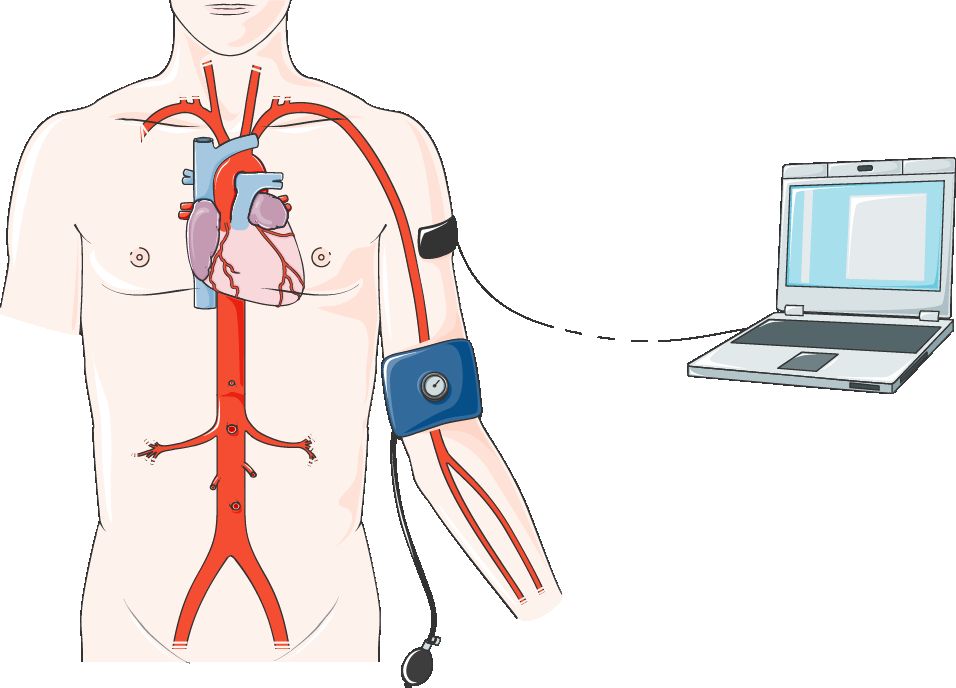
The rules that growth follows
Growth is the measurable increase in size; development is the progressive acquisition of function. They run together but they are not the same thing, and a child can be entirely normal in one and delayed in the other. Both follow directional rules that hold across every healthy child. Growth is cephalocaudal — head to toe. The newborn head is roughly one quarter of body length and the brain reaches about eighty per cent of adult size by three years, which is why head control precedes trunk control, which precedes walking. Growth is also proximodistal — centre outward. Shoulder and arm control arrive before the crude palmar rake, which arrives before the neat pincer grasp at around twelve months. And development moves from general to specific: the infant who waves both arms in undifferentiated excitement at three months is the toddler who isolates one index finger to point at eighteen months.
Two more principles matter at the bedside. First, the sequence is fixed but the rate is individual. Every child sits before standing and stands before walking, but the age at which each happens spreads across a wide normal window. A parent who reports that a cousin walked at nine months and their own child is not walking at fourteen months needs reassurance grounded in the actual range, not in comparison. Second, there are critical periods — windows in which a particular system is uniquely vulnerable to insult or uniquely responsive to stimulation. Neural tube closure in the first four weeks after conception, the surge of synaptic formation in the first three years, and language exposure before school age are all such windows. This is the biological argument for early intervention: the same effort applied at two years buys more than it buys at seven.
Growth is not smooth. Infancy is the fastest period of postnatal growth, followed by a long, steady, comparatively slow stretch through the school years, followed by the adolescent growth spurt. Because the tempo differs so much, a single measurement tells you very little. What tells you something is a trajectory — the same child measured the same way over time, plotted on a chart.
Anthropometrics and the growth chart
Four measurements form the routine paediatric anthropometric set. Weight is recorded in kilograms only; the pound scale should not exist on a paediatric unit, because unit confusion is one of the classic routes to a catastrophic overdose. Infants are weighed nude on a calibrated infant scale, older children in light clothing without shoes. Length is measured recumbent with a length board until two years; height is measured standing with a stadiometer from two years, and the switch produces a small apparent drop of roughly half a centimetre that should not be misread as a loss. Head circumference (occipitofrontal circumference) is measured at the widest point, above the brows and over the occipital prominence, routinely to at least twenty-four months and often to thirty-six. BMI-for-age is calculated and plotted from two years; below two years the corresponding measure is weight-for-length.
Growth charts are population references, and which chart you use matters. The World Health Organization charts describe how healthy, adequately fed, largely breastfed children should grow and are the standard from birth to twenty-four months. Country-specific reference charts, such as the CDC charts in the United States, are typically used from two to twenty years. Preterm infants are plotted using corrected age — chronological age minus the number of weeks born before forty weeks — usually until two to three years for weight and length and eighteen months for head circumference. Failing to correct will make a perfectly healthy former twenty-eight-week infant look profoundly delayed.
Interpretation rests on percentiles, not on averages. A child steadily tracking the third percentile with parents who are both short is likely constitutionally small and entirely well. A child who has tracked the seventy-fifth percentile for a year and now measures at the twenty-fifth has crossed two major percentile lines downward and needs assessment. That pattern — sustained downward crossing, or weight-for-length below the fifth percentile — is what older texts called failure to thrive. Say growth faltering instead. The older phrase reads as an accusation aimed at a parent, and the causes are overwhelmingly medical, nutritional or social rather than a matter of anyone failing. For BMI-for-age from two years, the conventional bands are underweight below the fifth percentile, healthy weight from the fifth to the eighty-fourth, overweight from the eighty-fifth to the ninety-fourth, and obesity at or above the ninety-fifth percentile.
| Age | Weight | Length / height | Head circumference |
|---|---|---|---|
| Birth (term) | Average about 3.4 kg (range 2.5–4.0 kg); loses up to 7–10 per cent in the first days and regains birth weight by 10–14 days | Average about 50 cm | Average 33–35 cm; exceeds chest circumference until about 12 months |
| 0–6 months | Gains roughly 20–30 g/day; doubles birth weight by 4–6 months | Gains about 2.5 cm/month | Gains about 2 cm/month for 3 months, then about 1 cm/month |
| 6–12 months | Gains roughly 10–15 g/day; triples birth weight by 12 months | Length increases about 50 per cent over the year (about 75 cm at 1 year) | Gains about 0.5 cm/month; about 45–47 cm at 1 year |
| Toddler (1–3 y) | Gains about 2–3 kg/year; quadruples birth weight by 24 months | Gains about 7.5 cm/year; birth length doubles by about 4 years | Gains about 2 cm/year; anterior fontanelle closes 12–18 months |
| Preschool (3–5 y) | Gains about 2–3 kg/year | Gains about 6–8 cm/year | Not routinely measured after 36 months |
| School-age (6–12 y) | Gains about 2–3 kg/year | Gains about 5 cm/year | — |
| Adolescence | Gains 7–25 kg across the spurt; body composition diverges by sex | Peak height velocity about 8–9 cm/year in girls, 9–10 cm/year in boys | — |
Teeth, senses and the maturing organ systems
Dentition follows a predictable clock that is useful both as a developmental marker and as a health-promotion trigger. The first primary tooth — usually a lower central incisor — erupts at about six to ten months. A serviceable rule of thumb up to about two years is that the number of teeth equals the age in months minus six. The full set of twenty primary teeth is in place by about thirty months, and the first permanent molars arrive at about six years, often mistaken by parents for primary teeth and therefore neglected. Oral health promotion begins at the first tooth, not at the first dental complaint.
Vision matures over years. The newborn sees best at about twenty to thirty centimetres — roughly the distance to a feeding caregiver’s face — with acuity in the region of 20/400. Binocular fixation and following past the midline consolidate by three to four months, and adult acuity of about 20/20 is reached at around six years. Persistent misalignment beyond four months warrants ophthalmology referral, because untreated strabismus causes amblyopia and the treatment window closes. Hearing, by contrast, is essentially mature at birth, which is why universal newborn hearing screening is done before discharge and why any failed screen needs diagnostic follow-up rather than a wait-and-see approach.
Organ maturation explains most of what makes paediatric physiology distinctive. Renal concentrating ability is limited in the first year, so infants dehydrate quickly and excrete drugs more slowly. Hepatic enzyme systems are immature at birth, mature through infancy, and in early childhood may actually clear some drugs faster per kilogram than in adults. Total body water is about seventy-five per cent of body weight in the newborn compared with about sixty per cent in the adult, and a much greater proportion of it is extracellular — which is precisely why a diarrhoeal illness that inconveniences an adult can kill an infant. Immunoglobulin G transferred across the placenta wanes over the first six months, opening the well-known window of increased infection risk that the primary immunisation series is timed to close.
Puberty and Tanner staging
Puberty is staged by Tanner (sexual maturity rating) stages one to five, based on breast development and pubic hair in girls and genital development and pubic hair in boys. The first physical sign in girls is breast budding (thelarche, Tanner stage 2), typically between eight and thirteen years. The first sign in boys is testicular enlargement, typically between nine and fourteen years. Menarche arrives late in the sequence — usually about two to two and a half years after thelarche, most often at Tanner stage 4, at an average of around twelve to twelve and a half years. Critically, peak height velocity precedes menarche in girls; after menarche most girls grow only a further five to seven centimetres. In boys, peak height velocity comes later in the sequence, around Tanner stage 4, which is why boys who are shorter than their female classmates at thirteen commonly overtake them by sixteen.
Two thresholds trigger referral. Sexual development before eight years in girls or before nine years in boys is precocious puberty. Absence of breast development by thirteen years in girls, absence of menarche by fifteen years, or absence of testicular enlargement by fourteen years in boys is delayed puberty. Both deserve evaluation, and both carry a psychosocial load that the nurse should name openly with the adolescent rather than leave unspoken.
A single measurement is a data point; a plotted series is a diagnosis, and sustained downward crossing of two major percentile lines is the signal that something has changed and must be explained.
Section 2Developmental Theory and the Child at Each Age
Frameworks that change what you actually do
Developmental theory earns its place in nursing only if it changes an intervention. It does. Erikson frames each stage as a psychosocial task. The infant is resolving trust versus mistrust, so consistent caregivers, prompt response to crying and a parent kept at the bedside are clinical interventions, not courtesies. The toddler is resolving autonomy versus shame and doubt, so you offer two acceptable choices — “this arm or that arm” — and never a false choice about whether the injection happens. The preschooler is in initiative versus guilt and is prone to believing that illness is punishment for wrongdoing, so you say explicitly that nothing the child did caused this. The school-age child is in industry versus inferiority and needs jobs: hold the tape, count the breaths, choose the finger. The adolescent is in identity versus role confusion and needs privacy, confidential interview time without a parent, and involvement in decisions about their own body.
Piaget tells you how the child will interpret what you say. In the sensorimotor stage (birth to two years) the infant learns through the senses and acquires object permanence at around eight to nine months — the understanding that a person or object still exists when it is out of sight. That is exactly why separation anxiety appears then: the infant now knows the parent continues to exist somewhere else and protests the absence. Before object permanence, a parent who left the room genuinely ceased to exist for the infant. In the preoperational stage (two to seven years) thinking is egocentric, magical and literal. Tell a preschooler you are going to “take” their blood pressure and they may believe you are taking something away; say the medicine will “kill” the germs and expect a nightmare. In concrete operational thinking (seven to eleven years) the child grasps cause and effect, conservation and reversibility, and responds well to diagrams and to handling the equipment. In formal operational thinking (eleven years and up) abstraction is available, so long-term consequences and hypothetical reasoning become usable teaching tools — though the adolescent brain’s reward and risk systems mature on different timetables, which is why knowing the risk does not reliably prevent the behaviour.
Play progresses in parallel and is a direct assessment window. Infants engage in solitary play; toddlers in parallel play alongside but not with peers; preschoolers in associative play, sharing materials without shared goals; school-age children in cooperative play with rules and roles. So do fears. Stranger anxiety emerges at six to eight months. Separation anxiety peaks between about ten and eighteen months and progresses through protest, despair and detachment when separation is prolonged — detachment can look like settled behaviour and is frequently misread as improvement. Preschoolers fear bodily mutilation, the dark and loss of control, which is why a plaster over a puncture site genuinely matters to them. School-age children fear loss of control, death and exclusion. Adolescents fear body-image change, loss of independence and peer rejection more than they fear the diagnosis.
Infancy: birth to twelve months
Infancy compresses more change into twelve months than any subsequent year of life. Motor development runs cephalocaudal: lifting the head briefly when prone at about two months, steady head control and lifting head and chest prone by three to four months, rolling front to back at about four months and both directions by six, sitting in a tripod at six months and sitting unsupported by eight to nine, crawling around eight to nine months, pulling to stand and cruising by ten to twelve, and independent walking anywhere from nine to fifteen months. Fine motor runs proximodistal: an ulnar palmar rake at six months, transferring objects hand to hand at six to seven months, a crude pincer at nine months, and a neat pincer grasp using thumb and index finger by twelve months — which is simultaneously a developmental triumph and the reason the choking risk climbs sharply in the second half of the first year.
Language moves from cooing at two months to babbling at four to six months, to non-specific “mama” and “dada” at eight to nine months, to specific use of one to three meaningful words plus gestures such as waving and pointing at twelve months. Social development moves from the responsive social smile at about two months — a genuine milestone with real prognostic weight — through laughing at four months, stranger awareness at six to eight months, and simple imitative games and separation protest by the end of the year.
Primitive reflexes are the other half of the infant neurological examination, and their disappearance is as informative as their presence. The Moro (startle) reflex should be gone by four to six months, the palmar grasp by five to six months, the asymmetric tonic neck reflex by four to six months, and the rooting reflex by three to four months. A primitive reflex that persists beyond its window suggests a central nervous system problem and requires referral. So does a hand preference established before twelve to eighteen months, which may indicate weakness on the non-preferred side rather than early talent.
Toddler, preschool, school-age and adolescence
The toddler years (one to three) are dominated by mobility, language explosion and the drive for autonomy. Independent walking consolidates by fifteen months, running by eighteen, stair climbing with a rail and kicking a ball by two years. Vocabulary goes from roughly ten to twenty-five words at eighteen months to fifty or more words and two-word phrases at twenty-four months, with speech about fifty per cent intelligible to a stranger at two years and seventy-five per cent at three. Toilet training generally becomes physiologically possible between eighteen and twenty-four months once the child can walk to the toilet, stay dry for two hours, and communicate the need — readiness is the child’s, not the calendar’s. Negativism, ritualism and the tantrum are developmentally normal expressions of autonomy, and the nursing guidance for parents is consistency and ignoring the behaviour where safe, not escalation.
Preschoolers (three to five) refine everything. The three-year-old pedals a tricycle, copies a circle and speaks in three-word sentences with about seventy-five per cent intelligibility. The four-year-old hops on one foot, copies a cross, draws a person with two to four parts and should be essentially one hundred per cent intelligible to strangers. The five-year-old skips, copies a triangle or square, draws a person with six parts and prints some letters. Imaginative play peaks, and with it magical thinking and imaginary companions, both normal. School-age children (six to twelve) gain competence, rule-based reasoning and peer orientation; chronic illness at this age is felt largely as difference from peers, and school reintegration is a nursing concern in its own right. Adolescence (twelve to eighteen) brings the growth spurt, sexual maturation, abstract reasoning and a shift of primary attachment toward peers. Confidentiality, a structured psychosocial interview and non-judgemental discussion of sexual health, substance use, mood and online life belong in every adolescent encounter.
| Age | Gross motor | Fine motor | Language / social |
|---|---|---|---|
| 2 months | Lifts head briefly when prone | Hands often fisted; briefly follows to midline | Coos; responsive social smile |
| 4 months | Steady head control; rolls front to back | Brings hands together; grasps a rattle | Laughs aloud; babbles; follows past midline |
| 6 months | Sits with support (tripod); rolls both ways | Transfers hand to hand; ulnar rake | Babbles consonants; stranger awareness begins |
| 9 months | Sits unsupported; crawls; pulls to stand | Crude pincer; bangs two objects together | “Mama/dada” non-specific; object permanence; separation protest |
| 12 months | Cruises; may walk alone | Neat pincer grasp; releases object into a cup | 1–3 meaningful words; waves; follows a one-step request with gesture |
| 18 months | Walks well; runs stiffly; climbs stairs with help | Scribbles; stacks 3–4 cubes; uses a spoon | 10–25 words; points to body parts; parallel play |
| 24 months | Kicks a ball; walks up stairs holding a rail; begins to jump | Stacks 6 cubes; turns single pages | 50-plus words; 2-word phrases; about 50 per cent intelligible |
| 3 years | Pedals a tricycle; alternates feet upstairs | Copies a circle; stacks 9–10 cubes | 3-word sentences; about 75 per cent intelligible; takes turns |
| 4 years | Hops on one foot; catches a bounced ball | Copies a cross; draws a person with 2–4 parts; uses scissors | Fully intelligible; tells a simple story; associative play |
| 5 years | Skips; balances on one foot for about 10 seconds | Copies a triangle or square; prints some letters; ties a knot | Draws a person with 6 parts; cooperative play with rules |
| Red flag | Why it matters | Action |
|---|---|---|
| Loss of any previously acquired skill, at any age | Regression suggests a neurological, metabolic or neurodevelopmental process, not a plateau | Urgent referral — never “watch and wait” |
| No responsive social smile by 3 months | Earliest reliable social milestone | Developmental evaluation |
| Poor head control by 4 months | Suggests hypotonia or central injury | Neurology / early intervention referral |
| Not sitting unsupported by 9 months | Gross motor delay | Early intervention referral |
| No babbling, pointing or gesture by 12 months | Strong early marker of communication disorder | Hearing test plus developmental evaluation |
| No single words by 16 months; no 2-word phrases by 24 months | Expressive language delay | Hearing test plus speech and language referral |
| Not walking independently by 18 months | Beyond the normal window | Evaluation, including creatine kinase in boys |
| Hand preference before 12–18 months | May reflect weakness of the opposite side | Neurology referral |
| Persistent Moro or asymmetric tonic neck reflex beyond 6 months | Suggests central nervous system abnormality | Neurology referral |
Developmental stage dictates the intervention — two choices for the toddler, honesty about blame for the preschooler, a job for the school-age child and confidentiality for the adolescent — and loss of an acquired skill at any age is an urgent finding.
Section 3Nutrition, Feeding, Sleep and Immunisation

Feeding through the first year
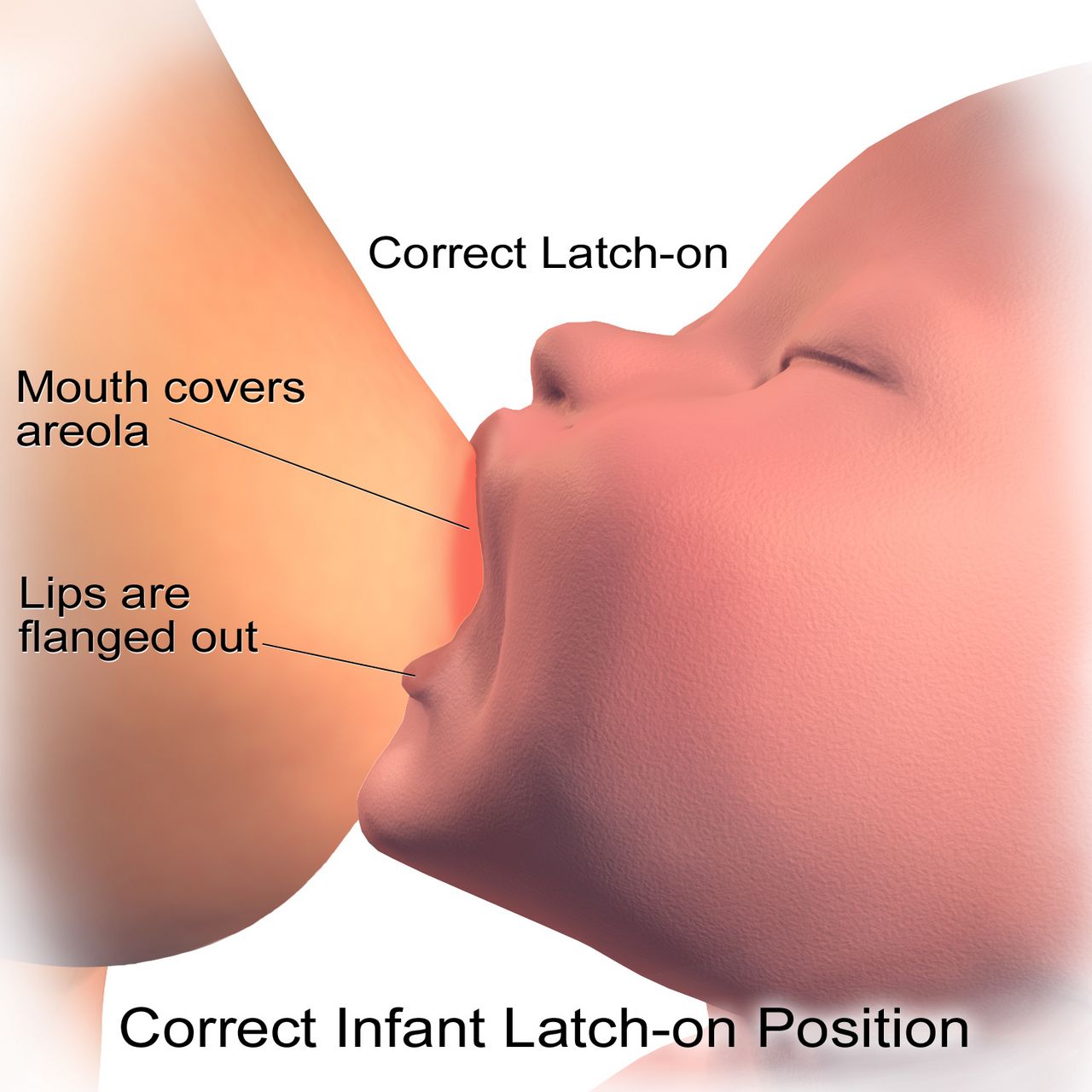
Human milk is the reference standard for infant nutrition. Exclusive breastfeeding or chestfeeding is recommended for about the first six months, with continued human milk alongside complementary foods through the first year and beyond for as long as the parent and child wish. Iron-fortified formula is a complete and appropriate alternative, and the nurse’s role when a family formula-feeds is to teach safe preparation, correct dilution and paced bottle feeding — not to relitigate the decision. Language matters here: a newborn who latches poorly is not “a difficult feeder”; there is a feeding problem to solve, and it usually has a mechanical or positional cause.
Two supplements are routine. All breastfed and partially breastfed infants need vitamin D 400 international units daily beginning in the first days of life, continued until they are taking about one litre daily of vitamin D fortified formula or milk. Term breastfed infants also need supplemental iron at about 1 mg/kg/day from four months until iron-rich complementary foods are established; preterm infants generally need about 2 mg/kg/day from one month. For a 6 kg four-month-old, 1 mg/kg/day is 6 mg of elemental iron per day — the arithmetic is trivial, but writing it out is the habit that protects the child when the numbers are larger.
Volume and frequency follow appetite, not a schedule. Newborns feed eight to twelve times in twenty-four hours; formula-fed infants typically take about 150 to 200 mL/kg/day in the early months, divided across feeds. Adequacy is judged by output and growth, not by the bottle: six or more wet nappies daily after the first week, appropriate stooling, and return to birth weight by ten to fourteen days. Teach parents the hunger cues — rooting, hand-to-mouth, stirring — and that crying is a late cue. Never prop a bottle and never put a bottle in the cot: it causes early childhood caries, raises the risk of otitis media, and removes the human being from the feed.
Complementary foods, allergy and the toddler plate
Complementary foods begin at around six months and not before four, when the infant can sit with support, has good head control, has lost the extrusion (tongue-thrust) reflex and shows interest in food. Start with iron-rich foods — iron-fortified cereal, pureed meat, lentils — because infant iron stores are running out at exactly this point. Introduce one new single-ingredient food at a time and wait three to five days before the next, so a reaction can be attributed. Early introduction of common allergens, including peanut in an age-appropriate form at around four to six months, reduces the risk of peanut allergy in high-risk infants and should be discussed with the family rather than avoided.
Several absolute rules belong in every anticipatory guidance conversation. No honey before twelve months, because Clostridium botulinum spores cause infant botulism. No whole cow’s milk before twelve months, because of occult gastrointestinal blood loss, high renal solute load and insufficient iron. No fruit juice before twelve months, and thereafter limited to about 120 mL daily for ages one to three. After twelve months, whole milk is appropriate and should be capped at roughly 480 to 720 mL daily, because excess milk displaces iron-rich food and is a leading cause of toddler iron deficiency anaemia. Choking hazards must be named specifically for children under four: whole grapes, round slices of sausage, nuts, popcorn, hard sweets, raw carrot, marshmallows and thick spoonfuls of nut butter. Grapes are quartered lengthwise; sausage is cut lengthwise, never into coins.
Toddler appetite falls sharply as growth slows — physiological anorexia — and parents commonly interpret it as illness. The guidance is a division of responsibility: the adult decides what is offered and when; the child decides whether and how much. Offer roughly one tablespoon of each food per year of age, serve at a table without screens, and expect food jags and neophobia. A new food may need ten to fifteen neutral exposures before acceptance. Food should never be used as reward or punishment.
Sleep, oral health and screens
Sleep requirement falls with age: roughly fourteen to seventeen hours in twenty-four for the newborn, twelve to sixteen hours including naps for the infant, eleven to fourteen for the toddler, ten to thirteen for the preschooler, nine to twelve for the school-age child and eight to ten for the adolescent. Adolescent circadian phase genuinely shifts later at puberty, so “go to bed earlier” is poor advice; consistent wake times, morning light and screens out of the bedroom work better. For infants, safe sleep is a survival intervention: supine for every sleep, on a firm flat separate surface, room-sharing without bed-sharing for at least the first six months, no soft bedding, pillows, bumpers or positioners, avoidance of overheating, a smoke-free environment, and a pacifier offered at sleep once feeding is established.
Oral care starts before teeth — wipe the gums — and becomes brushing with fluoride toothpaste at the first tooth, using a rice-grain smear under three years and a pea-sized amount from three years. Fluoride varnish is applied from tooth eruption at well-child visits, and the first dental visit should occur by twelve months or within six months of the first tooth. Screen guidance is simple to state and hard to live: avoid screen media other than video calls before eighteen to twenty-four months, limit to about one hour daily of high-quality co-viewed content from two to five years, and thereafter agree consistent family limits that protect sleep, physical activity and meals.
Immunisation: principles, timing and contraindications
Immunisation schedules are set nationally and differ between countries, so always administer according to the current national schedule rather than from memory. The underlying principles are constant. The primary series is timed to close the gap left by waning maternal immunoglobulin G, which is why most schedules cluster doses at approximately two, four and six months, with boosters in the second year and again before school entry, and adolescent doses for tetanus-diphtheria-pertussis, meningococcal and human papillomavirus protection. Live vaccines — measles-mumps-rubella, varicella, rotavirus and live attenuated influenza — are generally deferred until twelve months for the first two and are contraindicated in severe immunosuppression and in pregnancy. If two live parenteral vaccines are not given on the same day, they must be separated by at least four weeks.
Most of what families and even staff believe to be contraindications are not. Mild illness with or without low-grade fever, current antibiotic therapy, prematurity (immunise by chronological age, at full dose, not corrected age), breastfeeding, a family history of adverse events and a mild local reaction to a previous dose are not reasons to defer. True contraindications are few: anaphylaxis to a previous dose or to a vaccine component, encephalopathy within seven days of a pertussis-containing vaccine, severe immunosuppression for live vaccines, and a history of intussusception or severe combined immunodeficiency for rotavirus vaccine. Technique matters too: infants under twelve months receive intramuscular injections in the vastus lateralis of the anterolateral thigh, not the deltoid, which lacks sufficient muscle mass until the toddler years.
Vaccine conversations should be respectful and specific. A parent asking questions is not “non-compliant”; they are a parent asking questions. Presumptive framing (“Today Ella is due for three vaccines”), an honest description of common minor reactions, a clear statement of your own recommendation, and a willingness to answer the actual concern raised achieve far more than a leaflet.
Health promotion in childhood is a short list of high-yield, age-specific instructions — supine sleep, vitamin D and iron, no honey or cow’s milk before one year, fluoride from the first tooth, and on-time immunisation — delivered without blame and confirmed with teach-back.
Section 4Anticipatory Guidance, Injury Prevention and Screening
Anticipatory guidance and the well-child visit
Anticipatory guidance means teaching families about what is coming before it arrives, and it is the single most cost-effective thing done in paediatrics. Its structure follows development. You discuss rolling and falls from surfaces at the two-month visit, because rolling starts at four months and a parent who has already heard it will not leave the infant on the changing table. You discuss choking, poisoning and stair gates at the six-month visit, because crawling and the pincer grasp are about to arrive together. You discuss firearm storage, water safety and traffic before the summer, and you discuss consent, contraception and online life with adolescents before they need it rather than after.
Every well-child visit combines measurement and plotting, developmental surveillance, a physical examination, immunisations due, screening appropriate to age, and guidance. Developmental surveillance — asking about concerns and observing — happens at every visit; standardised developmental screening with a validated tool is generally performed at nine, eighteen and thirty months, with autism-specific screening at eighteen and twenty-four months. Any parental concern about development is itself a screening result and should trigger a formal tool.
Injury prevention matched to development
Injury is the leading cause of death after the first year of life in most countries, and every mechanism maps onto a developmental capability the child has just acquired. The infant who has learned to roll falls; the toddler who has learned to walk drowns and is poisoned; the school-age child who has learned to ride is struck by a vehicle; the adolescent who has learned to drive crashes. Prevention advice that is not matched to the child’s current stage is wasted breath.
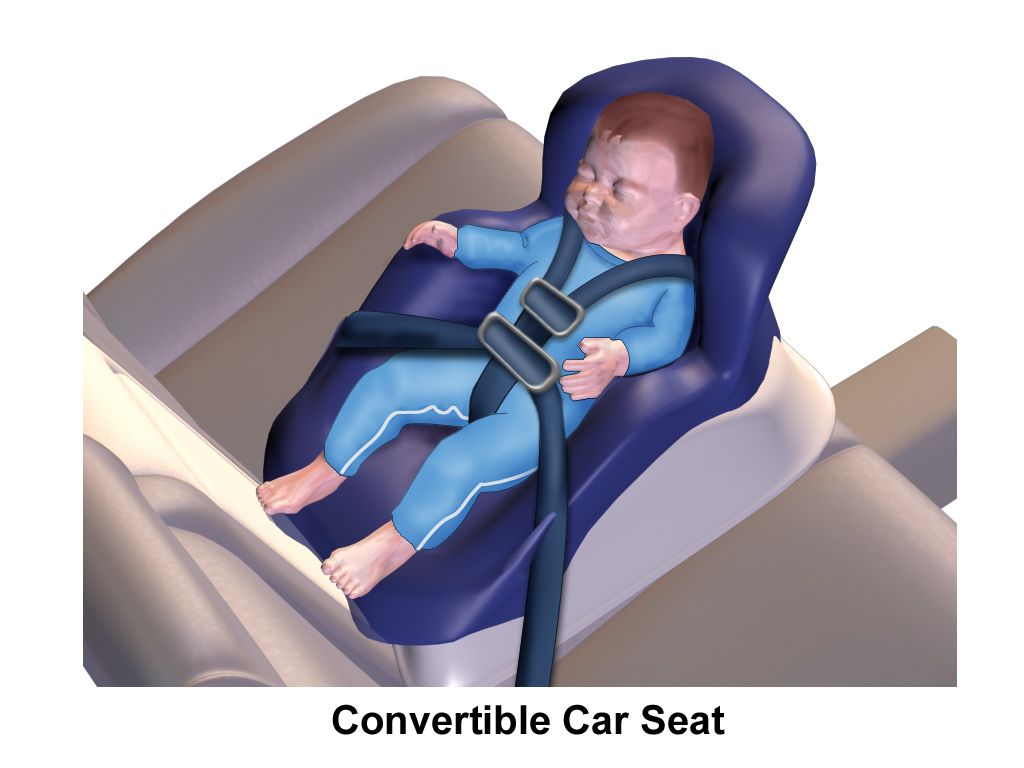
Passenger safety follows a fixed progression. Rear-facing in the back seat for as long as possible — until the child outgrows the height or weight limit the seat’s manufacturer sets for rear-facing use, rather than turning at any particular age — then forward-facing with a five-point harness, then a belt-positioning booster until the adult belt fits correctly (typically at about 145 cm, often between eight and twelve years), then the adult belt, with the back seat used until about thirteen years. Harness straps sit at or below the shoulders when rear-facing and at or above the shoulders when forward-facing, with the chest clip at armpit level. Water safety means constant touch supervision for young children, four-sided isolation pool fencing with self-closing self-latching gates, emptying buckets and paddling pools, and swim lessons as a supplement to — never a substitute for — supervision. Poison prevention means locked storage above eye level, original containers, and the poison centre number in the phone. Where firearms are present in the home, storage advice is delivered without judgement: unloaded, locked, ammunition locked separately, and the question asked of any home where the child plays.
| Age band | Dominant risk mechanism | Priority guidance |
|---|---|---|
| Under 1 year | Sleep-related death, suffocation, falls, choking, scalds, motor-vehicle | Supine on a firm separate surface; never leave unattended on a raised surface; set water heater to about 49 °C; rear-facing car seat; small objects out of reach |
| 1–4 years | Drowning (leading unintentional cause in this band), poisoning, falls, burns, choking, driveway run-overs | Touch supervision near any water; four-sided pool fence; locked cupboards; turn pot handles inward; cut food safely; stair gates |
| 5–9 years | Pedestrian and cycle injury, motor-vehicle passenger, playground falls, burns | Correctly fitted helmet; road-crossing skills; booster seat until the belt fits; supervised play equipment; fire escape plan |
| 10–14 years | Sport injury, cycling, drowning, early substance exposure, self-harm | Protective equipment; concussion recognition and return-to-play rules; swimming competence; mood screening; secure medication and firearm storage |
| 15–18 years | Motor-vehicle crashes, substance use, self-harm and suicide, interpersonal violence | Graduated licensing, no phone and no passengers early on; seatbelt every trip; confidential screening for mood, substances and safety; means restriction counselling |
The same developmental logic runs in reverse, and it is the safeguarding question every paediatric nurse holds open: does this injury fit the child’s developmental stage and the history given? Bruising in a baby who is not yet cruising is a sentinel injury — pre-mobile infants do not bruise themselves. A spiral long-bone fracture in a child who cannot yet walk, a scald with a sharp stocking or glove line and no splash marks, bruising of the torso, ears or neck in a young child, a torn frenulum in an infant, unexplained delayed presentation, or a history that changes between tellings are all findings that do not match the mechanism claimed. Document exactly what you observed and what was said in the caregiver’s own words, body-map or photograph according to local policy, and do not interrogate the family or try to prove anything. Referral to the statutory child protection service is mandatory, is a personal duty that cannot be handed upward or talked out of, and requires only a reasonable suspicion — not certainty, not proof and not a diagnosis. Investigating is somebody else’s job; noticing and reporting is yours.
Screening across childhood
Screening is what converts a routine visit into detection of disease that has not yet declared itself. The newborn period carries the densest schedule: the blood-spot screen for metabolic, endocrine and haemoglobin disorders, universal hearing screening, and pulse oximetry screening for critical congenital heart disease at or after twenty-four hours of age. Beyond the newborn period, haemoglobin is checked at around twelve months for iron deficiency anaemia, lead screening is performed at twelve and twenty-four months where risk warrants, blood pressure is measured at least annually from three years and interpreted against age, sex and height percentiles rather than a single adult cut-off, and vision screening begins at about three years with instrument-based screening available earlier.
Adolescent screening is largely psychosocial and requires confidential time alone with the young person. A structured interview covering home, education and employment, eating, activities, drugs, sexuality, suicide and mood, and safety gives a reproducible framework. Annual screening for depression from about twelve years using a validated tool, screening for anxiety, screening for substance use, and sexual health screening according to risk are standard. Explain the limits of confidentiality up front — that you keep what is said private unless there is risk of serious harm to the young person or to someone else — because an adolescent who discovers the limits afterwards will never disclose again.
Partnering with families
Family-centred care is not a slogan; it is a set of behaviours. Parents are present for procedures if they wish to be and are given a role (holding a hand, comforting) rather than a task that makes them the person who restrains their child. Information is shared in the family’s preferred language through a professional interpreter, never through a sibling. Care plans are negotiated around what the family can actually do, and when a plan is not being followed the first question is what makes it hard — cost, work shifts, transport, literacy, competing caregiving — rather than a label. Health literacy is addressed by plain language, one to three key points per encounter, written material at a low reading level, demonstration of any device, and teach-back: “So I can be sure I explained it clearly, tell me how you will give this medicine at home.”
Injury prevention advice works only when it is delivered before the child acquires the capability that creates the risk, and it is delivered to a family whose actual constraints you have asked about.
Section 5Medication Safety, Fluids and Recognising the Deteriorating Child
Weight-based dosing: the arithmetic and the guard-rails
Paediatric doses are calculated from body weight in kilograms, and there is no such thing as a paediatric dose that can be estimated by eye. The sequence is always the same: obtain an accurate current weight in kilograms on a calibrated scale; identify the safe dose range in mg/kg/dose or mg/kg/day from an authoritative reference; multiply; divide by the number of doses per day if the reference is a daily dose; compare your answer with the maximum adult dose; and then convert the milligram dose into a volume using the concentration on the bottle in front of you.
Work an example. A child weighs 12 kg and paracetamol (acetaminophen) is ordered at 15 mg/kg per dose. Dose equals 15 mg/kg multiplied by 12 kg, which is 180 mg. The suspension is 160 mg per 5 mL, so the volume is 180 divided by 160, multiplied by 5 mL, which is 5.6 mL. Check the daily ceiling: the maximum is five doses in twenty-four hours and no more than 75 mg/kg/day, so 75 multiplied by 12 is 900 mg per day, and five doses of 180 mg is exactly 900 mg — at the ceiling, with no room for a sixth dose or for any paracetamol hidden in a combination cough preparation. Now scale the same order to a 75 kg sixteen-year-old: 15 mg/kg multiplied by 75 kg equals 1125 mg, which exceeds the usual adult single dose of 1000 mg. The dose given is 1000 mg. This is the guard-rail that must never be skipped: a paediatric dose is the smaller of the weight-based calculation and the maximum adult dose. Adolescents routinely reach adult weight, and a mg/kg formula applied without a ceiling is a straightforward route to hepatotoxicity.
Two more worked examples fix the pattern. Ibuprofen at 10 mg/kg per dose for the same 12 kg child is 120 mg; with a suspension of 100 mg per 5 mL, that is 6 mL, given no more often than every six to eight hours, with a daily cap of 40 mg/kg and an over-the-counter adult ceiling of 1200 mg per day. Ibuprofen is avoided under six months of age and in dehydration, because renal perfusion is already compromised. High-dose amoxicillin for acute otitis media at 90 mg/kg/day divided every twelve hours in an 18 kg child is 90 multiplied by 18, which equals 1620 mg per day, divided into two doses of 810 mg — checked against the usual adult daily maximum before it is given. And for anaphylaxis, intramuscular adrenaline (epinephrine) is 0.01 mg/kg of the 1 mg/mL concentration: for a 22 kg child that is 0.22 mg, which is 0.22 mL, injected into the vastus lateralis, with a maximum single paediatric dose of 0.3 mg. Auto-injectors are dispensed in fixed strengths — approximately 0.15 mg for children of roughly 7.5 to 25 kg and 0.3 mg at or above about 25 to 30 kg — so the device strength is chosen by weight band.
The systems guard-rails are as important as the arithmetic. Weigh in kilograms only and remove pounds from the record. Use a leading zero and never a trailing zero: 0.5 mg, never .5 mg; 5 mg, never 5.0 mg — a missed decimal point is the classic tenfold error. Write “unit” in full rather than “U”. Express liquid volumes in millilitres, never in cubic centimetres or household spoons. Use oral syringes for all oral liquids, and never a parenteral syringe for an oral dose. Obtain an independent double check by a second nurse — both calculating separately, not one reading aloud to the other — for high-alert medications including insulin, opioids, anticoagulants, chemotherapy, concentrated electrolytes and any infusion in a child. In an emergency, use a length-based resuscitation tape for weight estimation; if none is available, a serviceable estimate for children one to ten years is weight in kilograms equals age in years multiplied by two, plus eight. A stated or remembered weight is not acceptable for a calculated dose once the emergency is over.
Maintenance and replacement fluids: the 4-2-1 rule worked
Maintenance fluid replaces ongoing insensible and urinary losses in a child who cannot drink. The 4-2-1 rule gives an hourly rate directly: 4 mL/kg/h for the first 10 kg, plus 2 mL/kg/h for the next 10 kg, plus 1 mL/kg/h for every kilogram above 20 kg. Work a 26 kg child. First 10 kg at 4 mL/kg/h equals 40 mL/h. Next 10 kg at 2 mL/kg/h equals 20 mL/h. Remaining 6 kg at 1 mL/kg/h equals 6 mL/h. Total equals 40 plus 20 plus 6, which is 66 mL/h. The equivalent daily formula gives 100 mL/kg for the first 10 kg, 50 mL/kg for the next 10 kg and 20 mL/kg thereafter: 1000 plus 500 plus 120 equals 1620 mL/day, which divided by twenty-four is about 67.5 mL/h — the small difference between the two methods is expected and clinically unimportant. For an 8 kg infant, the whole calculation is 4 multiplied by 8, which is 32 mL/h — about 768 mL over twenty-four hours, or 800 mL/day by the daily formula (100 mL/kg multiplied by 8 kg).
Maintenance fluid in children is now given as an isotonic solution with appropriate dextrose and potassium once urine output is established, because hypotonic maintenance fluid caused hospital-acquired hyponatraemia and cerebral oedema. Resuscitation is a separate calculation: a fluid bolus for shock is 20 mL/kg of isotonic crystalloid given rapidly over five to twenty minutes and reassessed after each bolus — for a 14 kg child that is 280 mL. Smaller boluses of 10 mL/kg are used in neonates and in specific situations such as diabetic ketoacidosis, severe malnutrition and known cardiac disease, where rapid volume can do harm. All paediatric infusions run on a volumetric pump with the volume to be infused limited, and burette or syringe-pump systems are used for small volumes.
Dehydration is quantified by acute weight loss, which is the most sensitive available measure: a loss of 1 kg equals a deficit of approximately 1 litre. Mild dehydration is roughly three to five per cent of body weight, moderate six to nine per cent, and severe ten per cent or more, with slightly higher thresholds conventionally applied to infants. Clinical signs progress from mildly dry mucous membranes through decreased skin turgor, sunken eyes and fontanelle, tachycardia and reduced urine output to lethargy, mottling and cool extremities. Oral rehydration solution is first-line for mild to moderate dehydration: about 50 mL/kg over four hours for mild and 100 mL/kg over four hours for moderate, plus roughly 10 mL/kg replaced for each additional loose stool, given in small frequent volumes by syringe or spoon even if the child is vomiting. Expected urine output is about 2 mL/kg/h in infants and toddlers, 1 mL/kg/h in older children and 0.5 to 1 mL/kg/h in adolescents; falling below this is an early, quantifiable warning.
Vital signs by age and the physiology of compensated shock
There is no single normal paediatric vital sign range, and reading a child’s numbers against an adult range is one of the most reliable ways to miss deterioration. Heart rate and respiratory rate fall with age; blood pressure rises. Interpret every number against the child’s age band, their own baseline, and their state — a sleeping child’s heart rate differs materially from the same child screaming.
| Age band | Heart rate (awake, beats/min) | Respiratory rate (breaths/min) | Systolic BP (mmHg, approximate) |
|---|---|---|---|
| Neonate (0–1 month) | 100–180 | 30–60 | 60–90 |
| Infant (1–12 months) | 100–160 | 30–53 | 72–104 |
| Toddler (1–2 years) | 90–150 | 22–37 | 86–106 |
| Preschool (3–5 years) | 80–140 | 20–28 | 89–112 |
| School-age (6–12 years) | 70–120 | 18–25 | 97–115 |
| Adolescent (13–18 years) | 60–100 | 12–20 | 110–131 |
| Age | Systolic BP defining hypotension |
|---|---|
| Term neonate (0–28 days) | Below 60 mmHg |
| Infant 1–12 months | Below 70 mmHg |
| Child 1–10 years | Below 70 mmHg plus twice the age in years (a 4-year-old: below 78 mmHg) |
| Over 10 years | Below 90 mmHg |
The single most important paediatric physiological fact is this: children compensate for shock by increasing heart rate and systemic vascular resistance, and they do it extremely well. Tachycardia is the earliest sign of shock. Hypotension is a late and pre-terminal sign, often appearing only after about twenty-five to thirty per cent of circulating volume has been lost. A child with a normal blood pressure, a rising heart rate, capillary refill beyond two to three seconds, cool mottled peripheries, a narrowing pulse pressure, weak peripheral pulses with strong central pulses and reduced urine output is in compensated shock and needs intervention now. Waiting for the blood pressure to fall means waiting for cardiac arrest, and paediatric arrest is predominantly respiratory or hypovolaemic in origin, with outcomes far worse once it occurs than in the preceding hour.
Recognise, escalate, delegate
Structured recognition tools exist because intuition is unevenly distributed. The Paediatric Assessment Triangle is a doorway assessment requiring no equipment and under thirty seconds: Appearance (tone, interactivity, consolability, look or gaze, speech or cry), Work of breathing (abnormal sounds, positioning, retractions, nasal flaring, head bobbing) and Circulation to skin (pallor, mottling, cyanosis). Any abnormal side means the child is sick until proven otherwise. A Paediatric Early Warning Score then aggregates behaviour, cardiovascular and respiratory parameters into a number with a defined escalation threshold, and the score must be acted on, not merely documented. Age-appropriate pain assessment runs alongside: a neonatal scale for the newborn, the FLACC behavioural scale from about two months to seven years, the faces scale from about three years, and a numeric rating scale from about seven or eight years.
Escalation is communicated with SBAR. For example: “Situation — this is the nurse on the children’s ward calling about Amir, eight months, 8 kg, admitted with gastroenteritis; I am concerned he is deteriorating. Background — admitted six hours ago, has had ongoing vomiting and eight loose stools, has taken minimal oral fluid. Assessment — heart rate has risen from 140 to 186, respiratory rate 60, blood pressure 74 systolic, capillary refill four seconds, mottled peripheries, sunken fontanelle, no wet nappy for six hours, PEWS has gone from 2 to 6; I believe he is in compensated shock. Recommendation — please come now; I have intravenous access, I would like to give a 20 mL/kg bolus, which is 160 mL of isotonic crystalloid, and I have checked a point-of-care glucose.” Name the concern explicitly, state the numbers and their trend, and make a specific request.
Delegation follows a firm boundary. The registered nurse retains assessment, teaching, evaluation of response, clinical judgement, the first dose of a medication, blood administration and the unstable child. Assistive personnel may take routine vital signs on a stable child, record intake and output, weigh, bathe, position, assist with feeding a stable child who is not at aspiration risk, and transport — and must be told exactly what to report back and how quickly. A licensed practical or vocational nurse may provide ongoing care for a stable child and, within scope, administer many medications and reinforce — but not initiate — teaching. If the child’s status is changing, the task returns to the registered nurse regardless of how routine it looks.
Finally, the “what do you do first” question. In a febrile infant twenty-eight days old or younger with a rectal temperature of 38.0 °C or above, the first action is not to give an antipyretic and observe; it is to escalate immediately for a full sepsis evaluation, because a neonate can look well and be bacteraemic, and empiric antibiotics are time-critical. In a child with respiratory distress, the first action is positioning and oxygen, not obtaining a full set of observations. In a child with suspected shock, the first action is to establish access and give a 20 mL/kg bolus, not to await a blood pressure trend. The correct first action is very often the one that treats physiology rather than the one that gathers more data.
Every paediatric dose is calculated per kilogram, written out, and capped at the maximum adult dose; every fluid rate comes from the 4-2-1 rule; and every vital sign is read against the child’s age band, because tachycardia is early and hypotension is nearly too late.
The chapter in one breath
Children grow head to toe and centre outward, in a fixed sequence at an individual pace, and the only meaningful measure of that growth is a trajectory plotted over time on the correct chart, corrected for prematurity where relevant — with sustained downward crossing of two major percentile lines defining growth faltering. Development follows recognisable milestones from the social smile at two months through the neat pincer grasp and first words at twelve months to two-word phrases at twenty-four months and copying a triangle at five years, and a small set of red flags — above all the loss of any previously acquired skill — demands prompt referral rather than reassurance. Erikson, Piaget, stage-typical play and stage-typical fears are practical instruments that dictate how you approach a toddler, a preschooler and an adolescent differently. Health promotion is a short list executed reliably: supine sleep, vitamin D and iron, complementary foods at six months, nothing containing honey or cow’s milk before twelve months, fluoride from the first tooth, immunisation on the national schedule, and injury-prevention advice matched to the capability the child is about to acquire. Safety rests on two calculations: every dose in mg/kg checked against the maximum adult dose, and every fluid rate from the 4-2-1 rule. And every vital sign is read against the child’s age band, because tachycardia is the first sign of shock and hypotension is the last.
Words worth knowing
| Term | What it means |
|---|---|
| Cephalocaudal | The head-to-toe direction of growth and motor control; head control precedes sitting, which precedes walking. |
| Proximodistal | The centre-outward direction of development; shoulder and arm control precede the fine pincer grasp. |
| Corrected age | Chronological age minus the weeks born before 40 weeks gestation; used for plotting growth and judging development in preterm infants, but never for timing immunisations. |
| Growth faltering | Sustained downward crossing of two or more major percentile lines, or weight-for-length below the fifth percentile; the non-blaming replacement for “failure to thrive”. |
| Anterior fontanelle | The diamond-shaped soft spot closing at 12–18 months; bulges with raised intracranial pressure, sinks with dehydration. |
| Object permanence | The understanding, acquired at about 8–9 months, that an object still exists when out of sight; its arrival explains separation anxiety. |
| Parallel play | The toddler pattern of playing alongside but not with other children; associative play follows in the preschool years. |
| Separation anxiety | Distress at parental absence peaking at about 10–18 months, progressing through protest, despair and detachment; detachment is often misread as settling. |
| Physiological anorexia | The normal fall in toddler appetite as growth velocity slows; managed by the division of feeding responsibility, not by pressure. |
| Thelarche | Breast budding, Tanner stage 2, and the first physical sign of puberty in girls; peak height velocity precedes menarche. |
| Tanner staging | Sexual maturity rating from stage 1 (prepubertal) to stage 5 (adult), based on breast and pubic hair development in girls and genital and pubic hair development in boys. |
| 4-2-1 rule | Hourly maintenance fluid: 4 mL/kg/h for the first 10 kg, 2 mL/kg/h for the next 10 kg, 1 mL/kg/h for each kilogram above 20 kg. |
| Fluid bolus | 20 mL/kg of isotonic crystalloid given over 5–20 minutes for shock, reassessed after each bolus; 10 mL/kg in neonates, diabetic ketoacidosis, severe malnutrition and known cardiac disease. |
| Maximum adult dose | The ceiling that a weight-based paediatric calculation must never exceed; the dose given is the smaller of the two figures. |
| Independent double check | Two clinicians calculating a high-alert dose separately and comparing answers, rather than one reading the calculation aloud to the other. |
| Compensated shock | Tachycardia, delayed capillary refill, cool mottled skin, narrowed pulse pressure and falling urine output with a still-normal blood pressure; requires immediate treatment. |
| Paediatric Assessment Triangle | A doorway assessment of appearance, work of breathing and circulation to skin, completed in under 30 seconds without equipment. |
| PEWS | Paediatric Early Warning Score; an aggregate of behavioural, cardiovascular and respiratory parameters with a defined escalation threshold. |
| FLACC scale | Behavioural pain tool scoring Face, Legs, Activity, Cry and Consolability from 0 to 10, used from about 2 months to 7 years. |
| Teach-back | Asking the family to explain or demonstrate the plan in their own words to confirm the teaching was clear, framed as a check on the teacher. |