Neurobiology and Psychopharmacology
Psychiatric medication is not a switch. It is a slow renegotiation with a nervous system that has spent years learning how to be the way it is, and the nurse is the person standing in that gap between the first dose and the day the person feels different. Understanding neurobiology is what turns a memorised side-effect list into clinical reasoning: if you know that a drug blocks dopamine in four separate pathways, you already know why the person’s hand trembles, why they cannot sit still, why their prolactin rose and why their voices quietened. This chapter walks the synapse first, then the major drug classes by mechanism, then the emergencies that kill people quickly — serotonin syndrome, neuroleptic malignant syndrome, lithium toxicity, agranulocytosis, a hypertensive crisis from a sandwich. It ends where nursing actually lives: teaching, adherence, the milieu, and the words you use when someone tells you they have stopped taking it.
By the end of this chapter you can
- Describe synaptic transmission, reuptake and receptor downregulation, and explain why most psychotropic medications produce side effects in days but therapeutic effects in weeks.
- Relate dopamine, serotonin, norepinephrine, GABA, glutamate and acetylcholine to the symptoms and adverse effects seen on a behavioural health unit.
- Compare antidepressant classes by mechanism, and teach the 2 to 6 week onset including the raised-risk window in which energy returns before mood does.
- Monitor lithium against a therapeutic range of 0.6 to 1.2 mEq/L, name the sodium and fluid interactions that push a level upward, and stage the signs of lithium toxicity.
- Distinguish extrapyramidal symptoms — acute dystonia, akathisia, pseudoparkinsonism — from tardive dyskinesia, and screen with the AIMS.
- Recognise and escalate serotonin syndrome, neuroleptic malignant syndrome, clozapine-associated agranulocytosis and MAOI-tyramine hypertensive crisis using SBAR.
- Explain the role of long-acting injectable antipsychotics, and why abrupt discontinuation of any psychotropic is a clinical event rather than a personal choice to be judged.
- Apply trauma-informed, person-first language to medication teaching, and demonstrate therapeutic responses to a person who says they do not want to take a drug.
- Delegate appropriately to assistive personnel in the medication and milieu context, and defend de-escalation before any chemical restraint.
Section 1The Synapse, the Circuit and the Stress Axis
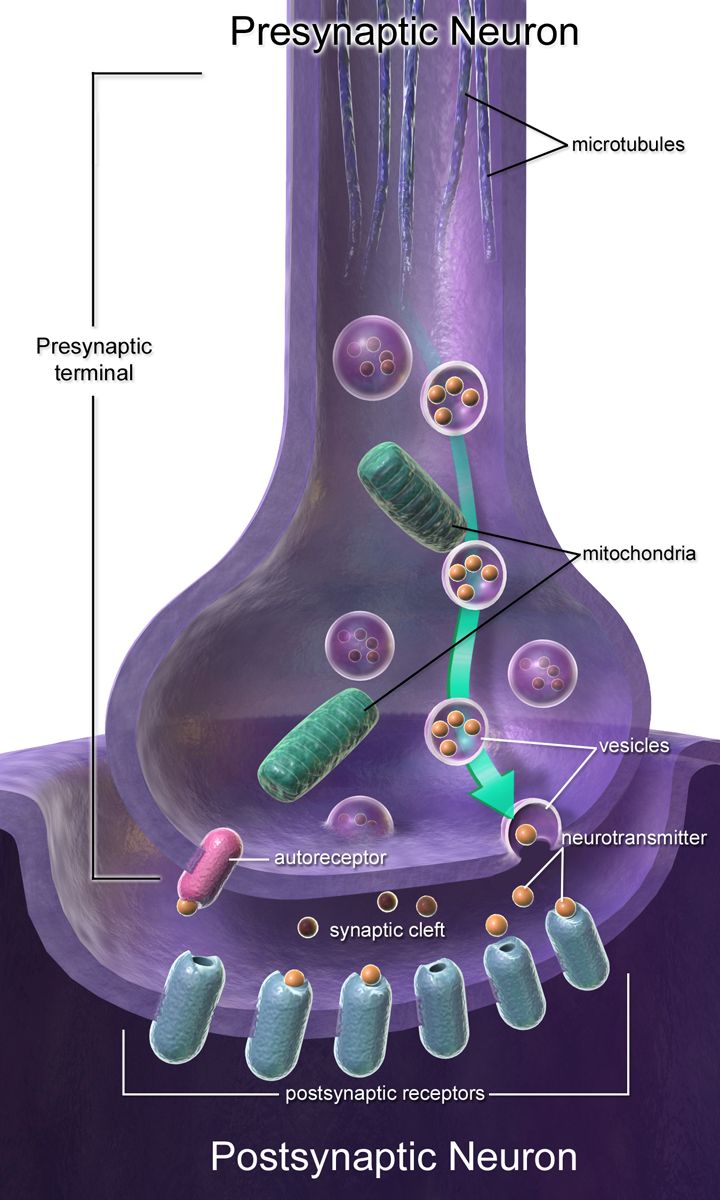
How a synapse works, and what a drug can do to it
A neuron does not touch the neuron it speaks to. It ends in a terminal that holds vesicles of chemical messenger, and when an action potential arrives, calcium enters, vesicles fuse with the membrane and neurotransmitter spills into a gap about twenty nanometres wide called the synaptic cleft. On the far side, receptors on the postsynaptic membrane read that message. Some receptors are ion channels that open within milliseconds. Others are G-protein coupled and set off a slower cascade inside the cell that eventually changes which genes are transcribed. That second, slower kind is why psychiatry runs on weeks rather than minutes.
Once the message is delivered it has to be cleared, or the signal never ends. Clearance happens two ways: a transporter protein pumps the transmitter back into the presynaptic neuron for reuse — this is reuptake — or an enzyme chews it up in the cleft. Monoamine oxidase and catechol-O-methyltransferase are the two enzymes worth knowing by name. Every psychiatric drug class in this chapter acts at one of five points: it changes how much transmitter is made, how much is released, whether the receptor can be occupied, whether reuptake happens, or whether the enzyme works.
Here is the part students routinely miss. Blocking a reuptake transporter raises synaptic serotonin within hours of the first dose. The person feels nausea, jitteriness and a headache almost immediately — those are the acute effects. But mood does not lift for weeks, because the actual therapeutic change is receptor downregulation and downstream signalling: the postsynaptic neuron, flooded with signal, gradually reduces the number and sensitivity of its receptors and shifts its intracellular machinery, including brain-derived neurotrophic factor and new synaptic growth in the hippocampus. Side effects arrive on pharmacokinetic time. Benefit arrives on neuroplastic time. That mismatch is the single most important thing you will teach about antidepressants, and it is the reason people quit them in week two.
The neurotransmitters that carry the story
Six chemicals will explain most of what you see. Dopamine runs reward, motivation, movement and the salience of experience — whether something feels meaningful or urgent. Too much dopamine signalling in the mesolimbic pathway is associated with hallucinations and delusions; too little in the mesocortical pathway tracks with flat affect, poor motivation and impaired working memory, and too little in the nigrostriatal pathway produces parkinsonism. Serotonin modulates mood, anxiety, sleep, appetite, sexual function and gut motility — which is exactly the list of adverse effects an SSRI produces.
Norepinephrine drives arousal, vigilance, concentration and the sympathetic response; it is the alerting system, and the reason norepinephrine-active drugs can raise blood pressure and worsen anxiety before they help it. GABA is the brain’s main inhibitory transmitter — the brake — and benzodiazepines, alcohol, barbiturates and many anticonvulsants all work by making that brake more effective. Glutamate is the main excitatory transmitter and the substrate of learning; it is the target of ketamine and esketamine, and its dysregulation is implicated in psychosis and in the cell injury of chronic stress. Acetylcholine supports memory and parasympathetic tone, so blocking it produces the anticholinergic picture: dry mouth, blurred vision, constipation, urinary retention, tachycardia and, in older adults, delirium.
Two additional points keep this from becoming trivia. First, no disorder is one chemical. The old “chemical imbalance” story is a simplification the profession has largely retired; what exists is a network of interacting systems shaped by genes, development and experience. Say this plainly to students and to patients, because a person told their depression is “a chemical imbalance” who then does not respond to two medications may conclude they are broken beyond repair. Second, mental illness is not a character flaw and it is not a moral failure of will. It is a health condition with biology, and people living with serious mental illness are far more likely to be harmed by violence than to be violent themselves — a fact worth stating out loud whenever a student or a family member implies otherwise.
| Transmitter | What it does | What too much or too little looks like clinically | Drugs that act here |
|---|---|---|---|
| Dopamine | Reward, motivation, movement, salience, prolactin suppression | Excess mesolimbic signalling: hallucinations, delusions. Blockade: tremor, rigidity, akathisia, tardive dyskinesia, raised prolactin, galactorrhoea | Antipsychotics (block), stimulants and bupropion (raise), aripiprazole (partial agonist) |
| Serotonin | Mood, anxiety, sleep, appetite, sexual function, gut motility, platelet aggregation | Low signalling: depressed mood, anxiety, poor sleep. Excess: nausea, agitation, clonus, serotonin syndrome | SSRIs, SNRIs, TCAs, MAOIs, trazodone, vortioxetine, triptans, linezolid |
| Norepinephrine | Arousal, focus, sympathetic drive | Low: fatigue, poor concentration. High: anxiety, tremor, tachycardia, raised blood pressure | SNRIs, TCAs, MAOIs, stimulants, atomoxetine, clonidine and propranolol (reduce) |
| GABA | Principal inhibition — the brake | Low tone: anxiety, insomnia, seizure risk in withdrawal. High: sedation, ataxia, respiratory depression | Benzodiazepines, zolpidem, valproate, alcohol, barbiturates |
| Glutamate | Principal excitation, learning, synaptic plasticity | Dysregulation implicated in psychosis, mood disorders and excitotoxic injury | Ketamine and esketamine, memantine, lamotrigine (reduces release) |
| Acetylcholine | Memory, attention, parasympathetic tone | Blockade: dry mouth, blurred vision, constipation, retention, confusion and delirium in older adults | Blocked by TCAs, low-potency first-generation antipsychotics, benztropine, diphenhydramine; raised by donepezil |
Circuits, stress and a brain that keeps changing
Symptoms live in circuits, not in single cells. The amygdala tags threat and drives the fear response. The prefrontal cortex supplies the brakes: appraisal, impulse control, perspective. The hippocampus files memory in context, including the context of time, which is why a memory that is not properly filed can be re-experienced as if it were happening now. In anxiety and post-traumatic stress the pattern is repeatedly the same — an amygdala that is loud and a prefrontal cortex whose regulating signal is quiet.
Layered on top is the hypothalamic-pituitary-adrenal (HPA) axis. Threat prompts the hypothalamus to release corticotropin-releasing hormone, the pituitary to release ACTH, and the adrenal cortex to release cortisol. Cortisol is adaptive over minutes and corrosive over years. Chronic activation is associated with hippocampal volume loss, impaired negative feedback so the axis does not shut itself off, immune and metabolic consequences, and disrupted sleep architecture. This is the biological bridge between adverse childhood experiences and adult mental and physical illness, and it is why trauma-informed care is not a soft add-on: a nervous system calibrated for danger reads a locked door, a raised voice or an unannounced touch as evidence, not as routine.
The hopeful counterweight is neuroplasticity. Synapses are pruned and grown across the lifespan; therapy, exercise, sleep, stable relationships and medication all change the substrate. Genes load a probability, not a verdict — the diathesis-stress and epigenetic literature both describe vulnerability that is expressed only under certain conditions. Say this to patients in ordinary words: the brain that learned to be this way can learn other things, and that is what treatment is for.
Psychiatric drugs change synaptic chemistry within hours but change the brain within weeks, which is why side effects arrive first and relief arrives later — and why the waiting period must be taught, not discovered.
Section 2Antidepressants and the Long Fuse
SSRIs and SNRIs: first line, and what to expect
Selective serotonin reuptake inhibitors — fluoxetine, sertraline, escitalopram, citalopram, paroxetine, fluvoxamine — are first-line for major depressive disorder, generalised anxiety, panic disorder, obsessive-compulsive disorder (usually at higher doses and with a longer trial), post-traumatic stress disorder and bulimia. They are first line not because they are the strongest but because they are the safest in overdose and the easiest to tolerate. Serotonin-norepinephrine reuptake inhibitors — venlafaxine, desvenlafaxine, duloxetine, levomilnacipran — add norepinephrine reuptake blockade, which helps neuropathic and musculoskeletal pain and often energy, at the cost of more sweating, more dry mouth and a dose-related rise in blood pressure with venlafaxine.
Teach the side-effect timeline in three tiers. Early and usually self-limiting: nausea, loose stools, headache, jitteriness and disturbed sleep, mostly settling in one to two weeks. Persistent: sexual dysfunction in a substantial minority — ask about it directly and without embarrassment, because people stop medication over this and often will not volunteer it. Class-wide cautions: hyponatraemia especially in older adults, increased bleeding risk that compounds with NSAIDs or anticoagulants because serotonin is required for platelet aggregation, and QT prolongation with citalopram at doses above 40 mg daily (above 20 mg in adults over 60 or with hepatic impairment).
Onset is the teaching point that matters most. Sleep and appetite often improve in the first one to two weeks. Energy and psychomotor activity follow. Mood is last, at two to six weeks, and full response may take eight. That sequence creates a genuine hazard: a person who was too depleted to act on suicidal thoughts may regain the energy to act before the hopelessness lifts. This is the period of raised suicide risk behind the boxed warning for people under 25, and it applies to any age. Increase contact and screening during weeks one through four rather than reducing it. Say to the patient and the family, in plain words, that if energy comes back before hope does, that is a moment to call, not to tough out.
The older agents and the outliers
Tricyclics — amitriptyline, nortriptyline, imipramine, clomipramine, doxepin — block serotonin and norepinephrine reuptake but also block muscarinic, histamine and alpha-1 receptors, which produces anticholinergic effects, sedation, weight gain and orthostatic hypotension. Their defining danger is cardiac: they block fast sodium channels, so overdose causes QRS widening, arrhythmia, seizures and death, and a one to two week supply can be lethal. They remain useful for neuropathic pain, migraine prophylaxis and treatment-resistant depression, and clomipramine retains a place in obsessive-compulsive disorder, but assess overdose risk before they go home with someone.
Monoamine oxidase inhibitors — phenelzine, tranylcypromine, isocarboxazid, and selegiline including the transdermal patch — irreversibly inhibit the enzyme that degrades monoamines. They work, sometimes when nothing else has, and they carry two rules that must be taught to the point of recitation. First, the tyramine reaction: MAO in the gut normally destroys dietary tyramine, and without it tyramine displaces stored norepinephrine and triggers a hypertensive crisis — occipital headache, stiff neck, palpitations, nausea, photophobia, sharply raised blood pressure, and risk of intracranial haemorrhage. Avoid aged cheeses, cured and smoked meats, fermented soy including soy sauce and miso, tap and craft beers, sauerkraut, fava beans, overripe fruit and yeast extracts. Second, allow a washout of two weeks between an MAOI and a serotonergic drug, and five weeks after fluoxetine because of its long half-life.
The outliers each earn their place by what they do not do. Bupropion acts on norepinephrine and dopamine, so it causes little sexual dysfunction and does not cause weight gain, helps smoking cessation, and lowers the seizure threshold — contraindicated in seizure disorders, in bulimia or anorexia nervosa, and in abrupt alcohol or sedative withdrawal. Mirtazapine blocks alpha-2, 5-HT2 and 5-HT3 and H1 receptors, so it sedates and increases appetite; at lower doses it is more sedating, which is counterintuitive and testable, and it is useful for an underweight person who cannot sleep. Trazodone is used mostly at low dose for insomnia and carries a rare risk of priapism, which is a urological emergency the patient must be told about. Vortioxetine and vilazodone add receptor modulation to reuptake blockade. Esketamine nasal spray works through glutamate and NMDA and can lift suicidal ideation within hours, but it is given only in a certified setting with two hours of monitoring for dissociation and blood pressure elevation.
| Class | Examples | Mechanism | Watch for |
|---|---|---|---|
| SSRI | Sertraline, escitalopram, fluoxetine, paroxetine | Serotonin reuptake blockade | Nausea, sexual dysfunction, hyponatraemia, bleeding risk, citalopram QT; paroxetine has the worst discontinuation syndrome |
| SNRI | Venlafaxine, duloxetine | Serotonin plus norepinephrine reuptake blockade | Raised blood pressure, sweating, pain benefit; duloxetine avoided in significant hepatic disease |
| Tricyclic | Amitriptyline, nortriptyline, clomipramine | Reuptake blockade plus muscarinic, H1 and alpha-1 blockade | Anticholinergic load, orthostasis, sedation, lethal in overdose — QRS widening |
| MAOI | Phenelzine, tranylcypromine, selegiline patch | Irreversible monoamine oxidase inhibition | Tyramine hypertensive crisis, serotonin syndrome, 2-week washout (5 weeks after fluoxetine) |
| NDRI | Bupropion | Norepinephrine and dopamine reuptake blockade | Seizure threshold lowered, insomnia, no sexual dysfunction, aids smoking cessation |
| Tetracyclic | Mirtazapine | Alpha-2, 5-HT2, 5-HT3 and H1 antagonism | Sedation and appetite gain — sometimes the desired effect; more sedating at lower doses |
| Glutamatergic | Esketamine, ketamine | NMDA receptor antagonism | Rapid effect on suicidal ideation; dissociation, raised blood pressure, monitored setting only |
Three ways an antidepressant becomes an emergency
Serotonin syndrome is excess serotonergic activity, most often when two serotonergic agents are combined — an SSRI with a triptan, tramadol, linezolid, dextromethorphan, St John’s wort, ondansetron or an MAOI. It develops over hours, not weeks. The triad is mental status change (agitation, confusion, anxiety), autonomic instability (fever, tachycardia, hypertension, diaphoresis, dilated pupils, diarrhoea) and neuromuscular hyperactivity (tremor, hyperreflexia, and clonus that is most obvious at the ankles). Clonus and hyperreflexia are the discriminating findings. Stop the serotonergic agents, escalate immediately, support with cooling, fluids and benzodiazepines, and expect cyproheptadine to be considered.
Activation and the energy-before-mood window was described above and deserves restating as a safety practice rather than a fact: screen for suicidal ideation at every contact in the first month, ask the question directly rather than hinting at it, and involve family in the plan with the person’s consent. Asking plainly — “Are you having thoughts of killing yourself?” — does not plant the idea and does not increase risk. The evidence on this is consistent, and the myth persists only because the question frightens clinicians; a person already having those thoughts is usually relieved that someone finally said the word. Avoiding the question protects nobody but the person avoiding it. If the answer is yes, build a safety plan collaboratively: warning signs, internal coping strategies, distracting people and places, people to call, professional and crisis contacts, and means restriction such as securing firearms and locking up medication. A “no-suicide contract” or “safety contract” is not evidence-based, has never been shown to reduce risk, and can make a person conceal ideation rather than disappoint you — safety planning is the standard, not a promise extracted at the bedside. Also watch for a switch into hypomania or mania when an antidepressant is given to someone with unrecognised bipolar disorder — decreased sleep with increased energy and goal-directed activity in week two is not a good response, it is a warning.
Discontinuation syndrome follows abrupt stopping of a short half-life agent, classically paroxetine or venlafaxine: flu-like symptoms, insomnia and vivid dreams, nausea, imbalance, irritability and electric-shock sensations often called brain zaps. It is not addiction and it is not withdrawal in the substance-use sense — there is no craving and no compulsive drug use — but it is deeply unpleasant and it frightens people away from treatment. Taper. Fluoxetine’s long half-life largely self-tapers. Never assume a person who stopped abruptly was careless; ask what happened, because the most common answers are that they ran out, could not afford the refill, or could not reach the prescriber.
Antidepressants relieve mood over two to six weeks while restoring energy sooner, so the early weeks demand more contact and more direct suicide screening, not less.
Section 3Mood Stabilisers and Narrow Windows

Lithium: the drug that asks for a blood test
Lithium remains the standard against which mood stabilisers are measured, and it is the only agent with consistent evidence for reducing suicide in bipolar disorder. Its mechanism is still incompletely mapped — effects on inositol signalling, glycogen synthase kinase-3 and neuroprotection are the leading accounts — but its handling is entirely clear. It is an ion. It is not metabolised. It is cleared by the kidney, and it is handled by the kidney in the same channels as sodium. Everything dangerous about lithium follows from that last sentence.
The therapeutic range is 0.6 to 1.2 mEq/L, with acute mania often managed toward the upper end (some protocols accept up to 1.5 mEq/L under close inpatient monitoring) and maintenance toward the lower end, and older adults kept lower still. Treat any level above 1.5 mEq/L as toxicity whatever the indication. Draw the level as a trough, 12 hours after the last dose — conventionally the morning draw before the morning dose. Check levels every five to seven days after initiation or a dose change until stable, then every three months. Baseline and ongoing monitoring includes renal function (creatinine, eGFR), thyroid function (lithium causes hypothyroidism and goitre), calcium (hyperparathyroidism), a pregnancy test (Ebstein anomaly risk in the first trimester) and an ECG in anyone with cardiac history. Expect fine hand tremor, polyuria and polydipsia, mild weight gain and a metallic taste as ordinary effects.
Anything that lowers sodium or lowers volume raises the lithium level. Dehydration, vomiting, diarrhoea, fever, heavy exercise, sauna use, a low-sodium diet and a crash diet all raise it. So do NSAIDs, thiazide diuretics, ACE inhibitors and angiotensin receptor blockers. Teach consistent salt intake, two to three litres of fluid daily unless contraindicated, acetaminophen rather than ibuprofen for a headache, and a “sick day” rule: with vomiting, diarrhoea or fever, hold the dose and call, do not simply carry on. That single rule prevents more lithium toxicity than any inpatient teaching sheet.
| Serum lithium | What you see | Nursing action |
|---|---|---|
| 0.6 to 1.2 mEq/L (therapeutic) | Fine hand tremor, polyuria, polydipsia, mild nausea, metallic taste, mild weight gain | Expected. Reassure, maintain fluid and salt, continue routine monitoring |
| 1.5 to 2.0 mEq/L (early toxicity) | Coarse tremor, persistent nausea and vomiting, diarrhoea, drowsiness, muscle weakness, slurred speech, ataxia | Hold the dose, notify the prescriber, draw a stat level, assess hydration and recent illness or new medications |
| 2.0 to 2.5 mEq/L (moderate to severe) | Marked ataxia, blurred vision, giddiness, tinnitus, nystagmus, hyperreflexia, confusion, low urine output | Hold, urgent escalation, IV fluids with normal saline as ordered, cardiac and neurological monitoring |
| Above 2.5 mEq/L (life-threatening) | Seizures, cardiac dysrhythmia, hypotension, coma, renal failure, death | Emergency response, prepare for haemodialysis, continuous monitoring |
The anticonvulsant mood stabilisers
Valproate (divalproex, valproic acid) is effective in acute mania, in mixed states and in rapid cycling, with a therapeutic range usually quoted at 50 to 125 mcg/mL. Monitor liver function and platelets at baseline and periodically; the serious risks are hepatotoxicity, pancreatitis and hyperammonaemic encephalopathy — new confusion or lethargy on valproate should prompt an ammonia level, not a sedation assumption. It is a major teratogen causing neural tube defects and neurodevelopmental harm, so it is avoided in people who can become pregnant unless there is no alternative and contraception is in place. Teach report of unusual bruising, dark urine, jaundice, or severe abdominal pain radiating to the back.
Carbamazepine is used for mania and for mixed states. It induces its own metabolism, so levels drift down over the first weeks and the dose is adjusted; it also induces CYP3A4 and can render oral contraceptives ineffective, a teaching point that is frequently missed. It can cause agranulocytosis and aplastic anaemia, so a baseline and serial complete blood count is required, and hyponatraemia through SIADH. Screen people of Asian ancestry for HLA-B*1502 before starting, because of the association with Stevens-Johnson syndrome. Oxcarbazepine is better tolerated with less enzyme induction but more hyponatraemia.
Lamotrigine is the mood stabiliser with the best evidence for the depressive pole of bipolar disorder and the least metabolic burden, and its entire safety profile hangs on one instruction: titrate slowly. Rapid escalation raises the risk of Stevens-Johnson syndrome and toxic epidermal necrolysis. Any rash on lamotrigine, especially with fever, mucosal involvement or blistering, means stop the drug and escalate now. Valproate roughly doubles lamotrigine levels, so the titration is halved when they are combined. Second-generation antipsychotics — quetiapine, olanzapine, aripiprazole, lurasidone, cariprazine, risperidone — are also first-line mood agents and are covered in the next section.
Teaching that actually keeps someone safe
Adherence in bipolar disorder is not a compliance problem; it is a meaning problem. Many people miss hypomania — the productivity, the confidence, the sense of finally being themselves — and describe medication as flattening them. Others stop because of tremor, weight gain, cognitive dulling or because they have been well for a year and conclude they are cured. None of that is irrationality. Approach it as information about what treatment costs the person.
Contrast these two exchanges. Non-therapeutic: “You stopped your lithium again? You know that’s why you’re back in here.” That sentence assigns blame, closes the conversation and teaches the person to lie to the next nurse. Therapeutic: “It sounds like something about being on lithium was hard enough that stopping felt worth it. Tell me what it was like.” That names the person’s experience as legitimate data and keeps the door open. Follow it with a concrete offer — a level check, a dose-timing change, a discussion of tremor management — because empathy without a next step becomes its own kind of dismissal.
Never chart a person as “non-compliant” as though it were an assessment finding. Chart the behaviour and what it appears to communicate: “Reports taking lithium approximately three days per week for the past month; states the tremor makes writing difficult at work and that he has been out of refills for nine days. Level 0.3 mEq/L. Discussed refill barriers with case manager.” That entry is useful to the next clinician. The label is not.
Lithium is safe only when it is monitored: a trough level of 0.6 to 1.2 mEq/L, stable sodium and fluid intake, and a sick-day rule that says hold and call.
Section 4Antipsychotics: Dopamine and the Price of Blocking It
Four pathways, two generations
Dopamine travels four routes and a drug given by mouth reaches all of them. The mesolimbic pathway carries the positive symptoms of psychosis, and blocking it there is the therapeutic effect. The mesocortical pathway supports motivation, expressiveness and working memory, so blocking it can worsen negative and cognitive symptoms. The nigrostriatal pathway governs movement, and blocking roughly 80 percent of its receptors produces extrapyramidal symptoms. The tuberoinfundibular pathway is where dopamine inhibits prolactin, so blockade raises prolactin, producing amenorrhoea, galactorrhoea, gynaecomastia, sexual dysfunction and, over time, reduced bone density.
First-generation agents are potent D2 blockers. High-potency drugs such as haloperidol and fluphenazine give more extrapyramidal symptoms and less sedation; low-potency drugs such as chlorpromazine give more sedation, orthostatic hypotension and anticholinergic effects and fewer movement effects. They treat positive symptoms well and do little for negative symptoms. Second-generation agents — risperidone, olanzapine, quetiapine, ziprasidone, paliperidone, lurasidone, asenapine — add 5-HT2A antagonism, which loosens dopamine blockade in the nigrostriatal and mesocortical tracts and produces fewer movement effects but a heavier metabolic burden. Aripiprazole, brexpiprazole and cariprazine are D2 partial agonists, stabilising rather than simply blocking; akathisia is their signature complaint.
All antipsychotics carry a boxed warning of increased mortality when used for behavioural symptoms of dementia in older adults; they are not a first-line answer to agitation in a person with dementia, where environmental and behavioural approaches come first. Note also that people prescribed antipsychotics are often, in the public imagination, assumed to be dangerous. Correct that assumption when you hear it. People with schizophrenia spectrum disorders are substantially more likely to be harmed than to harm, and the language on your unit either reinforces the stereotype or dismantles it.
Movement: EPS now, tardive dyskinesia later
Acute dystonia arrives earliest, often within hours to days and disproportionately in young men on high-potency agents: sustained muscle contraction producing torticollis, opisthotonos, oculogyric crisis or, dangerously, laryngospasm. It is frightening and it is treatable within minutes with intramuscular benztropine or diphenhydramine. Treat it as urgent; airway involvement is a rapid response call.
Akathisia is the most misread finding in psychiatry. It is an inner, unbearable restlessness — the person paces, rocks, cannot sit through a meal, shifts constantly — and it appears in the first days to weeks. It is frequently charted as agitation or as anxiety and then treated with more antipsychotic, which makes it worse. Akathisia is associated with distress severe enough to raise suicide risk. The management is dose reduction, a switch, or propranolol; benzodiazepines may help short term. Anticholinergics help akathisia far less than they help dystonia and parkinsonism. Ask directly: “Is the restlessness on the inside, like you cannot make your legs be still, or is it worry in your thoughts?” The answer separates the two.
Drug-induced parkinsonism emerges over weeks: bradykinesia, cogwheel rigidity, masked facies, shuffling gait and a pill-rolling tremor. It responds to anticholinergics or amantadine and to dose reduction. Tardive dyskinesia is the late one — months to years — and is characterised by involuntary choreoathetoid movements of the tongue, lips, face and sometimes trunk and limbs: lip smacking, tongue protrusion, grimacing, worm-like tongue movements. It may be irreversible, and anticholinergics make it worse. Screen with the Abnormal Involuntary Movement Scale (AIMS) at baseline and every three to six months. VMAT2 inhibitors such as valbenazine and deutetrabenazine are the treatments. Early detection is the whole game, and that detection is usually a nurse’s.
| Movement effect | Typical onset | What you observe | Response |
|---|---|---|---|
| Acute dystonia | Hours to days | Torticollis, oculogyric crisis, jaw or back spasm, laryngospasm | IM benztropine or diphenhydramine now; airway involvement is an emergency |
| Akathisia | Days to weeks | Inner restlessness, pacing, inability to sit still; often mislabelled as agitation | Reduce dose or switch; propranolol; short-term benzodiazepine. Do not simply increase the antipsychotic |
| Pseudoparkinsonism | Weeks | Bradykinesia, cogwheel rigidity, masked facies, shuffling gait, tremor | Dose reduction, anticholinergic or amantadine, fall precautions |
| Tardive dyskinesia | Months to years | Lip smacking, tongue protrusion, grimacing, choreoathetoid limb movements | AIMS screening, reduce or switch agent, VMAT2 inhibitor; stop anticholinergics |
| Neuroleptic malignant syndrome | Days to weeks, often after a dose increase | Lead-pipe rigidity, hyperthermia, autonomic instability, altered mentation, raised CK | Stop the antipsychotic, emergency escalation, cooling, fluids, dantrolene or bromocriptine as ordered |
The metabolic bill, clozapine, and the injection
Second-generation agents carry a real cardiometabolic cost, worst with olanzapine and clozapine, moderate with quetiapine and risperidone, least with lurasidone, ziprasidone and aripiprazole. Monitor weight and BMI at baseline, monthly for three months and quarterly; waist circumference, blood pressure, fasting glucose or HbA1c and a lipid panel at baseline, at 12 weeks and then annually. This monitoring is one of the highest-value nursing interventions in the whole book, because people living with serious mental illness die on average one to two decades earlier than the general population, and the excess deaths are overwhelmingly cardiovascular and metabolic, not psychiatric. Ziprasidone must be taken with a 500-calorie meal for absorption and prolongs the QT interval.
Clozapine is the most effective agent for treatment-resistant schizophrenia and the only one with specific evidence for reducing suicide in this population, and it is the most heavily monitored drug in psychiatry. It can cause agranulocytosis, so the absolute neutrophil count is checked weekly for six months, every two weeks for the next six months, then monthly, under a national registry programme; treatment is generally interrupted when the ANC falls below 1000 per microlitre and stopped below 500. Teach the person to report fever, sore throat or flu-like symptoms immediately — those are infection signs in someone who may have no neutrophils. Clozapine also causes myocarditis (chest pain, dyspnoea, tachycardia, most often in the first two months), seizures at higher doses, severe constipation progressing to bowel obstruction and ileus which is a genuine cause of death, orthostatic hypotension on titration, and paradoxical hypersalivation, particularly at night. Bowel regimen and neutrophil count are not optional add-ons; they are the drug.
Long-acting injectable antipsychotics — haloperidol decanoate, fluphenazine decanoate, paliperidone palmitate, aripiprazole lauroxil, risperidone microspheres — deliver two to twelve weeks of coverage in a single injection. They are not punishment and should never be framed as such. They remove the daily decision and the daily reminder of illness, they smooth plasma levels, and they make relapse visible early: a missed appointment is a clear, actionable signal rather than a silence. Establish oral tolerability first, know that the drug cannot be withdrawn once it is in the muscle, use the correct needle length and site, and keep the conversation collaborative. “Some people find the injection easier than remembering a tablet every day — would you want to hear how it works?” lands very differently from “Since you can’t be trusted with pills, we’re switching you to the shot.”
Neuroleptic malignant syndrome
Neuroleptic malignant syndrome is rare, idiosyncratic and lethal in perhaps 10 percent of cases. It usually appears within the first two weeks of starting an antipsychotic or after a dose increase, and classically presents with lead-pipe rigidity, hyperthermia that can exceed 40 degrees Celsius, autonomic instability (labile blood pressure, tachycardia, diaphoresis, incontinence) and altered mental status ranging from confusion to stupor. Laboratory findings include markedly raised creatine kinase, leucocytosis and myoglobinuria with risk of acute kidney injury. Dehydration, agitation, restraint use and high-potency or rapidly titrated agents all increase risk.
Distinguishing it from serotonin syndrome is a favourite examination question and a genuine bedside problem. Serotonin syndrome develops over hours, is provoked by serotonergic agents, and produces hyperreflexia and clonus with dilated pupils and gastrointestinal hurry. Neuroleptic malignant syndrome develops over days, is provoked by dopamine blockade or by abrupt withdrawal of a dopamine agonist, and produces rigidity with hyporeflexia and normal bowel sounds. Muscle tone is the discriminator: hyperactive and jerky points serotonergic, rigid and lead-pipe points neuroleptic.
The nursing response is the same shape in both: stop the offending agent, call for help, protect the airway, cool actively, run fluids as ordered, monitor cardiac rhythm and urine output, and document a temperature trend rather than a single number. A rising temperature with new rigidity in someone who had a dose increase two days ago is not a coincidence, and it does not wait for morning rounds.
Every antipsychotic buys mesolimbic benefit with nigrostriatal, tuberoinfundibular and metabolic cost, so movement screening with AIMS, metabolic monitoring and, for clozapine, neutrophil and bowel surveillance are inseparable from the prescription.
Section 5Anxiolytics, Stimulants and the Nursing of a Medication
Benzodiazepines, the non-habit-forming alternatives, and hypnotics
Benzodiazepines — lorazepam, alprazolam, diazepam, clonazepam, chlordiazepoxide, midazolam — enhance GABA-A channel opening and work within minutes. That speed is both their value and their trap. They are appropriate for acute severe anxiety, for panic while an SSRI is taking effect, for status epilepticus, for procedural sedation, for catatonia and for alcohol withdrawal, where they are lifesaving and are titrated against a validated scale such as the CIWA-Ar. They are poor long-term anxiolytics because tolerance, physiological dependence and cognitive dulling follow, and because abrupt discontinuation after sustained use can cause seizures and delirium — a benzodiazepine taper is a medical matter, not a matter of willpower.
Key cautions: additive respiratory depression with opioids and alcohol; falls, confusion and paradoxical agitation in older adults, which is why these drugs appear on the Beers criteria; and the fact that lorazepam, oxazepam and temazepam are the safer choices in hepatic impairment because they bypass oxidative metabolism. Flumazenil reverses benzodiazepines but can precipitate seizures in a person who is dependent, so it is used cautiously and rarely on a behavioural unit.
The alternatives matter because they let you offer relief without dependence. Buspirone is a 5-HT1A partial agonist for generalised anxiety, non-sedating, non-dependence-forming, and requires two to four weeks to work — so it is useless as a rescue and excellent as a maintenance agent, and patients must be told this or they will discard it in week one. Hydroxyzine is an antihistamine used as needed for anxiety without dependence risk. Propranolol blunts the peripheral signature of anxiety — tremor, palpitations — and is used for performance anxiety and for akathisia. For sleep, non-benzodiazepine hypnotics such as zolpidem and eszopiclone carry complex sleep behaviours including sleep-driving; melatonin receptor agonists and low-dose doxepin or trazodone are commonly preferred, and sleep hygiene remains first-line rather than a formality.
Stimulants and pharmacotherapy for substance use disorders
Stimulants — methylphenidate and amphetamine salts — increase synaptic dopamine and norepinephrine and are first-line for attention-deficit hyperactivity disorder. Monitor height, weight, appetite, sleep, blood pressure and heart rate; give the last dose early enough to protect sleep; take a cardiac history before starting. Atomoxetine is a norepinephrine reuptake inhibitor with no controlled-substance status, takes several weeks to work, and carries a warning about suicidal ideation in young people. Guanfacine and clonidine are alpha-2 agonists useful for hyperactivity, impulsivity and sleep, and must not be stopped abruptly because of rebound hypertension.
For substance use disorders, medication is treatment, not a substitute addiction, and the language you use around it shapes whether a person accepts it. In alcohol use disorder, naltrexone reduces reward and craving (contraindicated with opioid use and in acute hepatitis), acamprosate supports abstinence and is renally cleared, and disulfiram creates an aversive reaction to alcohol and demands full informed consent and avoidance of hidden alcohol in mouthwash, cough syrup and sauces. In opioid use disorder, buprenorphine and methadone reduce mortality substantially, and naltrexone is an option after full detoxification. Nicotine replacement, varenicline and bupropion support tobacco cessation.
Say “a person with an opioid use disorder”, not “an addict” or “an abuser”. Say “a toxicology screen positive for opioids”, not “a dirty screen”. Never document that someone is “drug-seeking”; document what they said and did — “Requested additional lorazepam 40 minutes after the scheduled dose, reporting chest tightness and rating anxiety 9 out of 10” — and let the record carry the observation rather than the judgement. Stigmatising documentation follows people through their charts for years and measurably changes the care they are offered.
PRN medication, de-escalation, and the limits of chemical restraint
When someone is escalating, the intervention ladder is fixed and it starts nowhere near a syringe. Least restrictive first: reduce stimulation, give space, lower your voice, offer a choice, offer food or a walk, offer a PRN. Approach at an angle rather than head-on, keep your hands visible, stay at or below the person’s eye level if it is safe, maintain an exit path for both of you, and let one person do the talking. Ask what would help. A person with a trauma history who is surrounded by staff is being shown the exact scenario their nervous system is braced for.
An offered PRN that a person accepts is treatment. Medication given against a person’s will to control behaviour rather than to treat a diagnosed condition is a chemical restraint, and it carries every legal requirement that a physical restraint carries: an emergency justification of imminent danger to self or others, a time-limited order that cannot be written as PRN, a face-to-face evaluation within one hour, continuous or frequent monitoring of airway, circulation, vital signs, hydration, toileting and skin, documentation of the less restrictive measures that were tried first, and discontinuation at the earliest possible moment. Restraint and seclusion are never used for discipline, punishment, coercion, retaliation or staff convenience, and never as a substitute for adequate staffing — that is a regulatory line, not a matter of unit culture. Restraint and seclusion are not treatments; they are failures of the environment that we sometimes cannot avoid, and each one warrants a debrief with the person afterwards.
Two dialogues, same patient. Non-therapeutic: “You need to calm down right now or we’re going to have to give you something.” That is a threat, it removes agency, and it converts a medication into a punishment, which poisons every future dose. Therapeutic: “You look like this is unbearable right now. I’ve got two things that might help — we can go to the quiet room, or I can bring the medication the doctor ordered for times like this. Which sounds better?” It names the distress, offers a genuine choice, and keeps the person as the decision-maker. That is de-escalation and trauma-informed care in one sentence.
The legal frame sits underneath all of this. A voluntary admission means the person consented, retains the right to refuse any specific treatment, and may request discharge subject to a short statutory notice period. An involuntary admission is the correct term — a person is never “committed” — and it requires a legal standard, usually imminent danger to self or others or grave disability. Critically, it is authorisation to detain and evaluate; it is not blanket authorisation to medicate. The right to refuse medication survives involuntary admission and is overridden only in a genuine emergency or through a separate court or capacity determination. Capacity is decision-specific and fluctuates: a person may lack capacity to weigh clozapine at three in the morning in acute psychosis and hold it completely a week later, so it is assessed for this decision at this time, never assigned as a permanent status or inferred from a diagnosis. Confidentiality is the default and it has limits — a serious, credible threat toward an identifiable person triggers a duty to warn or protect, and suspected abuse of a child or vulnerable adult is a mandated report. Tell people where those limits are before they disclose, not afterwards. Every decision above is then bound by the least restrictive environment principle: the least restrictive setting, the least restrictive intervention, for the shortest time that keeps the person safe.
Delegation, adherence and escalating what you find
Assistive personnel are essential to the milieu and are limited in specific ways. They can observe and report behaviour, take and record vital signs, sit with a person on close observation or one-to-one status, escort to activities, assist with hygiene and meals, record intake and output and food and fluid, help maintain a calm environment, and alert you immediately to any change. They cannot administer medication, perform the assessment or the AIMS, conduct suicide risk screening, deliver medication teaching or any patient education, evaluate a response to treatment, take primary responsibility for a person who is unstable or acutely deteriorating, provide counselling or therapeutic interventions requiring nursing judgement, or initiate or discontinue restraint. Delegate the task, never the assessment, the teaching or the evaluation, and never the unstable person. And delegate specifically: “Stay within arm’s length, and tell me right away if he refuses fluids or seems to be shaking” is a usable instruction; “keep an eye on him” is not.
Adherence work is ordinary and unglamorous and it is most of the job. Simplify the regimen and time doses to existing habits. Use pill organisers, alarms and pharmacy synchronisation. Name the side effect the person actually cares about — sexual function, weight, tremor, sedation — and address it rather than waiting to be asked. Screen for cost and transport barriers, because the most common reason a psychotropic is stopped is that it ran out. Involve the family with consent. And be explicit that abrupt discontinuation matters across nearly every class: SSRIs and SNRIs produce discontinuation syndrome, benzodiazepines can produce seizures, lithium withdrawal can precipitate rebound mania, antipsychotic withdrawal can produce cholinergic rebound and relapse, and clonidine produces rebound hypertension. The instruction is always the same — do not stop it on your own, call us and we will taper it together.
Finally, know what escalates and how to say it. SBAR keeps a frightening finding intelligible in fifteen seconds. Situation: “This is Priya on 4 East. Mr Alvarez in room 12, on haloperidol since Monday with a dose increase yesterday.” Background: “Admitted five days ago with first-episode psychosis, no medical history.” Assessment: “Temperature 39.4, heart rate 128, blood pressure swinging from 160 over 95 to 100 over 60, he has lead-pipe rigidity in both arms and he is only responding to his name. I am concerned about neuroleptic malignant syndrome.” Recommendation: “I have held the haloperidol and I need you at the bedside now, and I would like a stat CK, CBC, metabolic panel and orders for IV fluids and cooling.” Notice that the nurse names the suspected condition and states what she has already done. That is not overstepping; that is the report a physician can act on.
| Red flag | Likely cause | Immediate action | SBAR headline |
|---|---|---|---|
| Fever, lead-pipe rigidity, altered mentation, unstable vitals | Neuroleptic malignant syndrome | Hold the antipsychotic, cool, fluids, continuous monitoring | “New rigidity and a temperature of 39.4 two days after a dose increase — I am concerned about NMS.” |
| Agitation, hyperreflexia, ankle clonus, diaphoresis, fever within hours | Serotonin syndrome | Stop serotonergic agents, benzodiazepine and cooling as ordered | “Sustained ankle clonus and hyperreflexia six hours after a triptan on top of sertraline.” |
| Coarse tremor, vomiting, ataxia, slurred speech on lithium | Lithium toxicity | Hold the dose, stat serum level, assess volume status and new drugs | “Coarse tremor and vomiting after two days of gastroenteritis — requesting a stat lithium level.” |
| Fever, sore throat, flu-like illness on clozapine | Agranulocytosis | Hold the dose, stat CBC with differential and ANC, infection precautions | “Fever of 38.6 and sore throat on clozapine — requesting a stat ANC.” |
| Any rash on lamotrigine, especially with fever or mucosal lesions | Stevens-Johnson syndrome | Stop the drug, escalate immediately, do not re-challenge | “Spreading rash with oral lesions on day 10 of lamotrigine — drug held.” |
| Occipital headache, stiff neck, palpitations, sharply raised blood pressure on an MAOI | Tyramine hypertensive crisis | Hold, urgent escalation, continuous blood pressure monitoring | “Blood pressure 215 over 120 with severe occipital headache after a deli sandwich on phenelzine.” |
| New sustained intolerable restlessness after starting an antipsychotic | Akathisia | Report before adding sedation; anticipate dose change or propranolol | “He describes restlessness inside his legs and cannot sit through a meal — this looks like akathisia, not anxiety.” |
| Energy returning while hopelessness persists in week 2 of an antidepressant | Activation with continuing suicide risk | Direct suicide screening, increase observation and contact, safety plan review | “He is getting out of bed now but still says nothing will change — I want the risk assessment repeated today.” |
The medication is only half of the intervention — the other half is the teaching, the offered choice, the monitoring you delegate correctly and the SBAR you make when something goes wrong.
The chapter in one breath
Psychiatric medications act at the synapse — on release, receptors, reuptake or the enzymes that break transmitters down — but their therapeutic effect comes from slower receptor and plasticity changes, which is why side effects arrive in days and benefit in weeks. Dopamine, serotonin, norepinephrine, GABA, glutamate and acetylcholine map cleanly onto both symptoms and adverse effects, and the HPA axis explains why chronic stress and trauma leave biological fingerprints. Antidepressants take two to six weeks for mood while restoring energy sooner, creating a window of raised suicide risk that must be taught and screened. Lithium is safe only within 0.6 to 1.2 mEq/L, follows sodium and volume, and demands a sick-day rule. Anticonvulsant mood stabilisers each carry a signature hazard: hepatic and pancreatic injury with valproate, blood counts and enzyme induction with carbamazepine, rash with lamotrigine. Antipsychotics trade mesolimbic benefit for movement, prolactin and metabolic cost, so AIMS and metabolic screening are part of the drug, as are neutrophil counts and a bowel regimen with clozapine. Serotonin syndrome, neuroleptic malignant syndrome, lithium toxicity, agranulocytosis and tyramine crisis are the emergencies. De-escalation always precedes chemical restraint, delegation covers tasks and never assessment, and the language of the chart is itself an intervention.
Words worth knowing
| Term | What it means |
|---|---|
| Synaptic cleft | The microscopic gap between neurons where neurotransmitter is released, binds receptors and is then cleared by reuptake or enzymatic breakdown. |
| Reuptake | Transporter-mediated return of a neurotransmitter into the presynaptic neuron; blocking it raises the amount available in the cleft. |
| Receptor downregulation | Reduction in receptor number or sensitivity after sustained stimulation; the leading explanation for why antidepressant benefit takes weeks. |
| HPA axis | Hypothalamic-pituitary-adrenal stress pathway ending in cortisol release; chronically activated in trauma and chronic stress. |
| Neuroplasticity | The brain’s capacity to reorganise synapses and circuits through experience, therapy, medication and behaviour across the lifespan. |
| Serotonin syndrome | Excess serotonergic activity developing over hours: mental status change, autonomic instability and neuromuscular hyperactivity with hyperreflexia and clonus. |
| Neuroleptic malignant syndrome | Rare, life-threatening reaction to dopamine blockade over days: lead-pipe rigidity, hyperthermia, autonomic instability, altered mentation, raised creatine kinase. |
| Discontinuation syndrome | Flu-like symptoms, insomnia, dizziness, irritability and electric-shock sensations after abrupt cessation of a short half-life antidepressant; not addiction, but a reason to taper. |
| Tyramine reaction | Hypertensive crisis when dietary tyramine is eaten on an MAOI, presenting with occipital headache, stiff neck, palpitations and sharply raised blood pressure. |
| Therapeutic index | The margin between an effective dose and a toxic one; lithium’s is narrow, which is why levels are drawn as a 12-hour trough. |
| Lithium toxicity | Progressive picture beginning with coarse tremor, vomiting, diarrhoea and ataxia and advancing to seizures, dysrhythmia and coma as levels rise. |
| Extrapyramidal symptoms | Movement effects of dopamine blockade: acute dystonia, akathisia and drug-induced parkinsonism. |
| Akathisia | Subjective inner restlessness with an inability to stay still; frequently mistaken for agitation or anxiety and worsened by increasing the antipsychotic. |
| Tardive dyskinesia | Late-onset involuntary choreoathetoid movements of face, tongue and limbs after prolonged dopamine blockade; may be irreversible, screened with the AIMS. |
| AIMS | Abnormal Involuntary Movement Scale; a structured screening tool performed at baseline and every three to six months on antipsychotics. |
| Agranulocytosis | Severe loss of neutrophils, the risk that drives weekly then biweekly then monthly ANC monitoring on clozapine and periodic counts on carbamazepine. |
| Long-acting injectable | Depot antipsychotic formulation lasting two to twelve weeks, offered to reduce daily burden and make relapse risk visible early — never framed as punishment. |
| Chemical restraint | Medication given against a person’s will to control behaviour rather than to treat a diagnosed condition; requires emergency order, one-hour face-to-face and documented monitoring. |
| Trauma-informed care | Practice that assumes a trauma history may be present and deliberately avoids re-traumatising through choice, transparency, collaboration and safety. |
| Person-first language | Naming the person before the condition — “a person with schizophrenia”, “died by suicide”, “a positive toxicology screen” — because charted language changes the care that follows. |