Proteins & Amino Acids
Carbohydrate and fat are made of carbon, hydrogen, and oxygen. Protein adds one more element — nitrogen — and that single addition changes everything it can do. Protein is the only macronutrient that can build a muscle fiber, catalyze a reaction, carry oxygen, neutralize a virus, and hold fluid inside a blood vessel. It also delivers 4 kilocalories per gram, the same as carbohydrate, but the body treats burning protein for fuel as something close to a last resort. This chapter follows protein from a single amino acid to a folded working molecule, through the digestive tract, into the jobs it performs, and finally onto the plate, where the practical questions live: how much, from where, and does quality matter as much as people say?
By the end of this chapter you can
- Draw and label the parts of an amino acid and explain what the side chain determines.
- Distinguish indispensable (essential), dispensable, and conditionally indispensable amino acids, and name the nine indispensable ones.
- Describe the four levels of protein structure and explain how sequence produces shape, and shape produces function.
- Explain denaturation, list what causes it, and say what it does and does not destroy.
- Trace protein digestion and absorption from the stomach through the brush border to the portal vein.
- Give examples of protein's roles in structure, enzymes, hormones, transport, immunity, fluid balance, and acid–base balance.
- Compare methods of judging protein quality and explain how complementary proteins work.
- State the adult RDA for protein with its units and population, and describe how needs shift with age, pregnancy, and lactation.
Section 1Amino acids
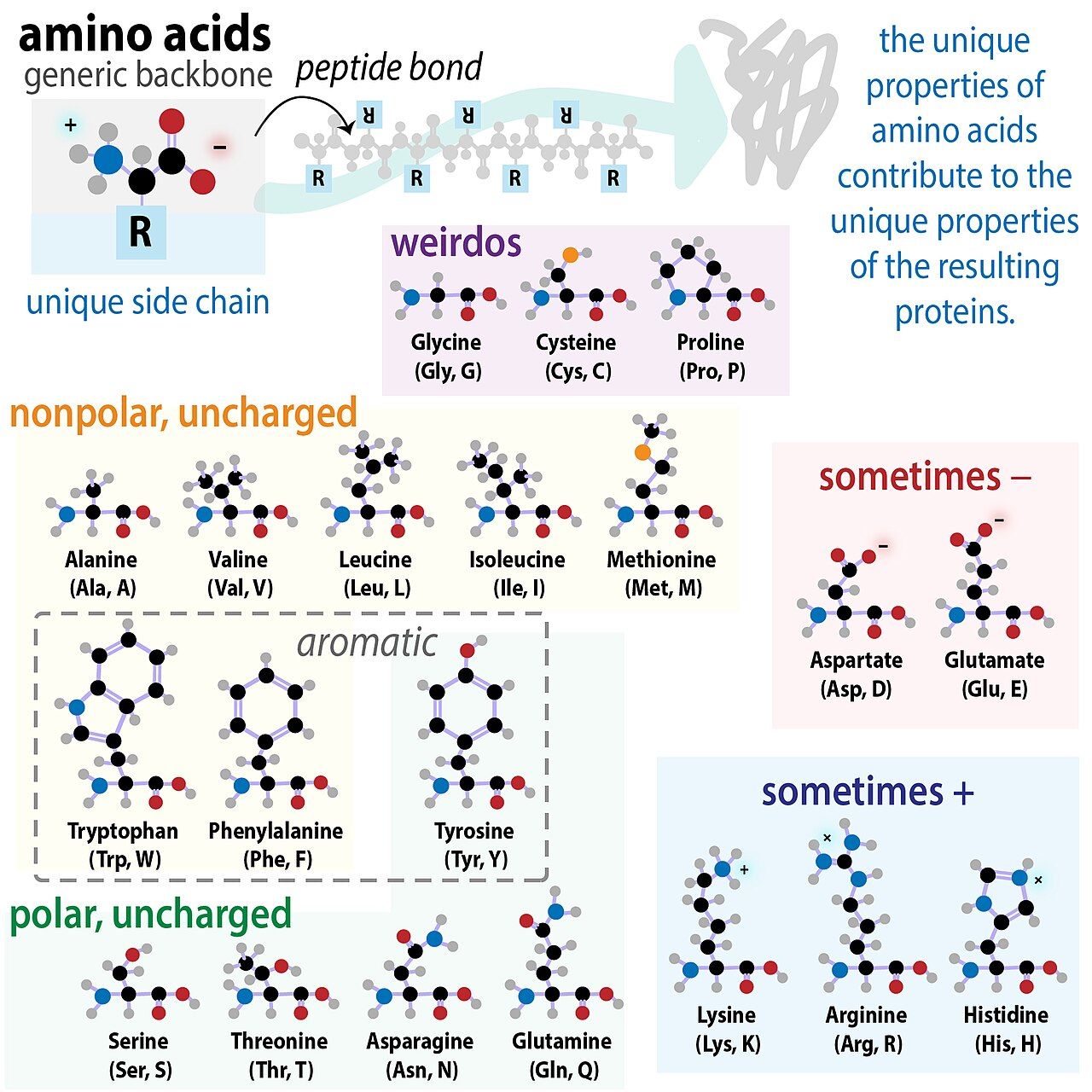
One backbone, twenty side chains
Every amino acid is built on the same small frame. A central carbon atom — the alpha carbon — holds four things: an amino group (–NH2), a carboxyl group (–COOH), a hydrogen atom, and a fourth attachment called the side chain or R group. Three of those four are identical in every amino acid. Only the side chain varies, and that variation is the whole story: it is what makes one amino acid water-loving and another water-fearing, one acidic and another basic, one small enough to fit into a tight turn and another bulky enough to force the chain to bend around it.
Twenty amino acids are used to build human proteins. The amino group is where the nitrogen lives, and it is the reason protein behaves differently from the other energy-yielding nutrients. Protein is roughly 16 percent nitrogen by weight, which is why laboratories have historically estimated the protein content of a food by measuring its nitrogen and multiplying by 6.25. It is also why the body cannot simply stockpile surplus protein the way it stores glycogen or fat: the nitrogen has to be stripped off and excreted as urea before the carbon skeleton can be burned or stored.
Indispensable, dispensable, conditional
The body can manufacture some amino acids from scratch, rearranging carbon skeletons and moving nitrogen around. Others it cannot make at all, or cannot make fast enough, and those must arrive in food. Nine amino acids are indispensable (the older term is essential): histidine, isoleucine, leucine, lysine, methionine, phenylalanine, threonine, tryptophan, and valine. The remaining amino acids are dispensable — not unimportant, simply synthesizable.
A third category sits in between. Conditionally indispensable amino acids are ones the body normally makes for itself but cannot keep up with under particular circumstances — rapid growth, serious illness, major injury, or an inherited enzyme defect. Tyrosine is the clearest example: it is normally made from phenylalanine, but a person with phenylketonuria (PKU) lacks the enzyme for that conversion, so tyrosine becomes indispensable for them and phenylalanine must be tightly restricted under medical supervision.
| Category | Amino acids | What it means |
|---|---|---|
| Indispensable (essential) | Histidine, isoleucine, leucine, lysine, methionine, phenylalanine, threonine, tryptophan, valine | The body cannot synthesize them; they must come from food |
| Dispensable (nonessential) | Alanine, asparagine, aspartic acid, glutamic acid, serine | Readily made from other compounds; no dietary requirement |
| Conditionally indispensable | Arginine, cysteine, glutamine, glycine, proline, tyrosine | Normally made in adequate amounts, but not during illness, injury, prematurity, or certain inherited disorders |
Notice that the branched-chain amino acids — leucine, isoleucine, and valine — are all indispensable. Leucine in particular has drawn research attention as a signal that helps switch on muscle protein synthesis. That signaling role is well described in laboratory and short-term human studies; whether adding isolated leucine or branched-chain supplements on top of an already adequate protein intake produces meaningful long-term gains is not settled, and the current evidence is best called preliminary.
- An amino acid is an alpha carbon carrying an amino group, a carboxyl group, a hydrogen, and a variable side chain.
- The side chain alone determines an amino acid's chemical personality, and therefore how a finished protein folds.
- Nine amino acids are indispensable and must come from food; some become conditionally indispensable during illness, growth, or inherited disorders.
- Protein is about 16% nitrogen and yields 4 kcal/g — the same as carbohydrate.
Section 2Protein structure
From sequence to shape
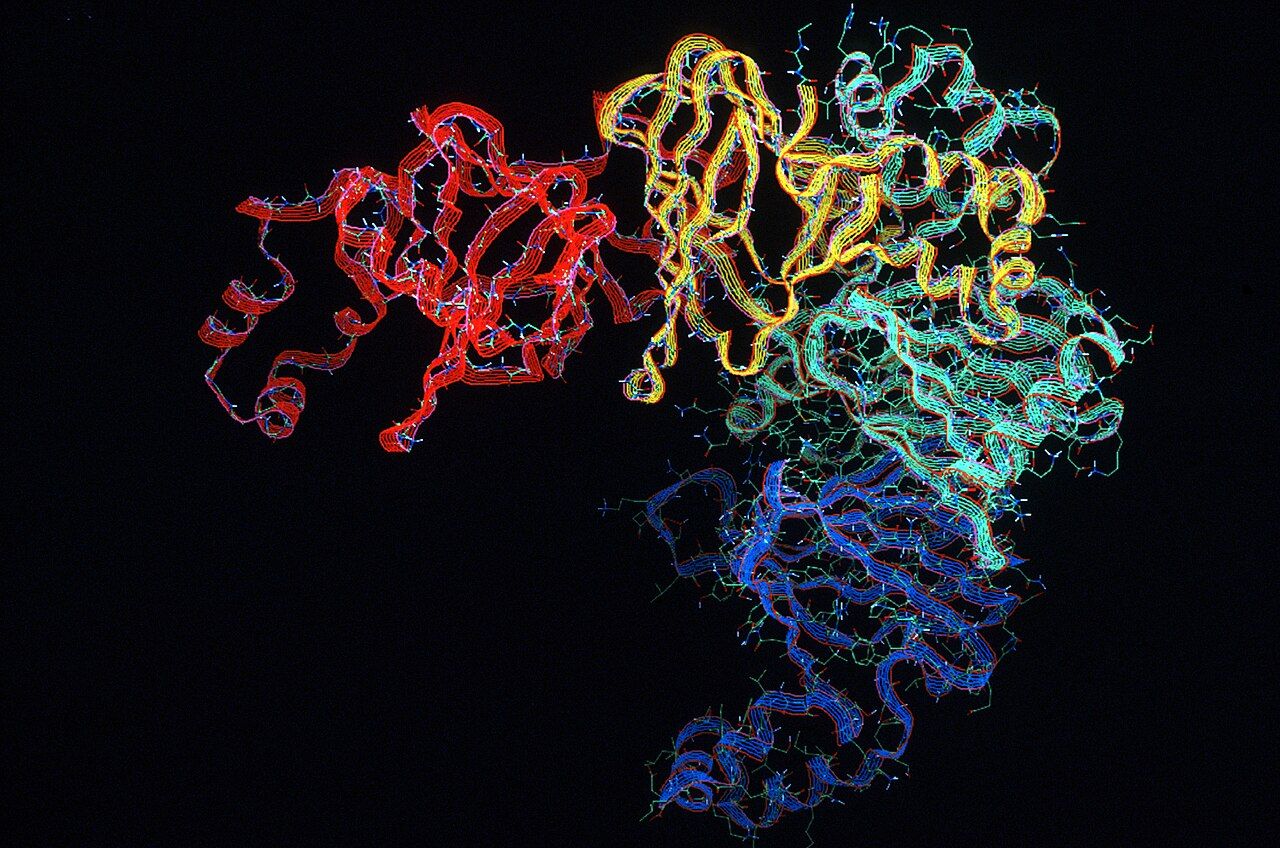
Two amino acids join when the carboxyl group of one reacts with the amino group of the other, releasing a molecule of water and leaving behind a peptide bond. Repeat that thousands of times and you have a polypeptide — a long chain whose order of amino acids was dictated, letter by letter, by a gene. That order is the protein's primary structure, and it is not a detail. Change one amino acid and you can change the whole molecule: sickle cell disease arises from a single substitution, valine in place of glutamic acid, at position six of the beta-globin chain of hemoglobin.
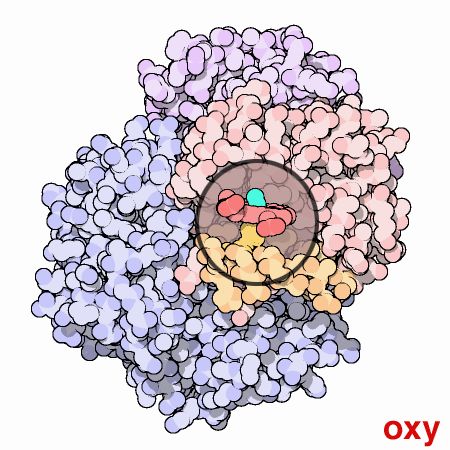
A polypeptide does not stay stretched out. Hydrogen bonds form along the backbone and pull local stretches into repeating patterns — the coiled alpha helix and the pleated beta sheet — which together make up secondary structure. Then the whole chain collapses on itself. Water-fearing side chains bury themselves in the interior, water-loving ones face outward, oppositely charged side chains attract, and sulfur-containing cysteines can lock the fold in place with disulfide bridges. The resulting three-dimensional shape is the tertiary structure. Some proteins go one step further and assemble from several finished chains: hemoglobin is four polypeptide subunits clicked together, an arrangement called quaternary structure.
| Level | What it is | Held together by | Example |
|---|---|---|---|
| Primary | The linear order of amino acids | Peptide bonds (strong, covalent) | The gene-specified sequence of insulin |
| Secondary | Local coils and pleats — alpha helix, beta sheet | Hydrogen bonds along the backbone | The helical rods of keratin in hair |
| Tertiary | The overall 3-D fold of one chain | Side-chain attractions, water-avoidance, disulfide bridges | The pocket in an enzyme's active site |
| Quaternary | Two or more folded chains assembled | The same side-chain forces, acting between subunits | Hemoglobin's four subunits |
The reason to learn this hierarchy is that shape is function. An enzyme works because its active site is a pocket contoured to fit one particular molecule. An antibody works because its tips are shaped to grip one particular antigen. A membrane transporter works because it has a channel of the right size and charge. Lose the shape and you lose the job, even though every peptide bond is still intact.
Denaturation
Anything that disrupts the weak forces holding a fold together will unravel a protein. This is denaturation, and the usual culprits are heat, acid or alkali, mechanical agitation, alcohol, certain salts and heavy metals, and ultraviolet light. Crucially, denaturation breaks the hydrogen bonds and side-chain attractions that create secondary, tertiary, and quaternary structure — it does not break the peptide bonds of the primary structure. The sequence survives; the shape does not.
You have watched this happen. Egg white is a clear solution of folded proteins, chiefly ovalbumin; heat it and those proteins unfold, tangle with one another, and set into an opaque solid that will not go back. Whipping egg whites denatures them mechanically. Adding acid to milk denatures casein and produces curds. Marinating fish in citrus juice, "cooking" it without heat, is acid denaturation. Because denatured protein is more open and more accessible, cooking generally makes protein easier to digest, not harder.
The body does this deliberately, too. Stomach acid denatures dietary proteins on arrival, unfolding them so digestive enzymes can reach the peptide bonds inside. And it explains part of why certain extremes are dangerous: a very high fever, a large shift in blood pH, or certain poisons can begin to unfold the body's own proteins, which is one reason those states are treated urgently.
- Peptide bonds link amino acids into polypeptides; the sequence is the primary structure.
- Hydrogen bonding produces secondary structure (alpha helix, beta sheet); side-chain forces produce tertiary; multiple chains produce quaternary.
- A single amino acid substitution can change function — sickle cell disease is the classic example.
- Denaturation (heat, acid, agitation, alcohol) destroys shape but leaves peptide bonds intact, and usually improves digestibility.
Section 3Digestion and absorption
The stomach: acid first, enzyme second
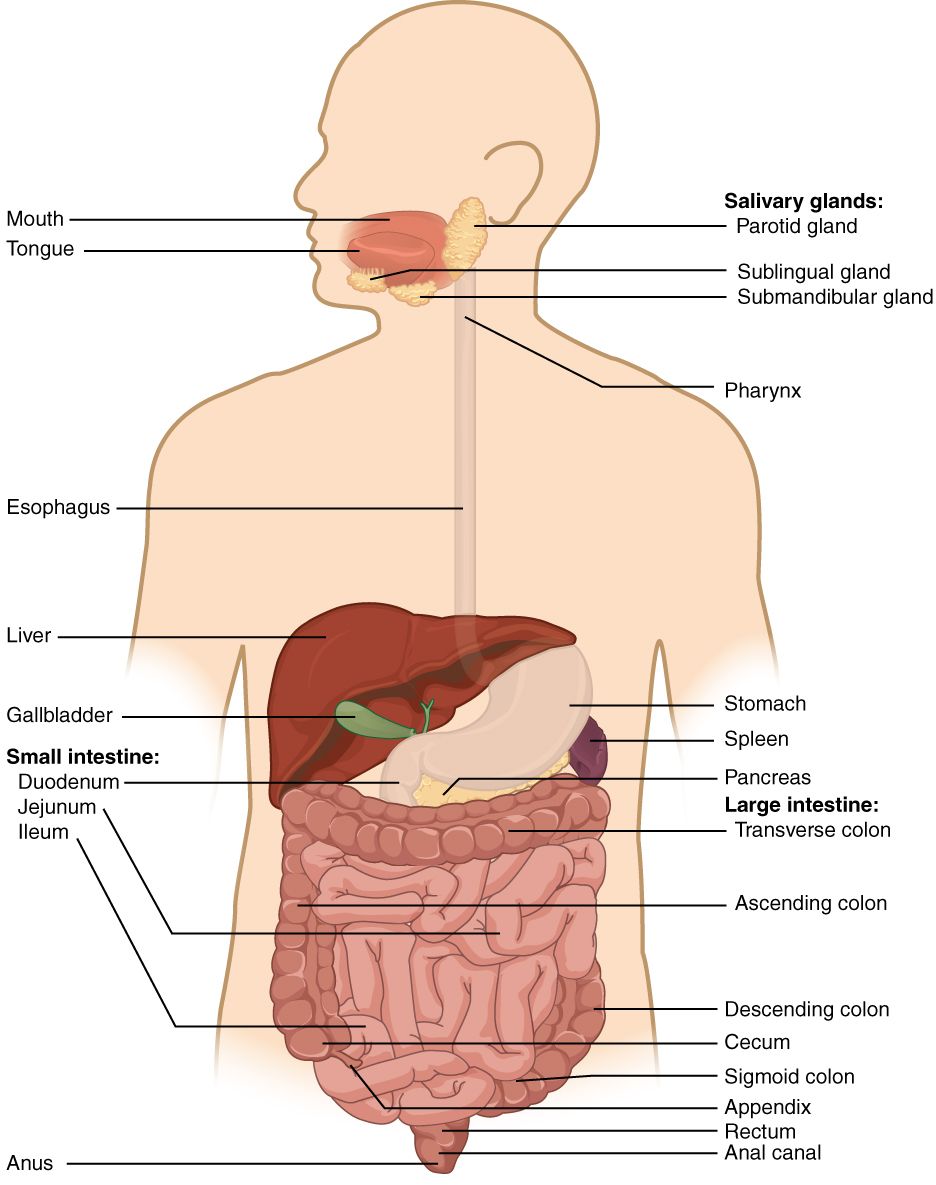
Nothing happens to protein in the mouth beyond chewing. Saliva contains enzymes for starch and fat, but none for protein, so chewing contributes only mechanical breakdown and surface area. The chemistry begins in the stomach, and it begins with acid.
Parietal cells in the gastric lining secrete hydrochloric acid, dropping stomach contents to roughly pH 1.5–3.5. That acid does two jobs at once. It denatures the incoming proteins, unfolding them so their interior bonds become reachable. And it converts pepsinogen — an inactive precursor released by chief cells — into the active enzyme pepsin. Pepsin then clips the long chains at specific interior points, producing shorter polypeptides. Pepsin is unusual among enzymes in preferring a strongly acidic environment; it is the only major digestive protease that works well at gastric pH.
The small intestine finishes the job
Acidic chyme entering the duodenum triggers two hormones. Secretin prompts the pancreas to release bicarbonate, neutralizing the acid so intestinal enzymes can work; cholecystokinin (CCK) prompts the pancreas to release its digestive enzymes. Those enzymes arrive as inactive zymogens — trypsinogen, chymotrypsinogen, procarboxypeptidase — because a pancreas that secreted active proteases would digest itself.
Activation happens on the intestinal wall. Enteropeptidase, an enzyme anchored in the brush border of the small intestine, converts trypsinogen into trypsin; trypsin then activates the remaining zymogens in a cascade. Trypsin, chymotrypsin, and elastase cut chains at interior bonds; carboxypeptidase nibbles amino acids off the carboxyl end. Finally, brush-border peptidases — aminopeptidases and dipeptidases embedded in the microvilli of the intestinal cells — reduce what is left to free amino acids and short di- and tripeptides.
| Site | Secretion | Active enzyme | What it does to protein |
|---|---|---|---|
| Mouth | Saliva | — none for protein | Chewing only; increases surface area |
| Stomach | Hydrochloric acid | — | Denatures protein; activates pepsinogen |
| Stomach | Pepsinogen (chief cells) | Pepsin | Cuts interior bonds → shorter polypeptides |
| Pancreas | Trypsinogen | Trypsin (via enteropeptidase) | Cuts interior bonds; activates the other zymogens |
| Pancreas | Chymotrypsinogen, proelastase | Chymotrypsin, elastase | Further interior cuts → small peptides |
| Pancreas | Procarboxypeptidase | Carboxypeptidase | Removes amino acids from the carboxyl end |
| Small intestine | Brush-border enzymes | Aminopeptidase, dipeptidase | Final cuts → free amino acids, di- and tripeptides |
Absorption and the amino acid pool
Absorption is efficient. Free amino acids cross into the intestinal cell on sodium-dependent carriers, and di- and tripeptides cross on a separate hydrogen-ion-driven transporter, then are broken down to single amino acids inside the cell. Because several carriers exist and each handles a family of chemically similar amino acids, very large doses of a single amino acid can compete with its chemical relatives for transport — one of several reasons that isolated single-amino-acid supplements are approached cautiously. From the intestinal cell, amino acids enter the portal vein and travel to the liver, which decides what to keep, what to convert, and what to release into general circulation. Healthy adults absorb the great majority of the protein they eat; digestibility is typically above 90 percent for animal foods and refined soy products and somewhat lower for whole legumes and grains, where fiber and other plant compounds interfere.
What arrives is added to the amino acid pool, the body's circulating and intracellular supply. That pool is fed from two directions: from food, and from the continuous dismantling of the body's own proteins. This protein turnover is enormous — adults recycle on the order of 250–300 grams of protein daily, far more than anyone eats — and it means dietary protein tops up a system that is already vigorously reusing its own material.
- No protein digestion occurs in the mouth; stomach acid denatures protein and activates pepsin.
- Pancreatic proteases are secreted as zymogens; brush-border enteropeptidase activates trypsin, which activates the rest.
- Brush-border peptidases finish digestion; amino acids and small peptides are absorbed and carried by the portal vein to the liver.
- The amino acid pool is refilled by both diet and the constant turnover of the body's own proteins.
Section 4Functions of protein
Building, and rebuilding
The most familiar role of protein is structural. Collagen is the single most abundant protein in the human body: it forms the scaffolding of skin, bone matrix, tendon, ligament, cartilage, and the walls of blood vessels, and it is the framework on which a wound heals. Keratin makes hair and nails and toughens the outer skin. Elastin lets tissue recoil. Actin and myosin are the sliding filaments that produce every muscle contraction. None of this is built once and left alone — skin, gut lining, and blood cells are replaced continuously, and every replacement draws on the amino acid pool.
Growth raises the demand sharply. Infancy, childhood, adolescence, pregnancy, lactation, and recovery from surgery, burns, or serious infection all add new tissue or repair damaged tissue, and all require that more protein be retained than is lost. That balance is described by nitrogen balance: nitrogen in versus nitrogen out. Healthy adults sit at equilibrium. Growing children, pregnant women, and people recovering from injury are in positive balance. Prolonged inadequate intake, severe illness, burns, or immobility push a person into negative balance, where body protein is being lost faster than it is replaced.
Enzymes, hormones, and transport
Almost every chemical reaction in the body is run by a protein enzyme. Enzymes are catalysts: they speed reactions enormously without being consumed, and each one is shaped for its specific substrate. Pepsin, trypsin, lactase, and the enzymes of every metabolic pathway are proteins.
Many hormones are proteins or short peptides — insulin, glucagon, growth hormone, parathyroid hormone, and the appetite signals leptin and ghrelin among them. (Not all hormones are protein; the steroid hormones are built from cholesterol, and thyroid hormones from tyrosine plus iodine.)
Transport proteins move things that could not otherwise travel. Hemoglobin carries oxygen in red blood cells. Albumin ferries fatty acids, calcium, bilirubin, and many medications through the bloodstream. Transferrin carries iron, retinol-binding protein carries vitamin A, and lipoproteins carry fat and cholesterol through watery plasma. Embedded in every cell membrane are protein pumps and channels that move sodium, potassium, glucose, and amino acids across a barrier that would otherwise block them.
| Function | Example proteins | What it accomplishes |
|---|---|---|
| Structure | Collagen, keratin, elastin, actin, myosin | Skin, bone matrix, tendon, hair, muscle contraction, wound healing |
| Enzymes | Pepsin, trypsin, lactase, metabolic enzymes | Catalyze essentially every reaction in the body |
| Hormones | Insulin, glucagon, growth hormone, leptin | Chemical messengers that coordinate organs |
| Transport | Hemoglobin, albumin, transferrin, lipoproteins, membrane pumps | Move oxygen, iron, fats, vitamins, minerals, and drugs |
| Immunity | Antibodies (immunoglobulins), complement proteins | Recognize and neutralize specific foreign invaders |
| Fluid balance | Albumin and other plasma proteins | Hold water inside blood vessels by osmotic pull |
| Acid–base balance | Hemoglobin, plasma proteins | Buffer excess acid or base to hold blood pH near 7.4 |
| Clotting | Fibrinogen → fibrin | Form the mesh that seals a damaged vessel |
| Energy | Any protein, when needed | 4 kcal/g — used when intake is inadequate or demand is extreme |
Immunity, fluid balance, and the acid–base buffer
Antibodies are proteins, and each is shaped to bind one specific antigen. Producing them costs amino acids, which is part of why severe protein–energy undernutrition weakens immune defense and slows recovery from infection.
Fluid balance is a less obvious but clinically important job. Plasma proteins, especially albumin, are too large to slip out of capillaries. Staying inside, they exert an osmotic pull that keeps water in the bloodstream. When plasma protein falls very low — in severe undernutrition, advanced liver disease, or protein-losing kidney disease — that pull weakens, fluid can leak into surrounding tissue, and visible swelling called edema appears. It is worth being careful about how far to push this explanation. It accounts well for the edema of advanced liver disease and protein-losing kidney disease. In severe childhood undernutrition it is only part of the story — the swollen belly and puffy limbs of a profoundly malnourished child were long explained by low albumin alone, and that account is now considered incomplete (see Section 5). What is not in doubt is the observation itself: the swelling is fluid, not tissue, so a child can look filled out and be severely malnourished at the same time.
Proteins also act as buffers. Their side chains can accept or release hydrogen ions, soaking up excess acid or base and helping hold arterial blood pH in its narrow survivable range near 7.4. And when carbohydrate and fat intake is insufficient, protein can be sacrificed for energy — deaminated, with the nitrogen excreted as urea and the carbon skeleton burned or converted to glucose. Adequate carbohydrate intake is described as protein-sparing precisely because it prevents that sacrifice.
- Protein builds and repairs tissue: collagen is the body's most abundant protein.
- Nitrogen balance is positive in growth, pregnancy, and recovery; negative in severe illness, injury, or inadequate intake.
- Proteins serve as enzymes, many hormones, transporters, antibodies, buffers, and clotting factors.
- Albumin holds fluid inside blood vessels; when plasma protein falls very low, edema can result — though in childhood undernutrition it is not the whole explanation.
Section 5Protein in the diet
Judging protein quality
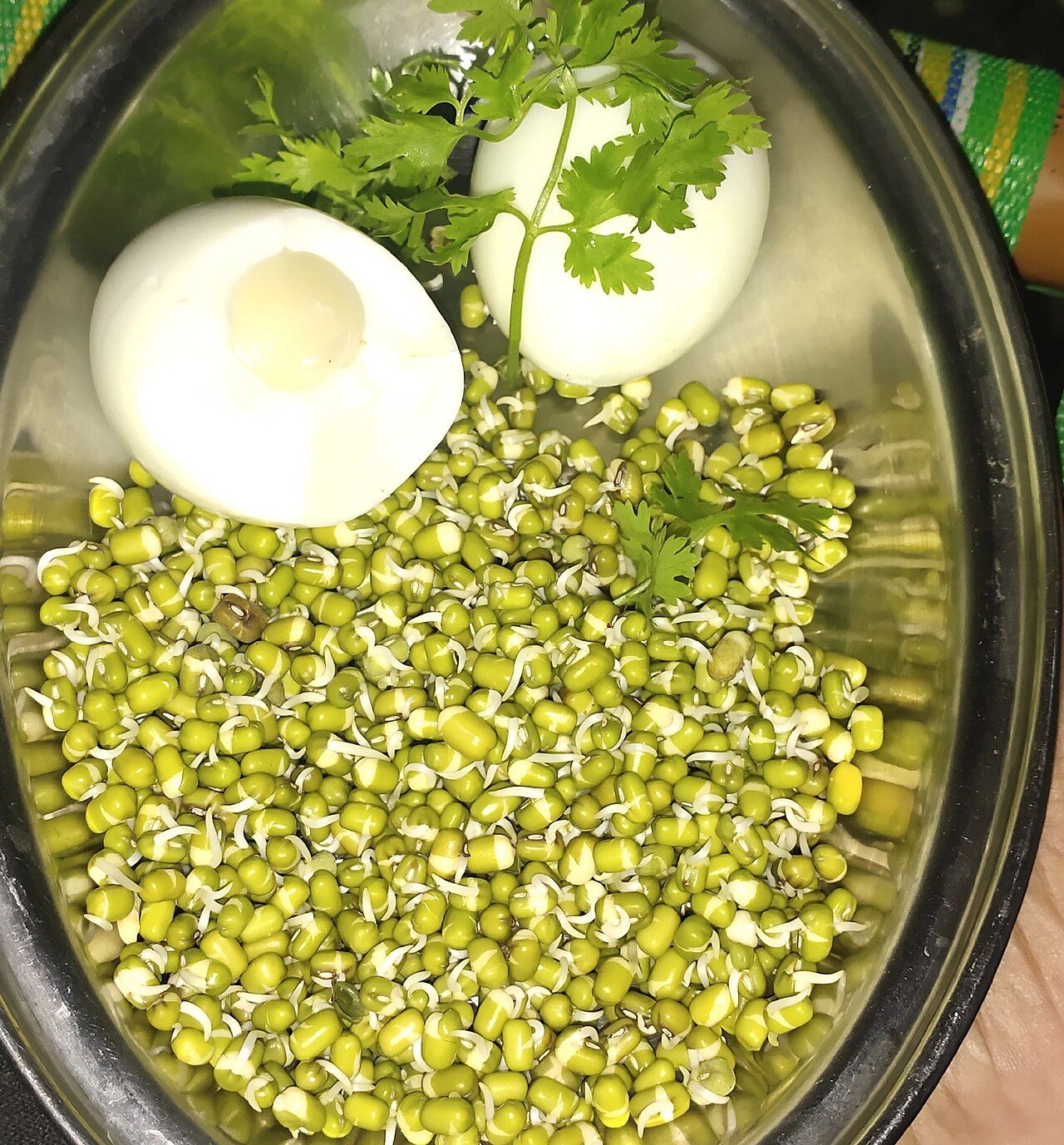
Protein quality describes how well a food's amino acid pattern matches human needs, combined with how well that protein is digested. A protein supplying all nine indispensable amino acids in adequate proportions is called complete, or high quality: eggs, dairy, meat, poultry, fish, and among plants, soy and quinoa. Most single plant proteins are incomplete — a term that needs care, because it almost never means an amino acid is absent. It means one or more indispensable amino acids are present in too small a proportion relative to human need. The one in shortest supply is called the limiting amino acid, because protein synthesis can proceed only as far as the scarcest part allows. Grains tend to be limited in lysine; legumes tend to be limited in methionine.
Scoring systems formalize this. The PDCAAS (Protein Digestibility-Corrected Amino Acid Score) compares a food's indispensable amino acid pattern to a reference pattern and corrects for digestibility, capped at 1.00 — egg, milk, whey, casein, and soy protein isolate all reach the cap. The FAO has recommended replacing it with DIAAS (Digestible Indispensable Amino Acid Score), which measures digestibility at the end of the small intestine rather than in the stool and is not capped, so it distinguishes among the high scorers more finely. These are useful research and formulation tools; for a person eating a varied diet with enough total protein, the scores rarely change what they should do.
Complementary proteins are two incomplete proteins whose gaps cover each other — classically legumes with grains. Beans and rice, lentils and flatbread, hummus and pita, peanut butter on bread: each pairing supplies what the other lacks. This is the culinary logic of a great many traditional cuisines, arrived at long before anyone measured an amino acid.
How much is enough — and what about more?
The RDA for protein in healthy adults age 19 and older is 0.8 grams per kilogram of body weight per day, and it is the same figure for men and women. In the DRI reference tables that works out to about 56 g/day for a 70-kg man and 46 g/day for a 57-kg woman, but the per-kilogram figure is the one to remember, since it adapts to the actual person. This RDA is set to meet the needs of nearly all healthy adults; the median requirement (the EAR) is lower, at 0.66 g/kg/day. Needs are expressed differently across life stages, and pregnancy and lactation raise them substantially.
| Life stage | Protein DRI | Approximate g/day |
|---|---|---|
| Infants 0–6 mo | Adequate Intake (no RDA set) | ~9.1 g/day |
| Infants 7–12 mo | RDA 1.2 g/kg/day | ~11 g/day |
| Children 1–3 y | RDA 1.05 g/kg/day | ~13 g/day |
| Children 4–8 y | RDA 0.95 g/kg/day | ~19 g/day |
| Ages 9–13 y | RDA 0.95 g/kg/day | ~34 g/day |
| Ages 14–18 y | RDA 0.85 g/kg/day | ~52 g (male), ~46 g (female) |
| Adults 19+ y, both sexes | RDA 0.8 g/kg/day | ~56 g (male), ~46 g (female) at reference weights |
| Pregnancy & lactation | RDA 1.1 g/kg/day | ~71 g/day |
Two more numbers matter. The AMDR — the Acceptable Macronutrient Distribution Range — places protein at 10–35 percent of total calories for adults, 10–30 percent for children and adolescents 4–18 years, and 5–20 percent for children 1–3 years. And there is no Tolerable Upper Intake Level for protein, not because any amount is known to be safe but because the data were judged insufficient to set one.
Certain groups are studied as needing more than the RDA. Joint position statements from sports nutrition and dietetics organizations describe intakes of roughly 1.2–2.0 g/kg/day for athletes in heavy training, and several expert panels have proposed roughly 1.0–1.2 g/kg/day for adults over about 65 to help offset age-related loss of muscle mass. Both figures come from expert consensus and mostly short-term trials rather than from the DRI process, so treat them as reasonable professional guidance rather than as established requirements. In the United States and most high-income countries, average protein intake already comfortably exceeds the RDA, and outright protein deficiency in an otherwise well-fed adult is uncommon.
What about excess? Several old concerns have not held up well. The idea that high protein intake damages healthy kidneys is not supported by the available evidence in people with normal kidney function — though that evidence is mostly short- and medium-term trials plus observational cohorts, so it is better read as an absence of demonstrated harm than as proof of long-term safety at any intake. Protein restriction in established kidney disease is a separate, clinician-managed matter and not a general recommendation. The concern that high protein leaches calcium from bone has likewise weakened; current evidence suggests protein is neutral or modestly favorable for bone when calcium intake is adequate. What remains reasonable to say is more modest: extremely high protein intakes displace other foods and their nutrients, they are not known to confer added benefit once needs are met, and the International Agency for Research on Cancer has classified processed meat as carcinogenic to humans and red meat as probably carcinogenic, based mainly on colorectal cancer. Those two labels are not the same strength of claim: the processed-meat classification rests on evidence the agency judged sufficient, while the red-meat one rests on evidence it judged limited. Both come from observational studies, the absolute risk attached to a serving is small, and neither says anything about protein itself — the suspicion falls on processing, preservatives, and cooking chemistry, not on the amino acids. Protein deficiency at the severe end is a different matter entirely: marasmus is severe wasting from inadequate energy and protein together, while kwashiorkor presents with edema, an enlarged fatty liver, and skin and hair changes. Kwashiorkor was long attributed to protein deficiency with adequate energy, but that explanation is now considered incomplete — oxidative stress, aflatoxin exposure, and gut microbiome differences are all under investigation, and the mechanism should be described as unresolved.
Vegetarian and vegan patterns
Well-planned vegetarian and vegan diets are recognized by major dietetics organizations as nutritionally adequate and appropriate at all stages of life, including pregnancy, lactation, infancy, childhood, and athletic training. Meeting protein needs without animal foods is straightforward when total energy intake is adequate and the diet includes legumes, soy foods, whole grains, nuts, and seeds — and soy in particular is a complete, highly digestible protein. Because plant proteins are somewhat less digestible and some are limited in lysine or methionine, some authorities suggest vegans aim modestly above 0.8 g/kg/day; the size of that adjustment is debated and the evidence is not strong enough to specify a single number.
The nutrients that actually require planning on a plant-based pattern are mostly not protein. Vitamin B12 is the firm one: it is not reliably available from unfortified plant foods, and vegans need fortified foods or a supplement — this is well established, not preliminary. Iron from plants is non-heme and less well absorbed, though vitamin C eaten at the same meal improves uptake; zinc, calcium, iodine, vitamin D, and the long-chain omega-3 fats EPA and DHA also deserve attention. These are planning items, not arguments against the pattern.
| Food | Typical portion | Protein (approx.) |
|---|---|---|
| Cooked chicken, beef, or fish | 3 oz (85 g) | 21–26 g |
| Greek yogurt, plain | 6 oz (170 g) | 15–18 g |
| Cooked lentils | 1 cup | ~18 g |
| Cooked black beans or chickpeas | 1 cup | 14–15 g |
| Firm tofu | 1/2 cup | ~10 g |
| Milk or fortified soy milk | 1 cup | ~8 g |
| Cooked quinoa | 1 cup | ~8 g |
| Peanut butter | 2 tbsp | ~7 g |
| Large egg | 1 | ~6 g |
| Cooked rice or pasta | 1 cup | 4–8 g |
A last practical note on supplements. Protein powders — whey, casein, soy, pea — are food, not medicine, and they are neither necessary nor harmful for most people. They are convenient. They are not superior to the same protein from a meal, and buying them is a budget decision more than a physiological one. As with all of this chapter, the material here is general education about how protein works, not individualized dietary or medical advice; questions about a specific person's needs, a kidney or liver condition, PKU, food allergy, or celiac disease belong with that person's own clinician or registered dietitian.
- Complete proteins supply all nine indispensable amino acids; the scarcest one in a food is the limiting amino acid.
- Complementary proteins (legumes plus grains) cover each other's gaps — and need not be eaten in the same meal.
- Adult RDA is 0.8 g/kg/day (age 19+, both sexes); pregnancy and lactation raise it to 1.1 g/kg/day; the AMDR is 10–35% of calories with no UL.
- Well-planned vegetarian and vegan diets meet protein needs; vitamin B12 supplementation is the firm requirement for vegans.
The chapter in one breath
- An amino acid is an alpha carbon plus an amino group, a carboxyl group, a hydrogen, and a variable side chain — and the side chain determines everything downstream.
- Nine of the twenty amino acids are indispensable; several more become conditionally indispensable during illness, growth, or inherited disorders.
- Sequence (primary structure) dictates fold, and fold dictates function; denaturation destroys the fold but leaves peptide bonds intact.
- Digestion starts with stomach acid and pepsin, is completed by pancreatic zymogens activated via enteropeptidase and by brush-border peptidases, and delivers amino acids to the liver by the portal vein.
- Protein serves as structure, enzymes, hormones, transport, antibodies, buffers, clotting factors, and — reluctantly — fuel at 4 kcal/g.
- Albumin holds fluid in the bloodstream; when plasma protein falls very low, edema can appear.
- Protein quality reflects amino acid pattern plus digestibility; complementary plant proteins work across the whole day, not just within one meal.
- The adult RDA is 0.8 g/kg/day (19+, both sexes), rising to 1.1 g/kg/day in pregnancy and lactation, with an AMDR of 10–35% of calories and no upper limit set.
ReferenceWords worth knowing
A quick reference for the terms in this chapter — skim it now, or circle back whenever a word trips you up.
- Amino acid
- The building block of protein: a central carbon bonded to an amino group, a carboxyl group, a hydrogen, and a variable side chain.
- Amino acid pool
- The body's circulating and intracellular supply of free amino acids, refilled from both food and the breakdown of body proteins.
- Complementary proteins
- Two incomplete proteins whose limiting amino acids differ, so that together they supply the full pattern — classically legumes with grains.
- Complete (high-quality) protein
- A protein supplying all nine indispensable amino acids in adequate proportions; includes eggs, dairy, meat, fish, soy, and quinoa.
- Conditionally indispensable amino acid
- An amino acid the body normally synthesizes but cannot make in sufficient quantity during illness, injury, prematurity, or certain inherited disorders.
- Denaturation
- Loss of a protein's three-dimensional shape from heat, acid, alkali, agitation, or alcohol; peptide bonds and sequence remain intact.
- Digestible Indispensable Amino Acid Score (DIAAS)
- A protein quality measure using digestibility at the end of the small intestine; recommended by the FAO to succeed PDCAAS and not capped at 1.00.
- Dispensable (nonessential) amino acid
- An amino acid the body can synthesize in adequate amounts, so it carries no dietary requirement.
- Edema
- Visible swelling from fluid accumulating in tissue; one cause is a fall in plasma proteins such as albumin.
- Enteropeptidase
- A brush-border enzyme of the small intestine that converts trypsinogen to trypsin, triggering the pancreatic protease cascade.
- Indispensable (essential) amino acid
- One of the nine amino acids the body cannot synthesize and must obtain from food.
- Kwashiorkor
- A form of severe acute malnutrition marked by edema, fatty liver, and skin and hair changes; historically attributed to protein deficiency, though the mechanism is now considered unresolved.
- Limiting amino acid
- The indispensable amino acid present in shortest supply relative to need, which caps how much protein synthesis can proceed.
- Marasmus
- Severe acute malnutrition from prolonged deficiency of both energy and protein, marked by extreme wasting.
- Nitrogen balance
- The comparison of nitrogen consumed with nitrogen excreted; positive in growth and recovery, negative in illness or inadequate intake.
- Pepsin
- The stomach's protein-digesting enzyme, formed from pepsinogen by hydrochloric acid and active only at low pH.
- Peptide bond
- The covalent bond joining the carboxyl group of one amino acid to the amino group of the next, formed with the loss of water.
- Primary structure
- The linear sequence of amino acids in a polypeptide, specified by a gene.
- Protein Digestibility-Corrected Amino Acid Score (PDCAAS)
- A protein quality measure comparing a food's amino acid pattern to a reference and correcting for digestibility, capped at 1.00.
- Protein turnover
- The continuous breakdown and resynthesis of body proteins, amounting to roughly 250–300 grams per day in adults.
- Quaternary structure
- The assembly of two or more folded polypeptide chains into one functional protein, as in hemoglobin's four subunits.
- Zymogen (proenzyme)
- An inactive enzyme precursor, such as trypsinogen, activated only after it reaches its site of action.