Infectious Diseases by Body System
Microbes do not care how a book is arranged. They land on a real body and cause trouble in one place. So this chapter sorts them by the place they strike. The skin. The lungs. The gut. The urinary and sex organs. The blood and the brain. For each region you get the usual causes. You get what the illness looks like. You get the route it travels, and the steps that block that route. Think of it as a field guide to where infection shows up.
By the end of this chapter you can
- Name the common skin and wound infections. They are impetigo, cellulitis, and MRSA. Say which signs point to each.
- Tell the main respiratory infections apart. They are pneumonia, tuberculosis, influenza, and strep throat. Name the isolation each one needs.
- Explain how gut microbes cause illness by infection or by toxin. Say why C. difficile and norovirus need soap and water.
- Describe the causes and signs of urinary tract infections and the common sexually spread infections.
- Spot the warning signs of bacteremia, sepsis, and meningitis. Say how fast each one must be treated.
- Match each infection to its usual organism and its route of spread.
- Link small steps at the bedside to fewer infections. Clean hands. Good device care. Early notice.
Section 1Skin & wound infections
The skin is a wall until it breaks
Healthy skin is one of the best shields the body owns. It is dry. It is a little acidic. It sheds its outer cells all day long. Most microbes simply cannot get through it. So skin and soft tissue infections almost always start where that shield is broken. A scratch. An insect bite. A surgical cut. A pressure injury. An IV site. The cracked skin of eczema.
Two organisms show up again and again once microbes slip past the surface. The first is Staphylococcus aureus. The second is Streptococcus pyogenes, better known as group A strep. Where each one lives is not the same, and that gap matters. S. aureus is a true resident. It lives in the front of the nose in about 30% of adults. It likes moist skin folds too. That is why the nose is cleared with mupirocin before some surgery. S. pyogenes is not normal skin or nose flora. It rides quietly in the throat of roughly 5 to 15% of children. On skin it only passes through.
Depth decides what you see
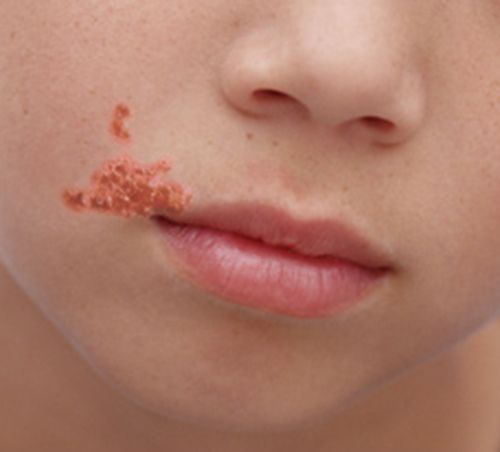
How the infection looks depends mostly on how deep it reaches. Impetigo sits in the outermost skin. It is common in children. Thin blisters break and dry into a golden, honey-colored crust. Cellulitis goes deeper. It takes in the dermis and the fat below it. The skin turns warm, red, puffy, and sore. The edges are fuzzy and hard to trace. A leg is the usual site. Erysipelas is a brighter form in the upper dermis. It is raised, and its border is sharp. Group A strep is the classic cause. Necrotizing fasciitis is the deepest and the worst. It runs along the sheets of tissue under the fat. The pain is far worse than the skin looks. This one needs surgery, not just a drug.
MRSA and the infected wound
MRSA is short for methicillin-resistant Staphylococcus aureus. It is ordinary staph that picked up a gene named mecA. That gene builds a changed wall-building protein called PBP2a. Beta-lactam drugs cannot grip it. The name hides how wide the problem runs. MRSA shrugs off every beta-lactam. Plain penicillins. The anti-staph penicillins, which are nafcillin and oxacillin. Cephalosporins such as cefazolin and ceftriaxone. The carbapenems. Only the newer anti-MRSA cephalosporins, such as ceftaroline, still land a blow.
So the choice moves to other drugs. Vancomycin. Linezolid. Daptomycin. A simple skin infection may get TMP-SMX, doxycycline, or clindamycin instead. MRSA is a top cause of skin abscesses. People often report a spider bite they never saw a spider make. It is also a well-known cause of trouble in surgical wounds and around devices. MRSA moves by contact. Hands. Shared equipment. Dirty surfaces. So a case that is colonized or infected goes on contact precautions, which means a gown and gloves. Clean hands between one person and the next is not optional.
A wound infection shows the plain signs of heat and swelling. Redness that grows. Warmth. Puffiness. Pain. Thick pus draining out. Sometimes a spreading red border, a bad smell, or a fever. The key skill here is telling colonization from infection. Swab almost any open wound and it will grow bacteria. Only a wound with signs of invaded tissue needs a drug. A calm-looking long-term wound with a positive culture and no swelling is usually just colonized. Treating that one does more harm than good.
| Infection | Depth | Usual cause | Hallmark finding |
|---|---|---|---|
| Impetigo | Superficial epidermis | S. aureus, group A strep | Honey-colored crust |
| Erysipelas | Upper dermis | Group A strep | Bright, raised, sharply bordered |
| Cellulitis | Dermis & subcutaneous fat | S. aureus, strep | Warm, red, tender, ill-defined edges |
| Abscess / MRSA | Localized pus pocket | MRSA, S. aureus | Fluctuant lump; may need drainage |
| Necrotizing fasciitis | Fascia (surgical emergency) | Group A strep, mixed flora | Pain out of proportion, rapid spread |
- Skin infections start where the shield is broken. S. aureus and group A strep are the usual causes.
- Depth drives the picture. Impetigo is shallow. Cellulitis reaches the dermis. Necrotizing fasciitis is a surgical emergency.
- MRSA resists the whole penicillin family, moves by contact, and calls for contact precautions.
- A wound with growing redness, warmth, pain, and pus is infected. A positive swab with none of those signs is usually just colonized.
Section 2Respiratory infections
Upper tract, lower tract
The airway splits in two. The upper tract is the nose, the sinuses, the throat, and the larynx. The lower tract is the trachea, the bronchi, and the air sacs of the lungs, called alveoli. The split matters because lower-tract infections tend to be worse. Upper-tract infections are mostly mild and viral. The common cold. Most sore throats. Sinus infections. They clear on their own.
One big exception stands out. Strep throat, also called streptococcal pharyngitis, comes from group A strep. It brings a sudden, painful sore throat, a fever, and swollen tonsils. What it does not bring is the cough and runny nose of a cold. That gap is the clue. It matters because untreated group A strep can lead to rheumatic fever. So it is one of the few sore throats worth a culture and a course of antibiotics.
The lungs are meant to be nearly sterile. Three guards keep them that way. A blanket of mucus. Cilia that sweep it along. The cough reflex. Those guards can fail. A breathing tube, deep sedation, weakness, or breathing in stomach contents will do it. Then organisms reach the alveoli and cause pneumonia. Pneumonia is sorted by where it was caught. Community-acquired pneumonia, or CAP, comes most often from Streptococcus pneumoniae. Hospital-acquired and ventilator-associated pneumonia, or VAP, bring tougher, more resistant organisms. Aspiration pneumonia follows mouth or stomach contents breathed in, which happens when swallowing is weak or the gag reflex is dulled.
Tuberculosis and influenza
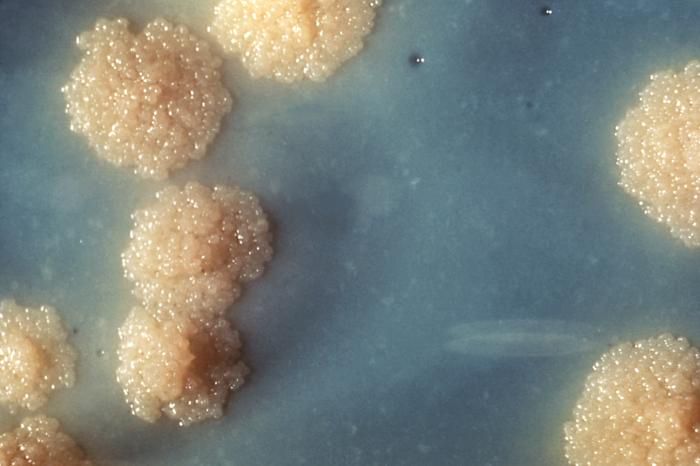
Tuberculosis, or TB, is the one whose precautions must never be wrong. It comes from Mycobacterium tuberculosis, a slow-growing acid-fast rod. TB spreads on tiny airborne droplet nuclei that hang in the air for hours. So a suspected case goes into a negative-pressure airborne isolation room. Staff wear a fitted N95 respirator. A surgical mask is not enough. Active TB brings a long wet cough, sometimes with blood, plus night sweats, fever, and weight loss. Treatment runs for months on several drugs at once. The hard part is sticking with it. Stopping early is exactly how drug-resistant TB is bred.
Influenza is a viral infection of both the upper airway and the lungs. It comes on fast, with fever, body aches, headache, and a dry cough. It travels on droplets, the heavy kind that fall within a few feet. So a case of flu goes on droplet precautions, which means a surgical mask up close. Because flu is a virus, antibiotics do nothing at all. Antiviral drugs help only when started early. The strongest move against flu comes before the season starts, and that is vaccination.
| Infection | Typical cause | Transmission | Precaution |
|---|---|---|---|
| Strep throat | Group A strep (bacterial) | Droplet/contact | Droplet for infants and young children until 24 h of effective antibiotics; standard thereafter and in adults |
| Community pneumonia | Streptococcus pneumoniae | Droplet | Standard/droplet |
| Influenza | Influenza virus | Droplet | Droplet (surgical mask) |
| Tuberculosis | Mycobacterium tuberculosis | Airborne | Airborne (N95 + negative pressure) |
- Upper-tract infections are mostly viral. Strep throat is the bacterial one worth treating.
- Pneumonia is grouped by where it was caught. Community, hospital or ventilator, or aspiration. That predicts the likely organism.
- TB is airborne. It needs a negative-pressure room and an N95. Its long course makes sticking with the drugs the main task.
- Influenza is viral and travels on droplets. A shot and a surgical mask matter more than antibiotics.
Section 3Gastrointestinal infections
Two ways the gut gets sick
Gut microbes nearly all share one road in. It is the fecal-oral route. Microbes, or the toxins they make, leave one gut in stool and reach a new mouth. They ride on food, on water, or on hands. But they make you sick in two very different ways.
In a true infection, you swallow the organism. It settles in the gut and then invades or irritates the lining. Signs take a day or more to show, because the microbe has to multiply first. In an intoxication, the microbe already grew in the food and left a toxin behind. You swallow the toxin itself, ready-made. So signs hit fast, often within hours. The sudden vomiting of Staphylococcus aureus food poisoning is the classic case.
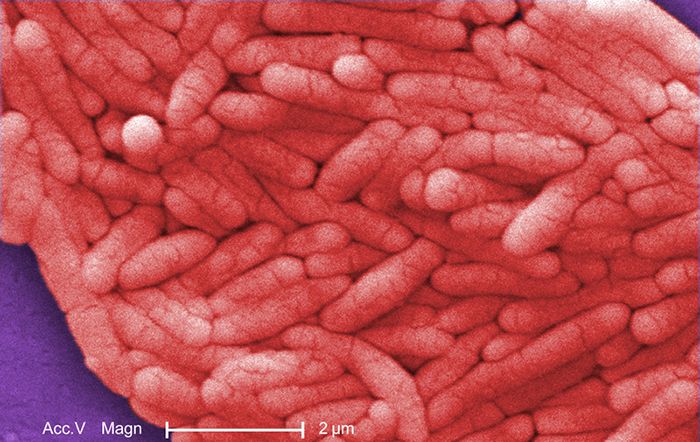
Foodborne illness is the umbrella name for all of this. The usual culprits are Salmonella, Campylobacter, Shiga-toxin-producing E. coli, and Norovirus. Their pictures overlap. Nausea. Vomiting. Crampy belly pain. Diarrhea that may be watery or bloody. For most healthy adults it clears on its own, and the treatment is fluids, not antibiotics. The sharp eye goes to those at risk. Infants. Older adults. Anyone with a weak immune system. They can dry out dangerously fast.
Bloody diarrhea is its own warning. It can point to the Shiga-toxin-producing strain of E. coli, which harms the kidneys. That organism needs a clear caution. It never invades the blood. It grips the lining of the colon and lets out a toxin, and the toxin is what gets absorbed. Antibiotics and antidiarrheal drugs are off the table in a suspected case. Both raise toxin release and the risk of hemolytic uremic syndrome. Watch urine output, creatinine, platelets, and hemoglobin.
The two that spread on the unit
Clostridioides difficile, or C. diff, is the infection that antibiotics help create. A broad-spectrum antibiotic flattens the normal gut flora. This spore-forming organism then blooms. The result is severe, foul-smelling, watery diarrhea and an inflamed colon. Two facts shape every step around it. First, C. diff makes spores, and alcohol hand rub does not kill them, so hands must be washed with soap and water. Second, the room needs a bleach-based cleaner, the kind that kills spores. Cases go on contact precautions. New diarrhea in anyone taking antibiotics should raise the question right away.
Norovirus is the explosive, wildly catching cause of what people call stomach flu. It shuts down cruise ships, care homes, and hospital wards. It takes only a handful of virus particles to infect someone. It travels by the fecal-oral route and on the mist from vomit. Like C. diff spores, it stands up to alcohol gel. So again the answer is soap and water for hands and bleach for surfaces. Sudden vomiting and watery diarrhea sweeping through a group of people points straight at norovirus.
| Cause | Mechanism | Onset | Key point |
|---|---|---|---|
| Salmonella/Campylobacter | Infection (invasion) | 1–3 days | Replace fluids; usually no antibiotics |
| S. aureus food poisoning | Pre-formed toxin | Hours | Fast onset, short course |
| Shiga-toxin E. coli | Non-invasive adherence + Shiga toxin | 2–4 days | Bloody diarrhea; do not give antibiotics or antimotility drugs — they raise the risk of hemolytic uremic syndrome; monitor urine output, creatinine, platelets, hemoglobin |
| C. difficile | Overgrowth after antibiotics | Days–weeks | Soap & water; contact precautions |
| Norovirus | Infection (very low dose) | 12–48 hours | Soap & water; extremely contagious |
- Gut microbes spread by the fecal-oral route. They act by infection, which is slow to start, or by ready-made toxin, which is fast.
- Most foodborne illness clears on its own. The mainstay is fluids. The danger is drying out in the very young, the old, and the immune-weak.
- C. difficile follows antibiotic use, makes spores, and needs soap-and-water hands plus contact precautions.
- Norovirus is wildly catching and stands up to alcohol gel. It calls for the same soap and water, plus bleach on surfaces.
Section 4Urogenital infections & STIs
Urinary tract infections
The urinary tract infection, or UTI, is one of the most common infections there is. It is usually an inside job. The culprit is most often a person's own Escherichia coli. It sits harmlessly in the colon. Then it climbs the short gap up the urethra into the bladder. Anatomy explains why women get far more UTIs than men. The urethra is shorter and it sits closer to the anus.
A lower UTI is called cystitis, which means a bladder infection. It brings dysuria, the burning that comes with passing urine. It also brings a need to go often and go now, plus urine that looks cloudy or smells bad. If the infection climbs on up to the kidneys, it is called pyelonephritis. Now the whole body is ill. Fever. Chills. Pain in the flank, which is the back over the kidney.
One version deserves its own name. A catheter-associated UTI, or CAUTI, follows an indwelling urinary catheter. The tube is a highway. It lets bacteria skip every normal defense and ride straight to the bladder. The risk climbs with every day the catheter stays in. The best prevention is also the simplest. Do not place a catheter unless it is truly needed, and pull it the moment it is not. One more point is easy to miss. A positive urine culture with no symptoms is called asymptomatic bacteriuria, and it is usually not treated. Treating it breeds resistance and helps no one.
Sexually transmitted infections
Sexually transmitted infections, or STIs, pass through sexual contact. Some are bacterial, and antibiotics cure them. Others are viral, and we manage them without clearing them out. Two things make STIs their own kind of problem. Many are silent, so people pass them on without knowing. And all of them carry shame, so a calm, non-judging history and real privacy are part of the care itself.
Chlamydia comes from Chlamydia trachomatis. It is the most reported bacterial STI, and it is often silent, above all in women. Left alone it can scar the fallopian tubes and lead to infertility. Gonorrhea comes from Neisseria gonorrhoeae, and it often travels along with chlamydia. Syphilis comes from Treponema pallidum, a corkscrew-shaped spirochete. Untreated, it moves through stages. It opens with a sore that does not hurt.
The viral STIs behave in their own ways, and not all alike. Genital herpes, from herpes simplex virus, stays for life and flares into crops of painful blisters. Human papillomavirus, or HPV, causes genital warts. Its high-risk types cause cervical cancer and some other cancers. That is exactly why the HPV shot counts as cancer prevention. HPV is not lifelong for most people. Roughly 90% of infections are cleared or held down within about two years. The cancer risk sits with lasting infection by a high-risk type, above all 16 and 18. That is worth saying out loud after an odd Pap or HPV result. HIV is different again. It attacks the immune system itself. Across all of them the same three moves apply. Push screening, since many are silent. Treat partners, or the infection just bounces back. And teach prevention without shame.
| Infection | Organism | Type | Care note |
|---|---|---|---|
| Chlamydia | Chlamydia trachomatis | Bacterial (curable) | Often silent; screen & treat partners |
| Gonorrhea | Neisseria gonorrhoeae | Bacterial (curable) | Rising drug resistance |
| Syphilis | Treponema pallidum | Bacterial (curable) | Painless sore; stages if untreated |
| Genital herpes | Herpes simplex virus | Viral (lifelong) | Recurrent painful blisters |
| HPV | Human papillomavirus | Viral (usually clears in 1–2 years) | Warts; persistent high-risk types drive cancer; vaccine prevents |
- Most UTIs come from a person's own E. coli. Cystitis burns and brings urgency. Pyelonephritis adds fever and flank pain.
- CAUTI risk climbs with catheter days. The top prevention is avoiding catheters and pulling them early.
- A positive culture with no symptoms is usually not treated. Treating it breeds resistance for no gain.
- Many STIs are silent. Care rests on calm screening, partner treatment, and prevention, including the HPV shot.
Section 5Bloodstream & CNS infections
From bacteremia to sepsis
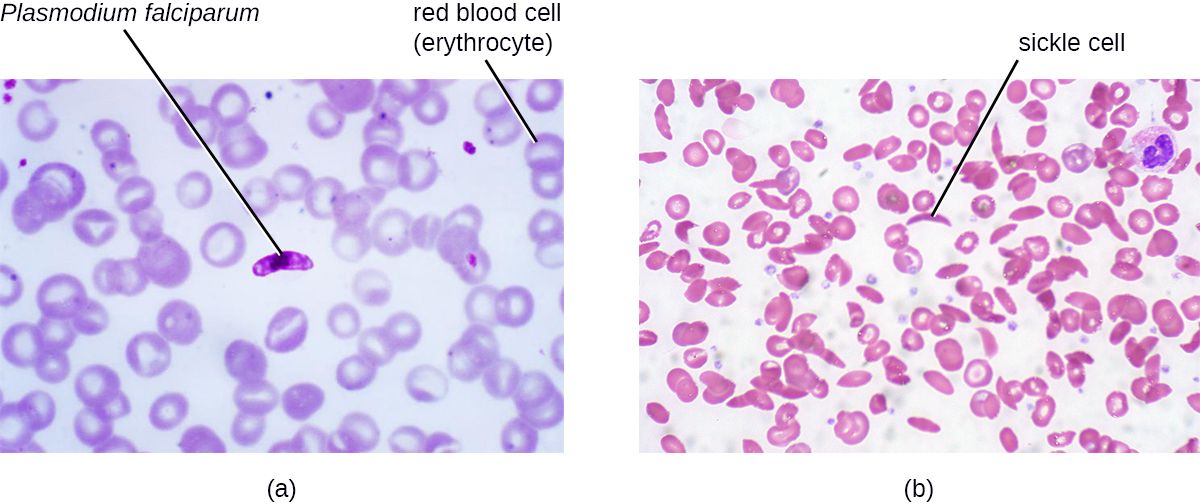
Blood is meant to be sterile. So finding microbes in it always means something. Bacteremia just means bacteria are in the blood. Sometimes it passes in minutes and does no harm, and brushing your teeth can do it. Other times it is the start of a disaster. The danger is sepsis. Sepsis is not the infection itself. It is the body's own answer to it, running wild and out of control. Inflammation spreads everywhere. Vessels leak and widen. Blood pressure drops. Organs stop getting the blood they need.
Left alone it moves on to septic shock, which is blood pressure so low that fluids will not bring it back. After that comes failure of several organs at once. Common starting points are pneumonia, UTIs, and infections inside the belly. For anyone in a hospital bed, add an infected central line, which is called a CLABSI.
Catching sepsis early is one of the highest-value skills around a bed, because survival is counted in hours. The picture is a person who looks and acts wrong on top of an infection. A fever, or a temperature oddly low. A fast heart rate. Fast breathing. And often the first and most telling sign of all: new confusion, or any change in how alert they are. Falling blood pressure, less urine, and blotchy skin say shock is setting in. Once sepsis is spotted, care moves fast along a set bundle. Draw blood cultures. Give broad-spectrum antibiotics quickly. Run fluids to get blood moving again.
Meningitis
Meningitis is inflammation of the meninges, the thin covers wrapped around the brain and the spinal cord. Bacterial meningitis is one of the true emergencies in this book. It can kill a healthy young person inside a day. The classic three signs are fever, a severe headache, and a stiff neck. That last one has a name, nuchal rigidity. Often there is also photophobia, which means light hurts, plus vomiting and a fast slide in how alert the person is.
A spreading purple rash that does not fade under pressure points to the one most feared, Neisseria meningitidis. That organism rides respiratory droplets. It can sweep through groups who live close together, such as dorms and barracks. So a suspected case goes on droplet precautions, and close contacts may need antibiotics to keep them from falling ill.
The diagnosis rests on a lumbar puncture to draw a sample of spinal fluid. But the rule is speed, and antibiotics do not wait for the tap. Viral meningitis, also called aseptic meningitis, is far more common and usually much milder. It settles on its own. The task is to keep bacterial meningitis front of mind any time a fever meets a stiff neck and a change in how alert someone is. Moving slowly here costs lives and leaves lasting harm.
| Condition | What it is | Red-flag signs | Urgency |
|---|---|---|---|
| Bacteremia | Bacteria in the blood | May be silent or feverish | Investigate the source |
| Sepsis | Dysregulated response to infection | Confusion, fast HR/RR, low BP | Hours — cultures, antibiotics, fluids |
| Septic shock | Sepsis + fluid-resistant low BP | Mottled skin, low urine output | Critical |
| Bacterial meningitis | Infected meninges | Fever, stiff neck, headache, confusion | Emergency — droplet precautions |
- Bacteremia is bacteria in the blood. Sepsis is the body's own answer to infection running wild and doing harm.
- Septic shock is sepsis plus low blood pressure that fluids will not fix. Early notice and the bundle save lives.
- New confusion, a fast heart, fast breathing, and falling blood pressure are the signs to raise at once.
- Bacterial meningitis means fever plus a stiff neck plus headache plus confusion. It is an emergency, and meningococcal cases need droplet precautions.
The chapter in one breath
- Skin infections begin at a break in the shield. Depth predicts how bad it is, from impetigo up to necrotizing fasciitis, and MRSA drives contact precautions.
- Respiratory infections run from viral colds to pneumonia. The level of precaution is everything. TB is airborne, so N95 and negative pressure, while flu is droplet.
- Gut microbes spread fecal-orally, by infection or by ready-made toxin. C. difficile and norovirus stand up to alcohol gel and need soap and water.
- UTIs usually come from a person's own E. coli. CAUTI is prevented by pulling catheters early, and a positive culture with no symptoms is left alone.
- STIs are often silent. Care rests on calm screening, partner treatment, and vaccination against HPV.
- Sepsis is the body's own harmful answer to infection. New confusion, fast vitals, and low blood pressure call for quick cultures, antibiotics, and fluids.
- Bacterial meningitis brings fever, a stiff neck, headache, and confusion. It is a true emergency that needs treatment now and droplet precautions.
One thread runs through all five regions. Every organism in this chapter travels a route, and each route has a matching set of steps that block it. Get the route right and the steps follow. Get it wrong and the gown, the mask, or the gel does nothing. The model below lets you set up a room and find out.
ReferenceWords worth knowing
A quick list of the terms in this chapter. Skim it now, or circle back whenever a word trips you up.
- Bacteremia
- The presence of bacteria in the bloodstream, which is normally sterile.
- Catheter-associated urinary tract infection (CAUTI)
- A UTI that develops because an indwelling urinary catheter lets bacteria bypass normal defenses; risk rises with each catheter day.
- Cellulitis
- A spreading bacterial infection of the dermis and subcutaneous fat, marked by warmth, redness, swelling, and tenderness with ill-defined edges.
- Clostridioides difficile (C. diff)
- A spore-forming gut bacterium that overgrows after antibiotics wipe out normal flora, causing severe diarrhea and colitis.
- Cystitis
- Infection of the bladder (a lower UTI), causing dysuria, urgency, and frequency.
- Dysuria
- Pain or burning with urination, a hallmark symptom of a lower UTI.
- Empiric therapy
- Treatment started against the most likely organisms before culture results are back, based on the clinical picture.
- Enterotoxin
- A toxin that acts on the intestinal lining; when pre-formed in food it causes rapid-onset food poisoning.
- Impetigo
- A superficial skin infection, common in children, producing blisters that crust over with a honey-colored scab.
- Meningitis
- Inflammation of the meninges around the brain and spinal cord; the bacterial form is a medical emergency.
- Methicillin-resistant Staphylococcus aureus (MRSA)
- S. aureus carrying mecA/PBP2a, which makes it resistant to all beta-lactam antibiotics — penicillins, cephalosporins, and carbapenems — except the anti-MRSA cephalosporins; spread by contact and a common cause of skin and wound infections.
- Norovirus
- A highly contagious virus causing explosive vomiting and diarrhea; resists alcohol gel, so soap-and-water hygiene is required.
- Pneumonia
- Infection of the lung alveoli; classified as community-acquired, hospital/ventilator-associated, or aspiration.
- Pyelonephritis
- Infection of the kidney (an upper UTI), marked by fever, chills, and flank pain.
- Sepsis
- A dysregulated, life-threatening body-wide response to infection that can lead to organ dysfunction.
- Septic shock
- Sepsis with dangerously low blood pressure that does not correct with fluids alone.
- Sexually transmitted infection (STI)
- An infection spread through sexual contact; often asymptomatic, ranging from curable bacterial to lifelong viral illness.
- Tuberculosis (TB)
- A chronic lung infection by Mycobacterium tuberculosis, spread by airborne nuclei and requiring airborne isolation.
- Urinary tract infection (UTI)
- Infection of the urinary tract, most often by E. coli ascending the urethra into the bladder.
- Wound infection
- Invasion of a break in the skin by microbes, signaled by spreading redness, warmth, pain, and purulent drainage.