Mental Health Nursing
Mental Health, Mental Illness and Stigma
Every nurse is a mental health nurse. The person admitted for a fractured hip may also be in alcohol withdrawal; the woman in the emergency department with chest pain may have a panic disorder, a cardiac lesion, or both; the man who will not look at you may be frightened rather than hostile. This chapter builds the foundation the rest of the book stands on: what mental health actually is, how illness is defined and by whom, how common these conditions are, and why stigma — the beliefs people hold, the words we choose, the systems we build — is not a soft topic but a measurable driver of delayed care, missed physical diagnoses and shortened lives. You will learn the language of person-first, trauma-informed practice, the difference between describing a behaviour and labelling a person, and the first safety skills of the specialty: what a red flag looks like and how to escalate it so somebody acts.
By the end of this chapter you can
- Distinguish mental health, mental distress and mental illness using the dual-continuum model, and explain why the absence of diagnosis is not the same as wellness.
- Summarise the epidemiology of mental illness in adults and adolescents, including age of onset, the treatment gap and the mortality gap.
- Differentiate a psychiatric medical diagnosis (DSM-5-TR / ICD-11) from the nursing focus on the human response, and describe the role of culture in how distress is expressed.
- Classify stigma as public, self-stigma, structural or courtesy stigma, and give a clinical consequence of each, including diagnostic overshadowing.
- Rewrite stigmatising clinical language into person-first, behaviourally descriptive documentation, and state why “died by suicide” replaces “committed suicide.”
- Explain the recovery model and the four assumptions and six principles of trauma-informed care, and identify practices that risk re-traumatisation.
- Select therapeutic responses over non-therapeutic ones in a written exchange, and justify each choice using the concepts of therapeutic use of self, boundaries and countertransference.
- Apply the five rights of delegation to the therapeutic milieu, stating what assistive personnel may and may not do on a behavioural health unit.
- Recognise chapter-level red flags and escalate them using a structured SBAR report.
Section 1The continuum: mental health, mental illness and what sits between
Mental health is not the absence of mental illness
The World Health Organization describes mental health as a state of well-being in which a person realises their own abilities, copes with the ordinary stresses of life, works productively, and contributes to their community. Read that definition slowly and notice what it is not: it is not “has no diagnosis.” It is a positive capacity — to feel, to relate, to adapt, to recover — and like blood pressure or gait, it varies across a lifetime and across a single week.
The most useful teaching model is the dual continuum. One axis runs from flourishing to languishing; the other runs from no illness to serious illness. Because the axes are separate, four situations exist. A person with a well-managed bipolar I disorder who takes lithium, sleeps regularly, works and is loved is flourishing with an illness. A person with no diagnosis at all who is isolated, joyless and drifting is languishing without one. Students who collapse the two axes into one line make two clinical errors: they assume treatment success means symptom silence, and they miss the undiagnosed person who is quietly disappearing.
Between health and illness lies mental distress — grief, adjustment to a diagnosis, the anxiety of a first deployment or a first semester. Distress is a normal response to abnormal circumstances and usually needs presence, sleep, food, structure and time rather than a prescription. The judgement you are being trained to make is when distress crosses into disorder, and the crossing is defined by three things: duration, functional impairment, and departure from what the person’s own culture would expect in that situation.
How common, how young, how costly
Roughly one in five adults experiences a diagnosable mental disorder in any given year, and close to half will meet criteria for one at some point in life. These are not rare conditions encountered only on a locked unit; they are among the most common conditions you will meet anywhere in nursing, more common than diabetes, and frequently sitting alongside it.
They also start early. About half of all lifetime mental disorders begin by age fourteen and three-quarters by the mid-twenties, which is why school nurses, paediatric nurses and college health services are frontline psychiatric care whether or not they call themselves that. Onset in adolescence collides with education, first employment and identity formation, so early intervention buys back years of function rather than merely reducing a symptom score.
Two gaps define the specialty. The treatment gap is the distance between people who have a disorder and people who receive adequate care — more than half receive none in a given year, and among those who eventually seek help, delays of years between symptom onset and first contact are typical. The mortality gap is starker: people with serious mental illness die on average ten to twenty years earlier than the general population, and the leading causes are not suicide but cardiovascular disease, respiratory disease, diabetes and cancer — conditions of smoking, metabolic side effects of medication, poverty, and health care that stopped looking at the body once it read the chart. Both gaps are downstream of stigma, which is why Section 2 is a clinical topic and not an ethics footnote.
Risk, protection and resilience
No single cause explains mental illness. The working model is biopsychosocial: genetic and neurodevelopmental vulnerability loaded onto psychological patterns of coping and appraisal, expressed or suppressed by a social environment. A useful shorthand is the stress-vulnerability model — each person carries a threshold, and whether it is crossed depends on stressors and on the buffers available.
Adverse childhood experiences (ACEs) — abuse, neglect, household substance use, incarceration of a caregiver, domestic violence — show a dose-response relationship with later depression, substance use disorder, suicide attempts, and with physical outcomes including ischaemic heart disease and chronic obstructive pulmonary disease. Social determinants matter just as much: housing instability, food insecurity, discrimination, isolation and unemployment are not background details in your assessment, they are modifiable risk factors.
Resilience is the capacity to adapt and recover, and it is learnable rather than innate. Protective factors accumulate: one reliable adult in childhood, a sense of belonging, employment, spiritual or cultural community, sleep, treatment adherence, and a person who will answer the phone at two in the morning. When you build a plan of care, you are frequently adding protective factors rather than subtracting symptoms.
| Level | Risk factors | Protective factors |
|---|---|---|
| Biological | Family history, prenatal exposure, traumatic brain injury, chronic pain, thyroid and other medical disease, substance use | Physical health, sleep, nutrition, treated medical illness, medication adherence |
| Psychological | Trauma history, low self-efficacy, rumination, poor emotion regulation, prior suicide attempt | Coping skills, problem-solving ability, help-seeking, insight, sense of purpose |
| Social | Isolation, poverty, housing instability, discrimination, family conflict, bullying, loss | Connectedness, stable housing and income, school or work engagement, faith or cultural community |
| Systemic | Care deserts, uninsurance, criminalisation of illness, restricted access to lethal-means counselling | Accessible services, peer support, crisis lines such as 988, integrated primary and behavioural care |
What a diagnosis is — and what nursing adds
In the United States, psychiatric diagnosis is made using the Diagnostic and Statistical Manual of Mental Disorders, Fifth Edition, Text Revision (DSM-5-TR); internationally, the ICD-11 serves the same function and drives billing codes. These manuals are consensus documents describing clusters of signs and symptoms with thresholds for duration and impairment. They are useful, revisable and imperfect. They do not measure a blood level, they do not explain a person, and their categories have shifted with evidence and with social change.
Nursing works one layer over. The medical diagnosis names the disorder; nursing names the human response to it — the hopelessness, the disrupted sleep, the impaired role performance, the risk for self-directed violence — because those responses are what nursing intervenes on. Two people carrying the identical DSM label will have entirely different nursing plans of care. Whenever an examination question asks what the nurse should address first, it is usually asking about a response, not a category.
Culture shapes how distress is expressed, named and tolerated. Somatic presentations — headache, fatigue, abdominal pain, “my nerves” — are a common idiom of distress in many communities and are no less real than tearfulness. Explanatory models differ: a person may understand their experience as spiritual, moral or ancestral rather than medical. Ask what the person calls the problem, what they believe caused it, and what they think should help; DSM-5-TR provides a Cultural Formulation Interview for exactly this. What is pathological in one context may be sanctioned in another, and a nurse who cannot tell the difference will over-diagnose the unfamiliar.
Mental health and mental illness are separate continua, illness is common and starts young, and nursing’s contribution is the human response — not the label.
Section 2Stigma: the second illness
The anatomy of stigma
Stigma is not simply rudeness. It is a social process with predictable parts: a label is applied, the label is linked to a negative stereotype, the stereotype is endorsed as a belief — that is prejudice — and prejudice produces behaviour, which is discrimination. Understanding the chain matters because interventions target different links. Facts alone attack the stereotype; contact with a real person attacks the prejudice, which is why contact-based education outperforms information campaigns.
Four forms recur clinically. Public stigma is what the community believes about people with mental illness. Self-stigma, or internalised stigma, is what happens when a person absorbs those beliefs and applies them inward, producing shame, secrecy and the “why try?” effect — if I am what they say I am, applying for that job or that apartment is pointless. Structural stigma lives in systems rather than heads: insurance parity that exists on paper but not in networks, behavioural units with fewer resources than surgical ones, a person who waits three days in an emergency-department corridor for a psychiatric bed. Courtesy stigma, sometimes called associative stigma, is carried by families, and yes, by psychiatric nurses, who are asked with a straight face whether they got tired of “real” nursing.
A fifth pattern is label avoidance: people decline care specifically to avoid acquiring the label. This is often the single largest driver of the treatment gap. When a nursing student says “I would never tell my program if I were struggling,” that student is describing label avoidance in the profession itself.
What stigma costs, in measurable outcomes
Stigma delays care by years, and untreated psychosis in particular has a duration that predicts outcome — longer duration of untreated psychosis correlates with poorer recovery. It suppresses disclosure, so medication lists are incomplete and interactions get missed. It shrinks the social network at the exact moment social support is protective.
Inside the hospital its most dangerous form is diagnostic overshadowing: attributing new physical symptoms to a known psychiatric diagnosis and stopping the workup there. The person with schizophrenia whose abdominal pain is charted as somatic and who is later found to have a perforated viscus. The person with a panic disorder whose crushing substernal pain is treated with reassurance rather than an electrocardiogram. The person with an intellectual disability whose new agitation is called behavioural when it is a urinary tract infection or faecal impaction. Overshadowing contributes directly to the mortality gap described in Section 1, and the nurses who do it are well-meaning people under time pressure, not villains.
Stigma also shapes access to housing, employment, custody and firearms policy, and it makes people less likely to report crimes committed against them because they anticipate not being believed. Every one of these is a nursing concern, because every one of them is a modifiable determinant of the outcome you are documenting.
The violence myth — correct it out loud
Media coverage and entertainment have taught the public that mental illness predicts violence. The evidence says otherwise. People with mental illness are far more likely to be the victims of violence than the perpetrators of it — by wide margins across studies of assault, sexual violence and robbery. The proportion of societal violence attributable to serious mental illness alone is small, in the range of a few percent. The strongest predictors of future violence are the same for everyone: a history of violence, active substance use, and access to lethal means, with acute untreated psychotic symptoms and command hallucinations adding risk in a minority of situations.
Say this plainly to families, students and colleagues, because the myth has consequences. It licenses coercion, it justifies restraint reached for early, it drives police-first responses to health crises, and it teaches people that disclosing their diagnosis is dangerous. Correcting it is not political sensitivity; it is accurate risk communication. Mental illness is not a character flaw, not a failure of will, and not a reason to expect harm from the person in front of you.
Words are interventions
Language is the part of stigma a nurse controls completely and immediately. Person-first language puts the human before the condition, because a diagnosis is something a person has, not something a person is. The exception worth knowing is that some communities — parts of the autistic and Deaf communities in particular — prefer identity-first language; the rule underneath both is to use the words the person uses about themselves.
Three habits do the most damage. First, disease-as-identity: “the schizophrenic in 12,” “a borderline,” “an addict.” Second, moral vocabulary imported into clinical notes: “clean” and “dirty” toxicology screens, “abuser,” “failed” treatment. Third — and this one costs patients the most — interpretive labels written as if they were assessment findings: manipulative, attention-seeking, difficult, non-compliant, drug-seeking. None of those is observable. They are a nurse’s inference about motive, and once written they travel through the chart and change how every subsequent clinician listens. Describe the behaviour, describe its context, and describe what it may be communicating.
“Committed suicide” deserves its own line. The verb comes from an era when suicide was a crime and a sin — one commits a felony, one commits adultery. Say died by suicide, or ended their own life. For attempts, say attempted suicide or suicide attempt, not “successful” or “failed,” and not “gesture,” which implies performance and has preceded many deaths.
| Do not say | Say instead | Why it matters |
|---|---|---|
| A schizophrenic; a bipolar; a borderline | A person with schizophrenia; a person living with bipolar disorder | The diagnosis becomes the whole identity and follows the person through every handoff. |
| An addict; a substance abuser; a junkie | A person with a substance use disorder; a person who uses drugs | Studies show clinicians recommend more punitive responses when the word “abuser” is used. |
| Clean / dirty urine | Negative / positive toxicology screen | Moral framing of a laboratory result invites moral treatment of a medical condition. |
| Committed suicide; successful suicide | Died by suicide; ended their own life | Removes criminal and moral connotation and reduces harm to bereaved families. |
| We had him committed; he was committed | He was admitted involuntarily; he is here under an emergency hold | “Commit” frames a legal safeguard as a punishment and hides which statute applies and which rights the person keeps. |
| Non-compliant | Has not been taking the medication; describe barriers identified | Names the behaviour and prompts the actual question — cost, side effects, beliefs, access. |
| Manipulative; attention-seeking | Requested to speak with a nurse six times this shift; requests escalated in volume when the unit became busy | Observable, reproducible, and points to an unmet need rather than a character verdict. |
| Drug-seeking | Reports pain 8 of 10 and requests opioid medication; describe assessment findings and plan | Prevents undertreatment of genuine pain in people with substance use disorders. |
| Denies / refuses (as an accusation) | Declined; states they do not wish to | Preserves the person’s right to make decisions without implying obstruction. |
| Suffers from; victim of; afflicted by | Lives with; has a diagnosis of | Avoids assigning a permanent tragic identity to a treatable condition. |
Stigma is a clinical variable — it delays care, hides diagnoses and shortens lives — and the nurse’s most immediate intervention against it is the language written in the chart.
Section 3From asylum to recovery: how this care got here
A short and honest history
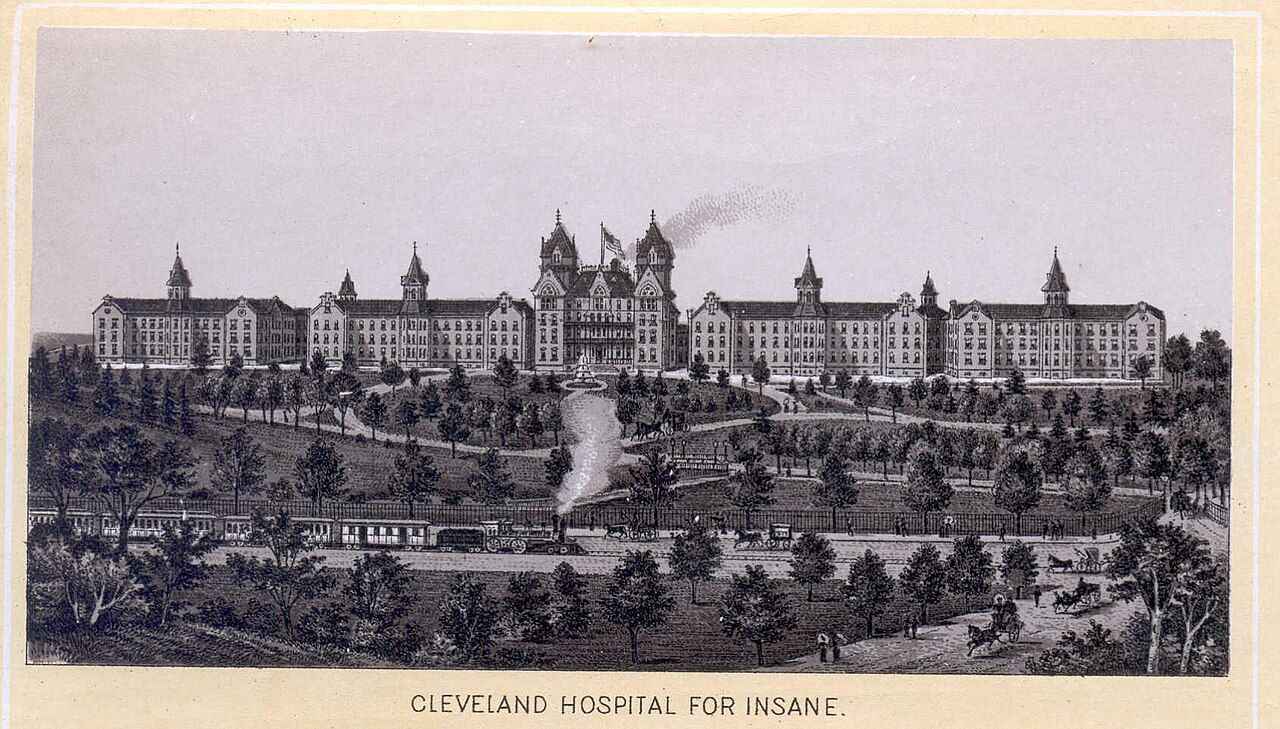
For most of recorded history, madness was explained morally or supernaturally and managed by confinement. The reform era in the late eighteenth and early nineteenth centuries introduced moral treatment — Pinel in Paris, the Tuke family in York — built on the radical proposal that people improve with kindness, routine, work and daylight. In the United States, Dorothea Dix campaigned state by state for public asylums to rescue people with mental illness from jails and almshouses. She succeeded, and within decades the asylums she won were overcrowded, understaffed and custodial.
The first half of the twentieth century produced treatments that ranged from useful to catastrophic: insulin coma, malaria fever therapy, prefrontal lobotomy performed by the tens of thousands, and forced sterilisation of people labelled “defective” under eugenics laws that survived into living memory. Modern nursing students should know this history, not for shame, but because every one of those practices was defended in its day as evidence-based and compassionate. That is why we now build in consent, review, and the least restrictive alternative.
The pivot came in 1952 with chlorpromazine, the first antipsychotic, which made discharge conceivable for people who had been institutionalised for decades. The 1963 Community Mental Health Act promised a national network of community centres to receive them. Deinstitutionalisation followed — the state hospital census fell by more than ninety percent — but the community centres were never fully funded. The result was transinstitutionalisation: large numbers of people with serious mental illness moved not into supported community life but into jails, prisons, nursing homes, emergency-department hallways and homelessness. Today the largest de facto psychiatric facilities in the country are county jails. The lesson for practice is precise: discharging a person is not the same as connecting a person, and your discharge planning is a clinical intervention with mortality implications.
The recovery model
The modern organising philosophy is recovery, defined by SAMHSA as a process of change through which people improve their health and wellness, live self-directed lives, and strive to reach their full potential. Note what the definition does not require: the absence of symptoms. Recovery is not cure. A person can be in recovery while hearing voices, as long as they have hope, meaning, relationships and control over their own life.
The framework often taught as CHIME names the ingredients: Connectedness, Hope and optimism, Identity, Meaning and purpose, and Empowerment. Practically, recovery-oriented care means shared decision-making rather than instruction, working from the person’s own stated goals (a job, a driver’s licence, seeing their children) rather than only from the treatment plan’s goals, advance directives written while well, and peer support specialists — people with lived experience employed as clinicians’ colleagues, whose presence is itself an argument against hopelessness.
Recovery language changes how you speak in report. “He has no insight” becomes “He and the team currently understand his experience differently; here is what he says he wants.” It is not softer, it is more accurate, and it keeps a working alliance alive long enough to be useful.
Trauma-informed care
Trauma is common in the populations we serve — often the majority of people on an inpatient behavioural unit report significant trauma histories — and it is frequently undisclosed. Trauma-informed care therefore works on universal precautions logic: assume a trauma history may be present in anyone, and design care so that it does not re-injure. SAMHSA frames it as four assumptions, the four Rs: realise the widespread impact of trauma, recognise its signs, respond by integrating that knowledge into practice, and actively resist re-traumatisation.
The central reframe is the question. Instead of asking, silently or aloud, “What is wrong with this person?” ask “What happened to this person?” Hypervigilance, flat refusal of a procedure, a startle response to a hand on the shoulder, or explosive anger at being told to wait are all coherent once you know that the body learned them somewhere. Trauma-informed care is not a specialty technique; it is a stance that also improves obstetric, emergency, paediatric and long-term care.
Re-traumatising practices are ordinary hospital practices done thoughtlessly: physical restraint, seclusion, forced medication, undressing a person for a search without explanation or privacy, a male staff member alone with a woman who asked for a female nurse, waking someone by touch, being talked about in the third person while present, or being told to calm down. None of these can always be avoided, but every one of them can be explained, offered with choice where choice exists, and debriefed afterwards.
| Principle | What it looks like at the bedside |
|---|---|
| Safety | Physical and emotional safety: predictable routines, sightlines, privacy during searches, no unexplained touch, doors and exits explained on admission. |
| Trustworthiness and transparency | Say what you are going to do before you do it, say when you will be back, and come back. Explain why a rule exists rather than citing policy. |
| Peer support | Peer specialists and mutual-help groups built into the programme, not offered as an afterthought. |
| Collaboration and mutuality | Plan care with the person, not for them; treatment plans use their words and their goals; power differences are named out loud. |
| Empowerment, voice and choice | Offer real choices even when small — which arm, which medication first, which room, when to talk. Choice is the antidote to helplessness. |
| Cultural, historical and gender issues | Address bias, honour language preferences and gender of caregiver requests, and recognise historical harms done by health systems to specific communities. |
The field’s history is a warning about confident coercion; recovery-oriented, trauma-informed practice replaces “what is wrong with you” with “what happened to you and what do you want.”
Section 4The nurse in the room: therapeutic use of self, milieu and delegation
Therapeutic use of self
Hildegard Peplau reframed nursing as an interpersonal process in which the relationship itself is the instrument. The nurse’s presence, tone, consistency and self-awareness are the equipment — this is therapeutic use of self. It has three phases. Orientation: introductions, establishing why you are here, setting the frame including confidentiality and its limits. Working: the substantive phase, where problems are identified and behaviours change, and where resistance and testing normally appear. Termination: planned, named in advance, and grieved rather than avoided — ending a relationship abruptly repeats a pattern many patients already know too well.
A therapeutic relationship differs from a social one in four respects: it is purposeful, time-limited, focused on the patient’s needs rather than mutual needs, and governed by boundaries. Boundary drift is rarely dramatic at first — extended time with a favourite patient, a personal disclosure that meets the nurse’s need for connection, a small gift accepted, contact on social media, keeping a secret from the team. Each of those is a signal to bring the situation to supervision rather than a reason for shame.
Transference is the patient responding to you as if you were someone from their past; countertransference is the same phenomenon running in the nurse. Countertransference is the honest explanation behind most of the word “difficult.” When you notice irritation, rescue fantasies, dread before a room, or a wish to be the one nurse who finally reaches this person, you have found data about yourself, not a finding about the patient. Self-awareness — through supervision, reflective practice and debriefing — is a competency in this specialty, not a personality trait.
Talking so it helps
Therapeutic communication is a set of learnable moves: open-ended questions, reflection, clarification, silence, offering self, and validating. Non-therapeutic moves are also predictable, and they nearly always come from the nurse’s own discomfort — false reassurance to stop the pain of hearing distress, advice to fill an unbearable silence, changing the subject to escape a topic. Read the exchanges below in pairs and, for each, name what the response does to the conversation.
| Patient says | Non-therapeutic response | Therapeutic response | Why it lands differently |
|---|---|---|---|
| “I don’t think I can do this anymore.” | “Don’t say that — you have so much to live for.” | “When you say you can’t do this anymore, are you having thoughts of killing yourself?” | Reassurance closes the door and teaches the person not to say it again. The direct question keeps it open and is the assessment the sentence demands. |
| “Why do I even bother? Nothing helps.” | “That’s not true, the medication is working well.” | “It sounds exhausting to keep trying when it doesn’t feel like anything changes. What has felt most useless?” | Arguing with hopelessness makes the person defend it. Reflecting the feeling invites detail you can actually work with. |
| “I cut myself last night.” | “Why would you do something like that to yourself?” | “Thank you for telling me. Can you walk me through what was happening just before?” | “Why” demands a justification and produces defensiveness; a sequence question produces the antecedent, which is where the intervention lives. |
| “The voices are telling me the staff are poisoning the food.” | “There are no voices, and nobody here would ever do that.” | “I don’t hear those voices, and I believe that you do. That must be frightening. Are they telling you to do anything?” | Neither argue with nor endorse the belief. Name your reality, validate the emotion, and screen for command hallucinations. |
| “My mother died and I feel nothing.” | “At least she isn’t in pain anymore.” | “Feeling nothing can be its own kind of terrible. Tell me about her.” | “At least” is a minimising phrase that ends the topic; an invitation keeps the person talking about what matters. |
| “Are you married? Do you have kids?” | Detailed personal disclosure, or a cold “We don’t discuss that.” | “I keep my personal life out of this so our time stays about you — I’m curious what made you think of families today.” | Holds the boundary without rejecting the person, and treats the question as clinical material. |
| “Promise you won’t tell anyone what I’m about to say.” | “Of course, this stays between us.” | “I can’t promise that. If it’s about your safety or someone else’s, I have to share it with the team — and I’ll tell you when I do.” | Secret-keeping splits the team and cannot be honoured; honest limits build more trust than false ones. |
| Silence, tears, no words for a full minute. | “So anyway, did you eat breakfast?” | Remain seated, quiet, present; then “Take your time. I’m not going anywhere.” | Silence is a therapeutic technique. Filling it serves the nurse’s discomfort, not the patient’s process. |
The milieu is the medicine
The therapeutic milieu is the deliberate use of the environment — people, routine, space and rules — as treatment. It rests on structure (predictable schedules, groups, meals, sleep), safety (environmental and interpersonal), containment (limits that hold when a person cannot yet hold themselves), support, and involvement. Community meetings, unit norms set with patient input, and consistent responses from every staff member are what make a unit therapeutic rather than merely locked.
Environmental safety on a behavioural unit is concrete and is everyone’s job: ligature-resistant fixtures, tamper-resistant hardware, breakaway curtain rails, no cords or belts or shoelaces where risk is identified, sharps and personal item searches performed with explanation and dignity, clear sightlines from the nursing station, contraband checks after visits and passes, and a count of anything sharp that leaves and returns. A tidy, calm, well-lit unit with predictable rhythms measurably reduces aggression — environment is intervention.
Restraint and seclusion sit at the far edge of that environment, and they are treatment failures that are occasionally unavoidable: they carry real mortality from asphyxia, aspiration, thrombosis and cardiac events, as well as reliable psychological harm. The sequence is fixed: verbal de-escalation first — lower stimulation, more space, calm short sentences, offered choices — then voluntarily accepted medication, and only if there is an immediate risk of physical harm, the least restrictive effective intervention for the shortest possible time. The legal requirements that govern that decision are set out in Chapter 3.
Delegation on a behavioural unit
Delegation follows the five rights: the right task, the right circumstance, the right person, the right direction and communication, and the right supervision and evaluation. In psychiatric nursing the recurring examination principle is that assessment, teaching, evaluation and clinical judgement never transfer — and that includes the parts that look like just sitting with someone.
| Assistive personnel MAY | Assistive personnel MAY NOT |
|---|---|
| Perform continuous 1:1 or line-of-sight observation after specific training and clear instruction, and report what they see | Decide to start, pause, downgrade or discontinue an observation level, or leave the person to answer a phone |
| Obtain vital signs, weights, intake and output, blood glucose, and report values | Interpret those values or decide what they mean for the plan of care |
| Assist with hygiene, meals, ambulation and activities of daily living; escort to groups | Perform the mental status examination, screen for suicide risk, or take a history |
| Reinforce previously taught coping strategies and unit routines | Provide initial patient teaching about diagnosis, medication or side effects |
| Observe and report statements, behaviour changes, refusal to eat, or an item found in a room | Evaluate whether a change in behaviour is clinically significant or triage it |
| Assist in a restraint application as a trained team member under RN direction | Initiate restraint or seclusion, or perform the required post-restraint assessments |
| Sit with a person during a search for contraband and provide privacy | Judge whether an item is a ligature or lethal-means risk, or return confiscated property |
The relationship and the environment are the treatment; restraint is a genuine last resort reached only after de-escalation has failed, never for convenience; and while tasks can be delegated to assistive personnel, assessment, teaching, evaluation and the decision to change an observation level never are.
Section 5Red flags, first-shift screening and escalating with SBAR
Ask directly, and ask early
Some of what you hear on a first shift calls for a direct question rather than reassurance. When a person says they cannot go on, ask in plain words — “Are you having thoughts of killing yourself?” — and not “You’re not thinking of doing anything silly, are you?”, which tells the person exactly which answer you want. If the answer is yes, keep going: thoughts, plan, means, access to those means, timing, intent, and what has stopped them so far. Chapter 4 covers structured risk screening and Chapter 13 develops suicide assessment, safety planning and crisis response in full.
Screen for the other domains on the same first pass: thoughts of harming others and any identified target; alcohol and sedative use with last drink and prior withdrawal seizures; opioid and stimulant use; current medications, including what was stopped and when; and, always, a medical differential. New psychiatric symptoms are a medical emergency until proven otherwise — hypoglycaemia, hypoxia, infection, head injury, thyroid disease, electrolyte derangement, intoxication and withdrawal all present as agitation, psychosis or catatonia. Delirium is the great imitator, and it kills.
The red flags of Chapter 1
| Red flag | Why it matters | First nursing action |
|---|---|---|
| Any statement of intent to die, with a plan and access to means | Plan plus means plus intent is the highest-acuity presentation in the specialty | Do not leave the person alone; initiate continuous observation, remove means, notify the provider immediately |
| Sudden calm or cheerfulness after profound depression; giving away possessions or putting affairs in order | May reflect relief after deciding on a plan; returning energy can also run ahead of any lift in mood, so a person becomes able to act before they feel any better | Reassess suicidal ideation directly; increase observation; report the change, do not celebrate it |
| New confusion, disorientation or fluctuating attention — especially in an older adult | Delirium from infection, hypoxia, drugs, metabolic cause; mortality is high and it is reversible | Vital signs including oxygen saturation and glucose, full physical review, urgent provider notification |
| Command hallucinations to harm self or others | Substantially raises acute risk compared with other hallucinations | Ask what the voices say and whether the person intends to follow them; safety plan and escalate |
| Escalating agitation: pacing, clenched fists, rising volume, invading space | The prodrome of aggression, where de-escalation still works | Reduce stimuli, increase space, offer choices, call for team presence — de-escalate long before restraint |
| Tremor, tachycardia, diaphoresis and hypertension 6–24 hours after the last drink | Alcohol withdrawal can progress to withdrawal seizures at 12–48 hours and to delirium tremens at 48–72 hours, which is potentially fatal | Institute withdrawal scoring such as CIWA-Ar, vital signs, seizure precautions, notify provider — benzodiazepines are the treatment, and this is one withdrawal you do not manage by waiting |
| Fever with muscle rigidity and altered mental status in a person taking antipsychotics | Possible neuroleptic malignant syndrome: onset over days, generalised “lead-pipe” rigidity with normal or reduced reflexes. Do not confuse it with serotonin syndrome, which begins within hours of starting or increasing a serotonergic drug and shows clonus, hyperreflexia, tremor and agitation, greater in the legs than the arms | Hold the suspected drug — the antipsychotic, or the serotonergic agent — take full vital signs including temperature, and escalate immediately; both are medical emergencies |
| Refusal of all food and fluid, or abrupt cessation of medication | Risk of dehydration, relapse and withdrawal; may signal hopelessness or delusional belief | Quantify intake, assess the reason without confrontation, report |
| Disclosure of abuse, neglect or exploitation | Mandatory reporting duties and immediate safety implications | Ensure safety, document the person’s own words, follow reporting policy, inform the person what happens next |
Escalating so that somebody acts
Concern that is not communicated clearly is concern that gets deferred. SBAR — Situation, Background, Assessment, Recommendation — forces the structure that urgency erodes. The Recommendation line is the one students omit and the one that produces action: say what you want and when you want it.
Worked example. Situation: “Dr. Nolan, this is Priya, RN on 4 West. I’m calling about Mr. Ellis in room 12. In the last thirty minutes he told me he has thoughts of killing himself and has been saving his lorazepam tablets.” Background: “He is a 54-year-old man admitted two days ago with major depressive disorder, single prior attempt eight years ago, lives alone, wife died in March. Sertraline started on admission.” Assessment: “He has a plan, has means — I found nine tablets in his sock drawer — and rates his intent as strong. Vital signs stable, no intoxication, alert and oriented. He is now on continuous observation and the tablets have been secured.” Recommendation: “I need you to see him within the hour to reassess risk and review his observation level, and I’d like an order for a mouth check with every dose. Can you come now, and is there anything you want done before you arrive?”
Notice the sequence. The nurse acted first — observation started, means secured — then reported. Notice also that the report contains no interpretation of motive, no “he is being manipulative,” no “he is just seeking attention.” It contains what was said, what was found, what was done and what is needed. That is the whole discipline of this chapter compressed into a phone call.
Ask about suicide directly and screen for a medical cause first, act to make the person safe before you pick up the phone, and escalate with SBAR that ends in a specific request with a timeframe.
The chapter in one breath
Mental health is a positive capacity that varies over time, not the absence of a diagnosis, and the dual-continuum model lets you hold both realities at once: a person can flourish with schizophrenia and languish with no diagnosis at all. Mental illness is common, begins young, is under-treated by years, and shortens life by a decade or more — mostly through physical disease that gets missed. Stigma is the engine behind those gaps. It runs as public belief, internalised shame, structural underfunding and courtesy stigma toward families and staff, and it produces diagnostic overshadowing at the bedside. People with mental illness are far more likely to be victims of violence than perpetrators, and saying so is accurate risk communication. The nurse’s controllable intervention is language: person-first, behaviourally descriptive, free of moral vocabulary and of motive-labels such as manipulative or non-compliant, and always “died by suicide.” History warns against confident coercion, so modern practice is recovery-oriented and trauma-informed, asking what happened rather than what is wrong. The relationship and the milieu are the treatment, and restraint is a last resort reached only after de-escalation has failed; tasks delegate, assessment never does; and every red flag ends in a direct question, an immediate safety action, and an SBAR that requests something specific.
Words worth knowing
| Term | What it means |
|---|---|
| Dual-continuum model | Framework treating mental health and mental illness as two separate axes, so wellness and diagnosis can coexist in any combination. |
| Mental distress | A proportionate, usually time-limited response to a stressor; becomes disorder when duration, impairment and cultural expectation are exceeded. |
| Treatment gap | The difference between the number of people with a disorder and the number receiving adequate care. |
| Mortality gap | The ten to twenty years of life lost, on average, by people with serious mental illness, driven mainly by preventable physical disease. |
| Stress-vulnerability model | Explanation of onset as inherited or acquired vulnerability crossed by stressors and modified by protective factors. |
| Adverse childhood experiences (ACEs) | Household and interpersonal traumas before age eighteen showing a dose-response link to later mental and physical illness. |
| DSM-5-TR | The current American diagnostic manual: consensus criteria for psychiatric disorders, based on symptom clusters, duration and impairment. |
| Human response | The focus of nursing diagnosis — how this person is responding to illness or life event, which is what nursing intervenes upon. |
| Public stigma | Stereotypes, prejudice and discrimination held by the community toward people with mental illness. |
| Self-stigma | Internalisation of public stigma, producing shame, secrecy and the “why try” effect. |
| Structural stigma | Stigma embedded in policy and institutions: unequal funding, network inadequacy, psychiatric boarding. |
| Courtesy stigma | Stigma extended to families, caregivers and mental health staff by association. |
| Diagnostic overshadowing | Attributing new physical symptoms to an existing psychiatric diagnosis and prematurely stopping the workup. |
| Person-first language | Naming the person before the condition, except where a community prefers identity-first terms. |
| Deinstitutionalisation | The mid-twentieth-century shift out of state hospitals which, without funded community care, produced transinstitutionalisation into jails, nursing homes and homelessness. |
| Recovery model | Self-directed process of improving health, wellness and purpose; measured by hope, connection and meaning rather than symptom absence. |
| Trauma-informed care | Practice built on the four Rs — realise, recognise, respond, resist re-traumatisation — and six principles including safety, choice and collaboration. |
| Therapeutic use of self | Deliberate use of the nurse’s presence, self-awareness and communication as the treatment instrument, within clear boundaries. |
| Countertransference | The nurse’s emotional reaction rooted in their own history; data about the nurse, never a finding about the patient. |
| Therapeutic milieu | Purposeful use of the whole environment — structure, safety, containment, support, involvement — as treatment. |
Check yourself
The Therapeutic Relationship and Communication
In most of nursing, the intervention is a drug, a dressing or a device, and the relationship is the vehicle that delivers it. In mental health nursing the relationship is the intervention. A person who has been dismissed, restrained, disbelieved or diagnosed at rather than talked with arrives on your unit already braced for more of the same, and the first ninety seconds of your encounter will tell them whether you are one more of those people or someone worth risking honesty on. That judgement is made mostly on things you are not aware you are doing — where you stand, how fast you speak, whether you sit down, whether you flinch. This chapter teaches the therapeutic relationship as a disciplined clinical skill with a structure, a set of techniques, a set of predictable errors, and boundaries that protect both of you. It is the most testable content in the book and the most useful thing you will carry into every other specialty you ever work in.
By the end of this chapter you can
- Explain therapeutic use of self and describe how self-awareness changes what a nurse is able to hear.
- Identify the four phases of the nurse’s therapeutic relationship — preinteraction, orientation, working and termination — and state the nursing task of each.
- Differentiate a social, an intimate and a therapeutic relationship, and recognise early boundary crossings and boundary violations.
- Select and demonstrate at least eight therapeutic communication techniques, and identify non-therapeutic responses such as false reassurance, advice-giving, why-questions and defending.
- Apply the principles of trauma-informed care and cultural humility to a routine admission interaction.
- Respond safely to silence, to anger, to a person experiencing hallucinations or delusions, and to a disclosure of suicidal thinking, asking about suicide in direct, plain words.
- State the limits of confidentiality during the orientation phase, and explain why a secret is never accepted in advance.
- Describe the therapeutic milieu and delegate appropriately to assistive personnel on a behavioural health unit.
- Document an interaction in objective, non-stigmatising language and escalate red-flag findings using SBAR.
- Recognise and name transference and countertransference in your own practice, and seek supervision for it.
Section 1The Nurse as the Instrument
Therapeutic use of self
Hildegard Peplau, the nurse theorist who built the modern therapeutic relationship, described nursing as an interpersonal process in which the nurse deliberately uses her own personality, presence and responses to help another person grow. That deliberate deployment is called therapeutic use of self. It is not being nice. Being nice is untrained, uneven and mostly for the comfort of the person being nice. Therapeutic use of self means that every choice you make in an interaction — sitting or standing, speaking or staying quiet, asking or waiting — is made for the benefit of the patient and can be justified afterwards on clinical grounds.
The tool you are using is yourself, which means the tool has to be calibrated. A nurse who is frightened of anger will change the subject the moment a patient raises their voice, and will call that de-escalation. A nurse who grew up around heavy drinking may hear a person describing alcohol use and feel a flash of contempt that leaks out as a flat voice and a shortened assessment. Neither nurse intends harm. Both have been steered by something they have not looked at. Self-awareness — knowing your own reactions, values, stress responses and blind spots — is therefore not a soft add-on. It is the maintenance schedule for your primary instrument.
Practically, self-awareness is built by three habits: noticing the body (a tight chest, a faster voice, the urge to leave the room), naming the feeling privately and accurately, and taking it to clinical supervision or debriefing rather than into the next room. Students often assume that experienced nurses stop having reactions. They do not. They get faster at catching them.
The four phases of the relationship
A therapeutic relationship is time-limited, goal-directed and structured, and it moves through four recognisable phases. In the preinteraction phase the patient is not yet present. You review the chart, note the reason for admission and any history of trauma, restraint or aggression, plan your approach, and — the part students skip — examine your own expectations. Reading “third admission this year” and feeling your interest drop is exactly the kind of data this phase exists to catch.
The orientation phase begins at first contact. Tasks here are concrete: introduce yourself by name and role, explain what you are there to do and how long it will take, establish confidentiality and its limits, begin the assessment, and negotiate a mutual agreement about the work. Telling a person up front that you must share information about intent to harm self or others is not a threat — it is the honesty that makes later disclosure possible. If the person is on the unit under a legal admission status, say so plainly rather than letting them discover it, because a relationship built on an unspoken legal status has not been consented to; Chapter 3 sets out those statuses and the rights attached to them in full. Trust is not assumed in this phase; it is earned in small increments by doing exactly what you said you would do, at the time you said you would do it.
The working phase is where the actual therapeutic labour happens. The person explores problems, tries new coping behaviours, experiences setbacks and develops insight. Resistance appears here, and so does the strongest emotional pull on the nurse. The termination phase begins, paradoxically, in orientation — you tell people from the start that the relationship has an end. Termination is planned, discussed and worked through: gains are reviewed, feelings about ending are named, and the person is linked to what comes next. Abrupt endings can replicate abandonment experiences the person has already survived once.
| Phase | Nursing task | Common student error |
|---|---|---|
| Preinteraction | Gather data, plan the approach, examine your own reactions and biases | Skipping the self-examination and walking in pre-judged |
| Orientation | Introduce self and role, set confidentiality and limits, begin assessment, agree on goals and the timeframe | Promising confidentiality without limits, or never stating an end point |
| Working | Explore problems, support new coping, tolerate resistance, maintain boundaries | Trying to fix rather than explore; taking resistance personally |
| Termination | Review gains, name feelings about ending, arrange follow-up and handoff | Disappearing at end of rotation without a planned goodbye |
Boundaries, transference and countertransference
Three kinds of relationship look superficially similar and behave completely differently. A social relationship is mutual: both parties disclose, both get needs met, and it can last indefinitely. An intimate relationship adds emotional and often physical exclusivity. A therapeutic relationship is deliberately asymmetric: the focus stays on the patient, disclosure by the nurse is rare and purposeful, and the relationship ends. Nurses drift out of the therapeutic frame when their own unmet needs start being served by the interaction — when a patient makes them feel uniquely competent, uniquely trusted, uniquely needed.
A boundary crossing is a brief, often well-intentioned step outside the frame — accepting a small gift, sharing a personal detail, staying past the end of shift for one particular patient. A boundary violation is exploitative and harmful — any romantic or sexual contact, financial entanglement, social media contact, or keeping a patient’s secret from the treatment team. Violations rarely arrive out of nowhere. They arrive at the end of a chain of unexamined crossings, which is why the warning signs are worth memorising: keeping secrets, thinking of a patient as different from the others, spending disproportionate time with one person, feeling defensive when a colleague comments on it.
Transference is the person unconsciously redirecting feelings from an important past figure onto you — sudden warmth, sudden hostility, or an intensity that does not fit a two-day acquaintance. Countertransference is the same phenomenon running the other direction: your emotional response to the patient, shaped by your own history. Countertransference is not misconduct; failing to notice it is what becomes misconduct. The tell is intensity out of proportion — wanting to rescue one person, dreading one room, feeling flattered, feeling furious. The correct action is always the same: name it to yourself, take it to supervision, and do not act on it.
Pearl. Self-disclosure passes one test only: does saying this serve the patient right now? “A lot of people find the first night here hard to sleep through” is fine. “When my father died I felt exactly the same” hands them your grief to carry and turns the conversation around to you.
The therapeutic relationship is a structured, time-limited, deliberately one-directional clinical tool — and a nurse who has not examined their own reactions cannot use it safely.
Section 2What to Say, and Why It Works
Before the words: attending and nonverbal communication
The majority of what a distressed person takes from an encounter is nonverbal. A useful mnemonic for what your body should be doing is SOLER: Sit squarely or at a slight angle to the person, Open posture with arms uncrossed, Lean in slightly, Eye contact that is comfortable rather than fixed, and Relax. Two clinical amendments matter in mental health. First, a slight angle is usually better than squarely facing, because direct frontal positioning reads as confrontational to a person who is frightened or paranoid. Second, sustained eye contact is culturally variable and can feel intrusive or challenging; follow the person’s lead.
Sit down. This single act is the highest-yield nonverbal intervention in nursing. Patients consistently estimate that a seated nurse spent longer with them than a standing nurse who actually stayed longer. Sitting says the conversation is not being squeezed in. Position yourself so that neither of you is blocked from the door, keep an arm’s length or more of personal space, and be aware that a person in acute distress may need considerably more space than you would normally give.
Watch congruence. When words and body disagree, people believe the body. A nurse saying “take your time” while glancing at the clock has communicated the opposite. And watch the patient’s nonverbals as assessment data: clenched hands, pacing, a jaw that tightens on one particular topic, tears that appear when a specific name is mentioned. These are findings, and they belong in your note.
The techniques, with the reason each one works
Therapeutic techniques are not scripts to be recited; they are moves that keep the focus on the person and keep the conversation open. The most reliable ones are listed below. Notice how many of them involve the nurse doing less rather than more.
| Technique | What it sounds like | Why it works |
|---|---|---|
| Offering self | “I will sit here with you for a while.” | Presence without demand; signals the person is worth time even when nothing is being solved. |
| Broad opening | “What would you like to talk about?” | Hands control of the agenda to the person — often the first control they have had all day. |
| Open-ended question | “What has the last week been like?” | Cannot be answered yes or no; yields the person’s own words rather than yours. |
| Reflecting | “You sound frightened when you talk about going home.” | Names an emotion the person has not yet named; feelings that are named become manageable. |
| Restating | “You have not slept more than two hours a night.” | Confirms you heard accurately and invites correction. |
| Clarifying | “I am not sure I follow. Can you walk me through what happened first?” | Prevents you from building a plan on a misunderstanding. |
| Silence | Nothing, for several seconds. | Gives the person room to reach the harder sentence they were about to say. |
| Focusing | “You mentioned your brother twice. Can we stay with that?” | Moves a scattered conversation toward the material that matters. |
| Exploring | “Tell me more about that.” | Deepens rather than widens; most disclosures are two questions below the surface. |
| Making observations | “I notice you have been pacing since the phone call.” | Objective, non-accusatory, and often opens a topic the person could not raise directly. |
| Presenting reality | “I do not hear a voice, but I believe you do.” | Neither argues nor colludes with a perception; keeps trust intact. |
| Seeking consensual validation | “When you say wired, what does that feel like in your body?” | Ensures a shared meaning of words instead of an assumed one. |
| Summarising | “So the sleep, the money and the court date are all pressing at once.” | Organises material and lets the person hear their own situation clearly. |
| Voicing doubt | “That is hard for me to imagine happening.” | Gently introduces an alternative view without a direct challenge. |
Non-therapeutic responses and the doors they close
Non-therapeutic responses are usually kind in intent. That is exactly why they are hard to unlearn. Each one relieves the nurse’s discomfort at the cost of the patient’s disclosure.
| The person says | Non-therapeutic reply — and what it does | Therapeutic reply — and what it opens |
|---|---|---|
| “I do not think I can do this anymore.” | “Of course you can, you are doing great!” — false reassurance. Tells the person their reality is unwelcome, so they stop reporting it. | “When you say you cannot do this anymore, tell me what you mean. Are you thinking about killing yourself?” — explores rather than shuts down, then screens for suicide in plain words rather than hinting at it. |
| “My family will not speak to me.” | “You should just call them and apologise.” — advice. Makes the nurse the expert on a life the nurse does not live; sets up failure and blame. | “What have you thought about doing?” — treats the person as capable and surfaces their own resources. |
| “I stopped my medication three weeks ago.” | “Why would you do that?” — why-question. Demands justification, produces defensiveness, and rarely produces the real reason. | “What was going on around the time you stopped?” — gets side effects, cost, stigma or feeling well — the information you actually need. |
| “Nobody here listens to me.” | “That is not true, we work very hard for you.” — defending. Prioritises the team’s image; confirms that complaints are unsafe here. | “Tell me about a time today when you felt unheard.” — treats the complaint as data and may reveal a genuine care gap. |
| “I feel like the worst mother alive.” | “Do not say that about yourself.” — disapproval. The person hears that shame is unspeakable and stops speaking it. | “That is a heavy thing to carry. What makes you say that?” — accepts the feeling and invites the story underneath it. |
| “There are cameras in the vents watching me.” | “There are no cameras, look for yourself.” — arguing with a delusion. Cannot win, and costs the relationship. | “I do not see cameras, and I can hear that being watched feels frightening.” — presents reality, validates the emotion, keeps trust. |
| “Are you married?” | A long personal answer — boundary drift, or a cold “that is none of your business” — rejection. | “I would rather keep our time about you. What made you curious?” — holds the boundary warmly and often reveals loneliness. |
| Person begins to cry. | “Do not cry, everything happens for a reason.” — cliché and minimising. Ends the moment the work was about to begin. | Silence, a tissue offered, then “Take whatever time you need. I am not going anywhere.” — tolerates distress, which teaches that distress is survivable. |
Pearl. If a test option contains why, should, do not worry, everyone, or a promise about the future, it is almost certainly the wrong answer. The correct option nearly always keeps the focus on the patient, names a feeling, or asks the person to say more.
Rewriting a conversation that has closed
Consider a real exchange. A person admitted after an overdose says, “You all just want me out of here so you can free up the bed.” The reflexive reply is “That is not true at all.” The conversation ends there; the person has learned that this nurse defends the institution. Now rewrite it: “It sounds like you are worried you will be sent out before you are ready. Tell me what going home looks like to you.” The complaint has been converted into a discharge-planning assessment, and the person is now describing an empty apartment and a landlord who has already served notice — two risk factors that would never have surfaced.
This is the whole method in one move: do not correct the content, follow the feeling. Almost every hostile, testing or bizarre statement a patient makes contains a feeling that is accurate even when the content is not. Nurses who learn to answer the feeling rather than the content get information other people never get.
Therapeutic technique means answering the feeling rather than correcting the content, and doing less — silence, reflection and open questions carry more clinical information than reassurance ever does.
Section 3Trauma-Informed Care, Culture and the Words We Use
Assume a trauma history may be present
Trauma is not a subspecialty concern. Adverse childhood experiences, intimate partner violence, community violence, medical trauma, displacement and previous coercive psychiatric care are common in the general population and substantially more common among people receiving mental health services. Trauma-informed care does not require you to know a person’s trauma history — it requires you to practise as though one may exist, because for a meaningful proportion of the people in front of you it does.
The practical consequence is that ordinary hospital routines can be re-traumatising without anyone intending harm. A room search, a hand on the shoulder, a locked door, a group of staff arriving at once, being asked to change into a gown, being woken by a flashlight for night checks, being told what will happen to you rather than asked — each of these can reproduce the exact conditions of powerlessness in which the original harm occurred. A person who reacts to a routine search with sudden rage is not being difficult. They are responding to a threat that you are not able to see.
Trauma-informed practice therefore front-loads explanation and choice. Say what you are about to do and why, before you do it. Offer whatever real choices exist, however small — which arm, sitting or standing, door open or closed, now or in ten minutes. Ask permission before touching, every time. Give warning before any change in the environment. None of this costs money or staffing, and all of it reduces the incidence of the crises that do.
The six principles, translated into nursing actions
| Principle | What it looks like on your shift |
|---|---|
| Safety | Physical and emotional. Predictable routines, calm voice, low stimulus, no one cornered, no surprises. |
| Trustworthiness and transparency | Say what will happen and when. If you say you will return at two, return at two or explain why you could not. |
| Peer support | Value the person with lived experience on the team; connect patients to peer specialists and mutual support. |
| Collaboration and mutuality | Plan with, not for. Ask what has helped before — the person has usually already survived this once. |
| Empowerment, voice and choice | Offer real choices. Build on strengths the person already has rather than on deficits you have listed. |
| Cultural, historical and gender issues | Recognise historical harm done by health systems to specific communities; do not treat mistrust as pathology. |
A single question operationalises most of this at admission: “Is there anything about being in hospital that we should know so we do not make things harder for you?” People will tell you that they cannot bear the door being closed, that a male staff member doing checks is frightening, that being touched from behind is unbearable. Put the answer in the care plan and hand it off. That is trauma-informed care in one sentence and one line of documentation.
Cultural humility, interpreters and the limits of your own frame
Cultural competence implies an achievable body of knowledge about groups. Cultural humility is more honest: a lifelong stance of self-examination, curiosity about the individual, and awareness of the power imbalance in the room. Expressions of distress differ across cultures — somatic complaints may carry emotional meaning, spiritual experiences may be normative rather than psychotic, and family may be the decision-making unit rather than the individual. The safeguard against error is not a fact sheet but a question: “How do you and your family understand what has been happening?”
Use a qualified medical interpreter whenever language is a barrier, in person or by phone. Do not use family members, and never use children. Beyond the accuracy problem, a family interpreter makes it effectively impossible to screen for suicide, abuse or substance use honestly. Speak to the patient, not the interpreter, in short complete sentences, and allow extra time. Document that an interpreter was used and their identifier.
Language is clinical practice
Words in a chart follow a person for years and shape how the next clinician treats them. Use person-first language: a person with schizophrenia, not a schizophrenic; a person with a substance use disorder, not an addict or an abuser. A person died by suicide — never committed suicide, which carries the residue of crime and sin. Toxicology screens are positive or negative, never clean or dirty. A person is living with a condition rather than suffering from it unless they describe it that way themselves.
Equally important is what you must stop treating as a finding. Manipulative, attention-seeking, drug-seeking, difficult and non-compliant are judgements, not observations, and they are contagious across a chart. Replace each with the behaviour and what it may communicate. Not “attention-seeking” but “requested staff five times in one hour; states she is frightened when alone.” Not “non-compliant” but “declined the evening dose; reports the medication makes it impossible to work.” The second version is objective, defensible and generates an actual intervention. The first version generates only a worse relationship with the next nurse.
Finally, state clearly what the evidence shows, because your patients live under the opposite assumption. Mental illness is not a character flaw, a failure of will or a moral failing. And people living with mental illness are far more likely to be the victims of violence than the perpetrators of it — a fact worth saying out loud in class, on the unit, and to families.
Pearl. If you would not say it to the person’s face, do not put it in the chart. If you would not want it read aloud in court, definitely do not put it in the chart. Objective behaviour, direct quotation, and what you did about it — nothing else belongs there.
Practise as though a trauma history is present — explain, offer choice, ask before touching — and use person-first, behaviour-based language, because the words in the chart become the next nurse’s attitude.
Section 4Communication When It Is Hard
Silence, tears and the person who will not talk
Beginning nurses treat silence as failure and fill it. Silence is a technique. When a person stops talking mid-sentence, they are usually deciding whether to say the next thing, and the nurse who speaks into that gap has just made the decision for them. Count to ten before you break a silence. If it must be broken, break it with an observation rather than a question: “This seems hard to talk about.”
A person who refuses to engage is communicating, not failing to. Withdrawal may be depression, psychomotor retardation, fear, sedation, a symptom of catatonia, or a rational assessment that talking has not helped before. The intervention is not to persuade but to be reliably present: short, frequent, undemanding visits at predictable times. “I am going to come by at eleven and at two. You do not have to talk. I will just sit for a few minutes.” Consistency delivers the message that the person is worth returning to, which is the message that eventually opens the conversation.
Talking with a person experiencing hallucinations or delusions
Two errors bracket this situation. The first is arguing — demanding evidence, pointing at empty vents, insisting the voices are not real. You cannot reason someone out of a fixed false belief, and the attempt tells them you think they are lying or stupid. The second error is colluding — playing along, pretending you hear it too. Collusion reinforces the perception and destroys your usefulness as a reality anchor.
The correct position sits between them: validate the experience and the feeling, be honest about your own perception, and redirect toward reality-based activity. “I do not hear the voices you are hearing. I believe that you do, and it sounds frightening. Will you walk to the day room with me?” Ask directly what the voices are saying — this is a safety assessment, not curiosity. Command hallucinations instructing self-harm or harm to others require immediate escalation and increased observation. Speak in short, clear, concrete sentences; a person experiencing acute psychosis cannot process a long complex one. Avoid touch and avoid whispering or laughing within sight, both of which are readily incorporated into paranoid content.
Anger, and the de-escalation that comes before everything else
Aggression has a prodrome, and the prodrome is where the work is done. Pacing, rising volume, clenched fists or jaw, refusal to sit, invading others’ space, sudden quiet in a previously agitated person — these are your early warnings. Verbal de-escalation attempted at this point works far more often than most students expect, and every restraint episode that follows a missed prodrome is a nursing failure earlier in the chain.
Respect personal space; stand at least two arm-lengths away, at an angle, with your hands visible and open and a clear route to the door for both of you. One staff member speaks — a circle of people all talking escalates. Keep your voice low and slow; people match tempo. Use short sentences with one idea each. Identify the feeling and the want: “You are furious about the phone. Tell me what you need right now.” Offer real choices and honest limits: “I cannot open the phone room early. I can walk with you outside or get you a drink.” Set limits on the behaviour, never on the person: “It is okay to be angry. It is not okay to throw things. What can we do instead?” Reduce stimulation — turn off the television, move onlookers away, dim the area.
Restraint and seclusion sit at the far end of that sequence: emergency-only interventions used when there is imminent danger and less restrictive measures have already failed, never for convenience, staffing or punishment. Chapter 3 covers the legal frame and Chapter 13 the full de-escalation and restraint sequence. What belongs in this chapter is the earlier truth — most restraint begins as a communication failure, several steps back, in a prodrome nobody answered.
When someone discloses suicidal thinking
Ask directly. “Are you thinking about killing yourself?” Asking does not plant the idea; decades of evidence show it does not, and the vague version (“you are not thinking of doing anything silly, are you?”) gives the person permission to say no. If the answer is yes, stay with them, do not leave the person alone, and go on to plan, means, timeframe and intent while someone else notifies the provider. Do not react with alarm, lecture, or moral argument. Do not promise to keep it secret — and if a person says “I will tell you something if you promise not to tell,” the answer given before they speak is: “I cannot promise that. Anything about you or someone else being hurt I have to share with the team so we can keep you safe. Everything else stays between us.”
What follows the disclosure is safety planning done collaboratively with the person — their own warning signs, the coping steps that have worked before, who to contact, and restriction of access to means — not a promise extracted from them at the bedside. Chapter 13 covers risk assessment and safety planning in full. What this chapter owns is the part that comes first: the conversation in which a person decides you are safe enough to tell.
Similar honesty applies to limit testing, splitting and requests that would pull you outside the frame. A person who says “you are the only nurse here who actually cares” is not lying — and agreeing with them is how a team gets split and a nurse gets isolated. “I am glad our conversations help. Everyone on this team is working on the same plan with you” is warm, non-rejecting, and keeps the plan intact.
Pearl. Never accept a secret in advance. Confidentiality limits are stated in the orientation phase precisely so that this moment is already handled before it arrives.
In hard moments the rule is the same — do not argue with content, do not fill silence, do not promise secrecy, and de-escalate early, because restraint is what happens after communication has already failed.
Section 5The Relationship Inside a Team: Milieu, Delegation and Escalation
The milieu is an intervention
The therapeutic milieu is the deliberate use of the whole environment — physical space, daily structure, group activities, peer interaction and staff behaviour — as treatment. Its elements are predictable routine, clear and consistently applied expectations, safety, opportunities to practise social skills, and staff who model the behaviour they are asking for. A unit where three nurses enforce three different sets of rules is not a neutral environment; it is an actively anti-therapeutic one, because inconsistency is precisely what destabilises people with poor emotional regulation.
Community meetings, groups and even meal times are therapeutic events, not filler. The nurse’s role in the milieu is continuous and largely invisible: noticing who has not left their room, who has stopped eating with others, who is being scapegoated, who is being drawn into someone else’s conflict. Much of the highest-value assessment on a behavioural unit is done standing in the day room, not sitting in an interview.
Delegating on a behavioural health unit
The five rights of delegation — right task, right circumstance, right person, right direction and communication, right supervision and evaluation — apply here with an additional caution. Assessment, nursing judgement, teaching and evaluation of outcomes can never be delegated, and neither can the care of a patient who is unstable or whose condition is unpredictable — on a behavioural unit that includes anyone at acute suicide risk, anyone escalating toward aggression, and anyone whose mental status has just changed. Only tasks that are routine, standardised and predictable in a stable patient may go to assistive personnel, and on a psychiatric unit far more of the work is assessment than it appears.
| Assistive personnel MAY | Assistive personnel MAY NOT |
|---|---|
| Perform scheduled safety checks and one-to-one observation once the level is set by the nurse | Determine or change the observation level |
| Report exact observed behaviour and direct quotations to the nurse | Interpret behaviour, perform a mental status exam or screen for suicide risk |
| Assist with hygiene, meals, ambulation and intake and output | Assess mood, judgement, insight or risk |
| Accompany a person to activities and help maintain unit routine | Provide counselling, teach about medications, or lead a therapy group |
| Search belongings for contraband per policy alongside the nurse | Decide independently that a search or a room change is needed |
| Assist in a restraint episode under direction and monitor per policy | Initiate restraint or seclusion, or evaluate readiness for release |
Direction must be specific. “Watch him” is not a delegation. “Mr Adeyemi is on continuous one-to-one visual observation, arm’s length. Stay within arm’s length including in the bathroom. Tell me immediately if he refuses to eat, talks about the voices, or tries to go into another patient’s room. I will check in every thirty minutes” is. Then supervise and evaluate — delegation without follow-up is abandonment of accountability, and the licence in question is yours.
Documentation that helps the next nurse
Document what you saw, what the person said in their own words, what you did, and how they responded. Direct quotation is powerful and defensible. “Patient stated, I cannot see a way out of this” is far stronger than “patient appeared hopeless.” Record objective behaviour with numbers and time where possible: “paced the corridor for approximately fifteen minutes, declined to sit, voice raised at 1420.” Then record your intervention and the outcome, including who was notified and when.
Handoff carries the relationship forward. What must transfer is not just the diagnosis and medication list but the operational knowledge: what triggers this person, what settles them, which staff member they trust, what they asked us to avoid, and what boundary issues have appeared. A person should not have to re-teach the unit about themselves at every shift change — that repetition is itself re-traumatising.
Pearl. Chart the intervention, not the impression. “Encouraged to verbalise feelings” tells the next nurse nothing. “Sat with patient twenty minutes; she described fear of returning to her partner’s home; safety planning begun; social work paged at 1500” tells them everything.
Red flags and SBAR escalation
Some findings in a conversation stop being conversation and become an emergency. Escalate immediately, do not leave the person alone, and use SBAR so the message is heard the first time.
| Red flag in an interaction | Why it is urgent | Immediate nursing action |
|---|---|---|
| Any statement of suicidal intent, a plan, or access to means | Imminent risk of death | Stay with the person, remove means, notify provider now, initiate observation level per policy |
| Sudden calm or giving away possessions after a period of despair | May signal a settled decision to die | Assess directly, do not leave alone, escalate immediately |
| Command hallucinations to harm self or others | Reduced capacity to resist; risk to patient and others | Increase observation, notify provider, alert team, low-stimulus environment |
| Threat naming a specific person | Possible duty-to-protect obligation | Notify provider and charge nurse immediately; document verbatim |
| Disclosure of abuse, neglect or exploitation | Mandatory reporting; ongoing danger | Ensure immediate safety, notify provider and social work, follow mandated reporting law |
| Escalating agitation despite verbal de-escalation | Imminent violence risk | Call for staff assistance early, clear the area, offer medication per orders, prepare per policy |
| New confusion, disorientation or fluctuating consciousness | Delirium or a medical cause — not a psychiatric one | Vital signs, glucose, oxygen saturation, notify provider urgently |
An SBAR for the second row sounds like this. Situation: “This is Priya Nair, student nurse on 4 West. I am calling about Mr Daniel Ross in room 12. He has become suddenly calm and has given his watch to another patient.” Background: “He is a fifty-four-year-old man admitted two days ago after an overdose, with major depressive disorder, currently on every-fifteen-minute checks.” Assessment: “He has been tearful and agitated for two days and is now bright and settled. On direct questioning he says he has, quote, sorted it out, and will not say more. I am concerned this represents a decision to end his life.” Recommendation: “I have a staff member with him now and have removed the belt from his room. I am requesting an urgent reassessment and an order for continuous one-to-one observation. Can you come now?”
Pearl. Say the words “I am concerned” and make a specific request with a timeframe. Escalations that name a concern and ask for a defined action get acted on; escalations that only report data get filed.
Your therapeutic relationship only helps the patient if it survives handoff — so delegate with specifics, chart behaviour rather than impressions, and escalate red flags with a named concern and a concrete request.
The chapter in one breath
In mental health nursing the relationship is the treatment, and it is built deliberately rather than accidentally. The nurse is the instrument, which makes self-awareness a maintenance requirement rather than a personality trait, and makes transference and countertransference findings to be supervised rather than secrets to be carried. The relationship moves through preinteraction, orientation, working and termination, and it stays therapeutic only while the focus stays on the patient and the boundaries hold. The techniques are learnable: sit down, angle your chair, use open questions, reflect the feeling, and tolerate silence. The errors are equally predictable — false reassurance, advice, why-questions, defending, arguing with a delusion — and all of them relieve the nurse rather than the patient. Practise as though a trauma history is present: explain before you act, offer real choices, ask before you touch. Use person-first language and describe behaviour instead of labelling people, because the chart becomes the next clinician’s attitude. De-escalate at the prodrome, and ask about suicide directly and in plain words rather than hinting at it. Never accept a secret in advance, delegate only routine tasks for stable patients with exact instructions while keeping assessment, teaching and evaluation yourself, document quotations and interventions, and escalate red flags in SBAR with a named concern and a specific ask.
Words worth knowing
| Term | What it means |
|---|---|
| Therapeutic use of self | Deliberate use of the nurse’s presence, personality and responses for the patient’s benefit, justifiable on clinical grounds. |
| Preinteraction phase | Before meeting the patient: data gathering, planning and examination of the nurse’s own reactions and biases. |
| Orientation phase | First contact: introduction, role, confidentiality and its limits, initial assessment, mutual goals and a stated end point. |
| Working phase | The phase in which problems are explored, new coping is tried, resistance appears and insight develops. |
| Termination phase | Planned ending: gains reviewed, feelings about ending named, follow-up arranged. Planned from the beginning. |
| Boundary crossing | A brief, usually well-intentioned step outside the therapeutic frame, such as accepting a gift or unnecessary self-disclosure. |
| Boundary violation | An exploitative or harmful breach — romantic or sexual contact, financial involvement, social media contact, keeping secrets from the team. |
| Transference | The patient unconsciously redirecting feelings from a significant past figure onto the nurse. |
| Countertransference | The nurse’s emotional reaction to the patient, shaped by the nurse’s own history; managed through supervision, never acted on. |
| SOLER | Sit squarely or angled, Open posture, Lean in slightly, comfortable Eye contact, Relax — the attending nonverbal position. |
| Safety planning | A plan written collaboratively with the person — warning signs, coping steps, contacts and restriction of access to means — developed after a disclosure of suicidal thinking rather than a promise extracted from them. |
| Presenting reality | Honestly stating your own perception while validating the person’s experience, without arguing or colluding. |
| Trauma-informed care | Practising as though a trauma history may be present: safety, trustworthiness, peer support, collaboration, empowerment, cultural awareness. |
| Cultural humility | Lifelong self-examination and curiosity about the individual, with awareness of the power imbalance in the clinical encounter. |
| Person-first language | Naming the person before the condition; a person with schizophrenia, a person who died by suicide, a positive toxicology screen. |
| Therapeutic milieu | Deliberate use of the whole environment — structure, routine, groups, peer interaction and staff behaviour — as treatment. |
| Command hallucination | A hallucination instructing the person to act, often to harm self or others; always a safety emergency requiring escalation. |
| SBAR | Situation, Background, Assessment, Recommendation — the structured escalation format that names a concern and makes a specific request. |
Check yourself
Legal and Ethical Issues in Mental Health Care
Nowhere in nursing do law and ethics press so hard on the bedside as in mental health. You will care for people who are admitted against their stated wishes, who refuse the medication that would relieve their suffering, whose families demand information you cannot give, and whose distress escalates into behaviour that frightens everyone in the room — including the person having it. The law tells you what you may do; ethics tells you what you should do; and the therapeutic relationship tells you how to do it without destroying trust. These three rarely conflict, but when they do, the resolution is almost never dramatic. It is a conversation, a second opinion, an offer of a choice, a documented rationale. This chapter gives you the legal architecture — admission status, confidentiality, consent, capacity, restraint law — and then puts it back into the language you will actually use with a frightened human being at two in the morning.
By the end of this chapter you can
- Apply the principles of autonomy, beneficence, nonmaleficence, justice, veracity and fidelity to a psychiatric care decision and name the conflict when two collide.
- Distinguish voluntary admission, emergency hold and involuntary commitment, and state which rights change and which never do.
- Explain what HIPAA permits and forbids on a behavioural unit, including the special protection of psychotherapy notes and 42 CFR Part 2 substance use records.
- Describe the duty to warn and protect arising from Tarasoff and identify when a nurse must escalate rather than decide alone.
- Differentiate legal competence from clinical decision-making capacity and assess capacity using the four abilities: understanding, appreciation, reasoning and expressing a choice.
- Explain the right to refuse treatment, its narrow emergency exceptions, and the role of psychiatric advance directives and surrogate decision makers.
- Demonstrate de-escalation language and apply the least restrictive intervention standard before any consideration of seclusion or restraint.
- State the federal requirements governing restraint for violent or self-destructive behaviour: order rules, the one-hour face-to-face evaluation, time limits and monitoring.
- Delegate appropriately to assistive personnel on a behavioural unit and escalate a legal or safety red flag using SBAR.
Section 1Ethical Foundations: Principles That Have to Live in a Real Room
Six principles, and why they matter more here
Every nursing student learns the classical bioethical principles, and in most settings they sit quietly in the background. In mental health they come to the foreground because the illness itself can interfere with the very faculty that ethics privileges most: the person’s ability to choose for themselves. Autonomy is the right of a person to make decisions about their own body and life, including decisions that other people believe are unwise. Beneficence is the obligation to act for the person’s good. Nonmaleficence is the obligation to avoid harm, including the harm your own intervention can cause. Justice is the fair distribution of care and attention, which on a busy unit means the quiet person who never asks for anything gets rounded on as often as the person who calls out. Veracity is truthfulness, and fidelity is keeping the promises you make.
Two of these deserve special emphasis for psychiatric nursing. Veracity is tested constantly, because it is tempting to soften a truth to avoid a reaction — to tell a person their hold expires tomorrow when you do not know that, or to say a medication has no side effects when it does. A single discovered untruth can end a therapeutic relationship that took weeks to build. Fidelity is tested every shift, because on a unit where many people have been let down repeatedly, the nurse who says “I will come back at three” and comes back at three is doing clinical work. If you cannot keep a promise, do not make it; if you break one, name it and repair it.
Justice deserves a word too, because the population you serve has historically received less. People living with serious mental illness die roughly fifteen to twenty years earlier than the general population, mostly from ordinary medical causes that went unaddressed. When a person with schizophrenia reports chest pain and the team reflexively attributes it to anxiety, that is diagnostic overshadowing — the attribution of physical symptoms to a psychiatric diagnosis — and it is an injustice with a mortality rate attached. Your job includes insisting that the physical complaint gets the same workup it would get on any other floor.
When principles collide: the anatomy of a dilemma
A true ethical dilemma is not a conflict between right and wrong — that is just a temptation. A dilemma is a conflict between two things that are both right, where honouring one means failing the other. In mental health the recurring collision is autonomy versus beneficence: a person who is acutely ill refuses the treatment that would most likely restore the very capacity they are exercising in refusing it. The paternalistic answer is to override the refusal because we know better. The libertarian answer is to accept it because it is their life. Neither is nursing.
The nursing answer is procedural rather than heroic. First, ask whether the refusal is truly informed — has the person been told, in words they can process, what the medication does and what happens without it, at a time when they were able to listen? Second, ask whether capacity is actually impaired for this specific decision, or whether the team simply disagrees with the choice. Third, look for the least restrictive path that preserves as much choice as possible: a different route, a different agent, a delay of four hours, a family member present. Fourth, escalate — to the provider, to the ethics committee, to the patient advocate. Fifth, document the reasoning, not just the outcome. An ethics committee consultation is a standard, unremarkable clinical resource; using it is a sign of good practice, not of failure.
Nurses also experience moral distress: the corrosive experience of knowing the ethically correct action and being prevented from taking it by institutional constraint, hierarchy or short staffing. Moral distress accumulates. It is a leading contributor to burnout and to nurses leaving psychiatric settings. Naming it in debrief, using the ethics resources your institution provides, and pushing constraints back up the chain are professional responsibilities, not complaints.
Trauma-informed care as an ethical commitment
A majority of people receiving inpatient psychiatric care have a significant trauma history, and a substantial number have been traumatised by health care itself — by being held down, stripped, injected, or ignored. Trauma-informed care is the practice stance that assumes a trauma history may be present in anyone, and therefore designs every interaction to avoid re-creating the conditions of powerlessness. It rests on six pillars: safety; trustworthiness and transparency; peer support; collaboration and mutuality; empowerment, voice and choice; and attention to cultural, historical and gender issues.
Concretely, this changes small things that turn out to be large. You announce yourself before entering. You explain what you are about to do before you do it, including a blood pressure cuff. You offer choices wherever a genuine choice exists — which arm, sitting or lying, now or after the phone call. You do not stand between a person and the door, and you do not let them stand between you and the door either. You ask “What happened to you?” rather than “What is wrong with you?” And you understand that a person who becomes agitated during a search or a restraint may be reliving something, not simply defying you.
| Principle | What it obliges you to do | How it shows up in mental health |
|---|---|---|
| Autonomy | Respect self-determination, including unwise choices | A person with capacity may refuse an antipsychotic even if the team disagrees |
| Beneficence | Act to benefit the person | Offering PRN medication and a quiet space early in escalation |
| Nonmaleficence | Avoid harm, including iatrogenic harm | Restraint carries real risk of injury, aspiration and re-traumatisation |
| Justice | Distribute care and attention fairly | Working up chest pain rather than assuming anxiety — avoiding diagnostic overshadowing |
| Veracity | Tell the truth | Never promise a discharge date or a hold expiry you cannot guarantee |
| Fidelity | Keep commitments and maintain loyalty | Returning when you said you would; following through on a request you agreed to carry |
Ethical practice in mental health is rarely a flash of insight — it is a documented process of clarifying the conflict, testing capacity, seeking the least restrictive option, and escalating rather than deciding alone.
Section 2Admission Status and the Rights That Travel With Every Patient
Voluntary admission and its quiet complications
Most psychiatric admissions in the United States are voluntary: the person requests or agrees to hospitalisation and signs a consent to treatment. A voluntary patient retains the right to refuse specific treatments and, importantly, the right to request discharge. That request is not automatic release. Nearly every state permits a defined notice period — commonly forty-eight to seventy-two hours, excluding weekends and holidays in some jurisdictions — during which the team may evaluate whether criteria for involuntary retention are met. This is sometimes called conditional voluntary status.
The nurse’s role when a voluntary patient says “I want to leave” is neither to argue nor to comply silently. It is to notify, explore and inform — and notification comes first. Notify the provider immediately, because the statutory clock and the required evaluation begin the moment the written request is made, and a delay here is exactly what converts a lawful admission into false imprisonment. Then explore what changed in the last hour: a difficult phone call, a frightening roommate, akathisia from a new medication that feels like being unable to stay in your skin. Inform the person of the written request procedure and the notice period, accurately and without threat. Document the request, the time, the notification, and what you explored.
Be alert to the ethical hazard of a nominally voluntary admission that is not truly voluntary. When a person is told “sign in voluntarily or we will commit you,” the signature is coerced, and the record will not show it. If you witness that conversation, it belongs in your documentation and in a conversation with the provider or your charge nurse.
Emergency holds and involuntary commitment
Every state authorises a short emergency hold — often seventy-two hours, known by local names such as a 5150 in California, a Baker Act initiation in Florida, or a Section 12 in Massachusetts — for a person who, because of a mental disorder, is a danger to self, a danger to others, or gravely disabled. Grave disability means an inability to provide for basic personal needs such as food, clothing, shelter or necessary medical care as a result of the disorder; it is not the same as poverty or an unconventional lifestyle. The hold permits detention and evaluation. It does not, by itself, authorise forced medication for a non-emergent purpose.
Extension beyond the emergency period requires a judicial or quasi-judicial process with due-process protections: notice of the hearing, the right to be present, the right to legal representation, the right to present and cross-examine evidence, and a defined standard of proof. In Addington v. Texas (1979) the United States Supreme Court held that civil commitment requires proof by clear and convincing evidence — a middle standard, higher than the preponderance used in ordinary civil cases and lower than beyond a reasonable doubt. Two earlier cases anchor the modern framework: O’Connor v. Donaldson (1975) held that a state cannot confine a non-dangerous person who can survive safely in freedom, and Wyatt v. Stickney (1971) established a right to adequate treatment rather than mere custody.
Many states also authorise assisted outpatient treatment — court-ordered adherence to a community treatment plan for a person with a history of repeated decompensation. Whatever the mechanism, the nurse should be able to state, at any moment, each patient’s legal status and its expiry, because that status governs whether the person may walk out the door and what happens if they try.
The rights that do not change
Students often assume that involuntary admission suspends a person’s rights broadly. It does not. Involuntary status removes the right to leave. Almost everything else survives: the right to be free from unnecessary restraint and seclusion; the right to privacy and confidentiality; the right to communicate, including by telephone and mail, and to receive visitors; the right to be informed about proposed treatment and to refuse it except under narrow circumstances; the right to keep personal belongings unless they present a documented safety hazard; the right to a humane environment; the right to religious practice; the right to file a grievance and to contact an attorney or a patient advocate; and the right to independent psychiatric evaluation.
Any restriction on these rights must be individualised, clinically justified, time-limited and documented — and reviewed. A blanket unit rule that no one may use the phone after eight o’clock is a policy; a documented restriction on one person’s phone access because calls to a specific number have consistently preceded escalation is a clinical decision. Know the difference, because a restriction imposed for staff convenience is a rights violation, and the nurse who implements it is accountable for it.
| Status | How it starts | Right to leave | Right to refuse treatment |
|---|---|---|---|
| Voluntary | Person requests or consents to admission | Yes, by written request; a notice period of about 48–72 hours may apply | Yes, retained |
| Emergency hold | Physician, designated clinician or officer certification of danger to self, danger to others, or grave disability | No, for the statutory period (often 72 hours) | Generally yes, except in a true behavioural emergency |
| Involuntary commitment | Court order after a hearing; clear and convincing evidence standard | No, for the court-ordered period | Usually yes, unless a separate treatment order is obtained |
| Assisted outpatient treatment | Court order for community adherence | Not applicable — person lives in the community | Refusal triggers review, not immediate force |
Involuntary commitment removes the right to leave and almost nothing else — every other restriction must be individually justified, time-limited, documented and reviewed.
Section 3Confidentiality, HIPAA and the Duty to Protect
What HIPAA actually permits on a behavioural unit
The Health Insurance Portability and Accountability Act permits disclosure of protected health information without written authorisation for treatment, payment and health care operations. It does not permit disclosure to anyone who cares about the patient. On a behavioural unit the most common breach is not a hacked database — it is a nurse confirming to a caller that a named person is on the unit, or a hallway conversation carried through an open door, or a whiteboard visible from the family waiting area.
Two categories carry heightened protection. Psychotherapy notes — a therapist’s process notes kept separately from the medical record — require specific written authorisation for nearly all disclosures, including to insurers, and are not part of the designated record set the patient can routinely obtain. Note that medication prescription and monitoring, session start and stop times, modalities, frequency, test results and treatment summaries are not psychotherapy notes and do not receive that heightened protection. Separately, federal regulation 42 CFR Part 2 protects records from federally assisted substance use disorder programs with stricter consent requirements than HIPAA, precisely because disclosure of a substance use history can cost a person a job, custody or housing.
Minors add a layer. Adolescents often hold independent consent rights for specific services — commonly mental health, substance use, contraception and sexually transmitted infection care — and those rights vary substantially by state. When a sixteen-year-old asks whether you will tell their parent, the honest answer is not “of course not.” It is a clear statement of what you must share, what you may share, and what stays between you — delivered before the disclosure, not after.
Tarasoff and the duty to warn and protect
In Tarasoff v. Regents of the University of California (1976) the California Supreme Court held that when a therapist determines that a patient presents a serious danger of violence to another, the therapist bears a duty to use reasonable care to protect the intended victim. The court’s often-quoted formulation is that the protective privilege ends where the public peril begins. States have implemented this variously: some impose a mandatory duty to warn, some permit but do not require disclosure, and a few impose no duty at all. The obligation typically requires a serious threat of physical violence against a reasonably identifiable victim.
Discharging the duty may involve warning the identified person, notifying law enforcement, initiating hospitalisation, or intensifying treatment — whichever combination constitutes reasonable care under the circumstances. Here is the crucial point for a nurse: this is not your decision to make alone. Your obligation when a patient states a threat is to elicit the specifics without interrogating, to keep the person and the environment safe, to notify the provider and your supervisor immediately, and to document the statement verbatim in quotation marks along with the time and to whom you reported it. Do not call the named person yourself unless institutional policy and the provider direct you to.
Separate from Tarasoff, all nurses are mandated reporters of suspected abuse or neglect of a child, an older adult or a dependent adult. Mandated reporting requires reasonable suspicion, not proof, and the report is made regardless of the patient’s wishes and regardless of HIPAA, which explicitly permits disclosures required by law.
The dialogue: a family member on the phone
The most frequent confidentiality test you will face sounds nothing like a legal problem. A voice on the phone says: “This is Marcus’s mother. Is he there? Is he all right? Nobody will tell me anything.” The wrong answers are almost reflexive — either confirming the admission out of compassion, or shutting the caller down with a policy citation. Both fail. The first is a breach; the second abandons a person who may be a critical ally in this patient’s recovery and who is frightened.
Notice what the therapeutic version accomplishes: it neither confirms nor denies, it validates the caller’s fear as legitimate, it offers what you can legally give — general information, resources, the ability to receive information — and it leaves the door open. Note also that HIPAA permits you to listen. A family member telling you that the person stopped their lithium three weeks ago is giving you clinical gold — lithium has a narrow therapeutic range of roughly 0.6–1.2 mEq/L, so an interruption predicts relapse, while an unmonitored resumption, dehydration, or a newly added NSAID, thiazide diuretic or ACE inhibitor can drive the level toward toxicity above about 1.5 mEq/L — and receiving that information is not a disclosure.
| Non-therapeutic | Why it fails | Therapeutic |
|---|---|---|
| “Yes, he’s here, he came in last night.” | A disclosure. Confirming presence on a psychiatric unit is protected health information, and you do not know the caller’s identity or the patient’s wishes. | “I’m not able to confirm whether anyone is a patient here. I can hear how worried you are — let me tell you what I can do.” |
| “HIPAA doesn’t allow me to say. You’ll have to call back.” | Technically correct and relationally useless. It reads as a door closing and often escalates the caller. | “There are legal limits on what I can share. What I can always do is take information from you — if there’s something the team should know, I want to hear it.” |
| “Calm down. There’s nothing to worry about.” | False reassurance and a command. You do not know there is nothing to worry about, and “calm down” has never calmed anyone. | “Not knowing is its own kind of awful. If he is a patient anywhere, he would be told you called and asked about him.” |
| “Ask him yourself when he gets out.” | Dismissive, and it implicitly confirms the admission — the exact breach you were trying to avoid. | “I’ll give you our general family support line and our visiting information, and I’ll document that you called.” |
Confidentiality is the default and it has principled exceptions — a serious threat to an identifiable person and mandated reporting of abuse — but the nurse’s role in those exceptions is to elicit, protect, notify and document, not to decide alone.
Section 4Informed Consent, Capacity and the Right to Refuse Treatment
Consent, competence and capacity are three different things
Informed consent requires that the provider disclose the nature of the proposed treatment, its risks and benefits, reasonable alternatives including no treatment at all, and the likely consequences of refusal — and that the person then decides voluntarily, free of coercion. Obtaining informed consent is the provider’s legal duty. The nurse’s duty is distinct and often misunderstood: you witness the signature, you confirm that the person appears to understand and is consenting voluntarily, and if they do not understand, you stop the process and call the provider back. You do not fill the gap by explaining the surgery or the medication trial yourself.
Competence is a legal determination made by a court. A person is presumed competent as an adult until a judge rules otherwise, and a finding of incompetence is a formal, appealable act with consequences for contracts, voting in some jurisdictions, and property. Capacity, by contrast, is a clinical judgement, made at the bedside, about a specific decision at a specific time. Capacity is decision-specific and fluctuating. A person may lack capacity to consent to a complex surgical procedure at three in the morning during acute intoxication and have full capacity to refuse a flu shot the next afternoon. Involuntary admission does not by itself establish incapacity — a common and consequential student error.
The working standard for capacity assesses four abilities. Can the person understand the relevant information? Can they appreciate how it applies to their own situation? Can they reason — manipulate the information comparatively to reach a conclusion? Can they express a choice consistently? Appreciation is the one most often impaired in psychosis: a person may recite the risks of untreated illness accurately and still believe the diagnosis applies to someone else, or that the medication is poison. A capacity assessment is not a mental status exam and it is not a score — it is a structured conversation about this decision.
The right to refuse, and the narrow exceptions
Adults with capacity have a constitutionally grounded right to refuse psychotropic medication, and that right survives involuntary hospitalisation. The Supreme Court addressed this in Washington v. Harper (1990) and Riggins v. Nevada (1992); many states additionally require a separate judicial hearing — a Rogers hearing in Massachusetts, for example — before medication may be given over objection on a non-emergency basis. The practical consequence is that in most of the country, a person can be legally detained and still legally refuse the drug.
The exception is a genuine behavioural emergency: an imminent risk of serious harm to the person or others that cannot be managed by less restrictive means. In that circumstance emergency medication may be given without consent, but only for the duration of the emergency, and it does not create standing authorisation. When the emergency ends, the right to refuse returns. Charting for emergency medication must document the behaviour that constituted the emergency, the less restrictive interventions attempted and their failure, and the response and monitoring after administration.
Refusal is also information. A person who refuses a medication is telling you something: that the akathisia is unbearable, that the last dose caused a dystonic reaction that terrified them, that the injection reminds them of something they will not talk about, that they were told the drug causes permanent damage. Some of those fears are accurate and belong in the consent conversation rather than being argued away: acute extrapyramidal effects — dystonia, akathisia and drug-induced parkinsonism — typically appear within days to weeks and are reversible with dose adjustment or an anticholinergic, whereas tardive dyskinesia emerges after months to years of exposure and may persist after the drug is stopped. A person refusing on those grounds is weighing a real risk that informed consent obliges the provider to disclose. The nurse who explores the refusal with genuine curiosity often resolves it without any legal machinery. “You’ve said no to this three nights running — help me understand what happens for you when you take it” is more likely to work than any court order.
Advance directives, surrogates and guardianship
A psychiatric advance directive is a legal document written by a person while they have capacity, specifying treatment preferences for a future episode in which they may not — which medications have worked, which have caused intolerable effects, which de-escalation approaches help, who should be contacted, and whom they designate as a health care agent. These documents are underused, powerful and profoundly trauma-informed, because they let the person’s own competent voice govern their care during a period when others would otherwise speak for them. Asking a stabilising patient whether they have one, or would like help creating one, is excellent nursing.
When no directive exists and capacity is absent, decision-making passes to a designated health care proxy, or in the absence of one, to a surrogate under the state hierarchy of authorised decision makers. Two standards govern surrogate choice: substituted judgement, which asks what this person would have chosen, and, when their wishes are unknowable, best interests. Guardianship or conservatorship is the most restrictive option, requiring a court finding of incompetence and appointment of a guardian, who may hold authority over some domains and not others. Guardianship is a serious deprivation of civil rights and should be a last resort, not an administrative convenience.
| Ability | Question that tests it | What impairment looks like |
|---|---|---|
| Understanding | “In your own words, what did the doctor say this medication is for?” | Cannot paraphrase the information even after repetition and simplification |
| Appreciation | “What do you think will happen to you if you don’t take it?” | Accurate recitation of facts but denial that they apply to self; delusional reinterpretation |
| Reasoning | “How did you weigh the side effects against the benefits?” | No comparative process; conclusion driven solely by delusion or by a fixed rule |
| Expressing a choice | “So what would you like to do?” | Cannot state a choice, or the choice reverses repeatedly within a single conversation |
Competence is decided by a court and presumed present; capacity is assessed clinically for one decision at one moment — and neither involuntary status nor a diagnosis of serious mental illness removes the right to refuse treatment outside a true emergency.
Section 5Least Restrictive Care: De-escalation Before Seclusion and Restraint
De-escalation is the intervention; restraint is the failure
The least restrictive intervention principle requires that you use the intervention that achieves safety with the smallest infringement on the person’s liberty and dignity. In escalating agitation, the sequence runs roughly: notice early cues and respond — pacing, clenched jaw, rapid speech, a change in the usual pattern; reduce stimulation — lower voices, turn down the television, move other patients away, dim the light; verbal de-escalation; offer a genuine choice, including PRN medication offered rather than imposed; voluntary time in a quiet or comfort room; increased observation; then, only if imminent danger persists and everything else has failed, seclusion or restraint.
Verbal de-escalation has a technique, and it is learnable. Maintain a safe distance of roughly two arm-lengths and keep your hands visible and open. Position yourself so that you and the person each have an unobstructed exit and neither is cornered. One staff member speaks — a semicircle of five people all talking is itself a threat. Speak more slowly and slightly more quietly than the person, because people tend to match the register they hear. Use short sentences. Validate the feeling before addressing the behaviour. Offer choices, because agitation is very often about powerlessness, and a real choice restores a fragment of control. Set limits that are specific, enforceable and stated without threat.
What to avoid is equally specific. Do not say “calm down” or “relax” — they are commands that tell the person their state is unacceptable. Do not argue with a delusion or a hallucination; you cannot win, and you become part of the persecutory content. Do not make promises you cannot keep to buy quiet. Do not touch an escalating person without warning. Do not use restraint as a threat, as punishment, or for staff convenience — all three are explicitly prohibited by federal regulation, and the third is the one most likely to be rationalised.
| Non-therapeutic | Why it escalates | Therapeutic |
|---|---|---|
| “You need to calm down right now or we’re calling security.” | A command plus a threat. It confirms the person’s sense of being powerless and cornered, and it forecloses every remaining option. | “You’re really angry. I want to hear what happened. Would it be easier to talk here or in the quiet room?” |
| “There’s nobody in the vent. Nobody is watching you.” | Arguing with the perception. The person hears that you do not believe them, and you become one of the people who cannot be trusted. | “I don’t hear it, and I believe you’re hearing something frightening. I’m going to stay with you while it’s loud.” |
| “If you keep this up you’re not going to that group tomorrow.” | Punishment framed as a limit. Removing a therapeutic activity as leverage is coercive and legally indefensible. | “Throwing things isn’t safe here, and I need it to stop. What would help you get through the next ten minutes?” |
| “Take this pill. It will help you.” — while three staff close in | An offer surrounded by an implicit threat is not an offer; it can constitute assault, and the person will remember it that way. | “There’s a medication that can take the edge off. You can say no. Do you want to try it, or try the quiet room first?” |
| “Why are you doing this? You were fine an hour ago.” | “Why” demands justification and implies the distress is chosen. It also reads as an accusation of pretending. | “Something changed after that phone call. Tell me what happened.” |
The law of seclusion and restraint
Federal Centers for Medicare and Medicaid Services conditions of participation, mirrored by Joint Commission standards, govern this territory tightly. Restraint is any manual method, physical or mechanical device, material or equipment that immobilises or reduces the ability of a patient to move freely, or a drug used as a restriction to manage behaviour that is not a standard treatment for the person’s condition. Seclusion is the involuntary confinement of a person alone in a room from which they are physically prevented from leaving. A door held shut is seclusion even without a lock.
The rules that most often appear on examinations and in litigation: restraint or seclusion requires an order from a physician or other licensed independent practitioner. Standing orders and PRN orders are prohibited outright. In an emergency a trained registered nurse may initiate restraint, but the provider must be notified immediately and an order obtained. For violent or self-destructive behaviour a face-to-face evaluation by a provider or trained registered nurse must occur within one hour of initiation — and this is required even if the intervention has already been discontinued. Orders are time-limited: up to four hours for adults eighteen and older, two hours for ages nine through seventeen, and one hour for children under nine, renewable within those limits for up to a total of twenty-four hours, after which an in-person re-evaluation is required before any new order. A patient restrained or secluded for violent or self-destructive behaviour must be continuously monitored and reassessed for the entire episode — this is not intermittent rounding — and simultaneous seclusion and restraint requires continuous monitoring by in-person observation or by video plus audio with trained staff in close proximity. Underneath all of it sits one prohibition that has no exception: restraint and seclusion may be used only to protect immediate physical safety, and never as punishment, discipline, coercion, retaliation, or a substitute for adequate staffing.
Nursing responsibilities during restraint are continuous and documented: circulation, colour, sensation and movement of restrained limbs; skin integrity; respiratory status; release and range of motion, typically every two hours, one limb at a time; offering toileting, fluids and nutrition; vital signs; and ongoing assessment of readiness for release. Never restrain a person prone with pressure on the back or in any position that compromises breathing — positional asphyxia has killed patients. Release occurs at the earliest moment criteria are met, not at the end of the ordered time. Afterward, conduct a debriefing with the patient and with the staff, because debriefing is both a regulatory expectation and the single best source of information about what would have worked earlier. Any death that occurs during or shortly after restraint or seclusion is reportable to CMS.
Delegation and the milieu
The therapeutic milieu is the deliberate use of the whole environment — the schedule, the physical space, the group norms, the staff behaviour — as treatment. On a behavioural unit, assistive personnel are the milieu’s eyes and hands. They run safety checks, sit one-to-one, observe meals, conduct environmental rounds for contraband and ligature risks, and often know before anyone else that a person is not right today. What they cannot do is assess, teach, evaluate, counsel, or exercise nursing judgement. That distinction is the entire content of most delegation questions you will encounter.
Delegate the task; retain the judgement. When you assign a one-to-one observation, specify arm’s-length or line-of-sight, whether the person may close a bathroom door, what must be reported immediately, and to whom. Never delegate the decision to place, continue or discontinue restraint, the assessment of suicide risk, the capacity conversation, or the response to a threat — and never accept a report of “he’s fine” without knowing what was actually observed.
Suicide risk assessment deserves its own sentence here, because it is the assessment students are most likely to soften. You ask directly, in plain words, and you ask everyone the protocol says to ask: “Are you having thoughts of killing yourself?” Asking does not plant the idea and does not increase risk — that belief is a myth, the evidence against it is consistent, and acting on it costs lives by leaving the most important question unasked. Note also what is not an intervention: a so-called no-suicide contract, in which the person promises not to act, has never been shown to reduce suicide and can generate false reassurance in the team. The standard of care is collaborative safety planning — identifying personal warning signs, internal coping strategies, people and places that provide distraction, contacts who can help, crisis numbers, and restriction of access to lethal means. Both the asking and the planning are registered nurse work; assistive personnel observe and report, they do not screen.
| Assistive personnel may | Assistive personnel may NOT |
|---|---|
| Perform q15-minute safety rounds and document observed location and behaviour | Assess suicide risk or decide the level of observation |
| Sit one-to-one at the specified distance and report changes | Judge whether a change is clinically significant or act on it alone |
| Search belongings for contraband per policy and hand off findings | Decide independently that a restriction of rights is warranted |
| Assist with hygiene, meals, ambulation, vital signs, intake and output | Administer medication or evaluate a medication response |
| Provide physical assistance during a team restraint under RN direction | Initiate, continue or discontinue restraint or seclusion |
| Reinforce a coping skill already taught and encourage group attendance | Provide the initial teaching, counselling or therapeutic processing |
Restraint and seclusion are emergency safety measures of last resort with strict federal limits on orders, timing, monitoring and documentation — and every hour of skilled de-escalation is an hour of restraint that never happened.
The chapter in one breath
Mental health nursing runs on a set of principles — autonomy, beneficence, nonmaleficence, justice, veracity and fidelity — that collide most often when a person who is acutely unwell refuses the care that would help them. Resolving that collision is a process, not an instinct: clarify the conflict, assess capacity for that specific decision, seek the least restrictive path, escalate, document. Admission status determines only whether a person may leave; involuntary commitment, which requires clear and convincing evidence of danger to self, danger to others, or grave disability, leaves nearly every other right intact, and each individual restriction must be clinically justified, time-limited and reviewed. Confidentiality is the default, with heightened protection for psychotherapy notes and substance use records, and principled exceptions for a serious threat to an identifiable person and for mandated reporting of abuse — exceptions the nurse escalates rather than executes alone. Competence is a court’s finding; capacity is your bedside judgement about understanding, appreciation, reasoning and expressed choice. And when agitation rises, the intervention is de-escalation: reduce stimulation, validate the feeling, offer a genuine choice. Seclusion and restraint are last resorts bounded by federal rules on orders, the one-hour face-to-face evaluation, time limits, continuous monitoring and debriefing.
Words worth knowing
| Term | What it means |
|---|---|
| Autonomy | The right of a person to make decisions about their own body and life, including choices others consider unwise. |
| Beneficence / nonmaleficence | The obligations to act for the person’s good and to avoid causing harm, including harm caused by the intervention itself. |
| Veracity / fidelity | Truthfulness, and the keeping of commitments — both load-bearing in a relationship built on trust. |
| Moral distress | Knowing the ethically right action and being prevented from taking it by constraint, hierarchy or resources; a major driver of burnout. |
| Diagnostic overshadowing | Attributing physical symptoms to a person’s psychiatric diagnosis, delaying or missing medical care. |
| Trauma-informed care | A practice stance assuming a trauma history may be present in anyone, built on safety, trustworthiness, peer support, collaboration, empowerment and cultural responsiveness. |
| Voluntary admission | Admission by the person’s own request or consent; the person may request discharge, subject to a statutory notice period. |
| Emergency hold | A short statutory detention, commonly 72 hours, for danger to self, danger to others, or grave disability due to a mental disorder. |
| Grave disability | Inability, because of a mental disorder, to provide for basic needs such as food, clothing, shelter or necessary medical care. |
| Clear and convincing evidence | The standard of proof required for civil commitment under Addington v. Texas; higher than preponderance, lower than beyond a reasonable doubt. |
| False imprisonment | Unlawfully restricting a person’s freedom of movement — for example, detaining a voluntary patient who has properly requested discharge. |
| Psychotherapy notes | A therapist’s separately kept process notes, requiring specific written authorisation for nearly all disclosures under HIPAA. |
| 42 CFR Part 2 | Federal regulation giving substance use disorder treatment records consent protections stricter than baseline HIPAA. |
| Duty to warn and protect | The obligation arising from Tarasoff to take reasonable steps to protect an identifiable person from a serious threat of violence. |
| Competence | A legal status determined by a court; adults are presumed competent until a judge rules otherwise. |
| Decision-making capacity | A clinical judgement about one decision at one time, tested by understanding, appreciation, reasoning and expressing a choice. |
| Psychiatric advance directive | A document written while a person has capacity, stating treatment preferences and naming an agent for a future episode of incapacity. |
| Least restrictive intervention | The requirement to achieve safety with the smallest possible infringement on liberty and dignity. |
| Seclusion | Involuntary confinement alone in a room the person is physically prevented from leaving — including by a door held shut. |
| Restraint | Any manual, physical, mechanical or chemical means of restricting free movement that is not a standard treatment for the person’s condition. |
Check yourself
Assessment: The Mental Status Exam and Risk Screening
In medical nursing you inspect, palpate, percuss and auscultate. In mental health nursing your instrument is the interview, and the data you gather are the person’s appearance, movement, speech, mood, thinking, perception, memory and self-awareness — observed in real time while you sit with them. The mental status examination (MSE) is the psychiatric equivalent of the head-to-toe physical: a structured, repeatable description of how a person presents right now, written in language precise enough that a colleague reading it at 3 a.m. can picture the patient. Layered onto it is risk screening — for suicide, for self-injury, for aggression, for withdrawal, for abuse — done directly, out loud, using the actual words. This chapter teaches you to conduct the exam, to name what you see without judging it, to ask about suicide without flinching, and to escalate what you find before it becomes an emergency.
By the end of this chapter you can
- Prepare a safe, private, trauma-informed assessment encounter and explain why the interview itself is an intervention.
- Perform and document all components of the mental status examination, using descriptive rather than interpretive language.
- Distinguish mood from affect, and describe thought process separately from thought content.
- Differentiate therapeutic from non-therapeutic interview responses and justify why each lands the way it does.
- Screen for medical mimics of psychiatric presentation and apply delirium and cognitive screening tools appropriately.
- Ask about suicide directly, refute the myth that asking plants the idea, and distinguish ideation, plan, intent and access to means.
- Apply means restriction and collaborative safety planning rather than a so-called no-harm contract.
- Screen for aggression risk, non-suicidal self-injury, substance withdrawal and interpersonal violence, and act on the findings.
- Identify red flags, delegate appropriately to assistive personnel on a behavioural unit, and escalate using SBAR.
Section 1Before the First Question: Safety, Setting and Trauma-Informed Interviewing
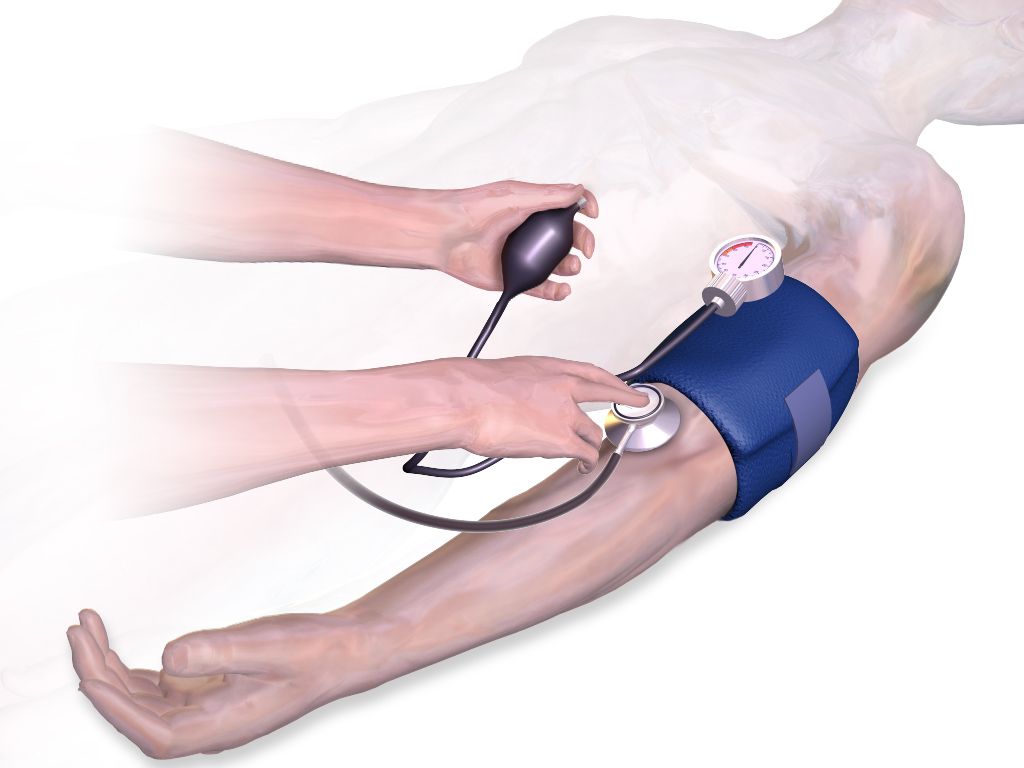
Assessment is an intervention, not a form
Students often approach the mental status examination the way they approach an admission checklist: a set of boxes to be filled so the chart is complete. That framing produces bad data. A person who feels processed will tell you very little, and what they do tell you will be the socially acceptable version. A person who feels heard will tell you about the voice that has been telling them they are worthless, about the pills they have been counting, about the night three years ago that they have never said out loud. The quality of your assessment is limited by the quality of the relationship you build in the first ninety seconds — which means the interview is simultaneously your diagnostic tool and your first therapeutic act.
The MSE is also, crucially, a cross-sectional instrument. It describes how the person is presenting during this encounter, not who they are as a human being and not what their diagnosis is. A person can have a completely unremarkable mental status examination at 10 a.m. and be in acute crisis by 8 p.m. This is why psychiatric units repeat the exam every shift, and why your documentation must be time-stamped and specific. “Patient appears stable” is not an assessment. “At 0800, seated in dayroom, made brief eye contact, speech spontaneous, denied suicidal ideation when asked directly” is.
Keep two categories of data cleanly separated in your head and on the page. Observed data are what you can see and hear: pacing, tearfulness, latency before answering, the fact that the person kept glancing at the corner of the ceiling. Reported data are what the person tells you, ideally captured in their own words inside quotation marks. Mixing them produces the single most common documentation error in mental health nursing — recording an inference as if it were a finding. “Patient is anxious” is an inference. “Patient wrung hands continuously, respirations 24, stated ‘I feel like something terrible is about to happen’” is the finding that supports it.
Setting up: safety, seating and the environment
Before you begin, set up the room. Both you and the patient should have an unobstructed path to the door; neither of you should be boxed in. Sit at an angle rather than squarely face-to-face, which reads as confrontational, and at the same eye level — standing over a seated person amplifies a power difference that is already lopsided. Remove obvious risks from arm’s reach: scissors, pens on lanyards, IV poles, cords, anything with a cord or a point. Wear your identification on a breakaway lanyard, keep long hair tied back, and remove dangling jewellery. If your unit issues a personal alarm, carry it and know how to activate it without looking down.
Tell a colleague where you are and roughly how long you expect to be. On an inpatient unit, this is a routine courtesy; in a community or home visit it is a non-negotiable safety practice. If your gut tells you the encounter may become unsafe — the person is pacing, shouting, intoxicated, or has a documented history of assault in the last 24 hours — do the interview with a second staff member present, or defer the non-urgent parts of it. Deferring is a clinical decision, not a failure. You can complete a focused safety assessment now and the full history when the person is calmer.
Privacy is part of safety. Assessment questions about suicide, sexual trauma, substance use and abuse cannot be asked meaningfully across a curtain in a four-bed bay or in a corridor. If a truly private space is impossible, say so out loud: “I want to ask you some personal questions and I know this space is not very private. Tell me if you would rather wait until we can move somewhere quieter.” Naming the limitation preserves trust; pretending it does not exist does not.
Trauma-informed interviewing
The working assumption in mental health nursing is that any person in front of you may have a trauma history, that they may not have disclosed it, and that ordinary clinical routines can unintentionally reproduce the dynamics of that trauma — being held down, being undressed, being told what will happen to their body without being asked, having their account disbelieved. Trauma-informed care is not a therapy you deliver; it is a way of conducting every interaction so that it does not re-traumatise. Its core principles are safety, trustworthiness and transparency, peer support, collaboration, choice and empowerment, and attention to culture, history and gender.
In practice this means you explain before you act and ask before you touch. “I need to take your blood pressure — is it all right if I put this cuff on your arm?” costs three seconds and returns control to a person who may have had very little of it. It means giving genuine choices where they exist: which chair, whether the door stays open, whether we cover the trauma history today or next visit. It means never requiring a person to recount details of an assault to satisfy your curiosity or the completeness of a form; you need to know that trauma occurred and how it affects them now, not a scene-by-scene account.
The signature reframe is from “What is wrong with you?” to “What happened to you?” The first invites the person to defend themselves; the second invites a history. Watch, too, for signs that the interview has gone too far too fast: the person’s voice flattens, they stop tracking you, they stare through you, they say they feel far away or unreal. That is dissociation, and the correct response is not to press on with your questions. Ground them — name the room, the day, your name, invite them to feel their feet on the floor or to hold something cool — and resume only when they are back with you, or stop.
Opening lines that work, and the ones that close a door
Openings matter disproportionately because the person is deciding, in the first exchange, whether you are safe to talk to. Begin with your name, your role and the purpose and length of the conversation, then hand them an open door: “I am the nurse looking after you today. I have about twenty minutes and I would like to understand what has been happening for you. Where would you like to start?” Then be quiet. The single most common student error is filling silence. Silence is not empty; it is where the person decides what to say.
| Situation | Non-therapeutic response | Therapeutic response | Why the difference matters |
|---|---|---|---|
| Person says “There is no point in any of this.” | “Of course there is — you have so much to live for.” | “No point in any of this. Tell me what you mean by that.” | Reassurance shuts down the disclosure and tells the person their feeling is wrong. Reflecting their own words invites them to say more, and this is exactly the moment a suicide screen should follow. |
| Person cries and cannot speak. | “Don’t cry. Everything is going to be fine.” | Stay, offer tissues, wait. “Take your time. I am not going anywhere.” | “Don’t cry” serves the nurse’s discomfort, not the patient. Tolerating distress without fixing it is a skill and it communicates that the person is not too much. |
| Person describes a belief you know is not true. | “That is not real. Nobody is putting cameras in your flat.” | “I do not see it the same way, and I can hear that it feels completely real to you. How frightening has that been?” | Arguing with a delusion entrenches it and puts you on the list of people who cannot be trusted. You neither agree nor debate — you validate the emotion and stay connected. |
| Person hesitates before answering about drinking. | “You are not drinking again, are you?” | “About how much are you drinking on a typical day at the moment?” | The first is a leading question that signals the right answer and invites concealment. The second is neutral, assumes nothing, and produces usable quantity data. |
| Person asks “Do you think I am crazy?” | “Don’t be silly, of course not.” | “What worries you most about that question?” | Quick denial closes the topic. Exploring it surfaces the real fear — often about insight, medication, or losing custody or a job. |
| Person will not answer and looks away. | “I need you to cooperate so I can finish this form.” | “You do not have to answer that now. Can I check back with you after lunch?” | Framing silence as non-cooperation makes the chart adversarial. Offering a return preserves the relationship and usually gets you the answer later. |
How you set up the encounter — safe room, private space, permission asked, silence tolerated, trauma assumed possible — determines the quality of every piece of data that follows.
Section 2The Mental Status Examination, Component by Component
Appearance, behaviour and motor activity
Begin describing before you begin asking. Appearance covers apparent versus stated age, build, grooming, hygiene, dress and its appropriateness to the weather and setting, distinguishing features such as scars, tattoos, injection sites, healed or fresh self-injury, tremor, or the flat, unblinking face of parkinsonism. Note whether clothing is dishevelled, whether it is layered oddly, whether it is flamboyant and mismatched in a way that fits hypomania. Note odours — alcohol, ketones, unwashed clothing — without editorialising. All of this is written as description: “dressed in three sweaters in warm weather, clothing soiled” rather than “poorly kempt.”
Behaviour and motor activity cover eye contact, cooperation with the interview, and the quantity and quality of movement. Psychomotor agitation is restlessness, pacing, wringing, inability to stay seated. Psychomotor retardation is slowing of movement and response so marked that the person may take several seconds to begin answering. Look specifically for medication-related movement: akathisia, a subjective inner restlessness with visible rocking or marching in place that patients describe as unbearable and that is frequently misrecorded as anxiety; the sustained, painful muscle contraction of acute dystonia — torticollis, jaw spasm, upward-fixed eyes in oculogyric crisis, and the laryngeal spasm that makes it an airway emergency — which appears within hours to days of a dose and is reversed with intramuscular anticholinergics; the rhythmic lip-smacking, tongue-rolling and choreiform finger movements of tardive dyskinesia, which emerges after months to years and may be irreversible; and the pill-rolling tremor, bradykinesia and cogwheel rigidity of drug-induced parkinsonism.
Also watch for catatonia, which is under-recognised and dangerous. Its features include immobility or stupor, mutism, negativism (resisting all instruction), posturing, waxy flexibility where a limb stays where you place it, echolalia (repeating your words) and echopraxia (copying your movements). Catatonia can also be excited and agitated. It carries real medical risk — dehydration, pressure injury, venous thromboembolism, rhabdomyolysis — and it can be the presentation of a medical illness, so it is escalated, not simply observed.
Speech, mood and affect
Describe speech by its form, not its content: rate, rhythm, volume, quantity, latency and prosody. Pressured speech is rapid, difficult to interrupt and often loud, and is a hallmark of mania. Poverty of speech, or alogia, means minimal spontaneous output and brief, empty replies, and is a negative symptom of schizophrenia as well as a feature of severe depression. Increased latency — a long pause before each answer — suggests psychomotor retardation, thought blocking, intoxication or a cognitive problem. Slurred speech (dysarthria) and word-finding failure (aphasia) point toward a neurological or toxic cause and should raise your index of suspicion for a medical mimic.
Then separate the two most commonly confused items in the whole exam. Mood is subjective and sustained: what the person tells you their emotional state has been, ideally in quotation marks — “numb,” “hopeless,” “fine, I guess.” Affect is objective and momentary: the emotional expression you observe, described along four axes — quality (euthymic, dysphoric, euphoric, irritable, anxious), range (full, restricted, blunted, flat), stability (stable or labile) and congruence with the stated mood and the content being discussed. A person who says “I am fine” while weeping has a mood of “fine” and an affect that is dysphoric and incongruent, and that mismatch is itself a finding.
Precision matters here because affect terms have specific meanings that examiners test. Restricted affect shows reduced intensity but is still clearly present. Blunted affect is a substantial reduction in expressed emotion. Flat affect is essentially absent expression — an immobile face, monotone voice, no gesture. Labile affect shifts abruptly and disproportionately, with tears becoming laughter within a minute. Incongruent affect — giggling while describing a bereavement — is a classic finding in psychosis but also occurs with anxiety and with some neurological disease, so it is described rather than interpreted.
Thought process and thought content
Thought process is how a person thinks: the organisation and flow of their ideas as revealed by their speech. Normal process is linear, logical and goal-directed. Circumstantial thinking wanders through unnecessary detail but eventually arrives at the point. Tangential thinking veers off and never returns. Loosening of associations means ideas shift with no logical link between them. Flight of ideas is rapid jumping between topics with recognisable connections, typical of mania. Thought blocking is an abrupt stop mid-sentence with the thought apparently gone. Other findings include perseveration, neologisms (invented words), clang associations (rhyme-driven speech) and, at the severe end, word salad.
Thought content is what the person is thinking. This includes delusions — fixed, false beliefs not explained by the person’s culture or faith and not shifted by contradictory evidence. Name the type: persecutory, grandiose, referential (ordinary events are messages aimed at them), somatic, nihilistic, erotomanic, or the passivity phenomena of thought insertion, thought withdrawal, thought broadcasting and delusions of control. Content also covers obsessions, compulsions, phobias, overvalued ideas, ruminations, poverty of content, and — always, without exception — suicidal and homicidal ideation. Record these in the person’s own words.
Two documentation habits will serve you for your entire career. First, quote verbatim for thought content: “They put a chip behind my left ear when I was in the emergency department” conveys more, and is more defensible, than “paranoid delusions present.” Second, distinguish what the person believes from what they intend to do about it. A persecutory delusion with no plan of action is a symptom; the same delusion with a named target, a stated intent and access to a weapon is an emergency, and the difference lives in your assessment questions, not in the diagnosis.
Perception, cognition, insight and judgement
Perceptual disturbance is asked about directly and unembarrassed: “Do you ever hear voices or other sounds when there is no one there?” and, if yes, “What do they say? Do they ever tell you to do things? Do you feel you have to obey?” Command hallucinations instructing self-harm or harm to others are a specific risk finding and must be documented and escalated. The modality matters diagnostically: auditory hallucinations are most typical of primary psychotic illness, whereas prominent visual hallucinations point toward delirium, substance intoxication or withdrawal, or a neurocognitive disorder such as Lewy body dementia; tactile hallucinations such as the sensation of insects on the skin suggest stimulant use or alcohol withdrawal; olfactory hallucinations raise the possibility of temporal lobe seizure. Illusions (misinterpreting a real stimulus), depersonalisation and derealisation belong here too.
Cognition, sometimes charted as sensorium, covers level of consciousness, orientation to person, place, time and situation, attention and concentration, immediate and delayed recall, remote memory, language, abstraction and calculation. Screen attention with serial sevens, spelling a five-letter word backwards, or reciting the months of the year in reverse. Test registration and three-item delayed recall. Test abstraction with proverb interpretation or similarities (“How are an apple and an orange alike?”), remembering that concrete answers can reflect education and language background as well as illness. Fluctuating attention is the single most important cognitive finding on a general ward because it is the core feature of delirium.
Insight is the person’s awareness that they are unwell, that their experiences are symptoms, and that treatment may help; describe it as full, partial or absent, and say what it is based on. Absent insight is not stubbornness — in schizophrenia and in some neurological conditions it can be anosognosia, a neurologically based inability to perceive one’s own deficit. Judgement is the capacity to make reasoned decisions and to anticipate consequences, and it is best assessed from real recent behaviour (“You left the flat at 2 a.m. without shoes — walk me through what you were thinking”) rather than from artificial scenarios about stamped envelopes.
| MSE domain | What you actually observe or ask | Descriptive terms to use |
|---|---|---|
| Appearance | Apparent age, build, grooming, dress, hygiene, scars or injection sites, odour | Dishevelled, meticulous, malodorous, dressed inappropriately for weather, healed linear forearm scars |
| Behaviour and motor | Eye contact, cooperation, movement quantity, abnormal movements | Psychomotor agitation or retardation, akathisia, tremor, tardive dyskinesia, guarded, catatonic features |
| Speech | Rate, volume, quantity, latency, prosody, articulation | Pressured, poverty of speech, increased latency, monotone, slurred, mute |
| Mood | “How has your mood been over the past couple of weeks?” | Patient’s own words in quotation marks — “empty,” “wired,” “desperate” |
| Affect | Observed expression: quality, range, stability, congruence | Euthymic, dysphoric, euphoric, irritable, restricted, blunted, flat, labile, congruent or incongruent |
| Thought process | Organisation and flow of ideas across the interview | Linear and goal-directed, circumstantial, tangential, loose associations, flight of ideas, thought blocking, perseveration |
| Thought content | Delusions, obsessions, ruminations, suicidal and homicidal ideation | Persecutory or grandiose delusion, thought broadcasting, obsessional, verbatim quotes for all risk statements |
| Perception | “Do you hear or see things others do not?” plus modality and command content | Auditory, visual, tactile or olfactory hallucinations; illusions; depersonalisation; derealisation |
| Cognition | Consciousness, orientation, attention, recall, language, abstraction | Alert and oriented to all four spheres, inattentive on months backward, three of three recall at five minutes, concrete abstraction |
| Insight and judgement | Awareness of illness; recent real-world decisions | Full, partial or absent insight; judgement impaired as evidenced by a specific stated behaviour |
The MSE is a structured description of observable present-moment function — appearance, behaviour, speech, mood, affect, thought process, thought content, perception, cognition, insight and judgement — recorded in descriptive language and verbatim quotes, never in verdicts.
Section 3Around the Exam: History, Medical Mimics, Cognition and Culture
The history that frames the exam
The MSE tells you how someone is now; the history tells you what that means. Gather the presenting problem in the person’s own words and its timeline — onset, course, triggers, what has helped. Take a psychiatric history: previous episodes, previous diagnoses, hospitalisations, previous suicide attempts and self-injury, medication trials and what happened with each, previous response to psychological therapy, and whether each previous admission was voluntary or involuntary. A past suicide attempt is the single strongest historical predictor of a future one, so it belongs on the front page of your assessment, not buried in the social history.
Then take the rest: full medication list including over-the-counter drugs, herbal products and anything borrowed from a relative; allergies; a substance history that asks about alcohol, nicotine, cannabis, stimulants, opioids, benzodiazepines and novel substances by name with quantity, route and time of last use; medical history and current physical symptoms; family psychiatric history including any deaths by suicide; and a developmental, trauma and social history covering housing, income, work or study, caregiving responsibilities, legal matters, firearms in the home, and who the person can actually call at 2 a.m.
Finally, ask what is going right. Strengths and protective factors are assessment data, not decoration: a person who has a job to return to, a dog to feed, a faith community, a sponsor, a child they are raising, or a treatment relationship they value has anchors that belong in your plan. Assessments that record only deficits produce plans that address only deficits, and they miss the levers that actually keep people alive.
Rule out the body: medical mimics
The most consequential error in psychiatric assessment is attributing a medical presentation to mental illness. Any new or abruptly changed psychiatric presentation — and especially new-onset psychosis after age 40, visual hallucinations, fluctuating consciousness, focal neurological signs, incontinence, abnormal vital signs or a first seizure — requires a medical workup before it is called psychiatric. Baseline investigation typically includes vital signs including temperature and oxygen saturation, capillary glucose, full blood count, electrolytes, calcium, renal and liver function, thyroid function, vitamin B12 and folate, urinalysis with culture in older adults, pregnancy testing where relevant, toxicology and, depending on presentation, electrocardiogram and neuroimaging.
Learn the classic mimics as a list you can run through automatically. Hypoglycaemia and hypoxia produce agitation and confusion within minutes. Infection, particularly urinary and respiratory, is the most common precipitant of delirium in older adults and may occur without fever. Hypothyroidism mimics depression; hyperthyroidism mimics anxiety and mania. Hyponatraemia, hypercalcaemia, hepatic encephalopathy and uraemia all produce cognitive and behavioural change. Corticosteroids, anticholinergics, interferon and stimulant decongestants all have well-described psychiatric effects, as do intoxication with and withdrawal from alcohol, benzodiazepines, stimulants and opioids.
Two mimics deserve particular attention because missing them is catastrophic. Alcohol withdrawal can progress to delirium tremens at roughly 48 to 96 hours after the last drink, with autonomic instability and a real mortality rate; it is not managed on a behavioural unit with reassurance. And autoimmune encephalitis, notably anti-NMDA receptor encephalitis, presents in young people with acute psychosis, catatonia, seizures, movement disorder and autonomic instability, and is treatable if recognised. The general rule stands: if the presentation is acute, fluctuating, or accompanied by abnormal vital signs or focal signs, treat it as medical until proven otherwise.
| Medical cause | Psychiatric presentation it imitates | Clue that it is not primary psychiatric illness |
|---|---|---|
| Hypoglycaemia | Agitation, confusion, aggression, anxiety | Diaphoresis, tremor, rapid resolution with glucose — always check a capillary glucose first |
| Hypoxia | Restlessness, agitation, confusion | Low oxygen saturation, tachypnoea, cyanosis; agitation is a late and ominous sign |
| Urinary or respiratory infection in an older adult | Acute confusion, hallucinations, behavioural change | Abrupt onset over hours to days, fluctuating attention, often afebrile |
| Hypothyroidism | Depression, fatigue, cognitive slowing | Cold intolerance, constipation, bradycardia, dry skin, raised thyroid-stimulating hormone |
| Hyperthyroidism | Anxiety, panic, mania | Weight loss, heat intolerance, tremor, tachycardia, suppressed thyroid-stimulating hormone |
| Hyponatraemia or hypercalcaemia | Depression, confusion, psychosis | Nausea, weakness, seizures, laboratory abnormality on basic chemistry |
| Vitamin B12 deficiency | Depression, irritability, memory loss, psychosis | Macrocytic anaemia, paraesthesia, gait change, sore tongue |
| Alcohol or benzodiazepine withdrawal | Anxiety, agitation, hallucinations, psychosis | Tremor, tachycardia, hypertension, diaphoresis, timing after last use, seizures |
| Anticholinergic or corticosteroid effect | Delirium, mania, psychosis | Recent medication start or dose change; dry, flushed, febrile, dilated pupils, urinary retention |
| Autoimmune encephalitis | Acute psychosis, catatonia | Young person, rapid onset, seizures, movement disorder, autonomic instability |
Cognitive screening and detecting delirium
Cognitive screening tools are not diagnostic; they are triage instruments that tell you whether more assessment is needed and give you a reproducible number to track over time. The Mini-Cog is fast — three-word registration, clock drawing, three-word recall — and useful when time is short. The Montreal Cognitive Assessment (MoCA) is scored out of 30 with a conventional cut-off around 26, is more sensitive than older tools to mild cognitive impairment and executive dysfunction, and includes an adjustment of one point for people with twelve or fewer years of formal education. Whichever tool you use, record the actual score and the version, not just “cognition intact.”
For delirium the instrument that matters is the Confusion Assessment Method (CAM), which is positive when there is (1) acute onset or a fluctuating course and (2) inattention, plus either (3) disorganised thinking or (4) an altered level of consciousness. Features one and two are both required. That structure is worth memorising because it captures the essential distinction from dementia: delirium has an acute onset over hours to days, fluctuates through the day, and impairs attention early, while dementia has an insidious onset over months to years with attention relatively preserved until late. Hypoactive delirium — the quiet, withdrawn, slowed-down form — is the most commonly missed and is frequently mislabelled as depression.
Interpret all cognitive screening in context. Poor performance may reflect sensory impairment, so put the person’s glasses and hearing aids on before you test. It may reflect language, education, pain, sedation, sleep deprivation, or simply that the person is being tested at 4 a.m. Never screen a person for cognitive impairment and file the result without noting these modifiers, and never use a screening score alone to justify a conclusion about capacity. Capacity is decision-specific and time-specific — a person may lack capacity to decide about surgery at 3 a.m. and have it back by morning, and may retain capacity to choose where they sit while lacking it for a discharge decision. It turns on whether the person can understand the relevant information, retain it long enough to use it, weigh it, and communicate a choice, not on whether their answer is the one you would have picked. A diagnosis, a low MoCA and a refusal of treatment are each, on their own, evidence of nothing about capacity.
Culture, language and collateral information
What counts as a symptom is partly cultural. Beliefs about spirits, ancestors, possession, the evil eye or divine communication may be entirely normative within a person’s community, and a belief shared by that community is not a delusion. Distress is also expressed differently across cultures, often somatically — as burning in the body, heaviness in the head, or heart distress — rather than as reported sadness. Ask what the person and their family think is causing the problem, what they call it, and what kind of help they think is needed. Practise cultural humility: you are the expert on the assessment, they are the expert on their world.
Use professional interpreters, never family members and never children, for anyone whose preferred language is not the language of the interview. A relative interpreting will filter, soften and omit, especially around suicide, sexuality, substance use and abuse — the exact areas you most need accurate. Speak to the patient rather than to the interpreter, use short segments, and allow additional time. Document that an interpreter was used and in what language.
Collateral information from family, carers, group homes, primary care, pharmacy records and previous notes is often what makes an assessment safe, particularly when the person minimises symptoms, is cognitively impaired, or is acutely psychotic. Seek consent where you can; where the person cannot or will not consent, most jurisdictions permit you to receive information from a concerned relative even when you cannot disclose it, and there are recognised emergency exceptions when there is serious risk. Note who gave the information and how it fits or conflicts with the person’s own account. Be straight about the limits of confidentiality at the start of the interview rather than discovering them halfway through a disclosure: what a person tells you stays inside the treating team, but you are obliged to act when there is a serious risk to their own life, a serious risk to an identifiable other person — the duty to warn and protect — or suspected abuse or neglect of a child, a dependent adult or an older adult. Saying this in the first minute is fairer than apologising for it afterwards, and in practice it rarely stops anyone talking.
The mental status exam is only interpretable alongside the history, a deliberate search for medical mimics, structured cognitive and delirium screening, cultural context and collateral information.
Section 4Asking About Suicide Directly
The myth that has to be named and refuted
Students arrive believing that asking about suicide might put the idea in someone’s head. This is false, it has been studied repeatedly, and the evidence points the other way: asking directly about suicidal thoughts does not increase ideation or attempts, and for many people it reduces distress because it is the first time anyone has been willing to say the word. Avoidance is what does harm. When nurses hint — “You’re not thinking of doing anything silly, are you?” — the person learns that the topic is unspeakable, and they answer the question they were asked, which was an invitation to say no.
So ask plainly, in a matter-of-fact voice, using the word. “Sometimes when people are going through what you are going through, they have thoughts of killing themselves. Have you had thoughts like that?” The normalising preface makes it easier to say yes. If the answer is yes, do not react with alarm; alarm teaches the person to stop talking. Stay with them, thank them for telling you, and keep going with the next questions. Your calm is the intervention.
Language matters here as much as anywhere in nursing. Say a person died by suicide, not “committed suicide” — committing is what one does with a crime or a sin, and the phrase carries centuries of moral judgement. Say a suicide attempt was fatal or non-fatal, not “successful” or “failed.” Never describe an attempt as a “gesture” or “manipulative”: low-lethality attempts are strongly associated with later fatal ones, and dismissing them has killed people. The same discipline governs the rest of your vocabulary. A person is not “a schizophrenic,” “a borderline” or “an anorexic” but a person living with schizophrenia, with borderline personality disorder, with anorexia nervosa; not “an addict,” “an abuser” or “a substance abuser” but a person with a substance use disorder. Toxicology screens are positive or negative, never “clean” or “dirty.” And nobody is “committed” by a nurse — the term is involuntary admission, a legal process with defined criteria, review and a right of appeal. These are not points of etiquette. Labelling language measurably changes how much analgesia, how much explanation and how much benefit of the doubt the next clinician offers. Screening is also increasingly universal rather than selective — national safety standards now direct that all patients presenting for behavioural health conditions be screened with a validated tool, precisely because clinical impression alone performs poorly.
Ideation, plan, intent, access — the four questions that structure the screen
A suicide risk assessment is not a yes-or-no item; it is a graded sequence, and each step changes the plan. Ideation is having thoughts of death or of killing oneself, which may be passive (“I wish I would not wake up”) or active (“I think about hanging myself”). Plan is a specific method, and its specificity, lethality and rehearsal matter enormously — “I would take pills” is different from “I have counted out sixty tablets and chosen Saturday when my sister is away.” Intent is the degree to which the person wants to act and expects to. Access to means is whether the method is available right now, and it is the element you can most often change.
Ask the whole ladder, in order, and do not stop early because the first answer sounded reassuring. Also ask about preparatory behaviour, which is frequently missed and highly predictive: giving away possessions, writing a note, updating a will, saying goodbyes, researching methods, buying the means. Ask about the previous attempt in the same detail — when, method, what happened, was it interrupted, did the person expect to die, how do they feel about having survived. A person who regrets surviving is at higher risk than a person who is relieved.
| Step | Ask it like this | What a concerning answer sounds like | What it changes |
|---|---|---|---|
| Ideation | “Have you had thoughts of killing yourself?” “How often, and how long do the thoughts stay?” | “Most of the day, every day, and they are getting louder.” | Triggers full assessment and documentation; frequency and duration guide observation level |
| Plan | “Have you thought about how you would do it?” | A specific method, place and time; steps already rehearsed | Specificity and lethality raise acuity sharply; the named method drives means restriction |
| Intent | “How close have you come to acting on this?” “What has stopped you so far?” | “Nothing is stopping me now” or the loss of a previously protective reason | Loss of deterrents is a major escalation; requires immediate safety measures and provider notification |
| Access to means | “Do you have a firearm at home? Where are your medications kept?” | Loaded firearm in the bedroom; a hoarded supply of tablets | Directly actionable — means restriction, involving a support person, securing or removing the method |
| Preparatory acts | “Have you done anything to get ready — written anything, given things away?” | A note written; pet rehomed; goodbye messages sent | Preparatory behaviour indicates high acuity even if the person denies current intent |
| Protective factors | “What has kept you going?” | Silence, or “nothing anymore” | Identifies levers for the safety plan; their disappearance is a warning in itself |
Risk factors, protective factors and the limits of scoring
Risk factors give you epidemiological context, not prediction for an individual. The strongest are a previous suicide attempt and current active ideation with a plan. Others include a mood disorder, a substance use disorder, psychosis with command hallucinations, chronic pain or terminal illness, recent discharge from psychiatric care (the first weeks after discharge carry markedly elevated risk), a recent loss such as bereavement, relationship breakdown, job loss, legal trouble or humiliation, social isolation, access to firearms, family history of suicide, being a member of a group facing discrimination, and being an older adult man. Hopelessness deserves special mention: it predicts risk more reliably than sadness does. One treatment-related window belongs on the list as well. Antidepressants take roughly two to six weeks to lift mood, but psychomotor energy, initiative and concentration frequently return first — which can leave a person with the drive to act on thoughts they already had while the hopelessness has not yet shifted. The early weeks of treatment, and the weeks after any dose change, are therefore a period of raised risk in which you increase monitoring rather than relax it, and this applies with particular force to adolescents and young adults.
Protective factors include responsibility for children or dependants, pregnancy, a strong therapeutic alliance, meaningful social connection, religious or cultural beliefs that prohibit suicide, engagement in treatment, effective problem-solving and reasons for living the person can articulate. Protective factors are real but they are not armour — they can vanish in an afternoon, and a person with many of them can still die. Never document “low risk” on the strength of protective factors when the person has active intent.
Structured tools help standardise the conversation. The Columbia Suicide Severity Rating Scale (C-SSRS) is widely used and walks through ideation severity, intensity, and behaviour. The Ask Suicide-Screening Questions (ASQ) tool is a brief four-question screen validated for medical settings including paediatrics. Item nine of the PHQ-9 functions as a screening trigger, not an assessment. Older checklist scores such as SAD PERSONS have poor predictive validity and should not be used to make disposition decisions. Understand what these tools do: they structure and document, they do not predict, and no score overrides your clinical judgement or a patient telling you they intend to die.
Means restriction and collaborative safety planning
Means restriction is among the most effective suicide-prevention interventions that exists, because suicidal crises are frequently short-lived and highly method-specific. Putting time and physical distance between a person and their chosen method converts a lethal moment into a survivable one. In practice: counsel about securing or temporarily removing firearms from the home (firearms account for the majority of suicide deaths in the United States and are the most lethal method by a wide margin), dispense medication in limited quantities or blister packs, involve a trusted person to hold medication, secure sharps, and address ligature points and access to heights on inpatient units. Ask about firearms explicitly and without apology — it is a clinical question, like asking about allergies.
Then build a safety plan with the person, not for them. The widely used format has six collaborative steps: identifying the person’s own warning signs; internal coping strategies they can use alone; people and social settings that provide distraction; specific people they can ask for help, named with numbers; professionals and crisis services, including the 988 Suicide and Crisis Lifeline in the United States; and making the environment safer. It is written in the person’s words, they keep a copy, and it is revisited and revised rather than filed.
What you do not do is ask a patient to sign a “no-suicide contract” or “contract for safety.” There is no evidence these reduce suicide, they carry no legal protection, they can suppress honest disclosure because the person does not want to disappoint you, and they falsely reassure staff. Replace the contract with the safety plan, means restriction, an appropriate level of observation and a follow-up appointment that is actually booked. On the unit, remember that observation is a nursing intervention with a prescribed level — general, intermittent at a specified interval, or continuous one-to-one within arm’s reach — and that the level is a clinical decision made by a registered nurse or provider, never by the person carrying it out.
Ask about suicide directly and by name, take the ladder from ideation to plan to intent to access to preparatory acts, restrict lethal means, and build a written collaborative safety plan — never a no-harm contract.
Section 5Other Risk Screens, Delegation, Documentation and Escalation
Non-suicidal self-injury is not a failed suicide attempt
Non-suicidal self-injury (NSSI) is deliberate damage to one’s own body tissue without intent to die — most often cutting, burning, scratching or hitting. Its function is usually regulatory: to interrupt overwhelming emotion, to end dissociation and feel something, to convert unbearable internal pain into a manageable external one, or to express distress that cannot be spoken. Assess it as you would any behaviour: what happened just before, what the person hoped it would change, what it actually achieved, method and location, whether it required medical care, and — separately and explicitly — whether there was any intent to die.
You must ask the intent question separately every single time, because NSSI and suicidal behaviour can occur in the same person, sometimes in the same episode, and because NSSI is itself a substantial risk factor for later suicide. Never assume that because someone has self-injured many times without dying, this episode is the same. Assess each one.
Respond with matter-of-fact care and curiosity, not disgust, alarm or reward. Treat the wound competently and without commentary. Do not make attention contingent on injury — that is, do not become warm and available only after self-injury and distant otherwise — and equally, never withhold basic humane care as a consequence. Ask what the person needs instead next time, and work on alternative regulation strategies, distress tolerance skills and the triggers you identified. Language check: this is a person who self-injures, not a “cutter,” and the behaviour is communication, not manipulation.
Aggression risk: screen it, then de-escalate
Start with the truth that undoes the stereotype: people living with mental illness are far more likely to be the victims of violence than the perpetrators of it, and the great majority never harm anyone. Violence risk on a behavioural unit is driven less by diagnosis than by state — intoxication or withdrawal, delirium, acute pain, fear, akathisia, being told no without explanation, and a history of previous violence, which remains the best single predictor. Structured tools such as the Brøset Violence Checklist track six observable behaviours over each shift: confusion, irritability, boisterousness, physical threats, verbal threats and attacking objects.
Recognise escalation early, when it is still cheap to interrupt: pacing, raised voice, clenched fists or jaw, refusing to sit, invading personal space, staring, sudden silence after agitation, and demands that repeat. At that point de-escalate before anything else. Give the person space — two arm-lengths, no cornering, an exit for each of you. Reduce stimulation: fewer staff visible, lower voices, television off. One nurse speaks. Use the person’s name, a low slow voice, short sentences. Acknowledge the feeling out loud and offer real choices: “You are furious that the visit was cancelled. Would it help to talk in the quiet room, or would you rather walk with me for a bit?” Offer food, drink, a phone call, medication if it is ordered as needed, or simply time.
Seclusion and restraint are last-resort interventions used only when there is an imminent risk of serious harm and less restrictive measures have failed or are clearly inadequate, and the least restrictive effective option is always taken first. They are never used for staff convenience, for punishment, for coercion or as a substitute for adequate staffing. They require an order from an authorised prescriber, cannot be ordered as needed, are time-limited by regulation with tighter limits for children and adolescents, require an in-person evaluation within a defined window, and require continuous or very frequent monitoring of circulation, airway, hydration, toileting, skin and vital signs, with documentation and a debrief afterwards. The full legal detail belongs to the chapters on law and on crisis; what belongs here is the assessment discipline that keeps you from needing them.
Withdrawal, interpersonal violence and the screens that are easy to skip
Substance withdrawal is a medical emergency hiding inside a psychiatric presentation. For alcohol, use the CIWA-Ar, which scores ten items including tremor, sweating, nausea, anxiety, agitation, headache, sensory disturbance and orientation; scores in the mid range typically trigger symptom-triggered medication and higher scores signal serious risk. Know the timeline: minor withdrawal from about 6 to 24 hours, seizures commonly between 12 and 48 hours, alcoholic hallucinosis around 12 to 24 hours, and delirium tremens from roughly 48 to 96 hours. For opioids, the COWS scale grades severity; opioid withdrawal is intensely unpleasant and dangerous in pregnancy and with severe dehydration, but rarely lethal in itself — the lethal risk comes after, when tolerance has dropped and a person returns to a previous dose.
Screen for interpersonal and domestic violence privately, always without the accompanying person in the room, and never through a family interpreter. Frame it universally: “Because it is so common, I ask everyone — has anyone at home hurt you, threatened you, or made you afraid?” If the answer is yes, do not push for a plan to leave, which is the most dangerous period; validate, assess immediate safety and access to a safe place, document objectively, offer resources and involve social work, and know your jurisdiction’s mandatory reporting rules for children, dependent adults and older adults. Screen also for human trafficking indicators, for food and housing insecurity, and for firearm access in the home — these are clinical data.
Finally, watch for the medication emergencies that first present as a change in mental status, because a nurse doing a routine mental status check is often the person who catches them: the hyperthermia, rigidity, altered consciousness and autonomic instability of neuroleptic malignant syndrome; the agitation, clonus, hyperreflexia, diaphoresis and hyperthermia of serotonin syndrome. Do not let those two blur together, because the discriminators are testable and they change what you do. Neuroleptic malignant syndrome builds over days after an antipsychotic is started, increased or switched, and gives you generalised lead-pipe rigidity with normal or reduced reflexes, marked hyperthermia, a rising creatine kinase and a risk of rhabdomyolysis and renal failure; the antipsychotic is stopped, and treatment is aggressive cooling and supportive care, with dantrolene or bromocriptine if needed. Serotonin syndrome comes on within hours of starting, increasing or combining serotonergic drugs, and gives you hyperreflexia and inducible clonus that are most marked in the legs, together with dilated pupils, hyperactive bowel sounds, tremor and diarrhoea; the serotonergic agents are stopped, and treatment is supportive care with benzodiazepines and, if severe, cyproheptadine. Rigidity with hyporeflexia after an antipsychotic points to NMS; clonus with hyperreflexia after a serotonergic drug points to serotonin syndrome.
Three other bedside catches belong with them. Lithium toxicity announces itself as coarse tremor, vomiting, diarrhoea, ataxia, slurred speech and confusion; the therapeutic range is narrow at roughly 0.6 to 1.2 mEq/L, toxicity appears above about 1.5, and anything that concentrates the drug tips a stable patient over — dehydration, vomiting or diarrhoea, heat and heavy sweating, sodium restriction, and the classic interacting drugs, which are NSAIDs, thiazide diuretics and ACE inhibitors. Fever, sore throat or any infection in a person taking clozapine is agranulocytosis until an absolute neutrophil count proves otherwise, which is exactly why clozapine carries mandatory scheduled ANC monitoring. A severe throbbing occipital headache with hypertension, sweating and neck stiffness in a person taking a monoamine oxidase inhibitor is a tyramine hypertensive crisis until proven otherwise — ask what they have eaten, because aged cheeses, cured and fermented meats, soy sauce, sauerkraut, tap beer and yeast extracts are the usual culprits. Remember too that benzodiazepines, so often given for agitation, can themselves produce the change in mental status you are assessing: oversedation and respiratory depression, especially combined with opioids or alcohol, falls and confusion in older adults, anterograde amnesia, and paradoxical disinhibition in which the person becomes more agitated rather than less. These are covered mechanistically in the psychopharmacology chapter, but they are found at the bedside during assessment.
Documenting, delegating and escalating
Document the assessment in the same structure every time so that nothing is skipped and so that changes across shifts are visible. Use observed behaviour and verbatim quotes; state what was asked and what was answered, including negatives (“denied suicidal ideation, plan and intent when asked directly at 1400”); record the tool used, the score, and the version; record who else you spoke to and what you escalated, to whom, at what time, and what response you received. If a risk finding was communicated and nothing changed, document that too — escalation is a chain and each link needs a record.
Delegation on a behavioural unit follows the same rule as everywhere else: you may delegate tasks, never the nursing process. Assistive personnel can perform continuous or intermittent observation when given clear, specific instructions about level, distance and what to report; take and record vital signs; assist with hygiene, meals and activities of daily living; conduct environmental safety sweeps and searches per policy; escort patients; and report exactly what they see and hear. They cannot assess, screen for suicide risk, interpret findings, teach, evaluate response, decide or change an observation level, triage a phone call, or judge whether a statement about self-harm needs reporting — they report everything, and you assess it. The stability rule sits alongside the task rule: a patient who is unstable or changing quickly — actively suicidal, withdrawing, delirious, newly restrained or escalating toward violence — stays with the registered nurse, who keeps re-assessing rather than treating the assignment of an observer as though it were the whole of that person’s care.
| Red flag found during assessment | Immediate nursing action | SBAR escalation |
|---|---|---|
| Active suicidal ideation with a plan and available means | Do not leave the person alone; initiate continuous observation; remove or secure the named means; search per policy | S: Mr J in bed 4 has active suicidal ideation with a plan. B: Admitted yesterday for depression, one previous attempt by overdose. A: States he has hoarded his own tablets at home and intends to use them on discharge; denies any reason to stay alive. R: I have started one-to-one observation and need you to review him now and confirm the observation level. |
| Fever, rigidity, altered mental status in a person on an antipsychotic | Stop giving further doses pending review; full vital signs including temperature; cooling; nil by mouth pending review; prepare for transfer | S: Possible neuroleptic malignant syndrome. B: Haloperidol started three days ago. A: Temperature 39.4 degrees Celsius, rigid limbs, confused, heart rate 128, blood pressure labile. R: Please attend immediately; I have held the next dose and request urgent medical review and creatine kinase. |
| Acute confusion with fluctuating attention in an older adult | Capillary glucose, oxygen saturation, full vital signs, urinalysis, review medication list; orient, keep glasses and hearing aids on, reduce noise | S: Acute delirium. B: Admitted with depression, catheterised two days ago. A: CAM positive — acute onset, inattentive, disorganised speech; temperature 37.9, cloudy urine. R: Requesting medical review and urine culture now. |
| Escalating agitation with verbal threats | De-escalate: space, one speaker, reduce stimulation, offer choices; move others to safety; call for staff support early | S: Escalating agitation on the unit. B: Told an hour ago that leave was cancelled; history of assault. A: Pacing, shouting, has struck a door; verbal de-escalation attempted twice. R: Need additional staff now and a review of the as-needed medication order. |
| Command hallucinations to harm self or others | Ask directly about content, target, and whether the person feels compelled to obey; ensure a safe environment; do not leave alone | S: Command hallucinations with a named target. B: Known schizophrenia, medication stopped two weeks ago. A: States a voice is instructing her to hurt her neighbour and she is finding it hard to resist. R: Requesting urgent psychiatric review and guidance on duty-to-warn obligations. |
| Sudden calm and improved mood after severe depression | Do not reduce observation; assess directly for a decision made, preparatory acts and giving away possessions | S: Concerned about an abrupt change in presentation. B: Four weeks of severe depression with hopelessness. A: Today bright and settled, gave away a wristwatch, wrote letters. R: Requesting review before any change to observation level. |
Screen deliberately for self-injury, aggression, withdrawal and abuse; de-escalate before restricting; delegate tasks but never assessment; and close every risk finding with an observation level, a means-restriction action and a documented SBAR escalation.
The chapter in one breath
Psychiatric assessment is done with your presence, not with equipment. Set the encounter up so it is safe and private, assume that a trauma history may be present, ask permission, and tolerate silence — the interview is your diagnostic instrument and your first therapeutic act. The mental status examination describes the present moment across appearance, behaviour and motor activity, speech, mood, affect, thought process, thought content, perception, cognition, and insight and judgement. Write it descriptively and quote the person verbatim; mood is what they say, affect is what you see, and words like “manipulative” or “non-compliant” are judgements that harm patients rather than findings that help them. The exam only means something alongside a full history, a deliberate hunt for medical mimics, delirium and cognitive screening, cultural context and collateral information. Ask about suicide directly, by name — asking does not plant the idea — and take the ladder from ideation to plan to intent to access to preparatory acts. Restrict lethal means, build a written collaborative safety plan rather than a no-harm contract, screen for self-injury, aggression, withdrawal and abuse, de-escalate before you ever restrict, delegate tasks but never the nursing process, and close every risk finding with an observation level and a documented SBAR escalation.
Words worth knowing
| Term | What it means |
|---|---|
| Mental status examination (MSE) | A structured, cross-sectional description of a person’s present appearance, behaviour, speech, mood, affect, thinking, perception, cognition, insight and judgement. |
| Mood | The person’s own subjective, sustained emotional state, documented in their words. |
| Affect | The observed, moment-to-moment emotional expression, described by quality, range, stability and congruence with stated mood. |
| Blunted, flat and labile affect | Substantially reduced expression; essentially absent expression; and rapidly shifting, disproportionate expression, respectively. |
| Thought process | How thinking is organised and flows — linear, circumstantial, tangential, loose associations, flight of ideas, thought blocking. |
| Thought content | What the person is thinking — delusions, obsessions, ruminations, and always suicidal and homicidal ideation. |
| Delusion | A fixed, false belief that is not shared by the person’s culture or faith community and does not yield to contradictory evidence. |
| Command hallucination | A hallucination that instructs the person to act, notably to harm themselves or others; always assessed for content, target and compulsion to obey. |
| Akathisia | Medication-induced subjective inner restlessness with visible pacing or rocking, frequently and wrongly charted as anxiety. |
| Catatonia | A syndrome of motor and behavioural abnormality — stupor, mutism, negativism, posturing, waxy flexibility, echolalia — carrying real medical risk. |
| Anosognosia | A neurologically based inability to recognise one’s own illness or deficit; not denial and not refusal. |
| Delirium | An acute, fluctuating disturbance of attention and awareness caused by an underlying medical problem; the hypoactive form is the most commonly missed. |
| Confusion Assessment Method (CAM) | A delirium screen requiring acute onset or fluctuating course plus inattention, with either disorganised thinking or altered level of consciousness. |
| Trauma-informed care | Practising on the assumption that trauma may be present, prioritising safety, trust, choice, collaboration and empowerment to avoid re-traumatising. |
| Suicidal ideation, plan, intent and access | The four graded elements of a suicide screen: thoughts of dying, a specific method, the will to act, and current availability of the means. |
| Means restriction | Putting time and distance between a person and their preferred method — securing firearms, limiting medication supply, addressing ligature points. |
| Safety plan | A written, collaborative plan of warning signs, coping strategies, supportive people, crisis contacts and environmental safety steps, kept by the person. |
| Non-suicidal self-injury (NSSI) | Deliberate tissue damage without intent to die, usually serving emotional regulation; intent to die is asked about separately every time. |
| CIWA-Ar and COWS | Structured severity scales for alcohol withdrawal and opioid withdrawal that drive symptom-triggered treatment. |
| Collateral information | Data from family, carers, records and other services that verifies or completes a person’s own account, especially when insight is limited. |
Check yourself
Neurobiology and Psychopharmacology
Psychiatric medication is not a switch. It is a slow renegotiation with a nervous system that has spent years learning how to be the way it is, and the nurse is the person standing in that gap between the first dose and the day the person feels different. Understanding neurobiology is what turns a memorised side-effect list into clinical reasoning: if you know that a drug blocks dopamine in four separate pathways, you already know why the person’s hand trembles, why they cannot sit still, why their prolactin rose and why their voices quietened. This chapter walks the synapse first, then the major drug classes by mechanism, then the emergencies that kill people quickly — serotonin syndrome, neuroleptic malignant syndrome, lithium toxicity, agranulocytosis, a hypertensive crisis from a sandwich. It ends where nursing actually lives: teaching, adherence, the milieu, and the words you use when someone tells you they have stopped taking it.
By the end of this chapter you can
- Describe synaptic transmission, reuptake and receptor downregulation, and explain why most psychotropic medications produce side effects in days but therapeutic effects in weeks.
- Relate dopamine, serotonin, norepinephrine, GABA, glutamate and acetylcholine to the symptoms and adverse effects seen on a behavioural health unit.
- Compare antidepressant classes by mechanism, and teach the 2 to 6 week onset including the raised-risk window in which energy returns before mood does.
- Monitor lithium against a therapeutic range of 0.6 to 1.2 mEq/L, name the sodium and fluid interactions that push a level upward, and stage the signs of lithium toxicity.
- Distinguish extrapyramidal symptoms — acute dystonia, akathisia, pseudoparkinsonism — from tardive dyskinesia, and screen with the AIMS.
- Recognise and escalate serotonin syndrome, neuroleptic malignant syndrome, clozapine-associated agranulocytosis and MAOI-tyramine hypertensive crisis using SBAR.
- Explain the role of long-acting injectable antipsychotics, and why abrupt discontinuation of any psychotropic is a clinical event rather than a personal choice to be judged.
- Apply trauma-informed, person-first language to medication teaching, and demonstrate therapeutic responses to a person who says they do not want to take a drug.
- Delegate appropriately to assistive personnel in the medication and milieu context, and defend de-escalation before any chemical restraint.
Section 1The Synapse, the Circuit and the Stress Axis
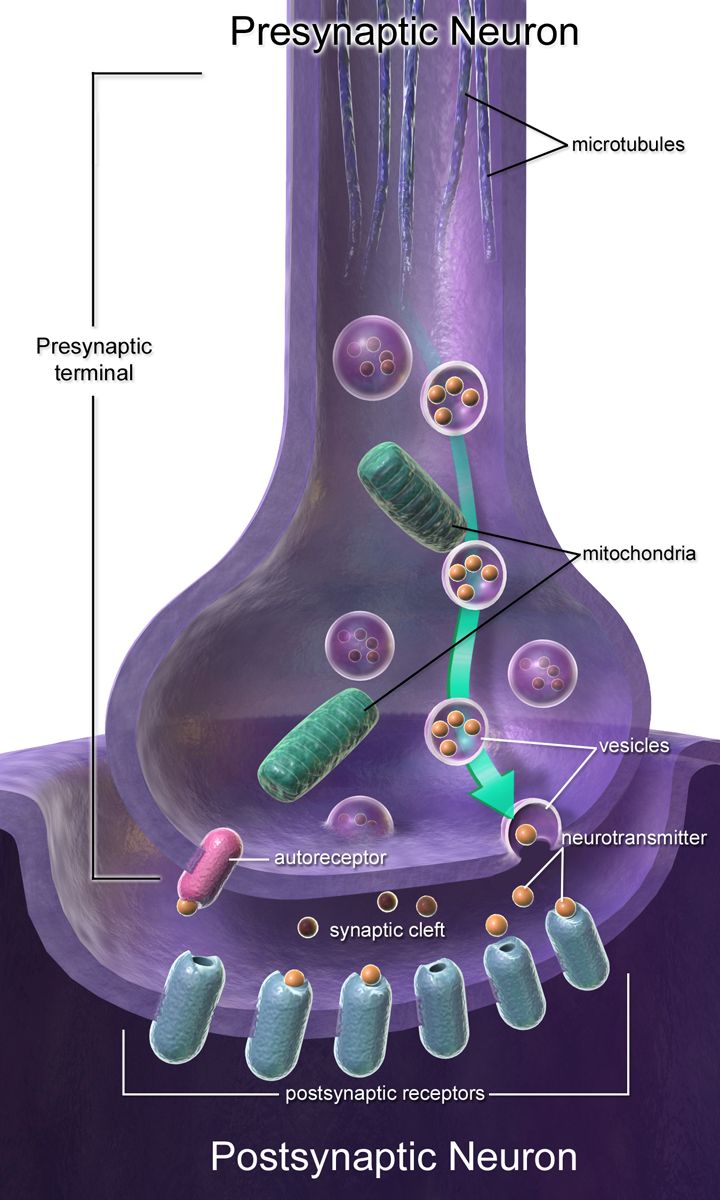
How a synapse works, and what a drug can do to it
A neuron does not touch the neuron it speaks to. It ends in a terminal that holds vesicles of chemical messenger, and when an action potential arrives, calcium enters, vesicles fuse with the membrane and neurotransmitter spills into a gap about twenty nanometres wide called the synaptic cleft. On the far side, receptors on the postsynaptic membrane read that message. Some receptors are ion channels that open within milliseconds. Others are G-protein coupled and set off a slower cascade inside the cell that eventually changes which genes are transcribed. That second, slower kind is why psychiatry runs on weeks rather than minutes.
Once the message is delivered it has to be cleared, or the signal never ends. Clearance happens two ways: a transporter protein pumps the transmitter back into the presynaptic neuron for reuse — this is reuptake — or an enzyme chews it up in the cleft. Monoamine oxidase and catechol-O-methyltransferase are the two enzymes worth knowing by name. Every psychiatric drug class in this chapter acts at one of five points: it changes how much transmitter is made, how much is released, whether the receptor can be occupied, whether reuptake happens, or whether the enzyme works.
Here is the part students routinely miss. Blocking a reuptake transporter raises synaptic serotonin within hours of the first dose. The person feels nausea, jitteriness and a headache almost immediately — those are the acute effects. But mood does not lift for weeks, because the actual therapeutic change is receptor downregulation and downstream signalling: the postsynaptic neuron, flooded with signal, gradually reduces the number and sensitivity of its receptors and shifts its intracellular machinery, including brain-derived neurotrophic factor and new synaptic growth in the hippocampus. Side effects arrive on pharmacokinetic time. Benefit arrives on neuroplastic time. That mismatch is the single most important thing you will teach about antidepressants, and it is the reason people quit them in week two.
The neurotransmitters that carry the story
Six chemicals will explain most of what you see. Dopamine runs reward, motivation, movement and the salience of experience — whether something feels meaningful or urgent. Too much dopamine signalling in the mesolimbic pathway is associated with hallucinations and delusions; too little in the mesocortical pathway tracks with flat affect, poor motivation and impaired working memory, and too little in the nigrostriatal pathway produces parkinsonism. Serotonin modulates mood, anxiety, sleep, appetite, sexual function and gut motility — which is exactly the list of adverse effects an SSRI produces.
Norepinephrine drives arousal, vigilance, concentration and the sympathetic response; it is the alerting system, and the reason norepinephrine-active drugs can raise blood pressure and worsen anxiety before they help it. GABA is the brain’s main inhibitory transmitter — the brake — and benzodiazepines, alcohol, barbiturates and many anticonvulsants all work by making that brake more effective. Glutamate is the main excitatory transmitter and the substrate of learning; it is the target of ketamine and esketamine, and its dysregulation is implicated in psychosis and in the cell injury of chronic stress. Acetylcholine supports memory and parasympathetic tone, so blocking it produces the anticholinergic picture: dry mouth, blurred vision, constipation, urinary retention, tachycardia and, in older adults, delirium.
Two additional points keep this from becoming trivia. First, no disorder is one chemical. The old “chemical imbalance” story is a simplification the profession has largely retired; what exists is a network of interacting systems shaped by genes, development and experience. Say this plainly to students and to patients, because a person told their depression is “a chemical imbalance” who then does not respond to two medications may conclude they are broken beyond repair. Second, mental illness is not a character flaw and it is not a moral failure of will. It is a health condition with biology, and people living with serious mental illness are far more likely to be harmed by violence than to be violent themselves — a fact worth stating out loud whenever a student or a family member implies otherwise.
| Transmitter | What it does | What too much or too little looks like clinically | Drugs that act here |
|---|---|---|---|
| Dopamine | Reward, motivation, movement, salience, prolactin suppression | Excess mesolimbic signalling: hallucinations, delusions. Blockade: tremor, rigidity, akathisia, tardive dyskinesia, raised prolactin, galactorrhoea | Antipsychotics (block), stimulants and bupropion (raise), aripiprazole (partial agonist) |
| Serotonin | Mood, anxiety, sleep, appetite, sexual function, gut motility, platelet aggregation | Low signalling: depressed mood, anxiety, poor sleep. Excess: nausea, agitation, clonus, serotonin syndrome | SSRIs, SNRIs, TCAs, MAOIs, trazodone, vortioxetine, triptans, linezolid |
| Norepinephrine | Arousal, focus, sympathetic drive | Low: fatigue, poor concentration. High: anxiety, tremor, tachycardia, raised blood pressure | SNRIs, TCAs, MAOIs, stimulants, atomoxetine, clonidine and propranolol (reduce) |
| GABA | Principal inhibition — the brake | Low tone: anxiety, insomnia, seizure risk in withdrawal. High: sedation, ataxia, respiratory depression | Benzodiazepines, zolpidem, valproate, alcohol, barbiturates |
| Glutamate | Principal excitation, learning, synaptic plasticity | Dysregulation implicated in psychosis, mood disorders and excitotoxic injury | Ketamine and esketamine, memantine, lamotrigine (reduces release) |
| Acetylcholine | Memory, attention, parasympathetic tone | Blockade: dry mouth, blurred vision, constipation, retention, confusion and delirium in older adults | Blocked by TCAs, low-potency first-generation antipsychotics, benztropine, diphenhydramine; raised by donepezil |
Circuits, stress and a brain that keeps changing
Symptoms live in circuits, not in single cells. The amygdala tags threat and drives the fear response. The prefrontal cortex supplies the brakes: appraisal, impulse control, perspective. The hippocampus files memory in context, including the context of time, which is why a memory that is not properly filed can be re-experienced as if it were happening now. In anxiety and post-traumatic stress the pattern is repeatedly the same — an amygdala that is loud and a prefrontal cortex whose regulating signal is quiet.
Layered on top is the hypothalamic-pituitary-adrenal (HPA) axis. Threat prompts the hypothalamus to release corticotropin-releasing hormone, the pituitary to release ACTH, and the adrenal cortex to release cortisol. Cortisol is adaptive over minutes and corrosive over years. Chronic activation is associated with hippocampal volume loss, impaired negative feedback so the axis does not shut itself off, immune and metabolic consequences, and disrupted sleep architecture. This is the biological bridge between adverse childhood experiences and adult mental and physical illness, and it is why trauma-informed care is not a soft add-on: a nervous system calibrated for danger reads a locked door, a raised voice or an unannounced touch as evidence, not as routine.
The hopeful counterweight is neuroplasticity. Synapses are pruned and grown across the lifespan; therapy, exercise, sleep, stable relationships and medication all change the substrate. Genes load a probability, not a verdict — the diathesis-stress and epigenetic literature both describe vulnerability that is expressed only under certain conditions. Say this to patients in ordinary words: the brain that learned to be this way can learn other things, and that is what treatment is for.
Psychiatric drugs change synaptic chemistry within hours but change the brain within weeks, which is why side effects arrive first and relief arrives later — and why the waiting period must be taught, not discovered.
Section 2Antidepressants and the Long Fuse
SSRIs and SNRIs: first line, and what to expect
Selective serotonin reuptake inhibitors — fluoxetine, sertraline, escitalopram, citalopram, paroxetine, fluvoxamine — are first-line for major depressive disorder, generalised anxiety, panic disorder, obsessive-compulsive disorder (usually at higher doses and with a longer trial), post-traumatic stress disorder and bulimia. They are first line not because they are the strongest but because they are the safest in overdose and the easiest to tolerate. Serotonin-norepinephrine reuptake inhibitors — venlafaxine, desvenlafaxine, duloxetine, levomilnacipran — add norepinephrine reuptake blockade, which helps neuropathic and musculoskeletal pain and often energy, at the cost of more sweating, more dry mouth and a dose-related rise in blood pressure with venlafaxine.
Teach the side-effect timeline in three tiers. Early and usually self-limiting: nausea, loose stools, headache, jitteriness and disturbed sleep, mostly settling in one to two weeks. Persistent: sexual dysfunction in a substantial minority — ask about it directly and without embarrassment, because people stop medication over this and often will not volunteer it. Class-wide cautions: hyponatraemia especially in older adults, increased bleeding risk that compounds with NSAIDs or anticoagulants because serotonin is required for platelet aggregation, and QT prolongation with citalopram at doses above 40 mg daily (above 20 mg in adults over 60 or with hepatic impairment).
Onset is the teaching point that matters most. Sleep and appetite often improve in the first one to two weeks. Energy and psychomotor activity follow. Mood is last, at two to six weeks, and full response may take eight. That sequence creates a genuine hazard: a person who was too depleted to act on suicidal thoughts may regain the energy to act before the hopelessness lifts. This is the period of raised suicide risk behind the boxed warning for people under 25, and it applies to any age. Increase contact and screening during weeks one through four rather than reducing it. Say to the patient and the family, in plain words, that if energy comes back before hope does, that is a moment to call, not to tough out.
The older agents and the outliers
Tricyclics — amitriptyline, nortriptyline, imipramine, clomipramine, doxepin — block serotonin and norepinephrine reuptake but also block muscarinic, histamine and alpha-1 receptors, which produces anticholinergic effects, sedation, weight gain and orthostatic hypotension. Their defining danger is cardiac: they block fast sodium channels, so overdose causes QRS widening, arrhythmia, seizures and death, and a one to two week supply can be lethal. They remain useful for neuropathic pain, migraine prophylaxis and treatment-resistant depression, and clomipramine retains a place in obsessive-compulsive disorder, but assess overdose risk before they go home with someone.
Monoamine oxidase inhibitors — phenelzine, tranylcypromine, isocarboxazid, and selegiline including the transdermal patch — irreversibly inhibit the enzyme that degrades monoamines. They work, sometimes when nothing else has, and they carry two rules that must be taught to the point of recitation. First, the tyramine reaction: MAO in the gut normally destroys dietary tyramine, and without it tyramine displaces stored norepinephrine and triggers a hypertensive crisis — occipital headache, stiff neck, palpitations, nausea, photophobia, sharply raised blood pressure, and risk of intracranial haemorrhage. Avoid aged cheeses, cured and smoked meats, fermented soy including soy sauce and miso, tap and craft beers, sauerkraut, fava beans, overripe fruit and yeast extracts. Second, allow a washout of two weeks between an MAOI and a serotonergic drug, and five weeks after fluoxetine because of its long half-life.
The outliers each earn their place by what they do not do. Bupropion acts on norepinephrine and dopamine, so it causes little sexual dysfunction and does not cause weight gain, helps smoking cessation, and lowers the seizure threshold — contraindicated in seizure disorders, in bulimia or anorexia nervosa, and in abrupt alcohol or sedative withdrawal. Mirtazapine blocks alpha-2, 5-HT2 and 5-HT3 and H1 receptors, so it sedates and increases appetite; at lower doses it is more sedating, which is counterintuitive and testable, and it is useful for an underweight person who cannot sleep. Trazodone is used mostly at low dose for insomnia and carries a rare risk of priapism, which is a urological emergency the patient must be told about. Vortioxetine and vilazodone add receptor modulation to reuptake blockade. Esketamine nasal spray works through glutamate and NMDA and can lift suicidal ideation within hours, but it is given only in a certified setting with two hours of monitoring for dissociation and blood pressure elevation.
| Class | Examples | Mechanism | Watch for |
|---|---|---|---|
| SSRI | Sertraline, escitalopram, fluoxetine, paroxetine | Serotonin reuptake blockade | Nausea, sexual dysfunction, hyponatraemia, bleeding risk, citalopram QT; paroxetine has the worst discontinuation syndrome |
| SNRI | Venlafaxine, duloxetine | Serotonin plus norepinephrine reuptake blockade | Raised blood pressure, sweating, pain benefit; duloxetine avoided in significant hepatic disease |
| Tricyclic | Amitriptyline, nortriptyline, clomipramine | Reuptake blockade plus muscarinic, H1 and alpha-1 blockade | Anticholinergic load, orthostasis, sedation, lethal in overdose — QRS widening |
| MAOI | Phenelzine, tranylcypromine, selegiline patch | Irreversible monoamine oxidase inhibition | Tyramine hypertensive crisis, serotonin syndrome, 2-week washout (5 weeks after fluoxetine) |
| NDRI | Bupropion | Norepinephrine and dopamine reuptake blockade | Seizure threshold lowered, insomnia, no sexual dysfunction, aids smoking cessation |
| Tetracyclic | Mirtazapine | Alpha-2, 5-HT2, 5-HT3 and H1 antagonism | Sedation and appetite gain — sometimes the desired effect; more sedating at lower doses |
| Glutamatergic | Esketamine, ketamine | NMDA receptor antagonism | Rapid effect on suicidal ideation; dissociation, raised blood pressure, monitored setting only |
Three ways an antidepressant becomes an emergency
Serotonin syndrome is excess serotonergic activity, most often when two serotonergic agents are combined — an SSRI with a triptan, tramadol, linezolid, dextromethorphan, St John’s wort, ondansetron or an MAOI. It develops over hours, not weeks. The triad is mental status change (agitation, confusion, anxiety), autonomic instability (fever, tachycardia, hypertension, diaphoresis, dilated pupils, diarrhoea) and neuromuscular hyperactivity (tremor, hyperreflexia, and clonus that is most obvious at the ankles). Clonus and hyperreflexia are the discriminating findings. Stop the serotonergic agents, escalate immediately, support with cooling, fluids and benzodiazepines, and expect cyproheptadine to be considered.
Activation and the energy-before-mood window was described above and deserves restating as a safety practice rather than a fact: screen for suicidal ideation at every contact in the first month, ask the question directly rather than hinting at it, and involve family in the plan with the person’s consent. Asking plainly — “Are you having thoughts of killing yourself?” — does not plant the idea and does not increase risk. The evidence on this is consistent, and the myth persists only because the question frightens clinicians; a person already having those thoughts is usually relieved that someone finally said the word. Avoiding the question protects nobody but the person avoiding it. If the answer is yes, build a safety plan collaboratively: warning signs, internal coping strategies, distracting people and places, people to call, professional and crisis contacts, and means restriction such as securing firearms and locking up medication. A “no-suicide contract” or “safety contract” is not evidence-based, has never been shown to reduce risk, and can make a person conceal ideation rather than disappoint you — safety planning is the standard, not a promise extracted at the bedside. Also watch for a switch into hypomania or mania when an antidepressant is given to someone with unrecognised bipolar disorder — decreased sleep with increased energy and goal-directed activity in week two is not a good response, it is a warning.
Discontinuation syndrome follows abrupt stopping of a short half-life agent, classically paroxetine or venlafaxine: flu-like symptoms, insomnia and vivid dreams, nausea, imbalance, irritability and electric-shock sensations often called brain zaps. It is not addiction and it is not withdrawal in the substance-use sense — there is no craving and no compulsive drug use — but it is deeply unpleasant and it frightens people away from treatment. Taper. Fluoxetine’s long half-life largely self-tapers. Never assume a person who stopped abruptly was careless; ask what happened, because the most common answers are that they ran out, could not afford the refill, or could not reach the prescriber.
Antidepressants relieve mood over two to six weeks while restoring energy sooner, so the early weeks demand more contact and more direct suicide screening, not less.
Section 3Mood Stabilisers and Narrow Windows

Lithium: the drug that asks for a blood test
Lithium remains the standard against which mood stabilisers are measured, and it is the only agent with consistent evidence for reducing suicide in bipolar disorder. Its mechanism is still incompletely mapped — effects on inositol signalling, glycogen synthase kinase-3 and neuroprotection are the leading accounts — but its handling is entirely clear. It is an ion. It is not metabolised. It is cleared by the kidney, and it is handled by the kidney in the same channels as sodium. Everything dangerous about lithium follows from that last sentence.
The therapeutic range is 0.6 to 1.2 mEq/L, with acute mania often managed toward the upper end (some protocols accept up to 1.5 mEq/L under close inpatient monitoring) and maintenance toward the lower end, and older adults kept lower still. Treat any level above 1.5 mEq/L as toxicity whatever the indication. Draw the level as a trough, 12 hours after the last dose — conventionally the morning draw before the morning dose. Check levels every five to seven days after initiation or a dose change until stable, then every three months. Baseline and ongoing monitoring includes renal function (creatinine, eGFR), thyroid function (lithium causes hypothyroidism and goitre), calcium (hyperparathyroidism), a pregnancy test (Ebstein anomaly risk in the first trimester) and an ECG in anyone with cardiac history. Expect fine hand tremor, polyuria and polydipsia, mild weight gain and a metallic taste as ordinary effects.
Anything that lowers sodium or lowers volume raises the lithium level. Dehydration, vomiting, diarrhoea, fever, heavy exercise, sauna use, a low-sodium diet and a crash diet all raise it. So do NSAIDs, thiazide diuretics, ACE inhibitors and angiotensin receptor blockers. Teach consistent salt intake, two to three litres of fluid daily unless contraindicated, acetaminophen rather than ibuprofen for a headache, and a “sick day” rule: with vomiting, diarrhoea or fever, hold the dose and call, do not simply carry on. That single rule prevents more lithium toxicity than any inpatient teaching sheet.
| Serum lithium | What you see | Nursing action |
|---|---|---|
| 0.6 to 1.2 mEq/L (therapeutic) | Fine hand tremor, polyuria, polydipsia, mild nausea, metallic taste, mild weight gain | Expected. Reassure, maintain fluid and salt, continue routine monitoring |
| 1.5 to 2.0 mEq/L (early toxicity) | Coarse tremor, persistent nausea and vomiting, diarrhoea, drowsiness, muscle weakness, slurred speech, ataxia | Hold the dose, notify the prescriber, draw a stat level, assess hydration and recent illness or new medications |
| 2.0 to 2.5 mEq/L (moderate to severe) | Marked ataxia, blurred vision, giddiness, tinnitus, nystagmus, hyperreflexia, confusion, low urine output | Hold, urgent escalation, IV fluids with normal saline as ordered, cardiac and neurological monitoring |
| Above 2.5 mEq/L (life-threatening) | Seizures, cardiac dysrhythmia, hypotension, coma, renal failure, death | Emergency response, prepare for haemodialysis, continuous monitoring |
The anticonvulsant mood stabilisers
Valproate (divalproex, valproic acid) is effective in acute mania, in mixed states and in rapid cycling, with a therapeutic range usually quoted at 50 to 125 mcg/mL. Monitor liver function and platelets at baseline and periodically; the serious risks are hepatotoxicity, pancreatitis and hyperammonaemic encephalopathy — new confusion or lethargy on valproate should prompt an ammonia level, not a sedation assumption. It is a major teratogen causing neural tube defects and neurodevelopmental harm, so it is avoided in people who can become pregnant unless there is no alternative and contraception is in place. Teach report of unusual bruising, dark urine, jaundice, or severe abdominal pain radiating to the back.
Carbamazepine is used for mania and for mixed states. It induces its own metabolism, so levels drift down over the first weeks and the dose is adjusted; it also induces CYP3A4 and can render oral contraceptives ineffective, a teaching point that is frequently missed. It can cause agranulocytosis and aplastic anaemia, so a baseline and serial complete blood count is required, and hyponatraemia through SIADH. Screen people of Asian ancestry for HLA-B*1502 before starting, because of the association with Stevens-Johnson syndrome. Oxcarbazepine is better tolerated with less enzyme induction but more hyponatraemia.
Lamotrigine is the mood stabiliser with the best evidence for the depressive pole of bipolar disorder and the least metabolic burden, and its entire safety profile hangs on one instruction: titrate slowly. Rapid escalation raises the risk of Stevens-Johnson syndrome and toxic epidermal necrolysis. Any rash on lamotrigine, especially with fever, mucosal involvement or blistering, means stop the drug and escalate now. Valproate roughly doubles lamotrigine levels, so the titration is halved when they are combined. Second-generation antipsychotics — quetiapine, olanzapine, aripiprazole, lurasidone, cariprazine, risperidone — are also first-line mood agents and are covered in the next section.
Teaching that actually keeps someone safe
Adherence in bipolar disorder is not a compliance problem; it is a meaning problem. Many people miss hypomania — the productivity, the confidence, the sense of finally being themselves — and describe medication as flattening them. Others stop because of tremor, weight gain, cognitive dulling or because they have been well for a year and conclude they are cured. None of that is irrationality. Approach it as information about what treatment costs the person.
Contrast these two exchanges. Non-therapeutic: “You stopped your lithium again? You know that’s why you’re back in here.” That sentence assigns blame, closes the conversation and teaches the person to lie to the next nurse. Therapeutic: “It sounds like something about being on lithium was hard enough that stopping felt worth it. Tell me what it was like.” That names the person’s experience as legitimate data and keeps the door open. Follow it with a concrete offer — a level check, a dose-timing change, a discussion of tremor management — because empathy without a next step becomes its own kind of dismissal.
Never chart a person as “non-compliant” as though it were an assessment finding. Chart the behaviour and what it appears to communicate: “Reports taking lithium approximately three days per week for the past month; states the tremor makes writing difficult at work and that he has been out of refills for nine days. Level 0.3 mEq/L. Discussed refill barriers with case manager.” That entry is useful to the next clinician. The label is not.
Lithium is safe only when it is monitored: a trough level of 0.6 to 1.2 mEq/L, stable sodium and fluid intake, and a sick-day rule that says hold and call.
Section 4Antipsychotics: Dopamine and the Price of Blocking It
Four pathways, two generations
Dopamine travels four routes and a drug given by mouth reaches all of them. The mesolimbic pathway carries the positive symptoms of psychosis, and blocking it there is the therapeutic effect. The mesocortical pathway supports motivation, expressiveness and working memory, so blocking it can worsen negative and cognitive symptoms. The nigrostriatal pathway governs movement, and blocking roughly 80 percent of its receptors produces extrapyramidal symptoms. The tuberoinfundibular pathway is where dopamine inhibits prolactin, so blockade raises prolactin, producing amenorrhoea, galactorrhoea, gynaecomastia, sexual dysfunction and, over time, reduced bone density.
First-generation agents are potent D2 blockers. High-potency drugs such as haloperidol and fluphenazine give more extrapyramidal symptoms and less sedation; low-potency drugs such as chlorpromazine give more sedation, orthostatic hypotension and anticholinergic effects and fewer movement effects. They treat positive symptoms well and do little for negative symptoms. Second-generation agents — risperidone, olanzapine, quetiapine, ziprasidone, paliperidone, lurasidone, asenapine — add 5-HT2A antagonism, which loosens dopamine blockade in the nigrostriatal and mesocortical tracts and produces fewer movement effects but a heavier metabolic burden. Aripiprazole, brexpiprazole and cariprazine are D2 partial agonists, stabilising rather than simply blocking; akathisia is their signature complaint.
All antipsychotics carry a boxed warning of increased mortality when used for behavioural symptoms of dementia in older adults; they are not a first-line answer to agitation in a person with dementia, where environmental and behavioural approaches come first. Note also that people prescribed antipsychotics are often, in the public imagination, assumed to be dangerous. Correct that assumption when you hear it. People with schizophrenia spectrum disorders are substantially more likely to be harmed than to harm, and the language on your unit either reinforces the stereotype or dismantles it.
Movement: EPS now, tardive dyskinesia later
Acute dystonia arrives earliest, often within hours to days and disproportionately in young men on high-potency agents: sustained muscle contraction producing torticollis, opisthotonos, oculogyric crisis or, dangerously, laryngospasm. It is frightening and it is treatable within minutes with intramuscular benztropine or diphenhydramine. Treat it as urgent; airway involvement is a rapid response call.
Akathisia is the most misread finding in psychiatry. It is an inner, unbearable restlessness — the person paces, rocks, cannot sit through a meal, shifts constantly — and it appears in the first days to weeks. It is frequently charted as agitation or as anxiety and then treated with more antipsychotic, which makes it worse. Akathisia is associated with distress severe enough to raise suicide risk. The management is dose reduction, a switch, or propranolol; benzodiazepines may help short term. Anticholinergics help akathisia far less than they help dystonia and parkinsonism. Ask directly: “Is the restlessness on the inside, like you cannot make your legs be still, or is it worry in your thoughts?” The answer separates the two.
Drug-induced parkinsonism emerges over weeks: bradykinesia, cogwheel rigidity, masked facies, shuffling gait and a pill-rolling tremor. It responds to anticholinergics or amantadine and to dose reduction. Tardive dyskinesia is the late one — months to years — and is characterised by involuntary choreoathetoid movements of the tongue, lips, face and sometimes trunk and limbs: lip smacking, tongue protrusion, grimacing, worm-like tongue movements. It may be irreversible, and anticholinergics make it worse. Screen with the Abnormal Involuntary Movement Scale (AIMS) at baseline and every three to six months. VMAT2 inhibitors such as valbenazine and deutetrabenazine are the treatments. Early detection is the whole game, and that detection is usually a nurse’s.
| Movement effect | Typical onset | What you observe | Response |
|---|---|---|---|
| Acute dystonia | Hours to days | Torticollis, oculogyric crisis, jaw or back spasm, laryngospasm | IM benztropine or diphenhydramine now; airway involvement is an emergency |
| Akathisia | Days to weeks | Inner restlessness, pacing, inability to sit still; often mislabelled as agitation | Reduce dose or switch; propranolol; short-term benzodiazepine. Do not simply increase the antipsychotic |
| Pseudoparkinsonism | Weeks | Bradykinesia, cogwheel rigidity, masked facies, shuffling gait, tremor | Dose reduction, anticholinergic or amantadine, fall precautions |
| Tardive dyskinesia | Months to years | Lip smacking, tongue protrusion, grimacing, choreoathetoid limb movements | AIMS screening, reduce or switch agent, VMAT2 inhibitor; stop anticholinergics |
| Neuroleptic malignant syndrome | Days to weeks, often after a dose increase | Lead-pipe rigidity, hyperthermia, autonomic instability, altered mentation, raised CK | Stop the antipsychotic, emergency escalation, cooling, fluids, dantrolene or bromocriptine as ordered |
The metabolic bill, clozapine, and the injection
Second-generation agents carry a real cardiometabolic cost, worst with olanzapine and clozapine, moderate with quetiapine and risperidone, least with lurasidone, ziprasidone and aripiprazole. Monitor weight and BMI at baseline, monthly for three months and quarterly; waist circumference, blood pressure, fasting glucose or HbA1c and a lipid panel at baseline, at 12 weeks and then annually. This monitoring is one of the highest-value nursing interventions in the whole book, because people living with serious mental illness die on average one to two decades earlier than the general population, and the excess deaths are overwhelmingly cardiovascular and metabolic, not psychiatric. Ziprasidone must be taken with a 500-calorie meal for absorption and prolongs the QT interval.
Clozapine is the most effective agent for treatment-resistant schizophrenia and the only one with specific evidence for reducing suicide in this population, and it is the most heavily monitored drug in psychiatry. It can cause agranulocytosis, so the absolute neutrophil count is checked weekly for six months, every two weeks for the next six months, then monthly, under a national registry programme; treatment is generally interrupted when the ANC falls below 1000 per microlitre and stopped below 500. Teach the person to report fever, sore throat or flu-like symptoms immediately — those are infection signs in someone who may have no neutrophils. Clozapine also causes myocarditis (chest pain, dyspnoea, tachycardia, most often in the first two months), seizures at higher doses, severe constipation progressing to bowel obstruction and ileus which is a genuine cause of death, orthostatic hypotension on titration, and paradoxical hypersalivation, particularly at night. Bowel regimen and neutrophil count are not optional add-ons; they are the drug.
Long-acting injectable antipsychotics — haloperidol decanoate, fluphenazine decanoate, paliperidone palmitate, aripiprazole lauroxil, risperidone microspheres — deliver two to twelve weeks of coverage in a single injection. They are not punishment and should never be framed as such. They remove the daily decision and the daily reminder of illness, they smooth plasma levels, and they make relapse visible early: a missed appointment is a clear, actionable signal rather than a silence. Establish oral tolerability first, know that the drug cannot be withdrawn once it is in the muscle, use the correct needle length and site, and keep the conversation collaborative. “Some people find the injection easier than remembering a tablet every day — would you want to hear how it works?” lands very differently from “Since you can’t be trusted with pills, we’re switching you to the shot.”
Neuroleptic malignant syndrome
Neuroleptic malignant syndrome is rare, idiosyncratic and lethal in perhaps 10 percent of cases. It usually appears within the first two weeks of starting an antipsychotic or after a dose increase, and classically presents with lead-pipe rigidity, hyperthermia that can exceed 40 degrees Celsius, autonomic instability (labile blood pressure, tachycardia, diaphoresis, incontinence) and altered mental status ranging from confusion to stupor. Laboratory findings include markedly raised creatine kinase, leucocytosis and myoglobinuria with risk of acute kidney injury. Dehydration, agitation, restraint use and high-potency or rapidly titrated agents all increase risk.
Distinguishing it from serotonin syndrome is a favourite examination question and a genuine bedside problem. Serotonin syndrome develops over hours, is provoked by serotonergic agents, and produces hyperreflexia and clonus with dilated pupils and gastrointestinal hurry. Neuroleptic malignant syndrome develops over days, is provoked by dopamine blockade or by abrupt withdrawal of a dopamine agonist, and produces rigidity with hyporeflexia and normal bowel sounds. Muscle tone is the discriminator: hyperactive and jerky points serotonergic, rigid and lead-pipe points neuroleptic.
The nursing response is the same shape in both: stop the offending agent, call for help, protect the airway, cool actively, run fluids as ordered, monitor cardiac rhythm and urine output, and document a temperature trend rather than a single number. A rising temperature with new rigidity in someone who had a dose increase two days ago is not a coincidence, and it does not wait for morning rounds.
Every antipsychotic buys mesolimbic benefit with nigrostriatal, tuberoinfundibular and metabolic cost, so movement screening with AIMS, metabolic monitoring and, for clozapine, neutrophil and bowel surveillance are inseparable from the prescription.
Section 5Anxiolytics, Stimulants and the Nursing of a Medication
Benzodiazepines, the non-habit-forming alternatives, and hypnotics
Benzodiazepines — lorazepam, alprazolam, diazepam, clonazepam, chlordiazepoxide, midazolam — enhance GABA-A channel opening and work within minutes. That speed is both their value and their trap. They are appropriate for acute severe anxiety, for panic while an SSRI is taking effect, for status epilepticus, for procedural sedation, for catatonia and for alcohol withdrawal, where they are lifesaving and are titrated against a validated scale such as the CIWA-Ar. They are poor long-term anxiolytics because tolerance, physiological dependence and cognitive dulling follow, and because abrupt discontinuation after sustained use can cause seizures and delirium — a benzodiazepine taper is a medical matter, not a matter of willpower.
Key cautions: additive respiratory depression with opioids and alcohol; falls, confusion and paradoxical agitation in older adults, which is why these drugs appear on the Beers criteria; and the fact that lorazepam, oxazepam and temazepam are the safer choices in hepatic impairment because they bypass oxidative metabolism. Flumazenil reverses benzodiazepines but can precipitate seizures in a person who is dependent, so it is used cautiously and rarely on a behavioural unit.
The alternatives matter because they let you offer relief without dependence. Buspirone is a 5-HT1A partial agonist for generalised anxiety, non-sedating, non-dependence-forming, and requires two to four weeks to work — so it is useless as a rescue and excellent as a maintenance agent, and patients must be told this or they will discard it in week one. Hydroxyzine is an antihistamine used as needed for anxiety without dependence risk. Propranolol blunts the peripheral signature of anxiety — tremor, palpitations — and is used for performance anxiety and for akathisia. For sleep, non-benzodiazepine hypnotics such as zolpidem and eszopiclone carry complex sleep behaviours including sleep-driving; melatonin receptor agonists and low-dose doxepin or trazodone are commonly preferred, and sleep hygiene remains first-line rather than a formality.
Stimulants and pharmacotherapy for substance use disorders
Stimulants — methylphenidate and amphetamine salts — increase synaptic dopamine and norepinephrine and are first-line for attention-deficit hyperactivity disorder. Monitor height, weight, appetite, sleep, blood pressure and heart rate; give the last dose early enough to protect sleep; take a cardiac history before starting. Atomoxetine is a norepinephrine reuptake inhibitor with no controlled-substance status, takes several weeks to work, and carries a warning about suicidal ideation in young people. Guanfacine and clonidine are alpha-2 agonists useful for hyperactivity, impulsivity and sleep, and must not be stopped abruptly because of rebound hypertension.
For substance use disorders, medication is treatment, not a substitute addiction, and the language you use around it shapes whether a person accepts it. In alcohol use disorder, naltrexone reduces reward and craving (contraindicated with opioid use and in acute hepatitis), acamprosate supports abstinence and is renally cleared, and disulfiram creates an aversive reaction to alcohol and demands full informed consent and avoidance of hidden alcohol in mouthwash, cough syrup and sauces. In opioid use disorder, buprenorphine and methadone reduce mortality substantially, and naltrexone is an option after full detoxification. Nicotine replacement, varenicline and bupropion support tobacco cessation.
Say “a person with an opioid use disorder”, not “an addict” or “an abuser”. Say “a toxicology screen positive for opioids”, not “a dirty screen”. Never document that someone is “drug-seeking”; document what they said and did — “Requested additional lorazepam 40 minutes after the scheduled dose, reporting chest tightness and rating anxiety 9 out of 10” — and let the record carry the observation rather than the judgement. Stigmatising documentation follows people through their charts for years and measurably changes the care they are offered.
PRN medication, de-escalation, and the limits of chemical restraint
When someone is escalating, the intervention ladder is fixed and it starts nowhere near a syringe. Least restrictive first: reduce stimulation, give space, lower your voice, offer a choice, offer food or a walk, offer a PRN. Approach at an angle rather than head-on, keep your hands visible, stay at or below the person’s eye level if it is safe, maintain an exit path for both of you, and let one person do the talking. Ask what would help. A person with a trauma history who is surrounded by staff is being shown the exact scenario their nervous system is braced for.
An offered PRN that a person accepts is treatment. Medication given against a person’s will to control behaviour rather than to treat a diagnosed condition is a chemical restraint, and it carries every legal requirement that a physical restraint carries: an emergency justification of imminent danger to self or others, a time-limited order that cannot be written as PRN, a face-to-face evaluation within one hour, continuous or frequent monitoring of airway, circulation, vital signs, hydration, toileting and skin, documentation of the less restrictive measures that were tried first, and discontinuation at the earliest possible moment. Restraint and seclusion are never used for discipline, punishment, coercion, retaliation or staff convenience, and never as a substitute for adequate staffing — that is a regulatory line, not a matter of unit culture. Restraint and seclusion are not treatments; they are failures of the environment that we sometimes cannot avoid, and each one warrants a debrief with the person afterwards.
Two dialogues, same patient. Non-therapeutic: “You need to calm down right now or we’re going to have to give you something.” That is a threat, it removes agency, and it converts a medication into a punishment, which poisons every future dose. Therapeutic: “You look like this is unbearable right now. I’ve got two things that might help — we can go to the quiet room, or I can bring the medication the doctor ordered for times like this. Which sounds better?” It names the distress, offers a genuine choice, and keeps the person as the decision-maker. That is de-escalation and trauma-informed care in one sentence.
The legal frame sits underneath all of this. A voluntary admission means the person consented, retains the right to refuse any specific treatment, and may request discharge subject to a short statutory notice period. An involuntary admission is the correct term — a person is never “committed” — and it requires a legal standard, usually imminent danger to self or others or grave disability. Critically, it is authorisation to detain and evaluate; it is not blanket authorisation to medicate. The right to refuse medication survives involuntary admission and is overridden only in a genuine emergency or through a separate court or capacity determination. Capacity is decision-specific and fluctuates: a person may lack capacity to weigh clozapine at three in the morning in acute psychosis and hold it completely a week later, so it is assessed for this decision at this time, never assigned as a permanent status or inferred from a diagnosis. Confidentiality is the default and it has limits — a serious, credible threat toward an identifiable person triggers a duty to warn or protect, and suspected abuse of a child or vulnerable adult is a mandated report. Tell people where those limits are before they disclose, not afterwards. Every decision above is then bound by the least restrictive environment principle: the least restrictive setting, the least restrictive intervention, for the shortest time that keeps the person safe.
Delegation, adherence and escalating what you find
Assistive personnel are essential to the milieu and are limited in specific ways. They can observe and report behaviour, take and record vital signs, sit with a person on close observation or one-to-one status, escort to activities, assist with hygiene and meals, record intake and output and food and fluid, help maintain a calm environment, and alert you immediately to any change. They cannot administer medication, perform the assessment or the AIMS, conduct suicide risk screening, deliver medication teaching or any patient education, evaluate a response to treatment, take primary responsibility for a person who is unstable or acutely deteriorating, provide counselling or therapeutic interventions requiring nursing judgement, or initiate or discontinue restraint. Delegate the task, never the assessment, the teaching or the evaluation, and never the unstable person. And delegate specifically: “Stay within arm’s length, and tell me right away if he refuses fluids or seems to be shaking” is a usable instruction; “keep an eye on him” is not.
Adherence work is ordinary and unglamorous and it is most of the job. Simplify the regimen and time doses to existing habits. Use pill organisers, alarms and pharmacy synchronisation. Name the side effect the person actually cares about — sexual function, weight, tremor, sedation — and address it rather than waiting to be asked. Screen for cost and transport barriers, because the most common reason a psychotropic is stopped is that it ran out. Involve the family with consent. And be explicit that abrupt discontinuation matters across nearly every class: SSRIs and SNRIs produce discontinuation syndrome, benzodiazepines can produce seizures, lithium withdrawal can precipitate rebound mania, antipsychotic withdrawal can produce cholinergic rebound and relapse, and clonidine produces rebound hypertension. The instruction is always the same — do not stop it on your own, call us and we will taper it together.
Finally, know what escalates and how to say it. SBAR keeps a frightening finding intelligible in fifteen seconds. Situation: “This is Priya on 4 East. Mr Alvarez in room 12, on haloperidol since Monday with a dose increase yesterday.” Background: “Admitted five days ago with first-episode psychosis, no medical history.” Assessment: “Temperature 39.4, heart rate 128, blood pressure swinging from 160 over 95 to 100 over 60, he has lead-pipe rigidity in both arms and he is only responding to his name. I am concerned about neuroleptic malignant syndrome.” Recommendation: “I have held the haloperidol and I need you at the bedside now, and I would like a stat CK, CBC, metabolic panel and orders for IV fluids and cooling.” Notice that the nurse names the suspected condition and states what she has already done. That is not overstepping; that is the report a physician can act on.
| Red flag | Likely cause | Immediate action | SBAR headline |
|---|---|---|---|
| Fever, lead-pipe rigidity, altered mentation, unstable vitals | Neuroleptic malignant syndrome | Hold the antipsychotic, cool, fluids, continuous monitoring | “New rigidity and a temperature of 39.4 two days after a dose increase — I am concerned about NMS.” |
| Agitation, hyperreflexia, ankle clonus, diaphoresis, fever within hours | Serotonin syndrome | Stop serotonergic agents, benzodiazepine and cooling as ordered | “Sustained ankle clonus and hyperreflexia six hours after a triptan on top of sertraline.” |
| Coarse tremor, vomiting, ataxia, slurred speech on lithium | Lithium toxicity | Hold the dose, stat serum level, assess volume status and new drugs | “Coarse tremor and vomiting after two days of gastroenteritis — requesting a stat lithium level.” |
| Fever, sore throat, flu-like illness on clozapine | Agranulocytosis | Hold the dose, stat CBC with differential and ANC, infection precautions | “Fever of 38.6 and sore throat on clozapine — requesting a stat ANC.” |
| Any rash on lamotrigine, especially with fever or mucosal lesions | Stevens-Johnson syndrome | Stop the drug, escalate immediately, do not re-challenge | “Spreading rash with oral lesions on day 10 of lamotrigine — drug held.” |
| Occipital headache, stiff neck, palpitations, sharply raised blood pressure on an MAOI | Tyramine hypertensive crisis | Hold, urgent escalation, continuous blood pressure monitoring | “Blood pressure 215 over 120 with severe occipital headache after a deli sandwich on phenelzine.” |
| New sustained intolerable restlessness after starting an antipsychotic | Akathisia | Report before adding sedation; anticipate dose change or propranolol | “He describes restlessness inside his legs and cannot sit through a meal — this looks like akathisia, not anxiety.” |
| Energy returning while hopelessness persists in week 2 of an antidepressant | Activation with continuing suicide risk | Direct suicide screening, increase observation and contact, safety plan review | “He is getting out of bed now but still says nothing will change — I want the risk assessment repeated today.” |
The medication is only half of the intervention — the other half is the teaching, the offered choice, the monitoring you delegate correctly and the SBAR you make when something goes wrong.
The chapter in one breath
Psychiatric medications act at the synapse — on release, receptors, reuptake or the enzymes that break transmitters down — but their therapeutic effect comes from slower receptor and plasticity changes, which is why side effects arrive in days and benefit in weeks. Dopamine, serotonin, norepinephrine, GABA, glutamate and acetylcholine map cleanly onto both symptoms and adverse effects, and the HPA axis explains why chronic stress and trauma leave biological fingerprints. Antidepressants take two to six weeks for mood while restoring energy sooner, creating a window of raised suicide risk that must be taught and screened. Lithium is safe only within 0.6 to 1.2 mEq/L, follows sodium and volume, and demands a sick-day rule. Anticonvulsant mood stabilisers each carry a signature hazard: hepatic and pancreatic injury with valproate, blood counts and enzyme induction with carbamazepine, rash with lamotrigine. Antipsychotics trade mesolimbic benefit for movement, prolactin and metabolic cost, so AIMS and metabolic screening are part of the drug, as are neutrophil counts and a bowel regimen with clozapine. Serotonin syndrome, neuroleptic malignant syndrome, lithium toxicity, agranulocytosis and tyramine crisis are the emergencies. De-escalation always precedes chemical restraint, delegation covers tasks and never assessment, and the language of the chart is itself an intervention.
Words worth knowing
| Term | What it means |
|---|---|
| Synaptic cleft | The microscopic gap between neurons where neurotransmitter is released, binds receptors and is then cleared by reuptake or enzymatic breakdown. |
| Reuptake | Transporter-mediated return of a neurotransmitter into the presynaptic neuron; blocking it raises the amount available in the cleft. |
| Receptor downregulation | Reduction in receptor number or sensitivity after sustained stimulation; the leading explanation for why antidepressant benefit takes weeks. |
| HPA axis | Hypothalamic-pituitary-adrenal stress pathway ending in cortisol release; chronically activated in trauma and chronic stress. |
| Neuroplasticity | The brain’s capacity to reorganise synapses and circuits through experience, therapy, medication and behaviour across the lifespan. |
| Serotonin syndrome | Excess serotonergic activity developing over hours: mental status change, autonomic instability and neuromuscular hyperactivity with hyperreflexia and clonus. |
| Neuroleptic malignant syndrome | Rare, life-threatening reaction to dopamine blockade over days: lead-pipe rigidity, hyperthermia, autonomic instability, altered mentation, raised creatine kinase. |
| Discontinuation syndrome | Flu-like symptoms, insomnia, dizziness, irritability and electric-shock sensations after abrupt cessation of a short half-life antidepressant; not addiction, but a reason to taper. |
| Tyramine reaction | Hypertensive crisis when dietary tyramine is eaten on an MAOI, presenting with occipital headache, stiff neck, palpitations and sharply raised blood pressure. |
| Therapeutic index | The margin between an effective dose and a toxic one; lithium’s is narrow, which is why levels are drawn as a 12-hour trough. |
| Lithium toxicity | Progressive picture beginning with coarse tremor, vomiting, diarrhoea and ataxia and advancing to seizures, dysrhythmia and coma as levels rise. |
| Extrapyramidal symptoms | Movement effects of dopamine blockade: acute dystonia, akathisia and drug-induced parkinsonism. |
| Akathisia | Subjective inner restlessness with an inability to stay still; frequently mistaken for agitation or anxiety and worsened by increasing the antipsychotic. |
| Tardive dyskinesia | Late-onset involuntary choreoathetoid movements of face, tongue and limbs after prolonged dopamine blockade; may be irreversible, screened with the AIMS. |
| AIMS | Abnormal Involuntary Movement Scale; a structured screening tool performed at baseline and every three to six months on antipsychotics. |
| Agranulocytosis | Severe loss of neutrophils, the risk that drives weekly then biweekly then monthly ANC monitoring on clozapine and periodic counts on carbamazepine. |
| Long-acting injectable | Depot antipsychotic formulation lasting two to twelve weeks, offered to reduce daily burden and make relapse risk visible early — never framed as punishment. |
| Chemical restraint | Medication given against a person’s will to control behaviour rather than to treat a diagnosed condition; requires emergency order, one-hour face-to-face and documented monitoring. |
| Trauma-informed care | Practice that assumes a trauma history may be present and deliberately avoids re-traumatising through choice, transparency, collaboration and safety. |
| Person-first language | Naming the person before the condition — “a person with schizophrenia”, “died by suicide”, “a positive toxicology screen” — because charted language changes the care that follows. |
Check yourself
Anxiety, Obsessive-Compulsive and Trauma-Related Disorders
Anxiety is not a defect. It is the body’s oldest alarm system doing exactly what evolution built it to do — sharpening attention, moving blood to muscle, preparing the organism to survive a threat. It becomes a disorder only when the alarm fires without a fire, fires too loudly, or refuses to switch off, and when the person’s life narrows around avoiding it. This chapter follows that thread through three families of diagnoses that share the same anxious core but wear different clothing: the anxiety disorders, where fear is the presenting problem; the obsessive-compulsive and related disorders, where intrusive thoughts drive repetitive behaviour that briefly buys relief; and the trauma- and stressor-related disorders, where the alarm was installed by something that actually happened. You will learn to grade anxiety by level and match your communication to it, to separate a panic attack from a myocardial infarction, to sit with a person mid-ritual without ripping the ritual away, to deliver trauma-informed care that does not re-traumatise, and to recognise the pharmacologic emergencies — serotonin syndrome, benzodiazepine withdrawal — that turn a quiet unit into a rapid response.
By the end of this chapter you can
- Explain the neurobiology of the threat response — amygdala, prefrontal cortex, hippocampus, the HPA axis, and the roles of GABA, serotonin and norepinephrine — and connect each to an observable clinical sign.
- Grade a patient’s anxiety using Peplau’s levels of anxiety (mild, moderate, severe, panic) and select communication and interventions matched to that level.
- Differentiate panic disorder, agoraphobia, generalised anxiety disorder, social anxiety disorder, specific phobia and separation anxiety disorder by course, trigger and functional impact.
- Screen for anxiety using the GAD-7 and rule out medical and substance-related mimics before attributing symptoms to a psychiatric cause.
- Distinguish obsessions from compulsions, describe exposure and response prevention, and provide nursing care that neither shames nor abruptly blocks a ritual.
- Apply the criteria and clusters of post-traumatic stress disorder and acute stress disorder, and use grounding techniques for dissociation and flashbacks.
- Practise the six principles of trauma-informed care and identify unit practices that risk re-traumatisation.
- Monitor first-line pharmacotherapy — SSRIs, SNRIs, buspirone, prazosin, hydroxyzine, benzodiazepines — and recognise serotonin syndrome, akathisia and benzodiazepine withdrawal as red flags.
- De-escalate an escalating patient, and treat seclusion and restraint as last-resort interventions that carry a real risk of re-traumatisation.
- Delegate appropriately on a behavioural health unit and escalate deterioration using SBAR.
Section 1Anxiety as a Signal: Neurobiology, Levels and the Line into Disorder
The circuitry of threat
The fear response begins before the person is aware of it. Sensory information reaches the thalamus and then splits: a fast, crude route straight to the amygdala, and a slower, detailed route through the cortex. The fast route is why a patient flinches at a dropped clipboard a full second before recognising the sound. When the amygdala fires, it recruits the hypothalamus, which drives sympathetic outflow — tachycardia, diaphoresis, mydriasis, bronchodilation, shunting of blood from gut to skeletal muscle — and simultaneously activates the hypothalamic-pituitary-adrenal (HPA) axis, releasing corticotropin-releasing hormone, then adrenocorticotropic hormone, then cortisol. Every physical complaint your anxious patient brings you — the pounding chest, the dry mouth, the nausea, the trembling hands, the urge to urinate — is a legible readout of that cascade. Naming it as such is itself therapeutic; people are frightened by their own physiology when nobody explains it.
What normally ends the alarm is the prefrontal cortex, which appraises context and inhibits the amygdala, and the hippocampus, which supplies memory of place and time — this is not that alley, this is a hallway, and it is daytime. In anxiety and trauma-related disorders, imaging and clinical behaviour both suggest an overactive amygdala paired with weakened prefrontal inhibition, and a hippocampus that fails to stamp the memory as belonging to the past. That single sentence explains a great deal of practice: why reasoning with a person in severe anxiety does not work (the very structure you are appealing to is offline), why slow diaphragmatic breathing and grounding do work (they act on the body and on orientation rather than on argument), and why a flashback feels like a present-tense event rather than a recollection.
Three neurotransmitters carry most of the clinical weight. GABA is the brain’s principal inhibitory transmitter; benzodiazepines potentiate it, which is why they calm within minutes and why abrupt withdrawal produces the mirror image — seizures. Serotonin modulates the amygdala-prefrontal loop over weeks, which is why SSRIs are first-line and why they are useless as a rescue medication. Norepinephrine, driven from the locus coeruleus, produces the hyperarousal, startle and nightmares of PTSD, which is why an alpha-1 antagonist such as prazosin can quiet trauma nightmares. Match the mechanism to the symptom and the medication chapter stops being memorisation.
Peplau’s levels of anxiety
Hildegard Peplau’s four levels remain the most practical bedside tool in this chapter because they translate directly into what you should say and do. Anxiety is not simply present or absent; it exists on a continuum on which perceptual field, learning capacity and problem-solving all change predictably. At mild anxiety the perceptual field actually widens and learning is enhanced — this is the alertness that makes a student study and a nurse double-check a drip rate. At moderate anxiety the field narrows to the immediate; the person attends selectively, misses peripheral detail, and can still learn with direction and repetition. At severe anxiety the field collapses to a fragment; the person fixates on one detail, cannot problem-solve, and reports headache, nausea, dizziness. At the level of panic there is disorganisation, loss of rational thought, possible hallucination or dissociation, and a genuine risk of injury from disorganised flight.
The nursing implication is the inverse relationship between anxiety level and complexity of communication. As anxiety rises, your sentences get shorter, your voice gets lower and slower, your choices get fewer, and your physical presence gets steadier. Teaching a newly diagnosed patient about their medication is appropriate at mild-to-moderate anxiety and futile at severe. A patient in panic needs a calm nurse, a quiet low-stimulus environment, a simple repeated instruction, and someone who stays — not a pamphlet.
| Level | Perception and function | Typical signs | What the nurse does |
|---|---|---|---|
| Mild | Perceptual field widens; learning enhanced; problem-solving intact | Restlessness, fidgeting, increased alertness, mild irritability | Teach now — this is the learning window; explore what is worrying the person |
| Moderate | Field narrows to immediate task; selective inattention; can learn with guidance | Voice tremor, muscle tension, increased heart and respiratory rate, pacing, gastrointestinal upset | Focus attention, give short clear directions, use paced breathing, offer a walk or another physical outlet |
| Severe | Field greatly reduced; fixates on one detail; cannot problem-solve | Headache, nausea, dizziness, hyperventilation, purposeless activity, confusion | Stay with the person, reduce stimuli, speak in short simple sentences, repeat calmly, do not teach |
| Panic | Disorganised thought; may misperceive or dissociate; risk of injury | Immobility or wild movement, dilated pupils, sense of impending doom, feeling of unreality | Ensure safety, remain present, minimal verbal content, quiet space, consider PRN per order, never leave alone |
Where the line into disorder falls
Every human being experiences anxiety, so the diagnostic threshold cannot be the presence of the symptom. Three features push a normal response across the line. First, proportion: the fear is out of keeping with the actual danger, judged against the person’s culture and context — a first-generation immigrant’s vigilance about immigration enforcement is not irrational, and calling it a symptom is a clinical error. Second, persistence: the DSM-5-TR requires duration — six months for generalised anxiety disorder, specific phobia and social anxiety disorder; more than one month for PTSD. Third, and most important for nursing, functional impairment: work, school, relationships or self-care are measurably narrowed, usually by avoidance. Avoidance is the engine of every disorder in this chapter. It works brilliantly in the short term, which is exactly why it is so hard to give up, and it guarantees the fear will never be disconfirmed.
These are among the most common psychiatric conditions worldwide, with anxiety disorders affecting roughly one in five adults in a given year and beginning earlier in life than most other diagnoses — often in childhood or adolescence. They cluster heavily with depressive disorders, with substance use disorders (alcohol and benzodiazepines being the classic self-medication route), and with medical illness. Comorbidity is the rule, not the exception, so screening for depression and suicide risk in an anxious patient is not optional. Untreated anxiety disorders are also strongly associated with increased use of emergency departments and with poorer outcomes in chronic medical disease.
It is worth saying plainly, because students absorb the opposite from popular media: people living with these conditions are far more likely to be the victims of violence than the perpetrators of it. Anxiety, obsessive-compulsive and trauma-related disorders make people withdraw, avoid and endure — not attack. When you hear a colleague describe a patient as “dramatic” or “attention-seeking,” translate it: the patient is doing something that has not yet been understood, and the next question is what the behaviour is communicating.
Anxiety exists on a graded continuum — assess the level first, because the level determines whether your patient can be taught, redirected, or only accompanied.
Section 2The Anxiety Disorders: Recognition, Screening and Nursing Care
Panic disorder and agoraphobia
A panic attack is an abrupt surge of intense fear that peaks within minutes and includes at least four of a defined list of symptoms: palpitations, sweating, trembling, shortness of breath, choking sensation, chest pain, nausea, dizziness, chills or heat sensations, paraesthesias, derealisation or depersonalisation, fear of losing control, and fear of dying. Attacks typically resolve within twenty to thirty minutes and leave the person exhausted. A panic attack is a specifier, not a diagnosis — it can occur in any disorder. Panic disorder requires recurrent unexpected attacks plus at least one month of persistent worry about further attacks or a maladaptive change in behaviour to avoid them. That second half is the disorder: the fear of the fear.
The clinical trap is that panic mimics catastrophe. Chest pain, dyspnoea and a sense of impending doom are the presentation of myocardial infarction, pulmonary embolism, arrhythmia, hypoglycaemia, thyrotoxicosis, asthma, pheochromocytoma and stimulant intoxication. A first-time attack in a person over forty, or any attack with focal neurological signs, syncope, hypoxia or an abnormal electrocardiogram, is a medical workup until proven otherwise. Never diagnose panic by reassurance alone, and never let a documented psychiatric history shorten a medical evaluation — diagnostic overshadowing kills people.
Agoraphobia is fear of situations from which escape would be difficult or help unavailable if panic-like symptoms occurred: public transport, open spaces, enclosed spaces, queues and crowds, being outside the home alone. Two or more of those five situations are required. The person either avoids them, endures them with intense distress, or requires a companion. In its severe form it confines a person to their home for years. Agoraphobia is now a stand-alone diagnosis and may occur with or without panic disorder.
Generalised anxiety, social anxiety, phobias and separation anxiety
Generalised anxiety disorder is excessive, hard-to-control worry occurring more days than not for at least six months, about multiple domains, with at least three of six physical symptoms in adults: restlessness or feeling keyed up, fatigability, difficulty concentrating, irritability, muscle tension and sleep disturbance. The worry migrates — finances this week, a child’s health next week — and the person often describes it as having been present “my whole life.” The muscle tension is real and often brings them first to a primary care or musculoskeletal clinic rather than to psychiatry.
Social anxiety disorder is marked fear of social or performance situations where the person may be scrutinised, driven by fear of acting in a way that will be humiliating or negatively judged. The performance-only subtype affects musicians, presenters and clinicians. Specific phobia is intense fear of a circumscribed object or situation — animal, natural environment, blood-injection-injury, situational, other. The blood-injection-injury type is unique in producing a vasovagal response with bradycardia and syncope rather than tachycardia, which matters enormously in nursing: lay that patient supine before the venipuncture, and teach applied tension rather than only relaxation. Separation anxiety disorder is no longer confined to childhood; adults can meet criteria, requiring six months’ duration and centring on fear of losing, or being apart from, attachment figures. Selective mutism is the consistent failure to speak in specific social situations despite speaking elsewhere — a child who talks freely at home and not at school is not being oppositional.
| Disorder | Core fear | Duration | Nursing focus |
|---|---|---|---|
| Panic disorder | The next attack, and what it means (dying, losing control) | Attacks plus 1 month of worry or behaviour change | Rule out medical mimics; interoceptive education; presence during attacks |
| Agoraphobia | Being unable to escape or get help | 6 months, two or more situations | Graded exposure hierarchy; do not reinforce companion dependence |
| Generalised anxiety disorder | Everything — uncontrollable multi-domain worry | 6 months, most days | Sleep, caffeine, muscle tension, worry-time scheduling |
| Social anxiety disorder | Negative evaluation and humiliation | 6 months | Role-play and rehearsal; skills before exposure; avoid alcohol as a crutch |
| Specific phobia | One object or situation | 6 months | Systematic desensitisation; supine positioning for blood-injection-injury type |
| Separation anxiety disorder | Loss of, or separation from, an attachment figure | 6 months in adults, 4 weeks in children | Predictable routine; brief rehearsed separations; involve caregivers |
Screening, medical mimics and the therapeutic interview
Assessment precedes intervention every time. The GAD-7 is a seven-item self-report scored 0 to 21, with cut points at 5, 10 and 15 for mild, moderate and severe anxiety; a score of 10 or above warrants further evaluation. It is a screening tool, not a diagnosis, and it is only as good as the conversation around it. Pair it with a depression screen and a direct suicide risk question, because anxiety plus depression plus insomnia is a high-risk combination; if risk is present, move to the formal risk assessment and safety planning process your service uses. Document the score, the date and the plan — a screen with no downstream action is worse than no screen.
Before attributing symptoms to an anxiety disorder, subtract the mimics. Endocrine: hyperthyroidism, hypoglycaemia, pheochromocytoma, Cushing syndrome. Cardiopulmonary: arrhythmia, heart failure, asthma, chronic obstructive pulmonary disease, pulmonary embolism. Neurological: complex partial seizures, vestibular disorders. Substances: caffeine, nicotine, stimulants, decongestants, albuterol, thyroid replacement, high-dose corticosteroids, and withdrawal from alcohol, benzodiazepines or opioids. Medication side effects: akathisia from antipsychotics or, less commonly, SSRIs, is an inner motor restlessness that patients describe as unbearable anxiety and that is treated by lowering the dose or adding propranolol — not by adding another antipsychotic. Missing akathisia and escalating the offending drug is a classic and dangerous error.
The interview itself is an intervention. Sit down. Give your full attention. Use open-ended invitations, then broad openings, then reflection. Silence is a tool, not a failure. Avoid the reflexive habits that feel kind and are not: false reassurance closes the conversation, advice-giving takes the problem away from the person, and “why” questions demand a justification the person does not have.
| Non-therapeutic | Why it lands badly | Therapeutic alternative |
|---|---|---|
| “Don’t worry, everything will be fine.” | False reassurance; promises what you cannot know and ends the topic | “You are carrying a lot right now. Tell me what the worst of it is.” |
| “Why are you so anxious about a simple blood draw?” | “Why” demands justification and implies the fear is unreasonable | “What happens in your body when you see the needle?” |
| “I know exactly how you feel.” | Claims an experience that is not yours and recentres you | “I have not been where you are. Help me understand what it is like.” |
| “You should just try yoga and cut out coffee.” | Advice before assessment; skips over the person’s own solutions | “What has helped even a little when this has happened before?” |
| “At least it is not cancer.” | Minimising; ranks suffering and shames the person for struggling | “This is hard, and it makes sense that it is hard.” |
Screen with the GAD-7, subtract the medical and medication mimics, and remember that akathisia is the anxiety that gets worse every time you treat it as anxiety.
Section 3Obsessive-Compulsive and Related Disorders
Obsessions, compulsions and the relief trap
Obsessions are recurrent, persistent, intrusive thoughts, urges or images that the person experiences as unwanted and that cause marked anxiety. They are ego-dystonic — the person recognises them as alien to their own values, which is precisely why they are so distressing. Common themes are contamination, doubt about harm (did I lock the door, did I hit someone with my car), symmetry and exactness, forbidden aggressive, sexual or religious thoughts, and fear of losing control. A parent tormented by an intrusive image of harming their infant is describing an obsession, not an intention; the horror they feel is diagnostic, and treating that disclosure as a child-safety confession without careful assessment does enormous harm.
Compulsions are repetitive behaviours or mental acts the person feels driven to perform in response to an obsession or according to rigid rules, aimed at preventing or reducing distress. Washing, checking, ordering, counting, repeating, praying and mental reviewing are typical. The compulsion works — briefly. Anxiety falls, the ritual is negatively reinforced, and the brain learns that the only thing standing between the person and catastrophe is the ritual. That is the relief trap, and it is the entire rationale for treatment: the anxiety must be allowed to fall on its own, without the ritual, so the brain can learn the catastrophe does not come.
Obsessive-compulsive disorder requires that obsessions, compulsions or both consume more than one hour per day or cause clinically significant distress or impairment. The DSM-5-TR adds an insight specifier — good or fair, poor, or absent insight with delusional beliefs — and a tic-related specifier. Severity is commonly quantified with the Yale-Brown Obsessive Compulsive Scale (Y-BOCS). Do not confuse OCD with obsessive-compulsive personality disorder: the latter is a lifelong ego-syntonic style of perfectionism, rigidity and control that the person does not experience as intrusive and generally does not want changed.
The related disorders
The DSM-5-TR groups several conditions with OCD because they share intrusive preoccupation plus repetitive behaviour. Body dysmorphic disorder is preoccupation with perceived defects in appearance that are not observable or appear slight to others, with repetitive mirror-checking, grooming, reassurance-seeking or comparison. It carries a high rate of suicidal ideation and of repeated cosmetic procedures that never satisfy; a muscle dysmorphia subtype is recognised. Hoarding disorder is persistent difficulty discarding possessions regardless of value, due to a perceived need to save them and distress at parting with them, resulting in accumulation that congests living areas — a genuine fire, fall and sanitation hazard. Forced clear-outs without the person’s participation are traumatic and reliably followed by re-accumulation.
Trichotillomania (hair-pulling disorder) and excoriation (skin-picking) disorder are body-focused repetitive behaviours with recurrent pulling or picking, repeated attempts to stop, and resulting hair loss or skin lesions. They respond best to habit reversal training — awareness training, a competing response such as clenching the fists, and social support — rather than to willpower or to being told to stop. Substance- and medication-induced obsessive-compulsive disorder and that due to another medical condition complete the group.
| Disorder | Preoccupation | Repetitive behaviour | Nursing priority |
|---|---|---|---|
| Obsessive-compulsive disorder | Contamination, doubt, symmetry, forbidden thoughts | Washing, checking, ordering, counting, mental review | Skin integrity, time for rituals, ERP support, sleep and nutrition |
| Body dysmorphic disorder | Perceived appearance defect | Mirror-checking, camouflaging, reassurance-seeking | Suicide risk screening; do not argue about appearance or offer reassurance |
| Hoarding disorder | Need to save; distress at discarding | Acquiring and retaining; living space congestion | Home safety, fire and fall risk; collaborative not coercive sorting |
| Trichotillomania | Urge preceding the pull | Hair pulling with hair loss | Habit reversal training; scalp assessment; screen for trichophagia |
| Excoriation disorder | Urge to pick, often at perceived imperfection | Skin picking with lesions | Wound and infection care; competing response; nail care |
Nursing care and exposure and response prevention
The single most important nursing rule on an inpatient unit is that you do not abruptly block a ritual. A person whose ritual is stopped without preparation experiences a surge to severe or panic-level anxiety, and the therapeutic alliance is often the casualty. Early in admission, allow time for rituals — build them into the schedule, wake the patient earlier so that a two-hour morning routine does not make them miss breakfast and groups, and record baseline frequency and duration. As the alliance and the treatment plan develop, work with the team and the patient to set collaboratively agreed limits, and reduce gradually. Never shame, never mock, never let staff joke about it in earshot.
Exposure and response prevention is the first-line psychotherapy and the gold standard. The person is exposed, in a graded hierarchy, to the feared stimulus — touching a doorknob — and then prevented from performing the neutralising ritual, while the anxiety is allowed to rise and fall naturally. Habituation and, more accurately, inhibitory learning occur: the brain acquires new, competing information that the feared outcome does not follow. The nurse’s role is to know the patient’s hierarchy, to coach rather than rescue during a rising-anxiety window, and — critically — to avoid providing reassurance, because reassurance-seeking is itself a compulsion. Answering “are you sure my hands are clean?” for the fifth time feels kind and is anti-therapeutic. A better response is: “I am not going to answer that one, because answering it feeds the doubt. Let us sit with the uncertainty together for ten minutes.”
Pharmacologically, SSRIs remain first-line but OCD typically requires higher doses and a longer trial — often eight to twelve weeks — than depression or generalised anxiety. Clomipramine, a tricyclic with strong serotonergic activity, is effective and reserved for refractory cases because of anticholinergic effects, orthostatic hypotension, lowered seizure threshold and cardiac conduction effects; a baseline electrocardiogram is standard. Augmentation with a low-dose second-generation antipsychotic is used in resistant illness. Assess physical consequences relentlessly: dermatitis and fissures from washing, dental erosion, dehydration, malnutrition from food-contamination fears, and the exhaustion of a person who sleeps four hours because the checking routine takes three.
Never rip a ritual away — allow it, schedule it, measure it, and reduce it collaboratively while exposure and response prevention teaches the brain that the catastrophe never arrives.
Section 4Trauma- and Stressor-Related Disorders and Trauma-Informed Care
Post-traumatic stress disorder and acute stress disorder
These are the only diagnoses in the manual that require an external event. Criterion A is exposure to actual or threatened death, serious injury or sexual violence — directly, as a witness, by learning it happened to a close family member or friend, or through repeated extreme exposure to aversive details in the course of one’s work. That last route is why first responders, forensic staff, child-protection workers and nurses themselves are at risk. Media exposure alone does not qualify unless it is work-related.
Post-traumatic stress disorder then requires symptoms in four clusters, lasting more than one month. Intrusion: unwanted memories, nightmares, flashbacks in which the event is re-experienced as if occurring now, intense distress or physiological reactivity to cues. Avoidance: effortful avoidance of internal reminders (thoughts, feelings) or external ones (people, places, conversations). Negative alterations in cognitions and mood: dissociative amnesia for part of the event, persistent negative beliefs (“I am permanently damaged,” “no one can be trusted”), distorted self-blame, persistent negative emotional state, anhedonia, detachment, inability to feel positive emotion. Alterations in arousal and reactivity: irritable or aggressive outbursts, reckless or self-destructive behaviour, hypervigilance, exaggerated startle, concentration problems, sleep disturbance. Specifiers include with dissociative symptoms (depersonalisation or derealisation) and with delayed expression when full criteria are not met until at least six months after the event.
Acute stress disorder covers the same territory from three days to one month after the trauma, requiring nine or more symptoms across five categories. Most people who meet criteria for acute stress disorder will not go on to develop PTSD, and most people who develop PTSD did not meet criteria for acute stress disorder — so it is a marker of current distress needing support, not a prediction. Note also what is not indicated: single-session psychological debriefing immediately after a critical incident has been shown to be ineffective and potentially harmful. Psychological first aid — safety, comfort, connection to supports, practical help — is what the evidence supports.
Adjustment disorders, grief and childhood attachment disorders
Adjustment disorder is the diagnosis for emotional or behavioural symptoms that develop within three months of an identifiable stressor, are out of proportion to the stressor or cause significant impairment, and resolve within six months of the stressor (or its consequences) ending. Subtypes specify depressed mood, anxiety, mixed, disturbance of conduct, or mixed disturbance of emotions and conduct. It is common in medical-surgical settings after a new diagnosis, a job loss or a divorce, and it is not a “lesser” diagnosis — suicide risk in adjustment disorder is real and must be screened.
Prolonged grief disorder was added to the DSM-5-TR: intense yearning or preoccupation with the deceased, plus symptoms such as identity disruption, disbelief, avoidance of reminders, emotional numbness and difficulty re-engaging, persisting at least twelve months after the death in adults and causing impairment. Naming it matters, because it distinguishes normal grief — which is not a disorder and does not need treatment — from a stuck, disabling form that does. In children, reactive attachment disorder (emotionally withdrawn, rarely seeks or responds to comfort) and disinhibited social engagement disorder (overly familiar with unfamiliar adults) both arise from grossly insufficient care, and both require the caregiving environment to change, not just the child.
Trauma-informed care in practice
Trauma-informed care begins from an assumption, not a screening result: any person you care for may have a trauma history, and the way care is delivered can either support recovery or reproduce the original dynamics of powerlessness. The SAMHSA framework rests on six principles — safety; trustworthiness and transparency; peer support; collaboration and mutuality; empowerment, voice and choice; and attention to cultural, historical and gender issues. Translated to a shift, they sound like this: explain before you touch, tell people what will happen and when, keep every small promise, ask permission, offer real choices even when the options are narrow, and never use force when persuasion has not yet been tried.
Re-traumatisation is usually accidental. Restraint and seclusion recreate physical helplessness; forced medication, being searched, being watched while undressing, being woken by a stranger with a flashlight, having a door held open, being touched from behind, raised voices and being talked about in the third person while present — all of these are ordinary hospital events and all of them can trigger a survivor. Small changes are disproportionately powerful: announce yourself, approach from the front, offer a same-gender staff member for intimate care, ask “is there anything about being in hospital that is especially hard for you?” on admission, and honour the answer in the care plan.
When a flashback or dissociative episode occurs, the intervention is grounding. Orient the person to the present without touching them unannounced: say your name and role, say where they are and what the date is, and invite the senses back online — the 5-4-3-2-1 method (name five things you see, four you can touch, three you hear, two you smell, one you taste), cold water on the hands, feet flat on the floor, a textured object. Speak slowly and in the present tense. Do not ask for the trauma narrative during an episode; the goal is safety and orientation, not disclosure. Evidence-based psychotherapies — cognitive processing therapy, prolonged exposure and eye movement desensitisation and reprocessing — are delivered by trained therapists in a planned way, never improvised at the bedside.
| Situation | Re-traumatising | Trauma-informed |
|---|---|---|
| Night safety checks | Shine a flashlight on the face without warning | Knock, say your name softly, use indirect light, explain the round at bedtime |
| Patient escalating in the dayroom | Three staff approach silently from behind and grasp the arms | One staff approaches from the front, names the feeling, offers two real choices, others stay back |
| Body search on admission | Rapid, silent, no explanation, mixed-gender staff | Explain purpose and steps, offer same-gender staff, ask permission at each step, allow pauses |
| Disclosure of past abuse | “Tell me everything that happened” in the hallway | “Thank you for telling me. You control what you share and when.” Private space, documented, referred |
| Flashback | Grabbing the person to “snap them out of it” | Grounding, orientation, no unannounced touch, stay within sight |
Assume a trauma history may be present in everyone, deliver care with transparency and choice, and use grounding — not the trauma narrative — when a person is dissociating.
Section 5Pharmacology, Milieu, Delegation and Escalation
First-line agents and the drugs that support them
SSRIs and SNRIs are first-line for essentially every disorder in this chapter. They increase synaptic serotonin (and norepinephrine, for the SNRIs), and over weeks they downregulate postsynaptic receptors and restore prefrontal modulation of the amygdala. Three teaching points decide whether the patient succeeds. First, start low and go slow in anxious patients: a full starting dose commonly produces an initial jitteriness and worsened anxiety in the first one to two weeks, and a patient who is not warned will stop the drug and conclude that medication makes them worse. Second, full effect takes four to six weeks — twelve for OCD — so this is not a rescue medication. Third, do not stop abruptly: discontinuation syndrome (flu-like symptoms, dizziness, electric-shock sensations, insomnia, irritability) is uncomfortable and is worst with short-half-life agents such as paroxetine and venlafaxine. All antidepressants carry a boxed warning for increased suicidal ideation and behaviour in patients under twenty-five; monitor closely in the first weeks and after every dose change.
Buspirone is a 5-HT1A partial agonist used for generalised anxiety disorder. It is non-sedating, non-addictive and does not potentiate alcohol — and it takes two to four weeks to work, so it is worthless as a PRN and patients must be told this explicitly. Hydroxyzine, an antihistamine, is a genuinely useful non-habit-forming PRN with anticholinergic and sedative effects; monitor for dry mouth, urinary retention and falls in older adults. Propranolol, a beta blocker, blunts the peripheral symptoms of performance anxiety — tremor, tachycardia — and is also used for akathisia; hold for bradycardia or hypotension and avoid in asthma. Prazosin, an alpha-1 antagonist, reduces trauma-related nightmares; give at bedtime, warn about first-dose orthostatic hypotension and syncope, and check lying and standing blood pressure. Gabapentin and pregabalin are used as adjuncts, and hydroxyzine, prazosin and buspirone together cover a large share of what a behavioural health nurse administers on nights.
Benzodiazepines potentiate GABA and work within minutes, which is exactly their appeal and exactly their problem. Reserve them for short-term or crisis use, generally two to four weeks, and be alert to sedation, ataxia, falls and hip fracture in older adults, anterograde amnesia, paradoxical disinhibition, and profound respiratory depression when combined with opioids or alcohol — a combination that carries a boxed warning. Tolerance and physiologic dependence develop. Abrupt discontinuation after regular use produces a withdrawal syndrome that includes tremor, diaphoresis, autonomic instability, delirium and seizures, and can be fatal; taper, never stop. Flumazenil reverses benzodiazepine sedation but can precipitate seizures in a dependent patient and is used with great caution. And avoid the language trap: a patient asking about their benzodiazepine dose is asking a question, not “drug-seeking.” Describe the behaviour and assess the need.
| Drug or class | Use | Onset | What the nurse monitors and teaches |
|---|---|---|---|
| SSRIs (sertraline, escitalopram, fluoxetine, paroxetine) | First-line: all anxiety disorders, OCD, PTSD | 4–6 weeks (8–12 for OCD) | Early jitteriness, sexual dysfunction, hyponatraemia in older adults, suicidality under 25, no abrupt stop |
| SNRIs (venlafaxine, duloxetine) | Generalised anxiety, panic, PTSD | 4–6 weeks | Blood pressure elevation, marked discontinuation syndrome with venlafaxine |
| Buspirone | Generalised anxiety disorder | 2–4 weeks | Not a PRN, not sedating, no dependence; teach the delay or the patient will abandon it |
| Benzodiazepines (lorazepam, alprazolam, clonazepam) | Short-term or crisis anxiety, acute agitation | Minutes | Falls, sedation, amnesia, disinhibition; never with opioids or alcohol; taper — withdrawal causes seizures |
| Hydroxyzine | PRN anxiety without dependence | 15–60 minutes | Anticholinergic effects, sedation, fall precautions |
| Prazosin | PTSD nightmares | Days to weeks | Bedtime dosing, orthostatic blood pressure, first-dose syncope |
| Propranolol | Performance anxiety; akathisia | Within an hour | Hold for bradycardia or hypotension; avoid in asthma; do not stop abruptly |
| Clomipramine | Refractory OCD | Weeks | Baseline electrocardiogram, anticholinergic burden, orthostasis, seizure threshold, lethal in overdose |
Red flags and SBAR escalation
Serotonin syndrome is the emergency of this chapter. It arises from serotonergic excess — typically an SSRI or SNRI combined with a triptan, tramadol, linezolid, lithium, St John’s wort, dextromethorphan, MDMA or an MAOI — and presents with a triad of mental status change (agitation, confusion), autonomic instability (hyperthermia, tachycardia, diaphoresis, labile blood pressure, diarrhoea) and neuromuscular hyperactivity (clonus — especially inducible ankle clonus — hyperreflexia, tremor, rigidity). Onset is typically within twenty-four hours of a new agent or dose increase. Stop the serotonergic drugs, call for help, support with cooling and intravenous fluids, and expect benzodiazepines for agitation and, in severe cases, cyproheptadine. Contrast it with neuroleptic malignant syndrome, which follows antipsychotics, evolves over days, and features lead-pipe rigidity with hyporeflexia and a very high creatine kinase. Hyperreflexia and clonus point to serotonin; rigidity with hyporeflexia points to NMS.
Because a second-generation antipsychotic is sometimes added for refractory OCD or for acute agitation, keep akathisia at the front of your mind on this unit. It is a drug-induced inner restlessness that patients almost always describe to you as anxiety, and it is the one adverse effect that worsens every time it is treated as anxiety: it needs dose reduction, propranolol or a short benzodiazepine course — not another antipsychotic dose. Report any new abnormal movement before the next dose is given.
| Red flag | What you see | Immediate nursing action |
|---|---|---|
| Serotonin syndrome | Agitation, hyperthermia, diaphoresis, inducible clonus, hyperreflexia after a new serotonergic drug or dose increase | Hold serotonergic agents, vital signs including temperature, rapid response, cooling, intravenous access |
| Benzodiazepine withdrawal | Tremor, diaphoresis, tachycardia, hypertension, hallucinations, seizure after an abrupt stop | Seizure precautions, notify prescriber urgently, do not withhold the scheduled taper |
| Akathisia | Inner restlessness, cannot sit still, worse after an antipsychotic dose — often reported as “anxiety” | Report before giving more antipsychotic; anticipate dose reduction or propranolol |
| Oversedation with opioid co-prescription | Respiratory rate falling, difficult to rouse, low oxygen saturation | Stimulate, oxygen, hold the next dose, rapid response, naloxone per protocol |
| Emergent suicidal ideation | New or worsening ideation, especially in the first weeks or in patients under 25 | One-to-one observation per policy, remove means, direct risk assessment, notify provider immediately |
Escalation is a communication skill. Use SBAR: “Situation — this is the nurse on 4 East calling about Mr K in room 12; his temperature is 38.9 and he is agitated and confused. Background — he is thirty-four, admitted with PTSD and generalised anxiety, on sertraline increased to 150 mg yesterday, and he received tramadol at 14:00. Assessment — heart rate 128, blood pressure 168 over 96, diaphoretic, hyperreflexic with inducible ankle clonus. I am concerned about serotonin syndrome. Recommendation — I have held the sertraline and the tramadol, I need you to assess now, and I would like orders for intravenous fluids and a benzodiazepine.” Note the structure: identification, relevant history, objective findings, a stated clinical concern, and a specific ask.
Milieu, delegation and de-escalation
The therapeutic milieu is an intervention in its own right — the physical environment, the daily structure, the group programme and the relationships within it. For anxious and traumatised patients, predictability is the active ingredient: a posted schedule, consistent staff, honest advance notice of change, quiet spaces, and access to a comfort or sensory room. Group programming (psychoeducation, relaxation training, mindfulness, expressive therapies) does real work, but the nurse’s ordinary presence in the dayroom — visible, unhurried, approachable — is what patients most consistently name as helpful.
Delegation on a behavioural unit follows the same law as anywhere else: you may delegate a task, never the nursing process. Assistive personnel may obtain vital signs, perform environmental and belongings safety checks, conduct one-to-one observation and fifteen-minute rounds, accompany patients to activities, assist with hygiene and meals, record intake and output, and report observations back to you. They may not perform the initial or ongoing assessment, conduct suicide risk screening, provide patient education or counselling, triage a change in condition, initiate or terminate restraint, or evaluate whether an intervention worked. The most common real-world error is treating one-to-one observation as a low-skill assignment — brief the observer specifically on what to watch for and what to report immediately, and check in on them.
De-escalation always precedes restraint. Recognise early warning signs — pacing, clenched jaw, rising volume, refusal of usual routines. Give the person space (at least an arm’s length plus), maintain an open non-confrontational stance, keep one staff member as the sole communicator while others remain visible but back, lower your voice rather than raising it, use short sentences, name the emotion (“you look really frustrated”), and offer two genuine choices (“would you rather talk in the quiet room or walk with me to the end of the hall?”). Remove the audience. Do not corner the person and do not block your own exit. Seclusion and restraint are last-resort emergency interventions used only when there is imminent danger to the patient or others; they demand continuous monitoring of circulation, respiration, skin integrity, toileting, hydration and range of motion, and release at the earliest safe moment. Always use the least restrictive intervention that will keep everyone safe, and debrief with the patient and the team afterwards. Restraint and seclusion are never used as punishment, discipline or coercion, never for the convenience of staff, and never as a remedy for short staffing — if you cannot name the imminent danger, there is no indication.
Know the onset of every agent you give, treat serotonin syndrome and benzodiazepine withdrawal as emergencies, delegate tasks but never the nursing process, and de-escalate long before you consider restraint.
The chapter in one breath
Anxiety is a survival system: the amygdala fires, the sympathetic nervous system and HPA axis answer, and the prefrontal cortex is supposed to switch it off. Disorders arise when that braking fails, the alarm persists, and life narrows around avoidance. Grade anxiety by Peplau’s levels — mild, moderate, severe, panic — because the level dictates whether your patient can learn, be redirected, or only be accompanied with short sentences and calm presence. Panic disorder, agoraphobia, generalised anxiety, social anxiety, specific phobia and separation anxiety share a fear core with different triggers and courses; screen with the GAD-7, always subtract medical, substance and medication mimics, and never mistake akathisia for anxiety. Obsessions are intrusive and ego-dystonic, compulsions buy brief relief and thereby entrench the fear, and treatment is exposure and response prevention — so allow, schedule and gradually reduce rituals rather than blocking them, and withhold reassurance kindly. PTSD demands an event plus intrusion, avoidance, negative cognitions and hyperarousal beyond a month; care is trauma-informed, using safety, transparency, collaboration and choice, with grounding rather than the trauma story during dissociation. Pharmacologically, SSRIs and SNRIs lead, buspirone and prazosin support, benzodiazepines bridge briefly, and serotonin syndrome, benzodiazepine withdrawal and emergent suicidality are the escalations you must catch and SBAR immediately.
Words worth knowing
| Term | What it means |
|---|---|
| Amygdala | Limbic structure that detects threat and initiates the fear response before conscious awareness. |
| HPA axis | Hypothalamic-pituitary-adrenal pathway releasing cortisol during sustained stress. |
| Peplau’s levels of anxiety | Mild, moderate, severe and panic — a graded framework that matches interventions to perceptual narrowing. |
| Panic attack | Abrupt surge of intense fear peaking within minutes with four or more defined physical or cognitive symptoms; a specifier, not a diagnosis. |
| Agoraphobia | Fear of two or more situations where escape or help would be difficult if panic-like symptoms occurred. |
| Derealisation | Sense that the surroundings are unreal, dreamlike or distant. |
| Depersonalisation | Sense of detachment from one’s own body, thoughts or actions, as if observing oneself. |
| Akathisia | Drug-induced inner restlessness with inability to sit still; commonly misread and mistreated as anxiety. |
| GAD-7 | Seven-item screening tool for anxiety scored 0–21, with cut points at 5, 10 and 15. |
| Obsession | Recurrent intrusive unwanted thought, urge or image that causes marked anxiety and is ego-dystonic. |
| Compulsion | Repetitive behaviour or mental act performed to reduce distress or prevent a feared outcome. |
| Exposure and response prevention | Gold-standard therapy for OCD: graded exposure to the feared trigger while the neutralising ritual is withheld. |
| Habit reversal training | Awareness training plus a competing response, used for hair-pulling and skin-picking disorders. |
| Flashback | Re-experiencing a traumatic event as though it were happening in the present moment. |
| Grounding | Sensory and orientation techniques (for example 5-4-3-2-1) that return a dissociating person to the present. |
| Trauma-informed care | Care organised around safety, trustworthiness, peer support, collaboration, empowerment and cultural responsiveness, assuming trauma may be present. |
| Serotonin syndrome | Serotonergic excess causing altered mental status, autonomic instability and neuromuscular hyperactivity with clonus and hyperreflexia. |
| Least restrictive intervention | Legal and ethical requirement to use the least limiting effective measure, with restraint only for imminent danger. |
| Therapeutic milieu | The structured, predictable physical and social environment used deliberately as a treatment intervention. |
| SBAR | Situation, Background, Assessment, Recommendation — the structure for escalating a concern. |
Check yourself
Depressive and Bipolar Disorders
Mood disorders are the most common reason a person walks onto a behavioural health unit, and they are also the most commonly missed on a medical floor, in an obstetric bay, in a nursing home hallway. Depression is not sadness and mania is not happiness — both are sustained changes in the energy, drive, sleep and thinking of a whole person, and both can kill. This chapter teaches you to recognise the depressive and bipolar disorders by their actual clinical shape, to assess before you intervene, to give the medications by mechanism so that the monitoring makes sense rather than being memorised, and to recognise the four emergencies that live inside mood pharmacology: serotonin syndrome, lithium toxicity, hypertensive crisis on a monoamine oxidase inhibitor, and Stevens-Johnson syndrome on lamotrigine. It also teaches you the sentence to say when a person tells you they want to die, and what to do in the next ten minutes.
By the end of this chapter you can
- Differentiate major depressive disorder, persistent depressive disorder, grief and adjustment disorder using duration, function and the quality of the mood.
- Perform a structured depression assessment using SIGECAPS and the PHQ-9, and describe the mental status exam findings expected in severe depression.
- Distinguish mania from hypomania and classify bipolar I, bipolar II, cyclothymia and mixed features by duration, severity and impairment.
- Explain the mechanism, expected onset, and priority monitoring for SSRIs, SNRIs, bupropion, mirtazapine, tricyclics and MAOIs.
- Recognise and respond to serotonin syndrome, lithium toxicity, tyramine-induced hypertensive crisis and antidepressant discontinuation syndrome.
- Plan nursing care and a therapeutic milieu for a person in acute mania and for a person in severe psychomotor retardation.
- Demonstrate therapeutic versus non-therapeutic responses to hopelessness, guilt and grandiosity, and justify why each response lands the way it does.
- Screen for suicide risk directly, build a safety plan with means restriction, and select the least restrictive intervention that keeps a person safe.
- Escalate deterioration using SBAR and state what may and may not be delegated to assistive personnel on a behavioural unit.
Section 1The Depressive Disorders: What You Are Actually Looking At
Depression is a syndrome of energy and drive, not a mood you can talk someone out of
Major depressive disorder is diagnosed when a person has five or more of nine symptoms present most of the day, nearly every day, for at least two weeks, and at least one of those symptoms is depressed mood or anhedonia — the loss of interest or pleasure in things that previously mattered. The other seven are captured by the mnemonic SIGECAPS: Sleep change, loss of Interest, Guilt or worthlessness, low Energy, poor Concentration, Appetite or weight change, Psychomotor agitation or retardation, and Suicidality. The symptoms must cause distress or impairment and must not be better explained by a substance or another medical condition.
Notice what dominates that list. Only two of the nine items are about feeling. The rest are about how the body runs: sleeping, eating, moving, thinking, wanting. This is why telling a person to cheer up is not merely unhelpful but clinically incoherent — you are asking a person whose sleep architecture, appetite regulation and psychomotor speed have all changed to fix that by choosing differently. Students who understand depression as a whole-body syndrome ask better assessment questions: how many hours are you sleeping, when do you wake, what have you eaten today, how long does it take you to get dressed.
Presentations vary by person and by culture. Older adults frequently present with somatic complaints, memory problems and irritability rather than reported sadness, which is why late-life depression is so often mistaken for early dementia — a distinction Chapter 12 develops in detail. Adolescents commonly present as irritable rather than tearful. Many people from communities where emotional distress is stigmatised will describe fatigue, headache, chest pressure or stomach pain, and will be worked up medically for months. None of these people are exaggerating or somatising deliberately; they are describing depression in the vocabulary available to them.
The differential: grief, adjustment, persistent depression and the medical mimics
Grief and depression overlap and can coexist, but they have different shapes. Grief comes in waves triggered by reminders, and between waves a grieving person can still experience pleasure, humour and connection; self-esteem usually stays intact, and thoughts of death are typically about joining or being with the person who died rather than about being worthless. In major depression the low mood is more constant, self-esteem collapses into worthlessness, and thoughts of death are about deserving to die. A person can be bereaved and depressed at the same time, and the presence of grief never rules out treatment.
Persistent depressive disorder is depression that has been present more days than not for at least two years in adults (one year in children and adolescents), often at a lower intensity but with a longer erosion of function. People with this pattern will often tell you this is just who they are — they have no memory of a well baseline. Adjustment disorder with depressed mood follows an identifiable stressor within three months, and the symptoms do not reach the threshold for major depression. Other specifiers matter clinically: peripartum onset, seasonal pattern, catatonic features, and psychotic features (mood-congruent delusions of guilt, poverty or deserved punishment).
Always rule out the mimics before you settle on a psychiatric explanation. Hypothyroidism, anaemia, vitamin B12 and vitamin D deficiency, obstructive sleep apnoea, Parkinson disease, stroke, pancreatic cancer and untreated pain all produce a picture that looks exactly like depression. So do medications: interferon, isotretinoin, corticosteroids, some beta blockers, hormonal contraceptives in susceptible people, and alcohol, which is a depressant that people frequently use to treat the very symptoms it deepens.
| Feature | Uncomplicated grief | Major depressive disorder | Adjustment disorder |
|---|---|---|---|
| Course | Waves triggered by reminders; eases over months | Persistent most of the day, nearly every day, 2 weeks or more | Begins within 3 months of a stressor; resolves within 6 months of it ending |
| Self-esteem | Preserved | Worthlessness, excessive guilt | Usually preserved |
| Capacity for pleasure | Present between waves | Anhedonia is pervasive | Reduced but present |
| Thoughts of death | Wish to be with the deceased | Belief that others are better off; plan may be present | Uncommon; screen anyway |
| Nursing focus | Presence, normalising, connection to supports | Safety, treatment, function, monitoring | Problem-solving, coping, stressor removal |
Assessment done directly: SIGECAPS, PHQ-9 and the mental status exam
The PHQ-9 is nine items scored 0 to 3, mapping directly onto the diagnostic criteria. Scores of 5, 10, 15 and 20 mark the thresholds for mild, moderate, moderately severe and severe depression. Item 9 asks about thoughts of being better off dead or of self-harm; a positive item 9 requires a direct follow-up interview, not a note in the chart. A tool never replaces the conversation — it structures it, tracks change over time, and gives you a number to hand to the provider.
The mental status exam in severe depression has a recognisable signature. Appearance shows self-care decline: unwashed hair, the same clothes for days, weight loss. Motor activity shows psychomotor retardation — slow initiation, few spontaneous movements, long latency before answering — or agitation, with pacing and hand-wringing. Speech is soft, slow and reduced in amount. Affect is constricted or flat and mood is described as empty rather than sad. Thought content carries themes of worthlessness, guilt, hopelessness and death, and in psychotic depression these become fixed delusions. Cognition shows impaired concentration and slowed processing that can look like dementia. Insight is often intact but colourless: the person knows they are ill and does not believe treatment will help.
Record what you observe, not what you infer. Write “remained in bed for the first four hours of shift, required three prompts to attend breakfast, ate two bites” rather than “unmotivated” or “non-compliant.” The first is data another clinician can act on. The second is a judgement that closes thinking down and, in the record, follows the person from admission to admission.
Depression is a sustained syndrome of altered energy, sleep, appetite, movement and thinking — assess it with a structure such as SIGECAPS or the PHQ-9, rule out medical and medication mimics, and document observed behaviour rather than character judgements.
Section 2The Bipolar Spectrum: Mania, Hypomania and Mixed Features
Mania and hypomania: the criteria that decide everything downstream
A manic episode is a distinct period of abnormally and persistently elevated, expansive or irritable mood together with abnormally increased goal-directed activity or energy, lasting at least one week, present most of the day nearly every day — or any duration if hospitalisation is required. During that period three or more of the following are present, or four if the mood is only irritable: inflated self-esteem or grandiosity, decreased need for sleep, pressured speech, flight of ideas or racing thoughts, distractibility, increased goal-directed or psychomotor activity, and excessive involvement in activities with a high potential for painful consequences. The mnemonic DIGFAST holds them. The episode must cause marked impairment, necessitate hospitalisation, or include psychotic features.
Hypomania uses the same symptom list but requires only four consecutive days, requires an unequivocal change in functioning that is observable by others, and — this is the whole distinction — is not severe enough to cause marked impairment, does not require hospitalisation, and involves no psychotic features. If psychosis is present, or if the person needs to be hospitalised, the episode is mania by definition regardless of how long it lasted.
Two details separate students who understand this from students who have memorised it. First, decreased need for sleep is not insomnia: a person in mania sleeps three hours and feels rested and energetic, while a person with insomnia sleeps three hours and feels wrecked. Reduced sleep is both the most sensitive early warning sign of an emerging episode and one of its most reliable accelerants, which is why sleep is a treatment target and not just an observation. Second, the mood in mania is frequently irritable rather than euphoric, particularly when the person is thwarted; the person who becomes verbally explosive when told they cannot leave is not being difficult, they are demonstrating a cardinal feature of the illness.
Bipolar I, bipolar II, cyclothymia and mixed features
Bipolar I disorder requires only one lifetime manic episode. A depressive episode is common and expected, but is not required for the diagnosis. Bipolar II disorder requires at least one hypomanic episode and at least one major depressive episode, and no manic episode ever. Bipolar II is not a milder illness — people with bipolar II spend more cumulative time depressed and carry a suicide risk at least equal to bipolar I. Cyclothymic disorder involves at least two years of fluctuating hypomanic and depressive symptoms that never meet full episode criteria.
The with mixed features specifier applies when symptoms of the opposite pole are present during an episode — for example, a depressive episode carrying racing thoughts, agitation and reduced need for sleep. Mixed states are the highest-risk configuration in all of mood disorder, because they combine the hopelessness and self-loathing of depression with the energy, impulsivity and disinhibition of mania. A person in a mixed state has both the reason and the means. Treat every mixed presentation as elevated suicide risk until assessed.
Rapid cycling means four or more mood episodes in twelve months and predicts a poorer response to lithium. Peripartum onset deserves separate emphasis: postpartum psychosis typically emerges within the first two weeks after delivery, presents with rapidly fluctuating mood, confusion, delusions and command phenomena, is strongly associated with the bipolar spectrum, and is a psychiatric emergency carrying risk to the parent and the infant. It is not severe baby blues and it does not wait for an outpatient appointment.
| Dimension | Mania | Hypomania |
|---|---|---|
| Minimum duration | 7 days, or any duration if hospitalised | 4 consecutive days |
| Symptom count | 3 (4 if mood is only irritable) | 3 (4 if mood is only irritable) |
| Impairment | Marked; work, relationships or safety collapse | Observable change, but function is preserved |
| Psychosis | May be present | Never — its presence makes the episode mania |
| Hospitalisation | Often required | Not required — if needed, it is mania |
| Diagnosis it supports | Bipolar I | Bipolar II (with a major depressive episode) |
The antidepressant trap and the eight-year diagnostic delay
Most people with bipolar disorder first seek help when depressed, not when elevated — hypomania feels productive and is rarely reported as a problem. The average delay between first mood episode and correct diagnosis is measured in years. The clinical consequence is that people with bipolar depression are frequently started on an antidepressant as monotherapy, which can precipitate a switch into mania or hypomania, induce a mixed state, or accelerate cycling. This is one of the most testable safety points in psychiatric nursing.
Prevent it with history. Before any antidepressant is started, ask the screening questions directly: has there ever been a period of at least several days when you needed much less sleep than usual and still felt energetic; when you talked much faster than usual or people struggled to follow you; when you spent money, made commitments or took risks that were out of character. Ask a family member if you can, because insight into past hypomania is often poor. The Mood Disorder Questionnaire exists for exactly this screen. A family history of bipolar disorder, an early age of onset, psychotic depression, and depression that has failed multiple antidepressants all raise suspicion.
Nursing care in acute mania is a small number of things done consistently. Reduce environmental stimulation: a private or low-traffic room, dimmed lighting, no group activity that will escalate. Provide high-calorie finger foods and fluids the person can carry, because someone who cannot sit still will not sit for a tray. Set limits that are brief, firm, consistent and identical across staff, because it is inconsistent limits that divide a team, not the person. Redirect rather than argue — you cannot win a debate with grandiosity and attempting it becomes the confrontation. Protect the person from the consequences of impaired judgement, including financial decisions, sexual disinhibition and driving. Monitor sleep, hydration, weight and exhaustion; a person in unrelieved mania can become physically depleted to the point of danger.
One lifetime manic episode makes it bipolar I; hypomania is the same symptom list without marked impairment, psychosis or hospitalisation — screen every depressed person for past elevation before an antidepressant is started, because monotherapy can precipitate a switch.
Section 3Pharmacology by Mechanism — and the Four Emergencies
Antidepressants: learn the mechanism and the monitoring writes itself
SSRIs block the serotonin reuptake transporter, raising synaptic serotonin. First-line for depression and for most anxiety disorders. Physical side effects — nausea, headache, jitteriness — appear in days; the mood effect takes two to four weeks and sometimes six. Teach this explicitly, because the person who stops at day five because “it made me feel worse and did nothing” is the most common treatment failure in practice. Sexual dysfunction affects a large minority, persists rather than resolving, and is the leading cause of quiet non-adherence — ask about it plainly. In older adults, watch for hyponatraemia from SIADH. With NSAIDs or anticoagulants, bleeding risk rises. Citalopram carries dose-dependent QT prolongation, capped at 40 mg daily and 20 mg in adults over 60 or with hepatic impairment.
SNRIs (venlafaxine, duloxetine) add noradrenergic reuptake blockade; venlafaxine can raise blood pressure at higher doses, and duloxetine is useful when neuropathic pain coexists. Bupropion works on noradrenaline and dopamine, causes no sexual dysfunction, is activating rather than sedating, and aids smoking cessation — but it lowers the seizure threshold and is contraindicated in seizure disorders, in eating disorders with purging or electrolyte derangement, and in abrupt alcohol or benzodiazepine withdrawal. Mirtazapine blocks presynaptic alpha-2 receptors and is strongly sedating and appetite-stimulating at low doses, which makes it an elegant choice for an older adult with depression, insomnia and weight loss. Trazodone is used at low dose for sleep; teach the person to seek emergency care for a painful erection lasting more than four hours, because priapism is a surgical emergency.
Tricyclics block serotonin and noradrenaline reuptake but also muscarinic, histaminic and alpha-1 receptors, producing dry mouth, constipation, urinary retention, blurred vision, sedation and orthostatic hypotension. Their defining safety problem is lethality in overdose: cardiac sodium-channel blockade widens the QRS and causes dysrhythmia and seizures. Dispense limited quantities to a person at risk and know that serum alkalinisation with sodium bicarbonate is the antidote pathway. MAOIs irreversibly inhibit monoamine oxidase and remain effective for atypical and treatment-resistant depression, at the cost of the strictest diet and interaction rules in psychiatry.
| Class / example | Mechanism | Priority teaching and monitoring |
|---|---|---|
| SSRI — sertraline, fluoxetine, escitalopram | Serotonin reuptake blockade | 2 to 4 weeks to effect; sexual dysfunction; hyponatraemia in older adults; bleeding with NSAIDs; QT with citalopram |
| SNRI — venlafaxine, duloxetine | Serotonin plus noradrenaline reuptake blockade | Monitor blood pressure; severe discontinuation syndrome with venlafaxine; helps neuropathic pain |
| Bupropion | Noradrenaline and dopamine reuptake blockade | Seizure threshold lowered — avoid in purging eating disorders, seizure history, alcohol withdrawal; no sexual dysfunction; activating, dose early |
| Mirtazapine | Alpha-2 antagonism; histamine blockade | Sedation and appetite gain at low dose; give at bedtime; useful for weight loss and insomnia |
| TCA — amitriptyline, nortriptyline | Monoamine reuptake plus muscarinic, histaminic, alpha-1 blockade | Anticholinergic burden; orthostasis; lethal in overdose — limit quantity; ECG in older adults |
| MAOI — phenelzine, tranylcypromine | Irreversible monoamine oxidase inhibition | Tyramine-free diet; 14-day washout (5 weeks after fluoxetine); avoid all sympathomimetics and serotonergics |
Emergency one and two: serotonin syndrome and the tyramine reaction
Serotonin syndrome develops within hours of starting, increasing or combining serotonergic agents. Classic combinations include an SSRI with a triptan, tramadol, linezolid, dextromethorphan, St John’s wort, or an MAOI. The clinical triad is autonomic instability (hyperthermia, tachycardia, hypertension, diaphoresis, diarrhoea), altered mental status (agitation, confusion), and neuromuscular excitability — and it is the neuromuscular findings that clinch it: hyperreflexia, tremor, and clonus, most prominent in the lower limbs. Stop the serotonergic agent, support airway and circulation, cool the person, give benzodiazepines for agitation and rigidity, and anticipate cyproheptadine as a serotonin antagonist. Onset is fast and resolution is fast — this is what distinguishes it from neuroleptic malignant syndrome, which develops over days after an antipsychotic exposure, features lead-pipe rigidity with hyporeflexia and markedly raised creatine kinase, is treated by stopping the antipsychotic and giving dantrolene or bromocriptine rather than cyproheptadine, and resolves over days to weeks.
A person on an MAOI who eats tyramine cannot metabolise it, and the resulting noradrenaline surge produces a hypertensive crisis: sudden severe occipital headache, stiff neck, palpitations, sweating, nausea, photophobia and a dangerously elevated blood pressure. Teach the diet as a list the person can actually carry: aged cheeses, cured or smoked or fermented meats, fermented soy products including soy sauce and miso, tap or draft beer, sauerkraut and kimchi, fava beans, yeast extract spreads, and overripe or spoiled foods. Teach the drug list too — no over-the-counter decongestants, no dextromethorphan, no stimulants, no other serotonergic agents, and a fourteen-day washout in either direction (five weeks after fluoxetine because of its long half-life).
Discontinuation syndrome is the third teaching point and the one most often mistaken for relapse. Abruptly stopping an SSRI or SNRI produces FINISH: Flu-like symptoms, Insomnia, Nausea, Imbalance, Sensory disturbances (the electrical “brain zaps”), and Hyperarousal. Paroxetine and venlafaxine are the worst offenders because of short half-lives; fluoxetine rarely causes it. This is not physical dependence in the addiction sense and saying so matters — but it does mean antidepressants must be tapered, never stopped abruptly, and that a person who runs out of a prescription over a weekend may present to you feeling frightening and unwell.
Emergency three: lithium, the narrow window
Lithium remains the most effective agent for bipolar disorder and the only one with robust evidence for reducing suicide. It also has one of the narrowest therapeutic indices in medicine. Target serum level is 0.8 to 1.2 mEq/L for acute mania and 0.6 to 1.0 mEq/L for maintenance; toxicity begins above 1.5 mEq/L, becomes severe above 2.0, and above roughly 2.5 to 3.5 mEq/L haemodialysis is the definitive treatment. Draw the level as a trough, twelve hours after the last dose — a level drawn at the wrong time is worse than no level, because it will be acted upon.
Baseline workup before starting: renal function (BUN, creatinine, eGFR), thyroid function, electrolytes, pregnancy testing, and an ECG in older adults or those with cardiac disease. Lithium is teratogenic, associated with Ebstein anomaly of the tricuspid valve with first-trimester exposure. Ongoing monitoring: levels every five to seven days until stable, then every three to six months, with renal and thyroid studies every six to twelve months, since lithium causes hypothyroidism and nephrogenic diabetes insipidus over time.
Lithium is a salt handled by the kidney like sodium, so anything that lowers sodium or renal perfusion raises the lithium level. Teach it that way and the person will remember it. Dehydration, vomiting, diarrhoea, fever, heavy exercise, sauna use, a low-sodium diet, NSAIDs, thiazide diuretics, ACE inhibitors and ARBs all push the level up. Consistent daily salt and fluid intake — roughly two to three litres unless restricted — is the core self-management skill. Early toxicity is gastrointestinal and neurological: nausea, vomiting, diarrhoea, coarse hand tremor (a fine tremor may be a benign early effect), drowsiness and muscle weakness. Progression brings ataxia, slurred speech, confusion, hyperreflexia, nystagmus, then seizures, coma and cardiovascular collapse.
| Serum lithium | Expected findings | Nursing action |
|---|---|---|
| 0.6 – 1.2 mEq/L | Therapeutic; fine tremor, mild thirst, polyuria, metallic taste may occur | Continue; reinforce salt and fluid consistency; teach sick-day rules |
| 1.5 – 2.0 mEq/L | Nausea, vomiting, diarrhoea, coarse tremor, drowsiness, muscle weakness | Hold the dose, notify the provider, draw a stat level, assess hydration |
| 2.0 – 2.5 mEq/L | Ataxia, slurred speech, confusion, blurred vision, tinnitus, nystagmus, ECG changes | Hold; urgent provider notification; IV fluids; continuous monitoring; NPO if unsafe swallow |
| Above 2.5 mEq/L | Seizures, coma, dysrhythmia, oliguria, cardiovascular collapse | Medical emergency; airway and circulatory support; prepare for haemodialysis |
Emergency four, plus the anticonvulsants, antipsychotics and the fast options
Valproate is effective in acute mania and mixed states. Monitor liver function and platelets, watch for pancreatitis (severe abdominal pain with vomiting), and know it is among the most teratogenic drugs in routine psychiatric use — neural tube defects and neurodevelopmental harm mean it should not be used in a person who could become pregnant without an explicit discussion and reliable contraception. Hyperammonaemia can cause encephalopathy with a normal transaminase panel. Carbamazepine requires baseline and serial complete blood counts for agranulocytosis and aplastic anaemia, causes hyponatraemia through SIADH, induces its own metabolism and that of many drugs including oral contraceptives, and carries a strong association between the HLA-B*1502 allele and Stevens-Johnson syndrome in people of Han Chinese, Thai and other Southeast Asian ancestry — genotype before starting.
Lamotrigine is the best-tolerated agent for the depressed pole of bipolar disorder, and its one serious hazard defines its dosing: Stevens-Johnson syndrome and toxic epidermal necrolysis. Risk is driven by rapid titration, so lamotrigine is increased over weeks. Teach every person one sentence: any new rash, stop the drug and call immediately — do not wait to see if it spreads, and especially not if it involves mucous membranes, blisters or fever. Valproate roughly doubles lamotrigine levels, so the starting dose is halved when they are combined. If a person misses more than five days, the drug is re-titrated from the beginning rather than resumed at the previous dose.
Second-generation antipsychotics — quetiapine, olanzapine, risperidone, aripiprazole, lurasidone, cariprazine — treat acute mania rapidly and several treat bipolar depression. Their monitoring burden is metabolic: weight, waist circumference, fasting glucose or HbA1c, and lipids at baseline and at intervals, plus screening for extrapyramidal symptoms — acute dystonia within hours to days, akathisia, drug-induced parkinsonism, and the late-onset involuntary orofacial and limb movements of tardive dyskinesia, which is screened for with the AIMS and may be irreversible if the drug is continued (Chapter 8 develops this fully). For severe, treatment-resistant, catatonic or psychotic depression, for acute suicidality, and in pregnancy, electroconvulsive therapy is the fastest effective treatment available. Nursing care: informed consent, NPO after midnight, remove dentures, jewellery and hairpins, void before, hold benzodiazepines and anticonvulsants as ordered because they raise the seizure threshold, and hold lithium because of delirium risk. Afterwards expect post-ictal confusion, headache and myalgia; position side-lying, reorient gently and repeatedly, and monitor for the anterograde and retrograde memory disturbance around the treatment period that must be included in consent. Intranasal esketamine and IV ketamine act within hours and require in-clinic administration with at least two hours of monitoring for dissociation and blood-pressure elevation, and no driving that day.
Match the mechanism to the monitoring: serotonin excess gives clonus and hyperreflexia within hours, lithium is a salt whose level rises whenever sodium or renal perfusion falls, MAOIs plus tyramine give occipital headache and hypertensive crisis, and any new rash on lamotrigine means stop and call now.
Section 4What You Actually Say: Communication, Milieu and Delegation
Therapeutic and non-therapeutic responses, side by side
The most common error with a person who is depressed is reassurance. Reassurance feels kind and functions as dismissal: it tells the person their perception is wrong and that you would rather not hear more. The second most common error is problem-solving too early — offering a solution before the person has finished describing the problem, which ends the disclosure. The third is false cheerfulness, which asks the person to perform wellness for your comfort. The alternative is not a script but a stance: acknowledge, stay, ask, and do not flinch.
With a person in mania, the errors invert. Arguing with grandiosity produces confrontation, laughing along with the joke reinforces escalation, and long explanations lose a distractible listener. What works is short sentences, a calm and low voice, a single message repeated identically, and redirection to a lower-stimulation activity. Set limits on the behaviour without moralising about the person: name the behaviour, name the effect, offer an alternative, state the consequence once.
Study the table below the way you would study a drug card. In examination items and in practice, the correct answer is nearly always the response that stays with the feeling, invites more, and does not defend, argue or reassure.
| The person says | Non-therapeutic — and why | Therapeutic — and why |
|---|---|---|
| “My family would honestly be better off without me.” | “Don’t say that — they love you.” Contradicts the person, ends disclosure, and leaves the risk unassessed. | “That sounds like a heavy thing to be carrying. Are you having thoughts of killing yourself?” Stays with the feeling and screens directly. |
| “Nothing is ever going to get better.” | “Of course it will, you just started the medication.” Argues with hopelessness and asks the person to trust your optimism over their experience. | “Right now it feels like this will not change. Tell me what today has been like.” Validates without agreeing that the future is fixed. |
| “This is all my fault. I ruined everything.” | “You have nothing to feel guilty about.” Denies the feeling; guilt in depression does not respond to correction. | “Guilt like that is one of the ways depression talks. What is it telling you about yourself?” Names the symptom and explores content. |
| “I have solved cardiology. I need a phone right now.” | “That is not true and you know it.” Confrontation with grandiosity reliably escalates. | “I can hear how urgent this feels. Phones are available at 4 o’clock. Walk with me to the quiet room.” Acknowledges, states the limit once, redirects. |
| “You are the only one here who gets it. The others are useless.” | “I know, they can be hard to deal with.” Colludes, divides the team, and abandons the person to a fractured plan. | “I am glad talking helps. Every nurse here is working from the same plan — tell me what was not working with them.” Preserves the team and explores the need. |
| “I do not want to talk.” | “Fine, I’ll come back when you’re ready to cooperate.” Punishes withdrawal, which is a symptom. | “That’s all right. I’m going to sit here with you for a few minutes anyway.” Offers presence without demand — often the highest-value intervention in severe depression. |
The milieu is a treatment, and trauma-informed care is how you run it
The therapeutic milieu is the deliberate use of the environment: predictable structure, a posted schedule, community meetings, safe physical space, graded activity, and staff who behave consistently. For a person with severe depression, structure substitutes for absent internal drive — a schedule requires no decision-making, and decision-making is precisely what is impaired. For a person in mania, structure supplies external limits where internal ones have failed. Environmental safety rounds matter concretely: ligature risk assessment of doors, hooks, cords and curtain rails; searching belongings for sharps, cords, belts and medications; and monitoring what enters the unit with visitors.
Do all of that in a trauma-informed way. A large proportion of people admitted to behavioural health have histories of physical or sexual violence, and the routine procedures of admission — a body search, removal of clothing, being told where to sleep, being watched while bathing — reproduce the shape of those experiences almost exactly. So explain before you act, ask permission before you touch, offer genuine choices where choice exists (which staff member does the search, which order tasks happen in, door open or ajar), narrate what comes next, and never surprise a person from behind. A person who becomes distressed during a search is not being obstructive; they may be telling you something about their history that they cannot say in words.
Say the truth about violence out loud in this environment, because students absorb the opposite from media. Mental illness is not a character flaw and it is not a predictor of dangerousness. People living with serious mental illness are substantially more likely to be the victims of violence than its perpetrators, and are at high risk of exploitation, assault and homicide. When a person on your unit does become aggressive, it is nearly always driven by fear, pain, confusion, a request that went unanswered, or an environment that has become intolerable — and it is nearly always preceded by warning signs you can act on.
Delegation on a behavioural unit
The five rights of delegation apply here with an additional layer: assessment, evaluation, teaching and clinical judgement never transfer. On a behavioural unit, what is delegated is usually observation, and observation is where students most often make a licensure-level error — not by delegating the task, but by delegating the interpretation.
Assistive personnel may perform routine safety checks at the ordered interval once trained on the documentation, may sit continuous one-to-one observation, may take vital signs, assist with hygiene and ambulation, record oral intake and output, weigh, escort within the unit, and report exactly what they saw or heard. Insist on verbatim reporting: “he said he had a way to do it if he got out” is usable, “he seemed off” is not. Assistive personnel may not conduct or interpret a suicide risk screen, change an observation level, evaluate whether a medication is working, teach about a drug or a diagnosis, take a report on a new admission, or make a decision about restraint. Those are registered nurse functions and remain so no matter how experienced the technician is or how busy the shift.
The therapeutic response stays with the feeling, screens directly and never argues with hopelessness or grandiosity; the milieu is a treatment delivered trauma-informed; and observation may be delegated while assessment, evaluation, teaching and risk judgement never are.
Section 5Suicide Risk, Safety and Escalation
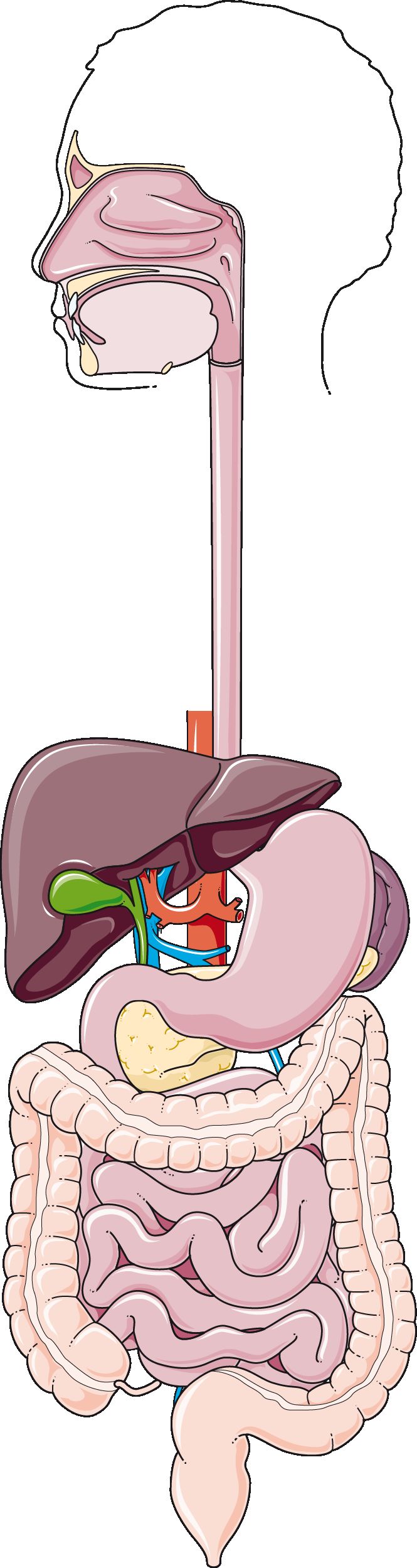
Screen directly, in plain words, without euphemism
Asking about suicide does not plant the idea, and in mood disorders the question is never optional — the fear of causing harm by asking is what produces the vague, deniable question that gets a vague, deniable answer. Ask plainly: “Are you having thoughts of killing yourself?” Not “you’re not thinking of doing anything silly, are you?” — which tells the person the correct answer, signals your discomfort, and shuts the door.
If the answer is yes, keep going in the same tone. Ask about a plan: what have you thought about doing. Ask about means: do you have access to that — a firearm, medication, a vehicle, a rope. Ask about timing and intent: have you decided when, how close have you come, what has stopped you so far. Ask about previous attempts, because a prior attempt is the single strongest predictor of a future one. Ask about the protective side too: what keeps you here, who would you call. Structured tools such as the Columbia protocol or the Ask Suicide-Screening Questions organise this and are widely mandated, but they support the interview rather than replacing it.
Language commits you to a stance. Say a person died by suicide or attempted suicide. Never “committed suicide” — the phrase carries the residue of crime and sin, and people who have lost someone hear it. Never call an attempt a gesture, a manipulation, or attention-seeking, and never grade an attempt as failed or successful. Ambivalence is universal: the person in front of you almost always wants the pain to stop rather than wanting to be dead, and it is that ambivalence you are working with.
Safety planning, means restriction and levels of observation
A safety plan is written with the person, in their words, and it is a sequence of things to do: personal warning signs, internal coping strategies that do not require anyone else, people and settings that provide distraction, people to ask for help, professionals and crisis numbers, and steps to make the environment safe. Give the person a copy and put a copy in the chart. It is fundamentally different from a “no-suicide contract,” which asks for a promise, has no evidence of effectiveness, and mainly reassures staff.
Means restriction is the intervention with the strongest evidence and the one most often skipped because it is awkward. Many suicidal crises are short-lived and highly method-specific; putting time and distance between a person and a lethal method saves lives. So ask about firearms explicitly and discuss out-of-home storage with a trusted person or a licensed dealer; dispense limited quantities of medication with a lethal overdose profile such as tricyclics and lithium; involve family in locking or removing medications; and address vehicles, cords, belts and sharps in the home environment as concretely as you would address them on the unit.
On an inpatient unit, safety is graded from routine checks at set intervals, through frequent or line-of-sight observation, to continuous one-to-one observation with an arm’s-length requirement. The governing principle is the least restrictive intervention that provides adequate safety, reassessed continually rather than set once. The corollary is that observation level is a nursing assessment decision within provider orders, and never adjusted by an unlicensed staff member or by the person’s reassurance alone. The statutory frame these decisions sit inside — admission status, decision-specific capacity and the legal limits of confidentiality — is developed in Chapter 3.
De-escalation always comes before restraint
Escalation announces itself. Pacing, clenched fists or jaw, rising volume, shorter sentences, refusal to sit, invading space, fixed staring, sudden silence after agitation. Act at that stage, because once a person is beyond a certain point your options narrow to bad ones. Give space — at least two arm’s lengths, no cornering, keep your own exit clear. Reduce stimulation: fewer people, less noise, lower light, one person speaking. Lower and slow your voice rather than raising it. Use short sentences, name what you observe, ask what would help right now, and offer real choices — a quiet room, a walk, a phone call, food, a PRN medication. Honour whatever you offer, because a broken promise on a behavioural unit is remembered for the entire admission.
Seclusion and restraint are emergency interventions used only when there is an imminent risk of harm to the person or others and less restrictive measures have failed, and they are never used for punishment, staff convenience, or a shortage of staff. There is no such thing as a PRN or standing order for behavioural restraint. A licensed independent practitioner must order it, and a face-to-face evaluation is required within one hour. Orders are time-limited: up to four hours for adults 18 and over, two hours for ages 9 through 17, and one hour for children under 9, renewed only after re-evaluation. The person is monitored continuously, with documented attention to circulation, skin integrity, respiratory status, range of motion, hydration, nutrition and toileting at frequent intervals. Release at the earliest possible moment, and debrief afterwards with the person and with the team — both because restraint is a traumatic event and because the debrief is where you find the missed de-escalation opportunity.
| Red flag | Why it is urgent | SBAR escalation |
|---|---|---|
| New plan, access to means, or a stated intent | Shifts risk from ideation to imminent danger | S: Mr. Alvarez has just disclosed a specific plan. B: Admitted 2 days ago for major depressive disorder, sertraline started day 1, one prior attempt in 2019. A: He describes a plan with access to means and declines to say he is safe. R: I have moved him to continuous observation and removed the item — I need you to evaluate now and review the observation order. |
| Clonus, hyperreflexia, agitation and fever after a serotonergic dose change | Serotonin syndrome; can progress to hyperthermia and rhabdomyolysis within hours | S: Possible serotonin syndrome. B: Escitalopram increased yesterday, tramadol given at 0600. A: Temperature 38.9, heart rate 128, diaphoretic, inducible lower-limb clonus, agitated. R: I have held all serotonergic agents and started cooling — I need urgent evaluation, a benzodiazepine order and transfer to a monitored bed. |
| Coarse tremor, vomiting, ataxia or slurred speech on lithium | Lithium toxicity; a narrow window and a rising level | S: Signs of lithium toxicity. B: Lithium 900 mg twice daily, last level 1.1, started ibuprofen for back pain 3 days ago, gastroenteritis since yesterday. A: Coarse tremor, unsteady gait, slurred speech, poor oral intake. R: Dose held — I need a stat lithium level, electrolytes, creatinine and an order for IV fluids. |
| Any new rash on lamotrigine | Stevens-Johnson syndrome and toxic epidermal necrolysis are life-threatening | S: New rash on lamotrigine. B: Dose increased 6 days ago. A: Macular rash on trunk with two oral lesions and a temperature of 38.2. R: Drug held — I need immediate evaluation and I expect this will be permanently discontinued. |
| Occipital headache, stiff neck and severe hypertension on an MAOI | Tyramine hypertensive crisis; risk of intracranial haemorrhage | S: Possible hypertensive crisis on phenelzine. B: Ate at a restaurant on pass this evening. A: Blood pressure 214/126, severe occipital headache, neck stiffness, palpitations, diaphoresis. R: I need you at the bedside now and an order for rapid blood-pressure management and transfer. |
| Confusion, fluctuating mood and delusions within 2 weeks of childbirth | Postpartum psychosis; risk to parent and infant | S: Suspected postpartum psychosis. B: Delivered 9 days ago, family history of bipolar disorder, has not slept in 3 nights. A: Disorganised speech, belief the baby has been switched, will not be left alone with the infant. R: I have arranged continuous supervision and separated care of the infant — I need emergency psychiatric evaluation and an admission decision now. |
Ask about suicide in plain words, build a written safety plan with means restriction rather than a promise, choose the least restrictive intervention and de-escalate long before restraint — and escalate deterioration in SBAR with the action you have already taken.
The chapter in one breath
Depression is a syndrome of energy, sleep, appetite, movement and thought, not a mood a person chooses; screen it with SIGECAPS or the PHQ-9, exclude thyroid disease, anaemia, B12 deficiency, sleep apnoea, alcohol and drug causes, and document behaviour rather than character. One lifetime manic episode means bipolar I; hypomania is the same symptom list without marked impairment, psychosis or hospitalisation, and mixed features carry the highest suicide risk in all of mood disorder. Screen every depressed person for past elevation before an antidepressant is started, because monotherapy can precipitate a switch. Learn the medications by mechanism and the monitoring follows: SSRIs take two to four weeks and cause sexual dysfunction and hyponatraemia, bupropion lowers the seizure threshold, tricyclics are lethal in overdose, MAOIs need a tyramine-free diet, lithium is a salt whose level rises with dehydration, NSAIDs and thiazides, and any rash on lamotrigine means stop and call. Say the therapeutic sentence — stay with the feeling, ask directly about suicide, never argue with hopelessness or grandiosity. Deliver the milieu trauma-informed, delegate observation but never assessment, de-escalate before you ever consider restraint, and escalate in SBAR with the action you have already taken.
Words worth knowing
| Term | What it means |
|---|---|
| Anhedonia | Loss of interest or pleasure in activities that were previously enjoyable; one of the two gateway symptoms of major depressive disorder. |
| SIGECAPS | Mnemonic for the depression criteria: Sleep, Interest, Guilt, Energy, Concentration, Appetite, Psychomotor change, Suicidality. |
| Psychomotor retardation | Observable slowing of movement, speech and thought, with long latency before responses; a mental status finding, not laziness. |
| Persistent depressive disorder | Depressed mood more days than not for at least 2 years in adults (1 year in youth), often at lower intensity than a major episode. |
| Hypomania | At least 4 days of elevated or irritable mood with increased energy, observable by others, without marked impairment, psychosis or hospitalisation. |
| Mania | At least 7 days (or any duration if hospitalised) of elevated or irritable mood with increased activity plus 3 or more DIGFAST symptoms and marked impairment. |
| Mixed features | Symptoms of the opposite pole during a mood episode; combines despair with energy and impulsivity, and carries the highest suicide risk. |
| Decreased need for sleep | Sleeping far less than usual and feeling rested and energetic — distinct from insomnia, and an early warning sign of an emerging episode. |
| Serotonin syndrome | Rapid-onset autonomic instability, altered mental status and neuromuscular excitability with hyperreflexia and clonus after serotonergic excess. |
| Neuroleptic malignant syndrome | Days-long onset of hyperthermia, lead-pipe rigidity with hyporeflexia, autonomic instability and markedly raised creatine kinase after antipsychotic exposure; stop the drug and treat with dantrolene or bromocriptine — contrast with serotonin syndrome. |
| Discontinuation syndrome | FINISH — flu-like symptoms, insomnia, nausea, imbalance, sensory “zaps” and hyperarousal after abrupt cessation of an SSRI or SNRI. |
| Tyramine reaction | Hypertensive crisis with occipital headache, stiff neck and palpitations when a person taking an MAOI eats aged, cured or fermented foods. |
| Lithium trough level | Serum level drawn 12 hours after the last dose; therapeutic 0.6 to 1.2 mEq/L, toxic above 1.5, dialysis territory above roughly 2.5. |
| Stevens-Johnson syndrome | Severe mucocutaneous drug reaction associated with lamotrigine and carbamazepine; any new rash requires immediate cessation and evaluation. |
| Electroconvulsive therapy | Induced seizure under anaesthesia; fastest treatment for catatonic, psychotic or severely suicidal depression, with transient memory disturbance. |
| Safety plan | A written, person-generated sequence of warning signs, coping strategies, supports and crisis contacts, including steps to restrict access to means. |
| Means restriction | Putting time and distance between a person at risk and a lethal method; the intervention with the strongest evidence for preventing death. |
| Least restrictive intervention | The legal and ethical requirement to use the lowest level of restriction that maintains safety, reassessed continually. |
| Trauma-informed care | Practising on the assumption that a trauma history may be present: explain before acting, ask before touching, offer real choices, avoid surprise. |
| Therapeutic milieu | Deliberate use of structure, predictability, safe physical space and consistent staff behaviour as an active treatment. |
Check yourself
Schizophrenia Spectrum and Other Psychotic Disorders
Psychosis is a change in the way a person experiences reality — what they perceive, what they believe, how their thoughts hold together. Schizophrenia is one destination on a spectrum that also includes brief psychotic disorder, schizophreniform disorder, schizoaffective disorder, delusional disorder and psychosis produced by substances or by medical illness. About three to seven people in every thousand will live with schizophrenia, most of them developing it in the years when they were supposed to be finishing school and starting work. They are, contrary to almost everything the culture tells you, far more likely to be harmed by violence than to commit it, and far more likely to die of a heart attack at fifty-five than of anything dramatic. This chapter teaches you to recognise psychosis, to speak to a person who is hearing voices without either arguing or lying, to give antipsychotics safely and catch the emergencies they cause, and to build a milieu where restraint is the rare failure rather than the routine.
By the end of this chapter you can
- Differentiate positive, negative and cognitive symptom domains and explain why negative and cognitive symptoms drive long-term function.
- Distinguish schizophrenia from schizophreniform disorder, brief psychotic disorder, schizoaffective disorder, delusional disorder and substance-induced psychotic disorder using duration and mood criteria.
- Perform a focused mental status exam in psychosis, screen for command hallucinations and suicide risk directly, and identify medical mimics including delirium and autoimmune encephalitis.
- Demonstrate therapeutic responses to hallucinations and delusions that neither confirm nor argue, and explain why each non-therapeutic alternative fails.
- Explain antipsychotic action by dopamine pathway and predict the adverse effect that follows from blocking each one.
- Recognise and act on acute dystonia, akathisia, tardive dyskinesia, neuroleptic malignant syndrome, clozapine-induced agranulocytosis and myocarditis.
- Apply the metabolic and haematologic monitoring schedules that keep people alive, including the AIMS and clozapine ANC protocols.
- Lead verbal de-escalation before any restrictive intervention, and apply the rules governing involuntary admission, capacity and seclusion and restraint in acute psychosis.
- Delegate appropriately to assistive personnel on a behavioural unit and escalate red flags using SBAR.
Section 1What Psychosis Is, and What It Is Not
Three symptom domains, and which one actually decides the future
Psychosis is described in three domains, and students almost always over-weight the first. Positive symptoms are experiences added to ordinary mental life: hallucinations, delusions, disorganised speech and grossly disorganised or catatonic behaviour. Auditory hallucinations are the most common form, often voices commenting on the person or talking to each other; visual hallucinations occur but should always make you think harder about delirium, substance withdrawal or a neurological cause. Delusions are fixed beliefs that do not change in the face of contrary evidence, and persecutory delusions are the most frequent, followed by referential, grandiose, somatic, erotomanic and nihilistic themes. Disorganised speech shows up as loose associations, tangentiality, circumstantiality, neologisms, clang associations or, at the extreme, word salad.
Negative symptoms are subtractions — capacities that have gone quiet. The classic teaching list is the five A’s: affective blunting (reduced facial and vocal expression), alogia (poverty of speech and of thought content), anhedonia, avolition (loss of goal-directed drive) and asociality. Negative symptoms are quiet, unglamorous and easy to mislabel as laziness, depression or “poor motivation”, which is exactly why they get undertreated. Cognitive symptoms — slowed processing speed, impaired working memory, poor attention, weak executive function and difficulty reading social cues — are the strongest single predictor of whether a person will hold a job, keep an apartment and maintain friendships. Positive symptoms bring people to the hospital; negative and cognitive symptoms decide what their life looks like ten years later.
A fourth cluster deserves separate mention because it is dangerous and frequently missed. Catatonia can appear in schizophrenia, in mood disorders and in medical illness. Look for immobility or stupor, mutism, negativism (resisting all instruction), posturing, waxy flexibility, stereotypy, echolalia and echopraxia — or the opposite pole, purposeless excitement. Catatonia responds to benzodiazepines, classically a lorazepam challenge, and to electroconvulsive therapy. Antipsychotics may worsen it and can tip it into malignant catatonia, which is clinically indistinguishable from neuroleptic malignant syndrome. If a person stops moving, stops eating and stops speaking, that is a medical emergency, not withdrawal or refusal.
Drawing the lines: duration, mood and cause
Schizophrenia under DSM-5-TR requires two or more of five features — delusions, hallucinations, disorganised speech, grossly disorganised or catatonic behaviour, and negative symptoms — with at least one of the first three present. Continuous signs of disturbance must persist for six months, including at least one month of active-phase symptoms, and function must have fallen below the person’s previous level. The six-month window usually contains a prodrome: months of social withdrawal, odd beliefs, declining grades, blunted affect and perceptual oddities that in retrospect were the illness beginning. Recognising the prodrome matters because duration of untreated psychosis is one of the few modifiable predictors of outcome.
The rest of the spectrum is separated mostly by time and by mood. Memorise the duration ladder rather than a list of adjectives; it is the highest-yield thing in this section.
| Disorder | Defining feature | Duration |
|---|---|---|
| Brief psychotic disorder | Sudden psychosis, often after a severe stressor; full return to baseline | One day up to one month |
| Schizophreniform disorder | Meets schizophrenia symptom criteria; functional decline not required | One to six months |
| Schizophrenia | Symptom criteria plus functional decline | Six months or longer |
| Schizoaffective disorder | Major mood episode concurrent with psychosis, PLUS at least two weeks of psychosis with no prominent mood symptoms | Lifetime pattern |
| Delusional disorder | One or more delusions; function outside the delusion is largely preserved; no prominent hallucinations | One month or longer |
| Substance or medication-induced psychotic disorder | Symptoms begin during or soon after intoxication, withdrawal or drug exposure and are explained by it | Resolves with the exposure |
| Psychotic disorder due to another medical condition | Direct physiologic consequence of illness — encephalitis, epilepsy, endocrine, autoimmune | Tracks the illness |
Two clinical distinctions do most of the work at the bedside. First, if psychosis appears only during mood episodes, the diagnosis is a mood disorder with psychotic features, not schizoaffective disorder — the two weeks of psychosis without prominent mood symptoms is the hinge. Second, a first psychotic episode in a person over forty, or with visual hallucinations, fluctuating attention, fever, headache, seizure, autonomic instability or new neurological signs, is a medical workup until proven otherwise. Anti-NMDA receptor encephalitis classically presents as new psychosis with dyskinesias, seizures and autonomic instability in a young adult, and it is treatable.
Cannabis and psychosis. High-potency cannabis use in adolescence is one of the strongest modifiable risk factors for later psychosis, with a dose-response relationship. Say this plainly and without moralising. Students often ask which came first; the honest answer is that both directions operate, and that for a young person with family history the risk arithmetic is different than for their friends.
Who develops it, and the two myths that harm patients
Lifetime prevalence sits near 0.3 to 0.7 percent worldwide, with remarkably similar rates across cultures. Onset clusters in the late teens through mid-twenties for men and the late twenties for women, with a second smaller female peak around menopause. Heritability is high — concordance in identical twins approaches half — but the genetics are polygenic and no single gene predicts illness. Environmental contributors include obstetric complications and prenatal infection, childhood adversity and trauma, urban upbringing, migration and minority status, and adolescent cannabis exposure. The prevailing model is neurodevelopmental: a vulnerable brain, shaped early, that decompensates when adolescent synaptic pruning and stress load coincide.
The first myth is that people with schizophrenia are dangerous. In aggregate, the contribution of serious mental illness to community violence is small, and it shrinks further once substance use and prior victimisation are accounted for. What is enormous, and rarely mentioned, is the reverse: people with schizophrenia are victimised at several times the rate of the general population — assaulted, robbed, sexually abused, exploited financially. When a student on your unit describes a patient as dangerous, redirect to the actual data: what behaviour, toward whom, under what conditions, and what preceded it.
The second myth is that the illness is a life sentence of deterioration. Outcomes are heterogeneous: roughly a fifth of people have a single episode or a favourable course, most have a relapsing course with meaningful function between episodes, and a minority have persistent disabling symptoms. What genuinely shortens life is not psychosis but cardiometabolic disease. The mortality gap of fifteen to twenty years is driven mostly by cardiovascular disease, diabetes and smoking, compounded by fragmented physical health care. Suicide accounts for a substantial share as well, with roughly one in twenty people with schizophrenia dying by suicide, the risk highest early in the illness and in people with preserved insight. Your metabolic monitoring is not paperwork. It is the intervention with the largest number of life-years attached to it.
Positive symptoms get a person admitted, but negative and cognitive symptoms determine their function — and cardiometabolic disease, not psychosis, is what shortens their life.
Section 2Assessment Before Intervention
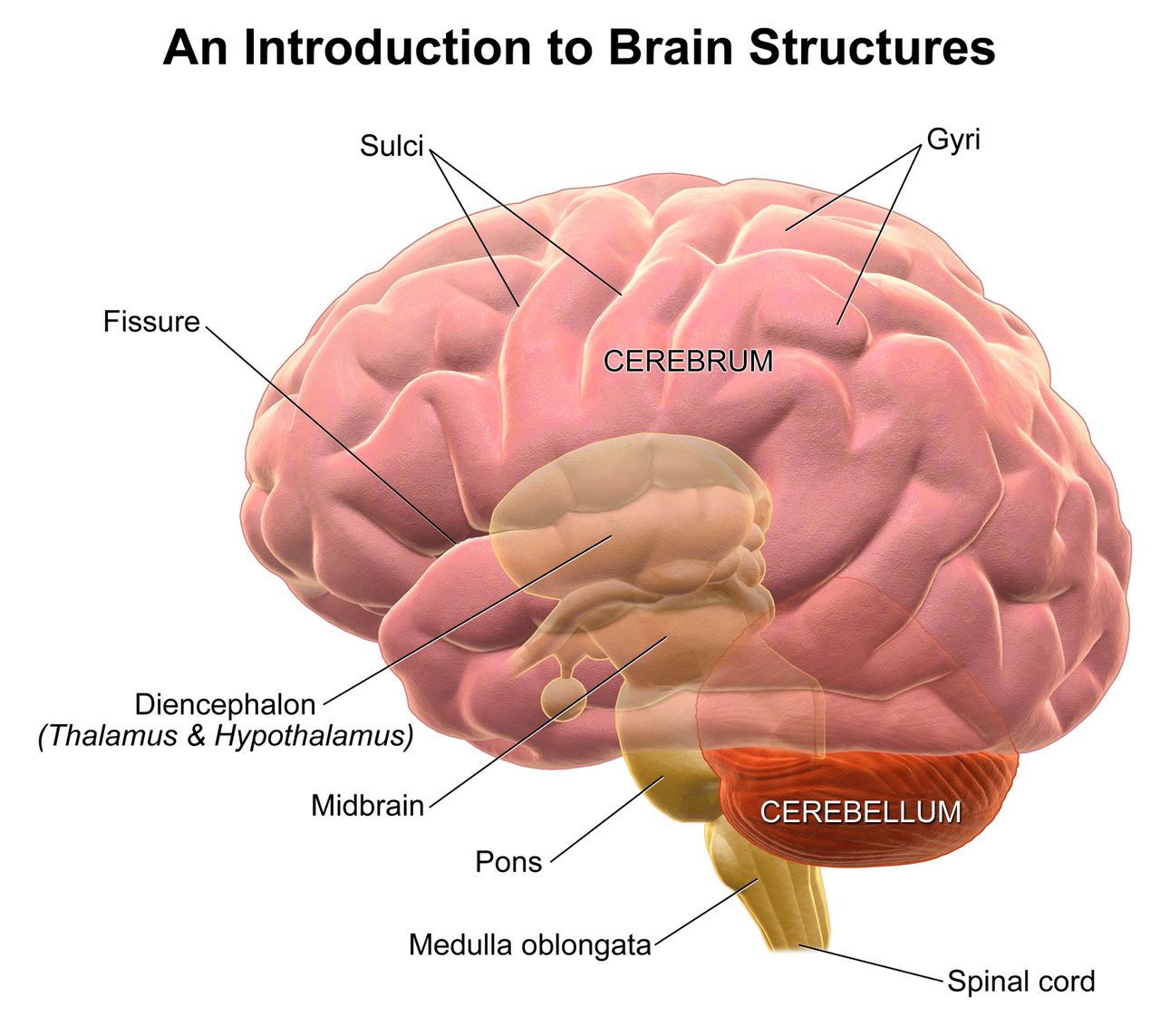
The mental status exam in psychosis
The mental status exam is to psychiatric nursing what the head-to-toe is to medical nursing, and most of it is collected by watching. Work through the standard domains and note what psychosis specifically does to each. Appearance and behaviour: grooming often deteriorates with negative symptoms; look for stereotyped movements, posturing, responding to internal stimuli, and psychomotor slowing or agitation. Speech: rate, volume, latency, spontaneity — long latency and monosyllabic answers may be alogia rather than resistance. Mood and affect: mood is what the person reports, affect is what you observe; describe affect by range, intensity, stability and congruence, and use terms like blunted, flat, constricted or incongruent rather than “inappropriate”.
Thought process describes how thinking is organised: linear and goal-directed, or circumstantial, tangential, showing loose associations, thought blocking, flight of ideas or word salad. Thought content describes what is in it: delusions, obsessions, ideas of reference, suicidal or homicidal ideation. Perception covers hallucinations in every sensory modality plus illusions, depersonalisation and derealisation. Cognition covers orientation, attention, registration, recall and abstraction. Insight is the person’s understanding that they are ill, and judgement is the quality of their decisions given that understanding. Impaired insight in schizophrenia is often anosognosia — a neurologically based unawareness of illness, not stubbornness or denial — and describing it that way changes how the whole team behaves.
Document what you observed, quoted where possible, rather than your conclusion. “Patient is paranoid” teaches the next nurse nothing. “Patient stated, ‘They put something in the vent to listen to me,’ declined the evening meal tray after inspecting it, and sat facing the door for most of the shift” tells them exactly what they are walking into.
Asking the questions students are afraid to ask
You will not damage anyone by asking about hallucinations or suicide, and you will miss both if you wait to be told. Ask plainly and specifically, and ask about content, because content is what drives risk — and remember that suicide risk in schizophrenia is highest early in the illness and in people whose insight is preserved, which makes the person who is starting to understand what has happened to them the one to watch most closely. When risk is present, the response is a raised observation level, a safety plan written collaboratively with the person, and provider notification.
| Domain | Ask it this way | Then follow with |
|---|---|---|
| Auditory hallucinations | “Do you ever hear voices or sounds when no one else is around?” | “What do they say? Do they ever tell you to do something?” |
| Command hallucinations | “Are the voices telling you to hurt yourself or anyone else?” | “Have you ever done what they said? What stopped you last time?” |
| Delusional content | “Has anything been happening lately that feels strange or hard to explain?” | “How much of the time do you think about it? What do you feel you need to do about it?” |
| Suicide risk | “Have you had thoughts of killing yourself?” | Plan, means, access, timing, intent, prior attempts, protective factors |
| Risk to others | “Have you had thoughts of hurting someone? Is there a specific person?” | Name the person, the plan and the access; a named target changes the observation level and goes to the provider now |
| Substances | “What are you using right now, and how much?” | Last use, route, quantity — ask without flinching, report as positive or negative screen |
| Adherence | “A lot of people stop these medicines. What has that been like for you?” | Side effects, cost, access, beliefs, forgetting — each has a different fix |
Command hallucinations deserve a formal risk assessment rather than a checkbox. The risk of acting rises when the voice is familiar or identified, when the person believes the voice is powerful or benevolent, when the command is congruent with an existing delusion, when the person has acted on commands before, and when substances are on board. Ask whether they have ever refused a command and what made that possible — you are looking for the coping strategy you will help them rebuild.
Ruling out the mimics, and asking about trauma without opening it
Before anyone writes “first-episode psychosis”, the mimics have to be excluded, and much of that work is nursing work: vital signs including temperature, a fingerstick glucose, a neurological check, a review of every prescribed and non-prescribed substance, and an accurate collateral history. Delirium is the single most important differential and is distinguished by acute onset, fluctuating course, and impaired attention and orientation — a person with schizophrenia is usually oriented and attentive between episodes, a person with delirium is neither. Other mimics include intoxication with stimulants, cannabis or hallucinogens; alcohol or sedative withdrawal; steroid or anticholinergic effect; thyroid disease; B12 deficiency; neurosyphilis and HIV; temporal lobe epilepsy; autoimmune encephalitis; systemic lupus; Wilson’s and Huntington’s disease; and space-occupying lesions.
Trauma histories are common among people with psychosis — both as a developmental contributor and as a consequence of victimisation, involuntary treatment, seclusion and restraint. Trauma-informed care does not mean taking a detailed trauma history on admission; a detailed account extracted at the wrong moment can re-traumatise. It means assuming a trauma history may be present in everyone, and building care so it does not matter whether you know. Announce what you are about to do before you do it. Ask permission before touching. Explain why the door is open. Offer choices wherever a real choice exists — which arm, oral or intramuscular, now or in ten minutes. Avoid crowding, avoid surprise, avoid restraint. A screening question is enough at intake: “Have you had experiences in the past that make hospitals or being around a lot of people hard for you? Is there anything we should know so we do not make it worse?”
Water intoxication. Primary polydipsia is common in chronic psychotic illness and can produce dilutional hyponatremia, confusion, seizures and death. Daily weights are the cheapest detection tool you have: a rise of more than three to four percent of body weight across a day, with new confusion, incontinence or vomiting, is a sodium check now, not at the next scheduled draw.
Assess before you intervene: document observed behaviour and quotes rather than labels, ask about voices and suicide directly, and exclude delirium and other medical mimics before psychosis is called primary.
Section 3Talking With a Person Who Is Psychotic
The rule that solves most of it: neither confirm nor argue
Almost every exam question and almost every real bedside moment turns on one principle. You do not agree that the voices are real, because that reinforces the perception and destroys your credibility. You do not argue that they are not real, because to the person they are unambiguously real, and arguing recruits you into the delusional system as one more person who does not believe them. Instead you do three things: acknowledge the experience as their experience, state your own perception honestly and briefly, and move toward the feeling, which is always real and always available for discussion.
The structure is simple enough to memorise. “I believe that you hear that. I do not hear it. It sounds frightening — tell me what that is like for you right now.” Then stay with the feeling. Fear, humiliation, loneliness and being disbelieved are the emotional core of most psychotic distress, and they are the part of the conversation where you can actually help.
| Patient says | Do not say | Say instead | Why |
|---|---|---|---|
| “The voices are calling me worthless.” | “There are no voices. It’s your illness.” | “I don’t hear them, but I believe you do. Being told that must hurt. What are they saying exactly?” | Denial makes you an opponent; acknowledgement plus honest disagreement keeps the alliance and gets you the content you need for risk assessment. |
| “The staff are poisoning my food.” | “No one is poisoning you. Look, I’ll eat some.” | “That would be terrifying to believe. I don’t see it that way, and I don’t want you to go hungry — would a sealed carton be easier?” | Proving the delusion wrong never works and often expands it. Naming the fear and solving the practical problem does. |
| “Do you believe me? Just say you believe me.” | “Yes, I believe you.” | “I believe this is real to you, and I can see how much it’s weighing on you. I see it differently, and I’m still here.” | Lying buys ten minutes and costs the relationship. Distinguishing ‘real to you’ from ‘real’ is honest and containing. |
| “The FBI put a chip in my neck.” | “Why would the FBI be interested in you?” | “What’s it been like, feeling watched like that? How long have you felt it?” | ‘Why’ questions demand justification of a belief that cannot be justified and feel like mockery. Moving to experience and timeline is both kinder and more diagnostic. |
| Silence, long latency, minimal answers | “You need to participate if you want to get better.” | “I’m going to sit here a few minutes. You don’t have to talk.” | Alogia and avolition are symptoms, not refusal. Tolerating silence is an intervention; pressure produces withdrawal. |
| “A voice is telling me to hit that man.” | “Try to ignore it.” | “Thank you for telling me — that took trust. Are you able to not do what it says right now? Let’s move somewhere quieter and I’ll stay with you.” | Reinforce the disclosure, assess the ability to resist, then reduce stimulation and increase presence. Never leave a command hallucination unassessed. |
| “I’m not sick. I don’t need this medication.” | “You have schizophrenia and you have to take it.” | “What would you want to be different in your life? Is there anything the medicine has helped with, even a little?” | Insisting on the diagnostic label with anosognosia produces a fight. Working from the person’s own goals — sleep, quiet, staying out of hospital — produces adherence. |
Disorganisation, and how to be understood
When thought is disorganised, your job is to reduce the processing load. Use short sentences with one idea each. Ask one question at a time and wait — latency in psychosis can be long, and filling the silence with a second question means neither gets answered. Use concrete language, because abstraction is where thought disorder does the most damage; “Are you in pain?” works, “How are you coping with everything?” does not. Avoid idioms and metaphors, which may be taken literally or absorbed into delusional content. Cut environmental noise: television off, hallway door closed, one person speaking.
When you genuinely cannot follow what is being said, say so without blaming: “I want to understand and I’m losing the thread. Can we go back to the part about your brother?” If speech is unintelligible, respond to the affect instead of the content — “You sound really upset” — because affect is the channel that stays open. And resist the urge to pretend comprehension. People with psychosis are frequently more attuned to insincerity than to content, and nodding along to word salad is read, correctly, as not listening.
Do not decode the delusion. New nurses often try to interpret symbolic content — “the chip in your neck represents feeling controlled by your family”. This is not your role, it usually lands as dismissal, and it can consolidate the belief. Stay with feeling, function and safety; leave interpretation to the treatment team and to psychotherapy that the person has consented to.
Building the alliance you will need later
The therapeutic relationship in psychosis is built in small, unglamorous reliability: arriving when you said you would, remembering what they told you yesterday, and doing the tiny thing you promised. Trust is measured behaviourally, and paranoia is not an obstacle to it so much as a reason to be scrupulous. Explain everything in advance — why you are taking blood pressure, what the medication is for, who the person at the door is. Never whisper within sight of a person with persecutory beliefs; a private conversation about the schedule will be understood as a conversation about them.
Set limits with warmth and consistency rather than negotiation. “I can’t give the next dose until two o’clock. I can sit with you now, or we can walk the hallway” is a limit with a choice inside it. And attend to your own language in report, because it becomes the team’s reality. A person who repeatedly comes to the desk is not “attention-seeking”; they are seeking contact, and it is worth asking what for. A person who declines a medication is not “non-compliant”; they are declining, and there is a reason — akathisia, sedation, sexual side effects, cost, a belief about the drug — and each reason has a different remedy. Describe the behaviour, describe what it seems to communicate, and let the chart be a document someone can act on rather than a verdict someone inherits.
Never confirm and never argue with a hallucination or delusion — acknowledge the experience, state your different perception honestly, and move the conversation to the feeling, which is always real.
Section 4Antipsychotics by Mechanism, and the Emergencies
Four pathways, four consequences
Every antipsychotic blocks or partially blocks the dopamine D2 receptor, and the drug cannot choose where. That single fact organises the entire pharmacology. The mesolimbic pathway is overactive in psychosis; blocking it reduces positive symptoms, and this is the therapeutic effect. The mesocortical pathway is already underactive, contributing to negative and cognitive symptoms; blocking it further can worsen them, which is why a heavily blocked person may look apathetic and flat. The nigrostriatal pathway governs movement; blocking it produces extrapyramidal symptoms and, over time, tardive dyskinesia. The tuberoinfundibular pathway normally suppresses prolactin; blocking it raises prolactin, producing galactorrhea, amenorrhea, gynecomastia, sexual dysfunction and reduced bone density. Second-generation agents add 5-HT2A antagonism, which loosens dopamine blockade in the striatum and cortex and is the reason they cause fewer movement problems — and they add histamine, muscarinic and alpha-1 effects, which is where sedation, dry mouth, constipation and orthostasis come from.
Antipsychotics take days for agitation and sleep to improve, one to two weeks for positive symptoms to begin shifting, and four to six weeks or more for a full response; negative and cognitive symptoms respond least and slowest. Teach this explicitly, because a person who expects relief in two days and gets akathisia instead will stop the drug in a week.
| Agent | Class note | Watch especially for |
|---|---|---|
| Haloperidol, fluphenazine | First generation, high potency | Acute dystonia, akathisia, pseudoparkinsonism, tardive dyskinesia, prolactin elevation, QT with IV use |
| Chlorpromazine | First generation, low potency | Sedation, orthostatic hypotension, anticholinergic load, photosensitivity |
| Risperidone, paliperidone | Second generation | Highest prolactin elevation of the second generation; dose-dependent extrapyramidal symptoms |
| Olanzapine | Second generation | Greatest weight gain and metabolic burden; sedation |
| Quetiapine | Second generation | Sedation, orthostasis, weight gain; low movement risk |
| Ziprasidone | Second generation | QT prolongation; must be taken with a meal of roughly 500 calories for absorption |
| Lurasidone | Second generation | Akathisia; take with at least 350 calories of food |
| Aripiprazole, brexpiprazole, cariprazine | D2 partial agonists | Akathisia, activation, insomnia; least metabolic burden of the group |
| Clozapine | Reserved for treatment resistance | Agranulocytosis, myocarditis, seizures, severe constipation and ileus, sialorrhea, metabolic effects, orthostasis |
Movement disorders: four timelines you can be tested on
Acute dystonia appears within hours to a few days — sustained muscle contraction producing torticollis, trismus, opisthotonus or oculogyric crisis. It is frightening and, if the larynx is involved, life-threatening. Treatment is intramuscular benztropine or diphenhydramine, and it works within minutes. Young men on high-potency first-generation agents are the classic population.
Akathisia appears within days to weeks and is the one most often missed, because it is misread as anxiety, agitation or worsening psychosis — and then treated with more antipsychotic, which makes it worse. The person describes an unbearable inner restlessness and cannot sit still; they pace, rock, shift, march in place. Akathisia is independently associated with suicide risk. Management is dose reduction or switching, plus propranolol, or a short-course benzodiazepine rather than a maintenance one. Anticholinergics help it much less than they help dystonia and parkinsonism.
Pseudoparkinsonism emerges over weeks: bradykinesia, rigidity, masked facies, shuffling gait, pill-rolling tremor. Treat with dose reduction, an anticholinergic such as benztropine or trihexyphenidyl, or amantadine. Tardive dyskinesia emerges over months to years as involuntary choreoathetoid movements of the tongue, lips, face, trunk and limbs; lip smacking and tongue protrusion are the classic early signs, and it may be irreversible. Screen with the Abnormal Involuntary Movement Scale (AIMS) at baseline and then every six months for first-generation agents and every twelve months for second-generation agents, more often for older adults. Anticholinergics worsen tardive dyskinesia — a fact routinely tested. Treatment is with a VMAT2 inhibitor such as valbenazine or deutetrabenazine.
The akathisia trap. A patient on day four of haloperidol is pacing, cannot sit for group and says he feels like jumping out of his skin. The reflex is a PRN antipsychotic for agitation. The correct move is to recognise akathisia and call the prescriber for a dose change or propranolol. Giving more of the causative drug is the single most common medication error on inpatient behavioural units.
Neuroleptic malignant syndrome and the other true emergencies
Neuroleptic malignant syndrome is rare and lethal. The tetrad is lead-pipe rigidity, hyperthermia — a temperature above 38 degrees Celsius (100.4 Fahrenheit) on two occasions is enough to raise the alarm, and it often climbs far higher — autonomic instability (labile blood pressure, tachycardia, diaphoresis) and altered mental status. Creatine kinase is markedly elevated, the white count is up, and myoglobinuria may cause acute kidney injury. Onset is typically within the first two weeks of starting or increasing an antipsychotic, and risk climbs with high potency agents, rapid titration, intramuscular dosing, dehydration and agitation. Nursing action: hold every antipsychotic dose, call the rapid response and prescriber, take vital signs including a core temperature, start cooling, secure intravenous access for aggressive fluids, monitor urine output and anticipate transfer to intensive care. Dantrolene and bromocriptine are used; benzodiazepines support agitation and overlap with catatonia treatment.
Distinguish it from serotonin syndrome, which shares hyperthermia and autonomic instability but presents with hyperreflexia, clonus that is often ocular or lower-limb, myoclonus, tremor, mydriasis, diarrhoea and an onset within hours of a serotonergic change rather than days to weeks. Rigidity in serotonin syndrome is lower-limb predominant and accompanied by brisk reflexes; in neuroleptic malignant syndrome it is generalised and reflexes are normal or reduced. Anticholinergic toxicity gives you dry skin and absent bowel sounds; both of the above give you sweating and, in serotonin syndrome, active bowels.
Clozapine is the most effective antipsychotic for treatment-resistant schizophrenia and the only one with evidence for reducing suicidality, and it carries the heaviest monitoring burden of any psychiatric drug. Absolute neutrophil count is checked weekly for the first six months, every two weeks for the next six months, and monthly thereafter, under a national REMS program; a dose cannot be dispensed without a current count. A fever or sore throat in a person on clozapine is a neutrophil count today, not a symptomatic treatment. Myocarditis occurs most often in the first two months — new chest pain, dyspnoea, tachycardia out of proportion, fever, fatigue — and requires troponin, C-reactive protein and echocardiography. Seizure risk is dose-related. Severe constipation progressing to ileus is a genuine cause of death; a bowel regimen is started prophylactically and bowel movements are documented. Sialorrhea is paradoxical and socially distressing, and hypotension mandates slow titration. One more that catches teams out: smoking induces CYP1A2, so when a person stops smoking — on admission to a smoke-free unit, for instance — clozapine and olanzapine levels rise and toxicity can follow.
Long-acting injectables are not punishment. Depot formulations of haloperidol, fluphenazine, risperidone, paliperidone and aripiprazole reduce relapse and rehospitalisation, and are especially useful after a first episode. Frame them as a way to stop thinking about pills daily, never as a consequence of “not taking your medication”. The framing predicts whether the person accepts it.
| Monitoring | Baseline | Then |
|---|---|---|
| Weight, BMI, waist circumference | Yes | Every visit for the first six months, then quarterly |
| Blood pressure, fasting glucose or A1c | Yes | At twelve weeks, then annually |
| Fasting lipid panel | Yes | At twelve weeks, then annually |
| AIMS for tardive dyskinesia | Yes | Every six months on first-generation agents, every twelve on second-generation |
| Absolute neutrophil count (clozapine) | Yes | Weekly for six months, every two weeks for six months, then monthly |
| ECG | If cardiac risk, or on ziprasidone, IV haloperidol, or clozapine | With dose changes and added QT-prolonging drugs |
| Prolactin | If symptomatic | With galactorrhea, amenorrhea, sexual dysfunction |
Predict the adverse effect from the pathway: therapeutic effect is mesolimbic, movement problems are nigrostriatal, prolactin is tuberoinfundibular — and rigidity with fever means hold the drug and escalate now.
Section 5Milieu, De-escalation, Restraint and Recovery
De-escalation comes first, always
Agitation is a trajectory, not an event, and the intervention that works is the one delivered early. Notice the precursors: pacing, clenched jaw, rising volume, pressured demands, refusal of the usual routine, staring, invading space, responding more intensely to internal stimuli. Then act on the environment before you act on the person — reduce noise, reduce audience, offer food or fluid, dim the area, open a path to a quieter room.
Verbal de-escalation has a teachable structure. Keep two arm-lengths of personal space and stand at an angle rather than squared off, with hands visible and open, and with both of you having a clear route to the door. Designate one person to speak; a semicircle of staff all talking is escalating, not containing. Use short sentences and the person’s name. Reflect what you hear until they confirm you have it right — “You’re telling me the roommate has been going through your things and nobody has done anything. Is that it?” Identify the want behind the anger, because it is usually concrete and often grantable: a phone call, a cigarette patch, to be left alone, to go home. Offer real choices. Set limits clearly and without threat, and state the consequence honestly rather than as leverage. Offer a PRN medication as an option the person takes, not as something done to them; oral is preferred and offering it early often prevents the intramuscular dose entirely.
The most common de-escalation error. Too many people in the room. Extra staff should be visible and near, not clustered around the person. Crowding is read as an ambush by anyone with persecutory beliefs or a trauma history, and it converts a conversation into a physical event.
The legal floor: admission status, capacity and restraint
Know whether the person on your unit is there voluntarily or under an involuntary admission — the accurate phrase; a person is never “committed” in professional language — because it changes what you may and may not do. The distinction that matters most in acute psychosis is the one students most often collapse: involuntary admission is not involuntary medication. Except in an emergency, treatment over objection requires its own separate review, and a person held involuntarily still retains the right to decline a routine dose. Capacity is decision-specific, fluctuates, and is assessed rather than assumed, and psychosis does not by itself remove it. Anosognosia in particular is not incapacity: a person may be genuinely unable to recognise that they are ill and still be able to weigh a specific decision about a specific drug, so “he has no insight” is never on its own a reason to treat someone over their objection.
Restraint and seclusion are not treatments. They are emergency safety measures used only when there is imminent danger of harm to the person or others, only when less restrictive interventions have failed or have been considered and rejected as inadequate, and only for as long as the danger persists. They may never be used for staff convenience, for punishment, or as a substitute for staffing. The federal Conditions of Participation set out the framework you are accountable to, and your facility policy may be stricter but never looser.
| Requirement | Standard |
|---|---|
| Order | Required from a licensed independent practitioner; a registered nurse may initiate in an emergency and must obtain the order immediately |
| PRN or standing orders | Never permitted for restraint or seclusion |
| Face-to-face evaluation | Within one hour of initiation, by a physician or other licensed independent practitioner — or, where state law and hospital policy permit, by a trained registered nurse or physician assistant who then consults the attending |
| Order time limits | Four hours for adults 18 and older; two hours for ages 9 through 17; one hour for children under 9; renewal requires reassessment |
| Monitoring | Continuous observation; circulation, skin integrity, respiratory status, hydration, toileting, nutrition and range of motion at documented intervals |
| Release | At the earliest possible moment, based on behavioural criteria, regardless of time remaining on the order |
| Debriefing | With the patient and with staff after the episode; deaths associated with restraint are reportable |
Two positions are prohibited absolutely: prone restraint with pressure on the back, and any hold that restricts the chest, neck or airway. Never place a person face-down. Never restrain a person alone. And document the sequence honestly — what behaviour occurred, what less restrictive interventions were tried and what happened to each, who ordered what and when, monitoring findings at each interval, and the behavioural criteria used to release. The debriefing afterward is not a formality; it is where the person gets to say what would have helped, and where the unit learns.
Delegation, the milieu and life after discharge
The milieu is a treatment tool: predictable structure, a posted schedule, groups, physical activity, sleep hygiene, sensory options such as weighted blankets and quiet rooms, and consistent staff. Assistive personnel run much of it, and knowing the boundary keeps everyone safe. Unlicensed assistive personnel can take and report vital signs, provide and assist with activities of daily living, perform one-to-one observation with explicit written parameters, conduct room and belongings searches under supervision per policy, escort patients, monitor intake and output and meals, take daily weights, set up group activities, and report specific observations back to the nurse. They cannot perform assessment, conduct a mental status exam, evaluate suicide or violence risk, decide the level of observation, triage a new complaint, provide patient teaching, evaluate the response to a PRN medication, or independently initiate or discontinue restraint. The dividing line is stable and predictable against unstable and changing: assessment, patient teaching and evaluation of a response never transfer, and a patient who is escalating, newly psychotic, medically unstable or at acute risk of self-harm stays with the registered nurse no matter how routine the individual task looks. Delegate the task with the parameter attached: not “watch him” but “stay within arm’s reach, line of sight in the bathroom with the door ajar, tell me immediately if he tries to go to his room or if anything changes.”
Recovery-oriented care after discharge is where outcomes are actually made. Coordinated specialty care for first-episode psychosis — a team combining low-dose medication, individual resiliency-focused therapy, family education, supported employment and education, and case management — improves function and quality of life and is the standard of care for a first episode. Family psychoeducation reliably reduces relapse, in part by lowering expressed emotion, the pattern of criticism, hostility and emotional over-involvement that predicts return to hospital. Assertive community treatment brings the team to the person for those with the highest hospitalisation rates. Individual Placement and Support is the evidence-based supported employment model and outperforms pre-vocational training. Cognitive behavioural therapy for psychosis, cognitive remediation, peer support and hearing-voices groups all add. Teach relapse prevention concretely: the person and family identify their own early warning signs — usually sleep loss first, then withdrawal, then suspiciousness — and write down who to call at each stage.
Sleep is the sentinel. Across the spectrum, deteriorating sleep is the earliest and most reliable relapse signal, and it is the one thing a family can track without any clinical training. “If he loses two nights of sleep in a row, call the clinic” is a better discharge intervention than a folder of pamphlets.
| Red flag | SBAR escalation |
|---|---|
| Rigidity, fever, diaphoresis, altered mentation | S: Possible neuroleptic malignant syndrome. B: Haloperidol started three days ago, dose increased yesterday. A: Temperature 39.4, generalised lead-pipe rigidity, BP swinging 90/50 to 160/95, confused. R: Antipsychotic held, need you at the bedside now, requesting CK, CMP, CBC and ICU evaluation. |
| Fever or sore throat on clozapine | R: Requesting a STAT absolute neutrophil count and hold of the next dose pending result. |
| Chest pain or dyspnoea in first eight weeks of clozapine | R: Requesting troponin, CRP, ECG and echocardiogram to rule out myocarditis. |
| New command hallucination to harm self or others | R: Requesting immediate provider evaluation, increase in observation level, and safety planning. |
| Acute dystonia with laryngeal or oculogyric involvement | R: Requesting an order for IM benztropine or diphenhydramine now; airway equipment at bedside. |
| New confusion with weight gain and low urine specific gravity | R: Requesting a STAT sodium for suspected water intoxication and fluid restriction orders. |
| Immobility, mutism, refusal of food and fluids | R: Requesting evaluation for catatonia, a lorazepam challenge, and hydration and nutrition orders. |
De-escalate before you restrain, restrain only for imminent danger and only within the legal limits, and remember that the interventions that change lives — coordinated specialty care, family psychoeducation, supported employment — happen after discharge.
The chapter in one breath
Psychosis is a change in perception, belief and thought organisation, and schizophrenia is one point on a spectrum sorted mostly by duration and by the relationship to mood. Positive symptoms bring people in; negative and cognitive symptoms decide their function; cardiometabolic disease decides their lifespan. Assess before you intervene — a mental status exam built from observation and quotes, direct questions about voices and suicide, a hard look for delirium and other medical mimics, and a trauma-informed stance that assumes a history you may never be told. In conversation, neither confirm nor argue: acknowledge the experience, state your own perception honestly, and move toward the feeling. Antipsychotics work by blocking dopamine, and every adverse effect follows from which pathway got blocked — movement disorders from the nigrostriatal, prolactin from the tuberoinfundibular, blunting from the mesocortical. Know the four movement-disorder timelines, recognise neuroleptic malignant syndrome and clozapine’s agranulocytosis and myocarditis, and do the metabolic monitoring that nobody applauds. De-escalate early and verbally; know whether the person is admitted voluntarily or involuntarily and remember that an involuntary admission is not consent to medication and that anosognosia is not incapacity; restrain only for imminent danger, within strict legal limits, never prone. Then aim everything at the life after discharge, where coordinated specialty care, family psychoeducation and supported employment do the real work.
Words worth knowing
| Term | What it means |
|---|---|
| Positive symptoms | Experiences added to normal function: hallucinations, delusions, disorganised speech and behaviour. |
| Negative symptoms | Capacities lost: blunted affect, alogia, anhedonia, avolition, asociality — the strongest drag on daily function. |
| Anosognosia | Neurologically based unawareness of being ill; not denial, not stubbornness, and it changes how the team approaches adherence. |
| Delusion | A fixed false belief that does not yield to contrary evidence; persecutory is the most common type. |
| Command hallucination | A voice instructing the person to act; risk rises when the voice is identified, believed powerful, or congruent with a delusion. |
| Loose associations | Thought process in which ideas shift with no logical connection between them. |
| Catatonia | Syndrome of immobility, mutism, negativism, posturing, waxy flexibility or excitement; treated with benzodiazepines or ECT, not more antipsychotic. |
| Prodrome | The months of withdrawal, declining function and odd beliefs preceding a first psychotic episode. |
| Duration of untreated psychosis | Time from symptom onset to effective treatment; shorter duration predicts better outcome, which is why early detection matters. |
| Schizoaffective disorder | Mood episode concurrent with psychosis PLUS at least two weeks of psychosis without prominent mood symptoms. |
| Extrapyramidal symptoms | Movement effects of nigrostriatal dopamine blockade: dystonia, akathisia, pseudoparkinsonism. |
| Akathisia | Intolerable inner restlessness with inability to sit still; frequently mistaken for agitation and independently linked to suicide risk. |
| Tardive dyskinesia | Late-onset involuntary choreoathetoid movements, often of tongue and face; screened with AIMS and worsened by anticholinergics. |
| AIMS | Abnormal Involuntary Movement Scale; the standardised screen for tardive dyskinesia. |
| Neuroleptic malignant syndrome | Lead-pipe rigidity, hyperthermia, autonomic instability and altered mental status with elevated CK; hold the drug and escalate immediately. |
| Agranulocytosis | Severe neutrophil loss; the reason clozapine requires scheduled absolute neutrophil count monitoring under a REMS program. |
| Expressed emotion | Family pattern of criticism, hostility and emotional over-involvement that predicts relapse and is reduced by psychoeducation. |
| Coordinated specialty care | Team-based first-episode program combining medication, therapy, family education, supported employment and case management. |
| Least restrictive intervention | The principle that the mildest effective measure must be used and exhausted before any more restrictive one. |
| Trauma-informed care | Practising as though a trauma history may be present in everyone: announce, ask permission, offer choice, avoid crowding and restraint. |
Check yourself
Substance Use and Addictive Disorders
No group of patients is more reliably mistreated by health care than people with substance use disorders, and no group responds more dramatically when the care is good. A substance use disorder is a chronic, relapsing, treatable brain condition — not a moral failure, not a choice a person keeps making out of weakness, and not something a person can be shamed out of. The nurse who understands the reward circuitry, who screens every patient rather than the ones who “look like” they use, who can score a CIWA-Ar and a COWS, who knows that naloxone reverses respiratory depression and that thiamine goes in before glucose, and who says person with an alcohol use disorder instead of alcoholic, changes outcomes measurably. This chapter builds that nurse. You will learn the neurobiology, the screening instruments, the withdrawal emergencies that kill, the medications that work, and the harm-reduction stance that keeps people alive long enough to recover.
By the end of this chapter you can
- Explain the mesolimbic reward pathway and the binge/intoxication, withdrawal/negative affect and preoccupation/anticipation cycle that sustains a substance use disorder.
- Apply the eleven DSM-5-TR criteria to grade a substance use disorder as mild, moderate or severe, and distinguish tolerance and withdrawal from addiction.
- Use person-first, non-stigmatising language and rewrite stigmatising chart entries into behavioural, observable documentation.
- Perform SBIRT screening using validated tools including AUDIT-C, CAGE-AID, DAST-10 and CRAFFT, and interpret a toxicology screen’s limits.
- Demonstrate motivational interviewing responses and contrast them with confrontational, non-therapeutic responses.
- Assess and manage alcohol withdrawal using CIWA-Ar, recognise delirium tremens and Wernicke encephalopathy, and escalate with SBAR.
- Manage opioid overdose with naloxone, score opioid withdrawal with COWS, and explain precipitated withdrawal risk with buprenorphine.
- Compare methadone, buprenorphine, naltrexone, acamprosate and disulfiram by mechanism, monitoring and patient teaching.
- Integrate harm reduction, trauma-informed care, milieu management and safe delegation for patients with co-occurring disorders.
Section 1What Addiction Is: Neurobiology, Diagnosis and Language
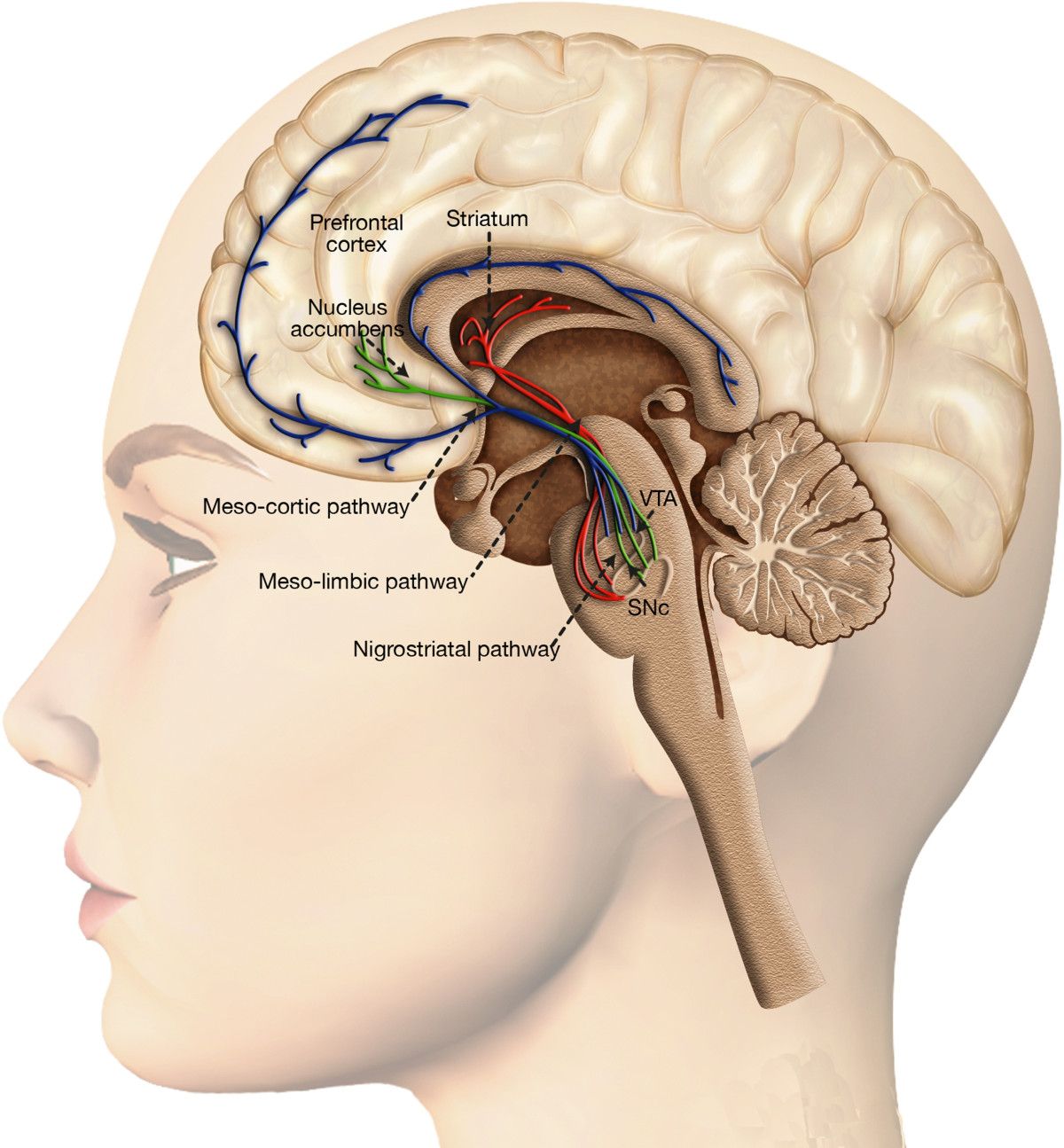
The reward pathway and the three-stage cycle
Every substance with addictive potential, whatever its chemistry, converges on one circuit: dopaminergic neurons projecting from the ventral tegmental area to the nucleus accumbens and onward to the prefrontal cortex. This is the mesolimbic pathway, and in ordinary life it is the machinery of learning — it tags food, safety, sex and social connection as worth repeating. Natural rewards raise accumbens dopamine modestly and briefly. Cocaine blocks dopamine reuptake and floods the synapse. Opioids disinhibit VTA neurons by suppressing GABA interneurons. Alcohol works indirectly through GABA-A potentiation and NMDA blockade, with downstream dopamine release. Nicotine binds nicotinic acetylcholine receptors on VTA cells directly. The magnitude and speed of the signal are pharmacological, not motivational, and that is precisely why willpower is the wrong frame.
Repeated surges cause the brain to defend itself. Dopamine D2 receptors down-regulate; the circuit becomes less responsive to ordinary pleasures, a state called anhedonia. Meanwhile the amygdala and extended amygdala recruit stress systems — corticotropin-releasing factor, dynorphin, noradrenaline — so that the absence of the drug now feels like threat. Simultaneously the prefrontal cortex, the seat of inhibition, planning and consequence-weighing, becomes hypofunctional. The result is a person with an amplified drive, a dysphoric baseline and weakened brakes. That is not a description of a character; it is a description of a circuit.
Clinicians usually teach this as a three-stage cycle. Binge and intoxication is basal-ganglia driven and produces the reward and the incentive salience that make cues so powerful. Withdrawal and negative affect is extended-amygdala driven and produces the dysphoria, irritability, anxiety and sleep disruption that make continued use feel like relief rather than pleasure. Preoccupation and anticipation is prefrontal and produces craving, planning and the collapse of alternative goals. Understanding which stage a patient is in tells you what they need: stage one needs safety, stage two needs symptom-targeted treatment and stage three needs cue management, contingency support and medication.
Two further mechanisms matter clinically. Incentive sensitisation means that cues associated with use — a street, a friend, a payday, a smell, the sound of ice in a glass — acquire the power to trigger craving even years into recovery, which is why relapse after long abstinence is a neurological event and not evidence that treatment failed. And allostasis means the reward set-point itself resets downward, so that the person is chasing normal, not euphoria. Say that sentence to patients. It is often the first time anyone has described their experience accurately.
From use to disorder: reading the DSM-5-TR criteria
DSM-5-TR collapsed the old abuse/dependence split into a single substance use disorder graded by severity, which was a clinical improvement because it removed an artificial line and acknowledged a spectrum. Eleven criteria are assessed over a twelve-month period; two to three met is mild, four to five is moderate, and six or more is severe. The same eleven apply across substance classes, with the caveat that a withdrawal syndrome is not defined for every class — there is no established phencyclidine withdrawal criterion, for instance.
The criteria group naturally into four clusters, and teaching them as clusters makes them memorable at the bedside. Impaired control: taking more or longer than intended, unsuccessful efforts to cut down, great time spent obtaining or recovering, and craving. Social impairment: failure to meet role obligations, continued use despite interpersonal problems, and giving up important activities. Risky use: use in physically hazardous situations and continued use despite a known physical or psychological problem caused or worsened by it. Pharmacological: tolerance and withdrawal.
Notice what is not on the list. Quantity is not a criterion. Frequency is not a criterion. Legality is not a criterion. Whether the substance is prescribed, purchased or brewed at home is not a criterion. Students often ask “how much is too much?” and the honest answer is that the diagnosis is functional: it is about what the substance is doing to the person’s life and to their control, not about a threshold on a bottle. This is why the person drinking two glasses of wine nightly with no impairment does not have a disorder, while the person drinking the same amount but unable to stop despite worsening pancreatitis may have a severe one.
| Cluster | Criteria | What it sounds like in the interview |
|---|---|---|
| Impaired control | Larger amounts or longer than intended; persistent desire or failed attempts to cut down; much time obtaining, using, recovering; craving | “I only meant to have two.” “I quit every Monday.” “My whole day is arranged around it.” |
| Social impairment | Failure in major role obligations; continued use despite social or interpersonal problems; important activities given up | “I got written up again.” “My sister will not let me see the kids.” “I stopped playing ball.” |
| Risky use | Use in hazardous situations; continued use despite a known physical or psychological problem it causes | “I drive after.” “The doctor said my liver, but…” |
| Pharmacological | Tolerance; withdrawal | “It takes a fifth now to feel it.” “I shake until the first one.” |
| Severity | 2–3 mild · 4–5 moderate · 6 or more severe | Grade it; do not just say “positive.” |
Language is an intervention
Controlled studies have shown that when clinicians read a vignette describing a “substance abuser” they recommend more punitive responses than when the identical vignette says “person with a substance use disorder.” The word changed the treatment plan. That finding should end the debate about whether language is a soft issue. In this book it is a clinical skill, assessed like any other.
The rules are simple and absolute. Person first: a person with an opioid use disorder, never “an addict,” “a junkie,” “a user” or “an abuser.” Toxicology results are positive or negative, never “clean” or “dirty” — a person is not dirty. Someone in remission is in recovery or has been abstinent for eight months, not “clean.” A newborn is an infant with neonatal opioid withdrawal syndrome, never “an addicted baby,” because infants have physiological dependence, not a use disorder. And medications for opioid use disorder are treatment, never “replacing one addiction with another,” a phrase that has cost lives.
The harder discipline is documentation. Words like difficult, manipulative, attention-seeking, non-compliant and drug-seeking are not findings. They are judgements that travel through the chart and change how every subsequent clinician approaches the patient. Replace them with the observable behaviour and, where you can, a hypothesis about what the behaviour communicates. “Drug-seeking” becomes “Patient requested additional analgesia four times in two hours; rates pain 9 of 10; has an opioid use disorder on buprenorphine 16 mg daily, which raises baseline opioid requirement; pain plan discussed with provider.” That sentence is longer, and it is the difference between a treated patient and an abandoned one.
| Do not write or say | Write or say instead | Why |
|---|---|---|
| Addict, abuser, alcoholic, junkie | Person with a substance use disorder / alcohol use disorder | Separates the person from the condition; reduces punitive responses by clinicians |
| Clean / dirty urine | Negative / positive toxicology screen | Moral vocabulary applied to a lab value |
| Drug-seeking | Requesting analgesia; describe frequency, rating, current MOUD dose | Judgement replaces assessment and blocks legitimate pain care |
| Non-compliant | Has not been able to take the medication as prescribed; barriers identified are… | Names a solvable problem instead of blaming |
| Manipulative, attention-seeking | Describe the behaviour and the unmet need it may signal | These labels predict worse care and are not clinical findings |
| Relapsed, fell off the wagon | Returned to use; recurrence of use | Chronic-disease framing; nobody “relapses” morally from asthma |
| Committed suicide | Died by suicide | “Committed” carries criminality; suicide is not a crime |
One more piece of framing belongs here because students absorb the opposite from media. People with mental illness and substance use disorders are far more likely to be the victims of violence than the perpetrators of it. Rates of assault, sexual violence, robbery and homicide victimisation among people with serious mental illness and among people who use drugs are several times those of the general population. When you walk into a room, the base rate says the person in front of you has more likely been hurt than done harm. Let that shape your posture.
A substance use disorder is a chronic brain condition of impaired control, social impairment, risky use and neuroadaptation — graded mild to severe — and the words a nurse chooses to describe it measurably change the care the patient receives.
Section 2Assessment: Screening, History and the Honest Conversation
SBIRT and the validated screens
SBIRT — Screening, Brief Intervention and Referral to Treatment — is the public-health framework nurses are expected to deliver. Screen every adult and adolescent patient, in every setting, with a validated instrument. Brief intervention is a five- to fifteen-minute motivational conversation delivered to anyone screening positive at low or moderate risk. Referral to treatment is for those at high risk or meeting criteria for a disorder. The evidence for the screening and brief-intervention components is strongest for alcohol, but the structure organises the nurse’s role well across substances.
Universal screening matters because clinical suspicion is a biased instrument. Studies consistently show clinicians under-detect substance use in women, in older adults, in professionals, in insured patients and in white patients, and over-attribute it in Black patients and in patients who are unhoused. A validated screen applied to everyone corrects for the clinician’s pattern-matching. Screen the retired schoolteacher with the same script you use for the man who arrived by ambulance.
Learn the instruments by what they are for. The NIAAA single question — “How many times in the past year have you had five or more drinks in a day (four for women)?” — is a one-line adult alcohol screen; any answer of one or more is positive. AUDIT-C is three questions scored 0–12, positive at 4 or more for men and 3 or more for women. The full AUDIT has ten items and grades risk. CAGE asks about Cutting down, Annoyance at criticism, Guilt and Eye-opener; CAGE-AID adapts it to include drugs; two or more yes answers is positive, though CAGE detects dependence rather than risky use and misses many. DAST-10 screens drug use other than alcohol and tobacco. CRAFFT is the adolescent screen — Car, Relax, Alone, Forget, Family/Friends, Trouble — positive at 2 or more. TWEAK and T-ACE are validated in pregnancy, where sensitivity to lower quantities matters. The WHO ASSIST and the TAPS tool are the combined instruments that screen tobacco, alcohol, prescription and illicit substances in one pass.
| Tool | Population and target | Items | Positive |
|---|---|---|---|
| NIAAA single question | Adults, unhealthy alcohol use | 1 | 1 or more heavy drinking days in a year |
| AUDIT-C | Adults, risky drinking | 3 | 4 or more (men); 3 or more (women) |
| AUDIT (full) | Adults, risk stratification | 10 | 8 or more suggests hazardous use |
| CAGE / CAGE-AID | Adults, likely dependence (alcohol / plus drugs) | 4 | 2 or more yes |
| DAST-10 | Adults, non-alcohol drug use | 10 | 3 or more |
| CRAFFT | Ages 12–21 | 6 (plus 3 opening frequency items) | 2 or more |
| T-ACE / TWEAK | Pregnancy | 4 / 5 | 2 or more |
| CIWA-Ar | Alcohol withdrawal severity (not a screen) | 10 | 8–10 treat; 15 or more severe |
| COWS | Opioid withdrawal severity (not a screen) | 11 | 5–12 mild; 13–24 moderate; 25–36 mod-severe; 37 or more severe |
The substance use history, the mental status exam and the labs
A positive screen earns a full history. For every substance the patient reports, obtain: the specific agent, the route (oral, intranasal, inhaled, intravenous), the typical amount, the frequency, the time of the last use and the amount at last use, the age at first use, the longest period of abstinence and what supported it, prior withdrawal history including any seizure or delirium, prior treatment episodes, and any overdose history. The time and amount of last use is the single most operationally important item on the list, because it sets your withdrawal clock. Alcohol withdrawal begins at six to twenty-four hours; short-acting opioid withdrawal at eight to twelve; benzodiazepine withdrawal may not begin for several days with long-acting agents.
Fold the substance history into the mental status exam rather than treating them as separate. Appearance may show poor dentition, cellulitis, track marks, nasal septal erosion, jaundice, spider angiomata, palmar erythema or ascites. Behaviour and motor activity may show tremor, psychomotor agitation, ataxia or nodding. Speech may be pressured with stimulants or slurred with sedatives. Mood and affect are frequently dysphoric and labile. Thought process and content may reveal stimulant-induced paranoia or alcoholic hallucinosis. Perception screening asks directly about hallucinations, including the tactile formication of stimulant use. Cognition screening — orientation, attention, recall — is essential, because confusion in a person who uses alcohol is Wernicke encephalopathy until proven otherwise. Insight and judgement are described, not graded morally.
Risk screening is not optional here. Substance use disorders raise suicide risk several fold, and the risk is highest during intoxication, during withdrawal and in the weeks after a return to use. Ask directly using the language of Chapter 4 — “Have you had thoughts of killing yourself?” — and ask about access to means, including the lethality of the substances themselves. If the patient discloses ideation, respond with the safety planning and risk-response steps developed in Chapters 4 and 13. Also screen for interpersonal violence, because rates of intimate partner violence and sexual assault victimisation are very high in this population and disclosure is more likely when the question is routine.
Interpret laboratory data with humility. A urine drug screen is an immunoassay: it tells you a class was detected above a cut-off, not how much, not when, and not whether the person is impaired. False negatives are common — many standard panels miss fentanyl, buprenorphine, methadone, oxycodone, tramadol, clonazepam, lorazepam and most synthetic cannabinoids unless specifically ordered. False positives occur too. Cannabis metabolites may be detectable for weeks in chronic use, which says nothing about current intoxication. Confirmatory testing is gas chromatography–mass spectrometry or liquid chromatography–tandem mass spectrometry. Supporting labs include a comprehensive metabolic panel, liver enzymes with an AST/ALT ratio above 2 suggesting alcohol-related injury, gamma-glutamyl transferase, carbohydrate-deficient transferrin, magnesium, phosphate, an elevated mean corpuscular volume, prothrombin time and ammonia, plus hepatitis B and C and HIV testing with consent.
Motivational interviewing: what to say and what it does
Confrontation does not work. Decades of research show that arguing, warning and lecturing increase what motivational interviewing calls sustain talk — the patient’s own arguments for not changing — and that sustain talk predicts continued use. The alternative is a stance built on four processes: engaging, focusing, evoking and planning; and a spirit of partnership, acceptance, compassion and evocation. The core micro-skills are the OARS: Open questions, Affirmations, Reflective listening and Summaries. Your job is to elicit the patient’s own reasons for change and get out of the way.
Two habits do most of the work. The first is rolling with resistance — when a patient pushes back, you do not push harder; you reflect and redirect. The second is asking permission before informing: “Would it be all right if I shared what we usually see with drinking at that level?” That single sentence converts a lecture into a collaboration, and patients almost always say yes.
| Patient says | Non-therapeutic response and why it fails | Therapeutic response and why it lands |
|---|---|---|
| “I can stop any time I want. I just do not want to.” | “If that were true you would not be in the hospital with pancreatitis.” — Confrontation. The patient must now defend their position, and defending it strengthens it. | “So stopping feels like something within your control, and right now it is not what you want. Tell me what would have to be different for you to want to.” — Reflects, does not argue, and evokes change talk. |
| “Everybody drinks like this. My whole family does.” | “That does not make it healthy.” — A correction. Shuts the topic down and signals judgement. | “It sounds normal where you come from, and you are also here with me talking about it. What made you mention it?” — Accepts the frame, then gently notes the discrepancy. |
| “I used again last week. I know, I blew it.” | “You were doing so well. What happened?” — Well-meant, but frames the person as having disappointed you and invites shame, the strongest predictor of continued use. | “A return to use is part of how this illness behaves; it does not erase the four months before it. What was happening in the hours before?” — Normalises without excusing and moves straight to a trigger analysis. |
| “I do not need methadone. I am not swapping one drug for another.” | “That is a myth, methadone is medication.” — True, and it will not persuade anyone, because it corrects rather than explores. | “A lot of people tell me that. Can I ask what you have heard about it, and then would it be okay if I told you what it does in the brain?” — Explores first, asks permission, then informs. |
| “Why do you keep asking me this? I already told the last nurse.” | “It is hospital policy.” — True and dismissive; tells the patient this is bureaucracy, not care. | “That is frustrating, and I am sorry you are repeating yourself. I ask because what you tell me changes the medicines I can give you tonight if you start to withdraw.” — Validates and gives the clinical reason. |
| “My pain is a 9. The buprenorphine is not covering it.” | “You are already on an opioid.” — Factually irrelevant and functionally an accusation; a very common and very harmful reflex. | “Being on buprenorphine actually raises how much analgesia you need, not lowers it. I am going to page the team about your pain plan now.” — Corrects the myth, treats the pain, believes the patient. |
Screen everyone with a validated tool, take a history that pins down substance, route, amount and time of last use, read toxicology as a limited immunoassay rather than a verdict, and respond with reflection and permission rather than confrontation.
Section 3Intoxication, Overdose and Withdrawal Emergencies
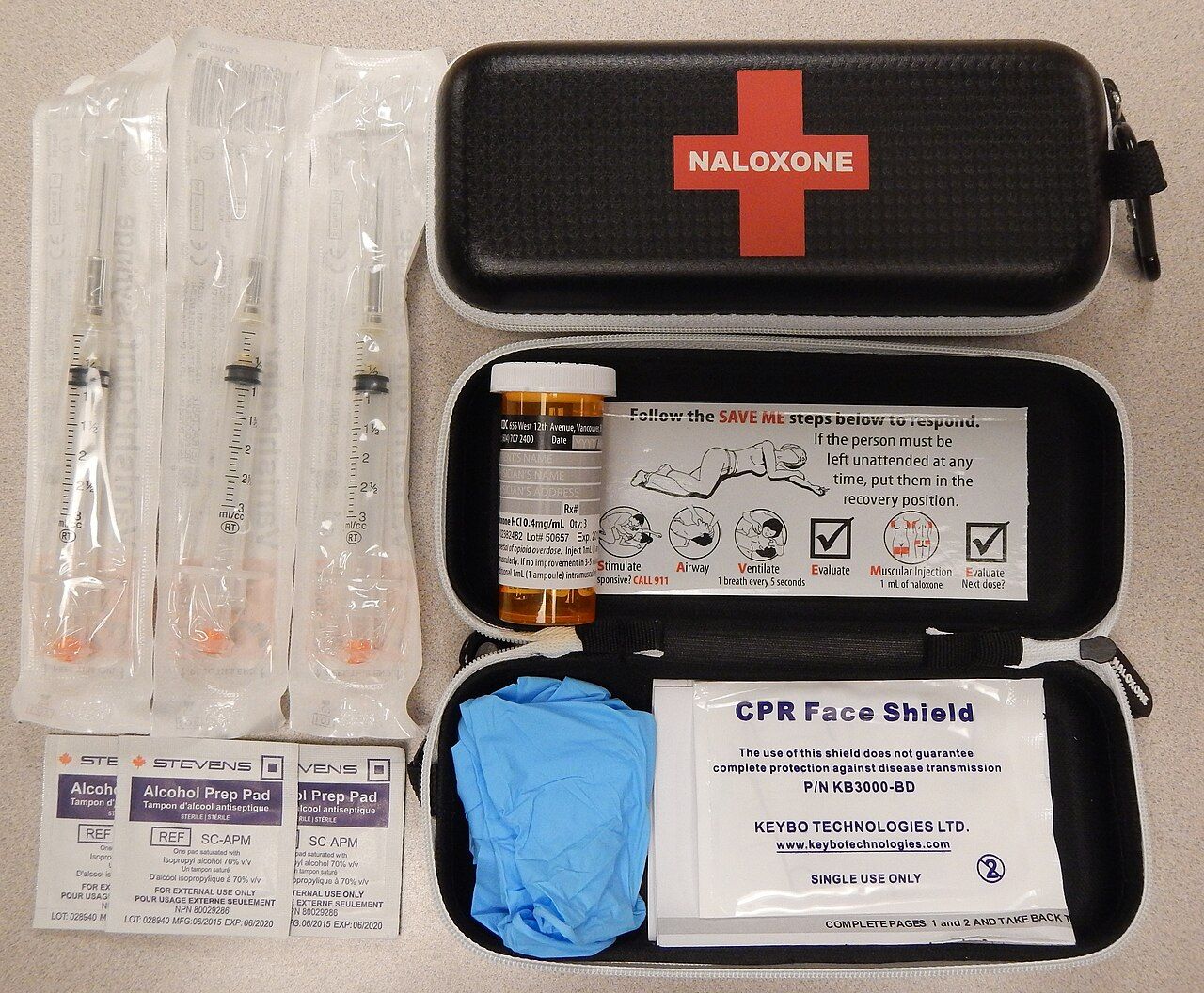
Alcohol withdrawal: the one that kills
Chronic alcohol exposure potentiates inhibitory GABA-A transmission and suppresses excitatory NMDA glutamate transmission. The brain compensates by down-regulating GABA-A receptors and up-regulating NMDA receptors. Remove the alcohol and you unmask a hyperexcitable, unopposed glutamatergic state — autonomic storm, tremor, seizure, delirium. This is why alcohol and sedative withdrawal can be fatal while opioid withdrawal, though brutal, generally is not. Students should be able to state that contrast in one sentence on demand.
The timeline is testable. Six to twenty-four hours: minor withdrawal — tremor, anxiety, diaphoresis, nausea, tachycardia, hypertension, insomnia. Twelve to twenty-four hours: alcoholic hallucinosis, typically visual or tactile, with an intact sensorium — the patient knows the bugs are not real. Twenty-four to forty-eight hours: withdrawal seizures, usually generalised tonic-clonic, often single or in a brief cluster. Forty-eight to ninety-six hours and up to five days: delirium tremens — fluctuating clouded consciousness, disorientation, severe agitation, hallucinations, fever, and autonomic instability with heart rates above 120 and marked hypertension. Untreated delirium tremens carries mortality reported historically around 15 to 20 percent and still around 1 to 4 percent with treatment. Risk factors include prior delirium tremens or withdrawal seizure, older age, concurrent illness, a high blood alcohol level on arrival while appearing sober, and low platelets or potassium.
Assess with the CIWA-Ar, ten items scored to a maximum of 67: nausea and vomiting, tremor, paroxysmal sweats, anxiety, agitation, tactile disturbances, auditory disturbances, visual disturbances, headache, and orientation/clouding of sensorium. Symptom-triggered dosing driven by CIWA-Ar reduces total benzodiazepine exposure and length of stay compared with fixed schedules. Typical protocols dose at a score of 8 to 10 or more, reassess hourly while symptomatic, and flag scores of 15 or more as severe. The critical caveat: CIWA-Ar requires a patient who can communicate. Do not use it in a patient who is intubated, aphasic, delirious from another cause, or non-English-speaking without interpretation — and remember that an anxious, tachycardic patient with pain, sepsis or a pulmonary embolism will score high for reasons that have nothing to do with alcohol.
Treatment is benzodiazepines, which restore GABA-A tone: lorazepam, diazepam or chlordiazepoxide. Prefer lorazepam in significant hepatic impairment or in older adults, because it is glucuronidated rather than oxidised and has no active metabolites (the LOT drugs — lorazepam, oxazepam, temazepam). Phenobarbital is used in refractory cases. Beta-blockers and clonidine may blunt autonomic signs but do not prevent seizures or delirium and can mask a rising CIWA-Ar. Add thiamine 100 mg or more, folate, and magnesium; correct potassium and phosphate. Give thiamine before or with any glucose-containing fluid, because a glucose load consumes remaining thiamine and can precipitate Wernicke encephalopathy.
Wernicke encephalopathy is the acute, reversible triad of confusion, ophthalmoplegia or nystagmus, and ataxia — and the full triad is present in only about a tenth of cases, so treat on suspicion. Untreated it progresses to Korsakoff syndrome: irreversible anterograde and retrograde amnesia with confabulation. Confabulation is not lying; the patient is filling gaps without awareness, and correcting them harshly is both cruel and useless.
Opioids: overdose, withdrawal and the fentanyl era
Opioid intoxication produces the classic triad of miosis, respiratory depression and depressed consciousness, with bradycardia, hypotension, hypothermia and decreased bowel sounds. Respiratory depression is what kills, and it is what naloxone treats. Naloxone is a competitive mu-opioid antagonist given intranasally, intramuscularly, subcutaneously or intravenously; onset is one to three minutes intravenously and two to five minutes intranasally. Its duration — roughly 30 to 90 minutes — is shorter than that of many opioids, and far shorter than methadone or extended-release formulations, so re-sedation is expected and the patient must be observed, often with repeat dosing or an infusion. Fentanyl and its analogues, which now dominate the illicit supply, frequently require repeated doses. Chest-wall rigidity from high-dose fentanyl can impair ventilation independently of central depression.
Naloxone in a person with physiological opioid dependence precipitates abrupt withdrawal — vomiting, agitation, diarrhoea, pain. Titrate to respiratory adequacy, not to full alertness. The goal is a respiratory rate of about 12 and adequate oxygenation, not a fully awake and furious patient who then leaves against advice and uses again to relieve the withdrawal you caused. Naloxone should be dispensed to every patient with an opioid use disorder, to patients on high-dose opioid therapy, and to their families, and every nurse should be able to teach its use.
Opioid withdrawal is the mirror image of intoxication and is scored with the COWS: resting pulse, sweating, restlessness, pupil size, bone or joint aches, runny nose or tearing, gastrointestinal upset, tremor, yawning, anxiety or irritability, and gooseflesh skin. Onset is 8 to 12 hours after a short-acting opioid, peaking at 36 to 72 hours; with methadone, onset is 24 to 48 hours and the course can run two weeks. Symptoms are the opposite of the intoxicated state — mydriasis, hyperalgesia, lacrimation, rhinorrhoea, piloerection, yawning, cramping, vomiting, diarrhoea, insomnia and profound dysphoria. It is agonising and it is generally not lethal in a healthy adult, though dehydration from vomiting and diarrhoea can be dangerous, and it is dangerous in pregnancy because it can precipitate preterm labour or fetal distress.
Treat it. The historical practice of letting people “detox” untreated is neither humane nor evidence-based, and it drives patients out of the hospital. Buprenorphine or methadone should be offered; adjuncts include clonidine or lofexidine for autonomic symptoms, loperamide for diarrhoea, ondansetron for nausea, NSAIDs for aches, and hydroxyzine or trazodone for sleep. Critically: an inpatient admission is a treatment-initiation opportunity. Starting buprenorphine in hospital and linking to outpatient care markedly improves engagement, and the window closes when the patient leaves.
Stimulants, sedatives and the rest
Stimulant intoxication — cocaine, methamphetamine, prescription amphetamines — produces mydriasis, tachycardia, hypertension, hyperthermia, diaphoresis, agitation, paranoia and, in severe cases, seizures, myocardial infarction, aortic dissection, intracranial haemorrhage and rhabdomyolysis. Hyperthermia is the most lethal element; cool aggressively. Benzodiazepines are the first-line agent for agitation, hypertension and tachycardia because they treat the sympathetic drive at its source. Avoid unopposed beta-blockade in acute cocaine toxicity, which risks unopposed alpha vasoconstriction. Stimulant withdrawal is not medically dangerous but is psychiatrically dangerous: profound crash with hypersomnia, hyperphagia, severe dysphoria, vivid dreams and a real risk of suicidal ideation. Screen for suicide risk during the crash.
Sedative-hypnotic withdrawal — benzodiazepines, barbiturates, and now also gabapentinoids and, alarmingly, xylazine adulterants — shares alcohol’s mechanism and its lethality. Never stop benzodiazepines abruptly in a dependent patient. Long-acting agents may delay onset for several days, so a patient can look well on day one and seize on day four. Flumazenil is not a routine reversal agent; in a benzodiazepine-dependent patient it can precipitate refractory status epilepticus. Xylazine, a veterinary alpha-2 agonist increasingly mixed into the fentanyl supply, produces prolonged sedation not reversed by naloxone and severe necrotic wounds — give naloxone anyway for the opioid component and support ventilation.
Other classes in brief. Cannabis withdrawal is real and includes irritability, sleep disturbance, decreased appetite and craving; cannabinoid hyperemesis syndrome presents with cyclical vomiting relieved by hot showers. Hallucinogens require a calm, low-stimulus environment and reassurance rather than restraint; phencyclidine is the exception, producing violent agitation with vertical and horizontal nystagmus, hypertension and analgesia, treated with benzodiazepines and a quiet room. Inhalants risk sudden sniffing death from catecholamine-sensitised dysrhythmia, so avoid catecholamines and startling the patient. Nicotine withdrawal — irritability, poor concentration, appetite increase — is routinely ignored on inpatient units and is a major driver of agitation; offer nicotine replacement on admission.
| Class | Intoxication | Withdrawal | Nursing priority |
|---|---|---|---|
| Alcohol | Slurred speech, ataxia, nystagmus, disinhibition, respiratory depression at high levels | Tremor 6–24 h, hallucinosis 12–24 h, seizure 24–48 h, DTs 48–96 h; can be fatal | CIWA-Ar, symptom-triggered benzodiazepines, thiamine before glucose, seizure precautions |
| Opioids | Miosis, respiratory depression, sedation, hypotension | Mydriasis, myalgia, rhinorrhoea, vomiting, diarrhoea, piloerection; rarely fatal | Naloxone titrated to respirations; COWS; offer buprenorphine or methadone |
| Sedative-hypnotics | Sedation, ataxia, respiratory depression (worse with alcohol) | Mirrors alcohol; may be delayed days with long-acting agents; can be fatal | Never stop abruptly; long taper; flumazenil is not routine |
| Stimulants | Mydriasis, hyperthermia, hypertension, paranoia, chest pain, seizures | Crash: hypersomnia, hyperphagia, dysphoria, suicidal ideation | Cool the patient; benzodiazepines first; no unopposed beta-blockade; suicide screening in the crash |
| Cannabis | Conjunctival injection, tachycardia, appetite, impaired coordination, anxiety | Irritability, insomnia, appetite loss, craving | Reassurance; consider hyperemesis syndrome in cyclical vomiting |
| Hallucinogens / PCP | Perceptual distortion; PCP: violence, vertical nystagmus, analgesia, hypertension | Minimal physiological withdrawal | Low stimulus, calm reorientation; benzodiazepines for PCP agitation |
| Inhalants | Euphoria, ataxia, perioral rash, arrhythmia | Mild | Do not startle; avoid catecholamines; cardiac monitoring |
Red flags and SBAR escalation
Escalate immediately, do not wait for the next scheduled assessment, for any of the following: a CIWA-Ar score of 15 or more or a rise of 5 or more between checks; a new withdrawal seizure; heart rate above 120 or systolic pressure above 180 with tremor and diaphoresis; new disorientation or fluctuating consciousness; temperature above 38.3 degrees Celsius in withdrawal; a respiratory rate below 10 or oxygen saturation falling in a patient who received opioids or sedatives; return of sedation after naloxone; confusion with ataxia or eye findings; suicidal ideation with a plan; and any pregnant patient in opioid or alcohol withdrawal.
Alcohol and sedative-hypnotic withdrawal can kill and are managed with symptom-triggered benzodiazepines plus thiamine before glucose, while opioid withdrawal is rarely lethal but must still be treated — and naloxone is titrated to respiratory adequacy, not to alertness.
Section 4Pharmacotherapy: Medications That Actually Work
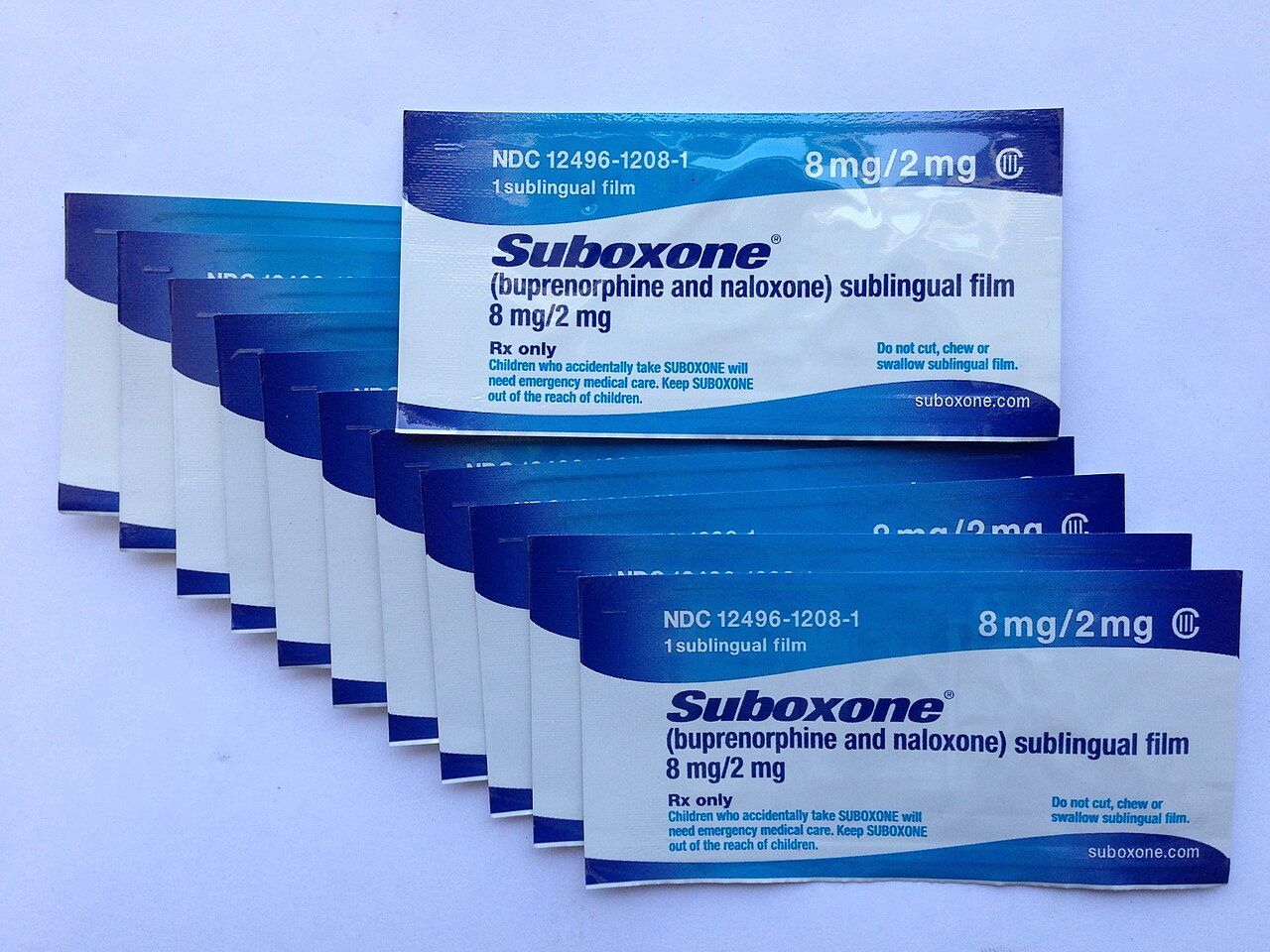
Medications for opioid use disorder
Medications for opioid use disorder (MOUD) are the most effective treatment in all of addiction medicine. Methadone and buprenorphine each reduce all-cause mortality by roughly half compared with no medication, and they outperform abstinence-only counselling by a wide margin on retention, overdose and infectious complications. Any programme, unit or family member who insists that a person taper off MOUD to prove commitment is asking them to accept a higher chance of dying. Nurses need to be able to say this clearly and kindly.
Methadone is a full mu agonist with a long and variable half-life of 8 to 59 hours. Given daily, it eliminates withdrawal, blunts craving and blocks euphoria from other opioids by occupying receptors. In the United States it can be dispensed for opioid use disorder only through a federally certified opioid treatment programme — though a hospitalised patient may be continued or dosed for withdrawal by any inpatient team. The dangers are front-loading and QT prolongation. Because the analgesic effect lasts hours but the drug accumulates for days, patients can die of respiratory depression on day three of a dose that felt inadequate on day one; the rule is start low, go slow. Obtain a baseline ECG and monitor the QTc, and check for interactions — CYP3A4 inducers such as rifampin, phenytoin and carbamazepine drop levels and precipitate withdrawal, while inhibitors raise them.
Buprenorphine is a partial mu agonist with very high receptor affinity and slow dissociation. The partial agonism gives it a ceiling effect on respiratory depression, which makes it much safer in overdose than methadone; the high affinity is why it precipitates withdrawal if given too early and why it blocks other opioids. It is available sublingually, often co-formulated with naloxone to deter injection (the naloxone has poor sublingual bioavailability), and as a monthly extended-release subcutaneous injection. Sublingual films must dissolve fully under the tongue — teach patients not to chew, swallow, eat or drink during dissolution, and to rinse afterwards to protect the teeth, since dental caries is a documented adverse effect.
Naltrexone is a full opioid antagonist, available orally and as a monthly intramuscular extended-release injection. It is not a substitute; it blocks. Because of that, the patient must be fully opioid-free — typically 7 to 10 days from short-acting opioids and 10 to 14 from methadone — before the first dose, or severe precipitated withdrawal follows. Two teaching points are safety-critical. First, opioid tolerance falls while on naltrexone, so a return to prior doses after stopping carries a high overdose risk. Second, standard opioid analgesia will not work while receptors are blocked, so the patient needs a medical alert and the surgical team needs advance notice.
Medications for alcohol use disorder
Naltrexone is also first-line for alcohol use disorder, where it reduces heavy drinking days and craving by blunting the endogenous opioid contribution to alcohol’s reward. Monitor liver enzymes; it is contraindicated in acute hepatitis or hepatic failure and in patients requiring opioid analgesia. Acamprosate modulates glutamatergic and GABAergic transmission to restore balance after chronic alcohol exposure, supports maintenance of abstinence, is dosed three times daily (which hurts adherence), is renally cleared — so it is the alcohol agent of choice in hepatic impairment and is contraindicated in significant renal impairment — and commonly causes diarrhoea.
Disulfiram is different in kind: it does not reduce craving. It inhibits aldehyde dehydrogenase so that acetaldehyde accumulates if alcohol is consumed, producing flushing, throbbing headache, nausea, violent vomiting, tachycardia, hypotension, dyspnoea, confusion and, rarely, cardiovascular collapse. It works only through anticipated aversion and therefore requires a motivated patient, ideally with supervised administration. Teach hidden alcohol sources exhaustively: mouthwash, cough and cold preparations, liquid medications, aftershave, hand sanitiser, colognes, vanilla extract, sauces and vinegars. The reaction can begin within 10 minutes and last hours, and the drug’s effect persists up to 14 days after the last dose. Never give disulfiram to a patient who is intoxicated or who has not consented with full understanding.
Do not forget nicotine. Nicotine replacement therapy in patch, gum, lozenge, inhaler and spray forms should be offered on admission to every patient who smokes; combining a long-acting patch with a short-acting form is more effective than either alone. Varenicline, a partial nicotinic agonist, is the single most effective agent; monitor for vivid dreams, nausea and mood changes. Bupropion is also effective and is contraindicated with a seizure disorder or an eating disorder. There are no approved medications for stimulant or cannabis use disorder; contingency management — structured incentives for negative toxicology — has the best evidence for stimulants and is a psychosocial intervention nurses can support.
| Medication | Mechanism | Key monitoring | Patient teaching |
|---|---|---|---|
| Methadone | Full mu agonist, long half-life | Baseline and periodic ECG for QTc; sedation on days 1–5; CYP3A4 interactions | Daily dosing at a certified programme; do not add sedatives or alcohol; tell every prescriber |
| Buprenorphine / buprenorphine-naloxone | Partial mu agonist, high affinity, ceiling on respiratory depression | COWS before induction; liver enzymes; precipitated withdrawal risk | Let the film dissolve fully; no eating or drinking during; rinse mouth for dental health |
| Naltrexone (oral or monthly IM) | Opioid antagonist; also reduces alcohol reward | Liver enzymes; confirm 7–14 opioid-free days first | Opioid analgesics will not work; tolerance falls — overdose risk if use resumes; carry medical alert |
| Acamprosate | Glutamate/GABA modulation | Renal function; contraindicated in severe renal impairment | Three times daily; keep taking it even if you drink; diarrhoea is common |
| Disulfiram | Aldehyde dehydrogenase inhibition — aversive | Liver enzymes; never if intoxicated or without consent | Avoid all hidden alcohol including mouthwash and sanitiser; effect lasts up to 14 days |
| Nicotine replacement | Receptor substitution | Skin irritation; sleep disturbance with 24-hour patch | Combine patch plus a short-acting form; rotate patch sites |
| Varenicline | Partial nicotinic agonist | Nausea, vivid dreams, mood change | Start before the quit date; take with food and water |
| Thiamine | Cofactor replacement | Give before or with glucose | Prevents Wernicke encephalopathy; take the whole course |
Methadone and buprenorphine halve mortality in opioid use disorder and should never be tapered to prove commitment; naltrexone, acamprosate and disulfiram serve different alcohol-treatment goals; and patients on medication for a use disorder still require full, aggressive treatment of acute pain.
Section 5Recovery, Harm Reduction, the Milieu and Special Populations

Harm reduction is nursing care
Harm reduction is a set of practical strategies aimed at reducing the negative consequences of substance use without requiring abstinence as a precondition of care. It includes naloxone distribution, syringe services, fentanyl test strips, safer-use education, wound care, hepatitis and HIV testing and treatment, low-barrier medication access and simply continuing to see the patient. Some students arrive believing this enables use. The evidence says otherwise: syringe service participants are about five times more likely to enter treatment, and naloxone distribution does not increase drug use. More fundamentally, a dead patient cannot recover, and abstinence-only gatekeeping has never been shown to improve outcomes.
Harm reduction rests on a stance as much as a set of services: meet the patient where they are, without moralising, and keep the door open. A patient who says “I am not stopping” is telling you where to start, not ending the conversation. The nurse’s response is “Then let us make sure what you are doing is as safe as it can be” — naloxone in the house, never use alone, test the supply, do not mix with benzodiazepines or alcohol, start with a smaller amount after any period of abstinence because tolerance falls, rotate injection sites, and here is my number when you want something different.
Recovery itself is best understood using the chronic-disease model. Return to use occurs in roughly 40 to 60 percent of people, comparable to relapse rates in hypertension and asthma when treatment is interrupted. We do not call an asthma exacerbation a moral failure or discharge the patient from care. The stages-of-change framework — precontemplation, contemplation, preparation, action, maintenance — helps match intervention to readiness, and relapse-prevention work centres on identifying triggers, building refusal skills, planning for high-risk situations and treating the emotional states (the classic HALT: hungry, angry, lonely, tired) that precede a return to use. Mutual-help groups — twelve-step programmes, SMART Recovery, Refuge Recovery — and peer recovery coaches add durable social scaffolding. Do not, however, refer a patient to a group that requires them to stop their MOUD.
Trauma-informed care and co-occurring disorders
Assume a trauma history may be present. In substance use treatment populations, histories of childhood abuse, neglect, sexual assault and community violence are the norm rather than the exception, and substances are frequently self-medication for the resulting hyperarousal, intrusion and dissociation. Trauma-informed care means building safety, trustworthiness and transparency, peer support, collaboration, empowerment and cultural humility into ordinary practice — not running a special programme. Concretely: explain before you touch, offer choices about the order of care, avoid cornering a patient physically, knock, do not stand between a patient and the door, and treat restraint and seclusion as failures to be prevented rather than tools to be used. Chapter 13 develops this fully.
Ask about trauma without excavating it. “Many people who use substances have had frightening or harmful things happen to them. Has anything like that happened to you?” is enough. If the patient discloses, your job is containment and referral, not detailed exploration — asking someone to narrate a trauma in an acute setting with no follow-up can re-traumatise. Believe the disclosure, thank them, ask what helps them feel safe now, and document only what is clinically necessary.
Co-occurring disorders — a substance use disorder plus another mental illness — are present in roughly half of people with either condition. The old debate about which came first has largely been abandoned in favour of integrated treatment: treat both, at the same time, by the same team. Sequential models, where a patient must be abstinent before psychiatric care or stable before addiction care, mostly produce patients who receive neither. Some practical points: a substance-induced mood or psychotic disorder should improve within days to weeks of abstinence, while an independent disorder persists; do not diagnose a personality disorder during active use or acute withdrawal; and prescribe benzodiazepines for anxiety in this population with great caution, favouring SSRIs, buspirone, hydroxyzine and behavioural strategies.
Milieu, delegation and safety on the unit
The therapeutic milieu on a unit caring for patients with substance use disorders runs on structure, consistency and clear expectations applied to everyone. Contraband search on admission, consistent limits communicated by every staff member, predictable routines, group programming, and visitors managed transparently all reduce conflict. When staff apply limits inconsistently, patients experience the environment as unpredictable and unsafe, and the resulting behaviour gets labelled “splitting” when it is actually a rational response to inconsistency. Team communication in handoff and huddle is the fix.
Limit-setting is a therapeutic act, not a punishment. Do it in advance, in plain language, with the rationale and the alternative attached: “Medications are given at the window at the posted times so nobody gets a wrong dose. If you feel you need something sooner, come find me and I will assess you.” Then follow through exactly as stated. Nurses who negotiate limits under pressure teach the unit that pressure works; nurses who apply limits coldly teach that the unit is punitive. Warm and consistent is the target.
Delegation on a behavioural unit follows one rule: assistive personnel may perform tasks, not assessments or therapeutic interventions requiring nursing judgement. Unlicensed assistive personnel may obtain vital signs and report them, perform 1:1 observation or 15-minute safety checks and document them, conduct environmental safety rounds, assist with hygiene and activities of daily living, escort patients, gather belongings for contraband search under RN supervision, record intake and output, and report verbatim what a patient says. Unlicensed assistive personnel may not score a CIWA-Ar or COWS, perform a suicide-risk assessment, administer medications including naloxone in most facilities, conduct group therapy, lead de-escalation, evaluate the response to an intervention, provide patient teaching, or make a decision about restraint. An LPN or LVN can reinforce teaching, administer many medications and collect data, but the initial assessment, the care plan and the evaluation remain with the RN.
De-escalation always precedes restraint. Reduce stimulation, keep your voice low and slow, maintain a non-threatening posture with hands visible, offer choices, name the feeling, use the patient’s name, and give space and time. On this population it usually works, because most agitation you meet is driven by withdrawal, intoxication, pain or fear, all of which respond better to symptom treatment and time than to force. Physical intervention is a genuine last resort, never a response to staff convenience or a substitute for adequate staffing; the procedural requirements that govern it are set out in Chapter 13.
Two legal points are specific enough to this population to belong here. First, capacity fluctuates with the substance itself. A patient who is acutely intoxicated, in florid withdrawal or delirious cannot give an informed refusal, so a demand to leave against advice inside that window calls for a capacity assessment and vigorous symptom treatment, not a signature on a form — and the demand very often evaporates once the withdrawal is treated. Once sober and oriented, a patient with a substance use disorder retains exactly the same right to refuse care as any other adult, and nothing about the diagnosis dilutes it. Second, confidentiality is protected here more tightly than anywhere else in health care, because federal 42 CFR Part 2 governs substance use treatment records over and above ordinary privacy rules: without specific written consent, a Part 2 programme generally cannot release records to family, employers, courts or even other treating clinicians, and cannot confirm that the person is enrolled at all. Know the consent form your setting uses, and tell patients where the line sits before they cross it rather than after.
Special populations and the nurse who is unwell
In pregnancy, opioid agonist treatment with methadone or buprenorphine is the standard of care; medically supervised withdrawal is discouraged because it carries high relapse rates and risks of preterm labour and fetal distress. Alcohol is teratogenic and no safe amount is established — fetal alcohol spectrum disorders remain a leading preventable cause of intellectual disability. Alcohol withdrawal in pregnancy is a medical emergency for two patients. Punitive reporting policies deter pregnant people from seeking care and worsen outcomes; nurses must know their state’s reporting law and must disclose it honestly rather than obtaining information under false reassurance.
Neonatal opioid withdrawal syndrome presents at 24 to 72 hours after birth with a high-pitched cry, hypertonia, tremor, poor feeding, sneezing, yawning, loose stools, sweating and excoriation. First-line care is non-pharmacological and is nursing care: rooming-in, skin-to-skin, breastfeeding when not contraindicated, swaddling, low light, minimal handling, small frequent feeds. The Eat, Sleep, Console approach has reduced both medication use and length of stay. Morphine or methadone is added when function does not improve. Say it precisely: this infant has physiological dependence, never “an addicted baby.”
Adolescents are screened with CRAFFT, are more vulnerable because the prefrontal cortex matures into the mid-twenties, and require confidentiality discussed openly at the start including its limits. Older adults are chronically under-screened; use the same tools, watch for falls, confusion, incontinence and “dementia” that is actually alcohol-related cognitive impairment or benzodiazepine effect, and remember that age-related changes in body water and hepatic metabolism mean lower thresholds for harm. Prescribed medications are a common source in this group.
Finally, nurses. Substance use disorders occur among nurses at roughly the rate seen in the general population, with easier access and enormous stigma attached. Warning signs include frequent wastage discrepancies, volunteering for medication administration, patients reporting unrelieved pain, frequent absences or unexplained disappearances, mood swings, and arriving early or staying late without reason. Every nurse has a legal and ethical duty to report suspected impairment — not to protect a colleague by covering shifts. Most boards of nursing now run alternative-to-discipline programmes offering confidential monitored treatment and eventual return to practice. Reporting a colleague to such a programme is not betrayal; it is how you keep both the patients and the nurse alive.
Keeping people alive comes first — harm reduction, trauma-informed practice, integrated treatment of co-occurring disorders, a consistent milieu with correctly delegated tasks, and non-punitive care of pregnant patients, infants, adolescents, older adults and impaired colleagues are all one continuous nursing responsibility.
The chapter in one breath
A substance use disorder is a chronic, relapsing, treatable condition of the mesolimbic reward circuit, defined not by quantity but by impaired control, social impairment, risky use and neuroadaptation, graded mild to severe across eleven DSM-5-TR criteria — and tolerance and withdrawal alone are not addiction. Nurses screen everyone with validated tools rather than trusting suspicion, take a history that pins down substance, route, amount and time of last use, read a toxicology screen as a limited immunoassay rather than a verdict, and respond with reflection, affirmation and permission-asking instead of confrontation, because confrontation predictably increases sustain talk. Alcohol and sedative-hypnotic withdrawal can kill and are managed with symptom-triggered benzodiazepines guided by CIWA-Ar, plus thiamine given before glucose to prevent Wernicke encephalopathy; opioid withdrawal is agonising but rarely lethal, is scored with COWS, and must still be treated, with naloxone titrated to respiratory adequacy rather than alertness. Methadone and buprenorphine halve mortality and are never tapered to prove commitment; naltrexone, acamprosate and disulfiram serve different alcohol goals. Around all of it sits harm reduction, trauma-informed care, integrated treatment of co-occurring disorders, safe delegation, de-escalation before restraint, and language that treats the person as a person.
Words worth knowing
| Term | What it means |
|---|---|
| Substance use disorder | A chronic, relapsing, treatable condition marked by impaired control, social impairment, risky use and pharmacological adaptation; graded mild, moderate or severe by criteria count |
| Tolerance | The need for more of a substance to achieve the same effect, or a reduced effect from the same amount; a normal neuroadaptation, not addiction by itself |
| Withdrawal | A substance-specific syndrome that appears when a substance is reduced or stopped after sustained heavy use |
| Craving | An intense subjective urge to use, driven by cue-conditioned incentive salience; a formal DSM-5-TR criterion |
| Mesolimbic pathway | Dopaminergic projection from the ventral tegmental area to the nucleus accumbens and prefrontal cortex; the shared final common circuit of addictive substances |
| SBIRT | Screening, Brief Intervention and Referral to Treatment — the public-health framework for universal substance screening |
| CIWA-Ar | Ten-item Clinical Institute Withdrawal Assessment for Alcohol, revised; drives symptom-triggered benzodiazepine dosing; requires a communicative patient |
| COWS | Eleven-item Clinical Opiate Withdrawal Scale; guides buprenorphine induction timing and withdrawal management |
| Delirium tremens | Life-threatening alcohol withdrawal delirium at 48–96 hours with clouded fluctuating consciousness, hallucinations, fever and autonomic instability |
| Wernicke encephalopathy | Acute reversible thiamine-deficiency syndrome of confusion, ophthalmoplegia and ataxia; treat on suspicion, give thiamine before glucose |
| Korsakoff syndrome | Irreversible amnestic disorder with confabulation following untreated Wernicke encephalopathy |
| Naloxone | Competitive opioid antagonist reversing respiratory depression; short duration means re-sedation is expected; titrate to respirations |
| Precipitated withdrawal | Abrupt severe withdrawal when a high-affinity partial agonist or antagonist displaces a full agonist from opioid receptors |
| MOUD | Medications for opioid use disorder — methadone, buprenorphine, naltrexone; the highest-evidence treatment, roughly halving mortality |
| Ceiling effect | The plateau in a partial agonist’s maximal effect — for buprenorphine, on respiratory depression — that improves overdose safety |
| Harm reduction | Strategies that reduce the consequences of use without requiring abstinence: naloxone distribution, syringe services, test strips, low-barrier care |
| Motivational interviewing | Collaborative, goal-directed communication using OARS to evoke the patient’s own reasons for change; rolls with resistance rather than confronting |
| Neonatal opioid withdrawal syndrome | Withdrawal in a newborn exposed to opioids in utero; managed first with rooming-in, skin-to-skin and low stimulation; the infant has dependence, not a use disorder |
| Contingency management | Structured tangible reinforcement for verified target behaviours such as negative toxicology; the strongest evidence base for stimulant use disorder |
| Alternative-to-discipline programme | Confidential board-of-nursing monitored treatment pathway allowing an impaired nurse to receive care and return safely to practice |
Check yourself
Personality Disorders
Every other diagnosis in this book is something a person has. A personality disorder is described as something a person is — and that single grammatical difference is why this is the most stigmatised category in psychiatry, and the one where nursing language does the most damage or the most good. A personality disorder is an enduring, inflexible pattern of thinking, feeling, relating and impulse control that deviates markedly from cultural expectation, shows up across most situations rather than one, is traceable to adolescence or early adulthood, and causes real distress or impairment. It is not a character flaw, not a choice, and not an explanation you may write instead of an assessment. Most of these patterns began as survival strategies in environments that were frightening, invalidating or unsafe — strategies that worked then and cost enormously now. People living with them are far more likely to be harmed by others than to harm anyone. Your job is relationship, structure, safety and consistency — delivered exactly the same on your worst shift as on your best.
By the end of this chapter you can
- Differentiate normal personality traits from a personality disorder using the DSM-5-TR general criteria, and explain why the diagnosis requires pervasiveness, inflexibility, early onset and impairment.
- Classify the ten specified personality disorders into Cluster A (odd or eccentric), Cluster B (dramatic, emotional or erratic) and Cluster C (anxious or fearful), and state the nursing approach each cluster needs.
- Perform a focused mental status exam and risk screen for a person with a personality disorder, distinguishing non-suicidal self-injury from a suicide attempt and chronic risk from acute-on-chronic risk.
- Demonstrate therapeutic responses to boundary testing, idealisation and devaluation, and explain why consistency across the team matters more than the skill of any one nurse.
- Describe splitting as a trauma-derived defence rather than a deliberate tactic, and lead a team response that unifies the plan of care instead of blaming the patient.
- Explain the evidence-based psychotherapies — dialectical behaviour therapy, mentalisation-based treatment, schema-focused therapy, transference-focused psychotherapy and good psychiatric management — and the strictly adjunctive, symptom-targeted role of medication.
- Recognise and respond to the adverse effects of the medications used adjunctively in this population — serotonin syndrome, neuroleptic malignant syndrome, extrapyramidal symptoms and tardive dyskinesia.
- Apply trauma-informed care and least restrictive intervention principles, de-escalate before restraint, and state the legal limits on seclusion and restraint.
- Delegate appropriately to assistive personnel on a behavioural unit and escalate red flags using SBAR.
Section 1Personality, and When a Pattern Becomes a Disorder
Traits are not disorders
Personality is the stable, recognisable way a person perceives the world, feels about it, relates to other people and controls impulses. It is what makes your friend predictable to you. Everyone has traits that are dialled up: one person is cautious, another is dramatic, another keeps their own counsel and prefers a quiet room. None of that is pathology. Traits become a personality disorder only when the pattern is inflexible — the person cannot select a different response when the situation calls for one — and pervasive, appearing at work, at home, in friendships and in the clinic rather than only with one relative on one bad weekend.
The DSM-5-TR general criteria are worth learning in plain language because they protect people from being labelled for having an unusual style. The pattern must deviate markedly from what the person’s culture expects, and it must show up in at least two of four domains: cognition (how they interpret themselves, other people and events), affectivity (the range, intensity, lability and appropriateness of emotion), interpersonal functioning, and impulse control. The pattern must be stable and long-standing, with onset traceable to adolescence or early adulthood. It must cause clinically significant distress or impairment. And it must not be better explained by another mental disorder, a substance, or a medical condition.
That last clause does more work than students expect. A person in the third day of alcohol withdrawal, a person in a manic episode, a person who has been sleeping two hours a night for a month, and a person in acute grief can all present with emotional lability, impulsivity and stormy relationships. None of that is a personality disorder. Personality is assessed in the person’s baseline state, over time, ideally with collateral history — not on hospital day one during a crisis. Culture matters too: a pattern that looks suspicious or emotionally restricted in one setting may be an entirely reasonable adaptation to migration, discrimination, or a community where trust has been repeatedly betrayed.
DSM-5-TR keeps the ten categorical diagnoses in its main text and offers an Alternative Model for Personality Disorders in Section III, which rates level of personality functioning plus pathological trait domains. ICD-11 has gone further and abandoned the ten types altogether in favour of a severity rating (mild, moderate, severe) with optional trait qualifiers — negative affectivity, detachment, dissociality, disinhibition, anankastia — and a borderline pattern qualifier. Students will meet all three systems in practice. The clinical point survives every system: describe severity and function, not just a label.
Where these patterns come from
Personality disorders are the product of temperament meeting environment over years. Twin and family studies show meaningful heritability for traits such as emotional reactivity, impulsivity and social withdrawal. Layered on top of that biology is developmental experience. Rates of childhood adversity — physical, sexual and emotional abuse, neglect, chaotic caregiving, loss of a caregiver, community violence — are substantially elevated in people who go on to receive these diagnoses, most strikingly in borderline personality disorder. Attachment research adds the mechanism: a child whose distress was met unpredictably, punished, or ignored learns that emotions are dangerous, that other people cannot be relied on, and that closeness is a risk.
Marsha Linehan’s biosocial theory is the version most useful at the bedside. It proposes that borderline personality disorder emerges when a biologically emotionally sensitive child — one who reacts faster, harder and returns to baseline more slowly — develops in a chronically invalidating environment where their internal experience is dismissed, punished or trivialised. The child never learns to name, tolerate or regulate emotion, and learns instead that only extreme expression gets a response. Every behaviour that later frustrates a treatment team — the escalation, the self-injury, the abrupt shift from adoration to fury — was once an intelligent solution to an unlivable situation.
This matters clinically because it changes what you are treating. You are not correcting bad behaviour. You are helping someone build skills that were never taught, inside a relationship that is reliable enough to make learning possible. It also explains why progress is measured in months and years rather than shifts, and why the same patient may look transformed at discharge and unrecognisable three days later. Neither picture is the “real” one; both are the illness.
Prevalence, course and outcome — the hopeful data
Roughly one in ten adults in the general population meets criteria for a personality disorder, though estimates vary widely with methodology. Borderline personality disorder affects an estimated 1.4 to nearly 6 percent of adults across the lifespan and accounts for something on the order of 20 percent of psychiatric inpatients and 10 percent of psychiatric outpatients — a small slice of the population occupying a large slice of acute services, which is exactly why nursing skill here changes outcomes. Around 8 to 10 percent of people with borderline personality disorder die by suicide, a rate comparable to that seen in major depressive disorder and schizophrenia.
Now the part that is almost never taught and should be taught first: the long-term prospective data are genuinely good. In the McLean and Collaborative Longitudinal studies, the large majority of participants with borderline personality disorder achieved symptomatic remission over ten to sixteen years, and most remissions were sustained. The impulsive, acute symptoms — self-injury, suicide attempts, quasi-psychotic thinking, stormy relationships — remit fastest. The temperamental symptoms — chronic emptiness, sensitivity to abandonment, difficulty with intimacy — are stickier, and social and vocational recovery lags behind symptom recovery. Antisocial traits also tend to attenuate with age. Personality disorders are chronic, not permanent, and saying so out loud to a patient who has been told they are untreatable is itself an intervention.
The words we use are part of the treatment
Nowhere in nursing is language more consequential. Chart audits and simulation studies repeatedly show that once the words “difficult”, “manipulative”, “attention-seeking” or “drug-seeking” enter a record, subsequent clinicians assess less, believe less and treat pain and physical complaints less aggressively. People with personality disorder diagnoses have been sent home from emergency departments with untreated fractures and untreated sepsis because a label arrived before an assessment did.
So learn the rule and apply it without exception. “Difficult” is not a finding — it is a report of how you feel. It belongs in supervision, in debriefing, in your own reflection. It does not belong in a chart. What belongs in a chart is behaviour, context and what the behaviour communicates. Not “manipulative and attention-seeking” but “asked four times in one hour for the nurse to sit with her; became tearful when told the nurse would return after med pass; stated ‘everyone leaves’.” The second version is assessable, teachable and actionable. The first is a verdict.
Two further points of accuracy. First, “psychopath” and “sociopath” are not diagnoses; they are tabloid words, and using them in a clinical space signals that a patient is beyond help. Second, the persistent public belief that people with mental illness are dangerous is not supported by the evidence: people living with mental illness are far more likely to be the victims of violence than the perpetrators of it, and this is especially true of people with the trauma histories that underlie most personality disorders. Where risk to others genuinely exists — and it does exist in a minority of presentations — you assess and manage it specifically, in that person, on that day. You do not infer it from a diagnostic label.
A personality disorder is an early-onset, pervasive, inflexible and impairing pattern — usually forged where temperament met an invalidating or frightening environment — and calling it a character flaw is both factually wrong and clinically harmful.
Section 2The Three Clusters — and What Each One Needs From You
Cluster A — odd or eccentric
Paranoid personality disorder is pervasive distrust and suspicion: benign remarks are read as insults, loyalty is constantly tested, grudges are held for years, and a partner’s fidelity is questioned without cause. It is not delusional — the person can consider alternatives, however reluctantly — which is what separates it from a delusional disorder. Nursing approach: be scrupulously straightforward, explain everything before you do it, never whisper at the door, avoid excessive warmth (which reads as a con), and keep every promise about time exactly.
Schizoid personality disorder is genuine detachment: the person neither wants nor enjoys close relationships, chooses solitary activities, appears emotionally cold or flat, and is indifferent to praise or criticism. Crucially they are not lonely and not frightened — distinguishing it from avoidant personality disorder, where the person desperately wants connection but fears rejection. Nursing approach: respect the preference for distance, do not push group activities as proof of progress, and use brief, task-focused, low-demand contacts.
Schizotypal personality disorder adds perceptual and cognitive oddity to social discomfort: ideas of reference, magical thinking, bodily illusions, odd speech that is vague or overelaborate, and constricted or inappropriate affect. It sits genetically on the schizophrenia spectrum. Nursing approach: do not argue with the odd belief and do not endorse it; comment on the feeling and stay concrete.
Cluster B — dramatic, emotional or erratic
Borderline personality disorder is the one you will meet most on an acute unit and the one this chapter returns to. Its core is pervasive instability of affect, self-image, relationships and impulse control, plus marked impulsivity. Look for frantic efforts to avoid real or imagined abandonment; intense unstable relationships that swing between idealisation and devaluation; identity disturbance; impulsivity in at least two potentially self-damaging areas (spending, sex, substances, reckless driving, binge eating); recurrent suicidal behaviour or threats and recurrent self-injury (the DSM criterion is worded “gestures” and “self-mutilation”, but those words minimise risk and shame the person — describe the behaviour instead); affective instability lasting hours to a few days; chronic emptiness; intense inappropriate anger; and transient stress-related paranoid ideation or severe dissociative symptoms. Nursing approach: validate first, structure always, and keep the plan identical across every nurse.
Antisocial personality disorder is a pervasive disregard for and violation of the rights of others since age 15, diagnosable only at 18 or older and only with evidence of conduct disorder before 15. Features include repeated unlawful acts, deceitfulness, impulsivity, irritability and aggression, reckless disregard for safety, consistent irresponsibility, and lack of remorse. Nursing approach: clear, enforceable, written limits applied identically to everyone; no negotiation of rules at the bedside; be alert to your own tendency either to moralise or to be charmed; document objectively; and remember that comorbid substance use, trauma and untreated ADHD are extremely common and treatable.
Histrionic personality disorder involves excessive emotionality and attention-seeking behaviour that is uncomfortable when not the centre of attention, with theatrical, impressionistic speech, rapidly shifting shallow emotion, and relationships experienced as more intimate than they are. Note the diagnostic name uses language we would never apply to a person as an insult — describe the behaviour, use the label only diagnostically. Narcissistic personality disorder involves grandiosity, need for admiration and lack of empathy, and clinically presents as brittle: beneath the entitlement is intense vulnerability to shame, and the flare of rage you see is usually a response to a perceived humiliation. Nursing approach for both: do not compete, do not deflate, acknowledge the underlying feeling, and hold the limit calmly.
Cluster C — anxious or fearful
Avoidant personality disorder is social inhibition, feelings of inadequacy and hypersensitivity to negative evaluation — the person avoids work involving interpersonal contact, is restrained in relationships for fear of shame, and views themselves as socially inept. It overlaps heavily with social anxiety disorder. Dependent personality disorder is an excessive need to be taken care of, leading to submissive and clinging behaviour, difficulty making everyday decisions without reassurance, difficulty disagreeing for fear of losing support, and urgently seeking a new relationship when one ends. Obsessive-compulsive personality disorder is preoccupation with orderliness, perfectionism and control at the expense of flexibility and efficiency — and it is not obsessive-compulsive disorder: there are no true obsessions or compulsions, and the traits are ego-syntonic, meaning the person sees them as correct rather than distressing.
Nursing approach across Cluster C is the same shape: build competence, not dependence. Praise the attempt rather than the outcome, ask the person to generate options before you offer any, and resist the pull to make decisions for someone who asks you to — every decision you take is a rehearsal they did not get.
| Cluster / Disorder | Core pattern | What the nurse does |
|---|---|---|
| A · Paranoid | Pervasive distrust; reads malice into neutral events; holds grudges | Be transparent and literal; announce actions in advance; no whispering; keep time promises exactly |
| A · Schizoid | Detached; genuinely prefers solitude; flat, indifferent to praise or criticism | Brief task-focused contacts; do not force groups; respect distance as a preference, not a symptom to fix |
| A · Schizotypal | Odd beliefs, ideas of reference, magical thinking, eccentric speech and affect | Neither argue with nor endorse odd beliefs; reflect the feeling; keep language concrete |
| B · Borderline | Instability of affect, identity, relationships; impulsivity; self-injury; abandonment fear | Validate then structure; identical limits from every nurse; skills coaching; safety planning |
| B · Antisocial | Disregard for others’ rights since 15; deceit, aggression, no remorse; requires age 18 plus | Written, uniform, enforceable limits; no bedside renegotiation; objective documentation; treat comorbidity |
| B · Histrionic | Excessive emotionality; discomfort when not central; shifting shallow affect | Steady matter-of-fact tone; attend to content not theatre; model direct emotional naming |
| B · Narcissistic | Grandiosity, need for admiration, low empathy, brittle shame beneath | Do not compete or deflate; name the underlying hurt; hold limits without humiliation |
| C · Avoidant | Wants closeness but avoids it; feels inadequate; hypersensitive to criticism | Graded, low-risk social exposure; praise effort; never criticise in front of the group |
| C · Dependent | Needs to be cared for; cannot decide alone; fears disagreement | Ask for their options first; assign small independent tasks; reinforce autonomous choices |
| C · Obsessive-compulsive PD | Perfectionism, rigidity, control; ego-syntonic; no true obsessions or compulsions | Give schedules and rationale; negotiate flexibility in small increments; avoid power struggles over routine |
What it is not — the differentials that change management
Bipolar II disorder and borderline personality disorder are confused constantly, and the distinction changes treatment. Borderline mood shifts are reactive and last hours to a day or two, usually triggered by an interpersonal event, and the baseline between them is emptiness rather than euthymia. Bipolar episodes last days to weeks, are less tied to interpersonal triggers, and bring the neurovegetative package — decreased need for sleep with preserved energy, goal-directed overactivity, pressured speech. Getting this wrong means either withholding the psychotherapy that works or exposing someone to years of unnecessary mood stabilisers.
Complex post-traumatic stress disorder in ICD-11 shares affect dysregulation, negative self-concept and relationship difficulty with borderline personality disorder, but requires core PTSD features — re-experiencing, avoidance, hypervigilance. Many clinicians and many people with lived experience find the trauma framing more accurate and less stigmatising, and the treatments overlap heavily. Also always screen for substance use disorder (Chapter 9), untreated ADHD, autism (which can look schizoid or schizotypal but is developmentally distinct and needs accommodation rather than correction), and the medical mimics — frontal lobe injury, early frontotemporal dementia, thyroid disease, sleep deprivation.
Cluster A needs transparency and distance, Cluster B needs validation plus unwavering structure, and Cluster C needs graded independence — and the mood-duration question separates borderline personality disorder from bipolar disorder faster than any checklist.
Section 3Assessment: Mental Status Exam and Risk Screening
What the mental status exam shows — and what it does not
Work through the standard components from Chapter 4, but read them with a personality lens. Appearance and behaviour: note self-injury scars, current wounds, dress that shifts dramatically day to day, guardedness, or a presentation calibrated for effect. Speech: theatrical and impressionistic, vague and overelaborate, or clipped and withholding. Mood and affect: the mismatch is diagnostic — a person reporting devastation while smiling, or intense affect that shifts completely within a single interview. Thought process: usually linear; if it is not, look for dissociation or a co-occurring psychotic process. Thought content: chronic emptiness, worthlessness, transient stress-related paranoid ideation, ideas of reference.
Perception: transient quasi-psychotic experiences under stress are common in borderline personality disorder — hearing a critical voice, brief visual distortions — and they resolve when the stressor does, which is why they do not by themselves make a schizophrenia spectrum diagnosis. Cognition is typically intact; if orientation or attention is impaired, stop and think delirium, intoxication or withdrawal (Chapter 12), not personality. Insight and judgement: ask specifically whether the person sees the pattern in themselves, because ego-syntonic traits (Cluster A, obsessive-compulsive personality disorder, antisocial personality disorder) predict a very different engagement than ego-dystonic distress does.
The most informative data in this assessment are not items on the form. They are the interpersonal field: how quickly the person becomes close, how sharply they turn, how you feel twenty minutes in. If you notice yourself wanting to rescue, wanting to prove you are the good nurse, wanting to end the interview, or wanting to win an argument, that is countertransference — and it is clinical information about the person’s relational world, not a personal failing. Name it in supervision. Never act on it at the bedside.
Asking about self-injury and suicide — directly
Non-suicidal self-injury is deliberate damage to body tissue without intent to die — cutting, burning, hitting, interfering with wound healing. It most often functions to end unbearable emotional states, to interrupt dissociation and feel real, or to convert emotional pain into a pain the person can locate and control. It is not attention-seeking, it is affect regulation with a terrible tool, and it usually happens in private. But it is emphatically not benign: a history of non-suicidal self-injury is one of the strongest predictors of later suicide attempt and of death by suicide, and the two behaviours co-occur in the same people. Assess both, every time, separately.
Ask about the function, not the morality. Behaviour chain analysis is the borrowed skill here: what was the prompting event, what thought, what feeling, what did the self-injury accomplish, and what happened afterwards? The answers become the safety plan.
| Non-therapeutic | Why it fails | Therapeutic |
|---|---|---|
| “Why would you do that to yourself?” | “Why” demands a justification the person does not have and hears as judgement; it usually ends the disclosure. | “What was going on right before you cut? And what did it do for you afterwards?” |
| “You know that’s just for attention.” | Factually wrong, humiliating, and it teaches the person to hide the next episode — which raises lethality. | “That tells me the feeling got past what you could hold. Let’s find out what it was.” |
| “Promise me you won’t hurt yourself tonight.” | A no-suicide contract has no evidence of protecting anyone and mainly protects the clinician; it also makes honesty feel like betrayal. | “Let’s write down what you’ll do at the first sign of the urge, who you’ll tell, and what I’ll do when you tell me.” |
| “Have you been having any thoughts of, you know, doing something?” | Vagueness signals the nurse cannot tolerate the answer, so the patient protects the nurse by minimising. | “Are you having thoughts of killing yourself? Do you have a plan? Do you have access to what’s in that plan?” |
Chronic risk versus acute-on-chronic risk
The single most useful risk concept in this chapter is that many people with borderline personality disorder carry chronic suicide risk — persistent thoughts of dying, a long history of attempts, ongoing self-injury — that will not be resolved by admission, and that returns to its own baseline no matter how good the shift was. Admitting for chronic risk alone can worsen outcomes: it can reinforce crisis as the route to care, interrupt the therapy that actually works, and expose the person to iatrogenic harm. What warrants acute action is acute-on-chronic escalation above that person’s own baseline.
Escalation markers include a new or more lethal method, newly acquired means, a rehearsal or preparatory act, a recent loss or humiliation, a change from ambivalence to resolve, giving possessions away, a sudden inexplicable calm after a period of agitation, worsening substance use, new command hallucinations, and the loss of a protective relationship or a therapist. Document the baseline explicitly so the next clinician can tell what “worse” means: “Reports daily passive thoughts of dying for four years; today reports intent, has purchased and stored a specific means, declines to remove it — this is above baseline.”
Trauma-informed assessment, collateral and the physical exam you must not skip
Trauma-informed care means assuming that a trauma history may be present in anyone, and structuring care so it does not re-enact that trauma. Practically: explain before you touch, ask permission for the physical exam, offer a choice of examiner where possible, leave the door position and the seating in the patient’s control, avoid crowding, avoid restraint whenever an alternative exists, and never require a person to narrate the trauma in detail during an acute admission — a detailed retelling without containment can destabilise rather than help. Ask what helps and what makes things worse, and write the answer where the whole team will read it.
Collateral history is essential because personality is by definition longitudinal and the patient in crisis cannot describe their own baseline. With consent, speak to family, partners, outpatient therapists, group homes and the previous chart — and read the previous chart critically, discounting adjectives and looking for described behaviour. Finally, examine the body. Wounds get infected, self-injury can be deeper than reported, overdoses have organ consequences, and physical complaints in people with these diagnoses are chronically under-investigated. A person with borderline personality disorder can also have appendicitis, and diagnostic overshadowing kills people.
Assess before you intervene: name self-injury and suicide directly and separately, distinguish this person’s chronic risk from acute-on-chronic escalation, and never let a personality label substitute for a physical assessment.
Section 4The Relationship, Boundaries and the Milieu
Boundaries are the therapy, not an obstacle to it
Students often experience limits as unkindness. The opposite is true. A person who learned that closeness is unpredictable is soothed by a relationship with edges they can see. Boundaries make you predictable, and predictability is what was missing. So state them early, plainly, and without apology or drama: what time you will come back, how long you can stay, what you can and cannot do, what happens if the unit rules are broken. Then keep the boundary exactly — especially when you are tired, especially when keeping it makes you the disappointing one.
Watch the classic drift. Staying an extra twenty minutes because tonight feels important. Giving out a personal phone number or a social media handle. Sharing details of your own life to prove you understand. Accepting or giving a gift. Becoming the one nurse who “really gets” this patient. Each step feels compassionate and each step is a betrayal in waiting, because you cannot sustain it, and when it ends the patient experiences one more abandonment by someone who promised to be different. The rule is simple: if you would not do it for every patient on the unit and could not write it in the chart, do not do it.
Limits work when they contain three parts: acknowledge the feeling, state the limit concretely, and offer what you can do. “I can hear that tonight feels unbearable. I can’t stay past eight because I have the med pass. I can give you fifteen minutes right now and I will come back at nine, and I will come back at nine.” Then come back at nine. The intervention is the returning, not the sitting.
When the team describes different patients
Splitting is the inability to hold good and bad qualities in the same person at the same time, so people are experienced as all-nurturing or all-rejecting, and the perception can flip within an hour. On a unit it produces a familiar pattern: some staff are convinced the patient is being mistreated by colleagues, others are convinced the patient is playing the team, and the two groups begin to argue about the patient instead of with each other about the plan.
Two things must be said clearly. First, this is not a strategy. It is a defence formed when a child had to keep a dangerous caregiver good in their mind in order to survive; the person is not orchestrating the ward, they are living inside an intolerable ambivalence. Second, the split is in the team, and the team is the only place it can be repaired. The fix is structural, not disciplinary: a single written plan of care that every discipline can quote, limits agreed in a team meeting and not at the bedside, and one designated person who communicates changes. When a patient tells you that the last shift was cruel and you are the only one who understands, you neither agree nor dismiss — you take it to the team in front of the patient.
| Situation and patient statement | Non-therapeutic response — and why it lands badly | Therapeutic response — and why it works |
|---|---|---|
| Idealising. “You’re the only one here who actually cares. The night nurse is horrible.” | “Well, I do try harder than some people around here.” — accepts the split, creates a private alliance, and guarantees you will be the villain by Thursday. | “Something on nights clearly felt dismissive and I want to hear it. I’m also part of the same team, and I’d like us to bring it to the group so everyone gets it right for you.” — validates the feeling, refuses the special status, keeps the team whole. |
| Boundary test. “Just give me your cell number in case I’m in crisis after discharge.” | “I’m not allowed, it’s against policy.” — hides behind rules, sounds like rejection, invites negotiation about the rule. | “I won’t do that, because I can’t be reliably there and you deserve someone who will be. Let’s put the crisis line and your therapist’s number in your safety plan now.” — owns the limit, explains it as care, substitutes something durable. |
| Escalating anger. Raised voice: “This is garbage, nobody has told me anything all day!” | “Sir, you need to calm down or I’ll have to call security.” — threatens, shames publicly, and reliably escalates. | “You’ve been waiting all day with no update. I’d be angry too. Come sit with me over here where it’s quieter and tell me what you still don’t know.” — agrees with the legitimate grievance, lowers stimulation, gives back control. |
| Paranoid ideation. “You’re all recording me. I saw it in the vent.” | “There’s nothing in the vent, nobody is recording you.” — argues with an experience, so the nurse joins the list of people who cannot be trusted. | “I don’t see a recorder, and I can hear that it feels real and frightening. I’ll stay out here where you can see me and I’ll tell you before I do anything.” — honest without arguing, addresses the fear, offers transparency. |
| Dependence. “Just tell me what to do about my mother. You know better than I do.” | “Here’s what I’d do — you should tell her…” — feels helpful, confirms that the patient cannot decide, and removes the rehearsal they needed. | “I could tell you, and I think tomorrow you’d feel smaller for it. What are the two options you’ve been turning over? Let’s look at what each one costs.” — builds capacity, keeps the relationship. |
| Disclosure after self-injury. “I scratched my arm last night. Don’t tell anyone.” | “Okay, this stays between us.” — secret-keeping is never therapeutic, breaks the team plan, and puts the patient at risk. | “Thank you for telling me — that took something. I can’t keep it from the team because your safety is the whole team’s job, and I’ll tell them with you, right now, so you know exactly what was said.” — honours the trust, holds the boundary, removes the surprise. |
The milieu, and what you may delegate
On a behavioural unit the milieu — the physical and social environment — is an active treatment. A predictable posted schedule, groups that start on time, staff who are visible and moving, noise and light kept down, contraband managed consistently, and rules applied to everyone identically do more to prevent crisis than any PRN medication. Community meetings let patients raise grievances in a structured forum instead of a corridor. When the milieu is chaotic, restraint rates go up; that is not a coincidence.
Delegation on such a unit is a licensure question and a safety question. Assistive personnel are essential team members whose observations often catch what the nurse misses — and they are also frequently the least supported staff on the floor. Brief them, include them in handover, and debrief with them after incidents.
| Assistive personnel MAY | Assistive personnel MAY NOT |
|---|---|
| Perform continuous or 1:1 observation with specific written instruction on arm’s-length distance, line of sight and documentation interval | Perform or interpret the suicide risk assessment, or decide that observation level can be reduced |
| Take and report vital signs, intake and output, weights, and meal and sleep observations | Assess or interpret those findings, or decide whether an abnormal value needs escalation |
| Assist with activities of daily living, escort to groups and appointments, and reinforce the posted schedule | Set or alter behavioural limits, negotiate the plan of care, or grant privileges |
| Conduct environmental safety and contraband checks per unit policy and report findings immediately | Decide independently what constitutes a risk item or a violation that changes the plan |
| Report verbatim what a patient said or did, including any statement about self-harm, immediately | Conduct therapeutic communication interventions, behaviour chain analysis, counselling or patient teaching |
| Participate in a trained restraint team under a nurse’s direction and provide ordered monitoring of a restrained patient | Initiate restraint or seclusion, evaluate whether restraint is still necessary, or decide on release |
Consistency is the intervention — boundaries stated kindly and kept exactly, one written plan every discipline can quote, and clearly delegated observation do more for safety than any single skilled conversation.
Section 5Treatment, Crisis and Escalation
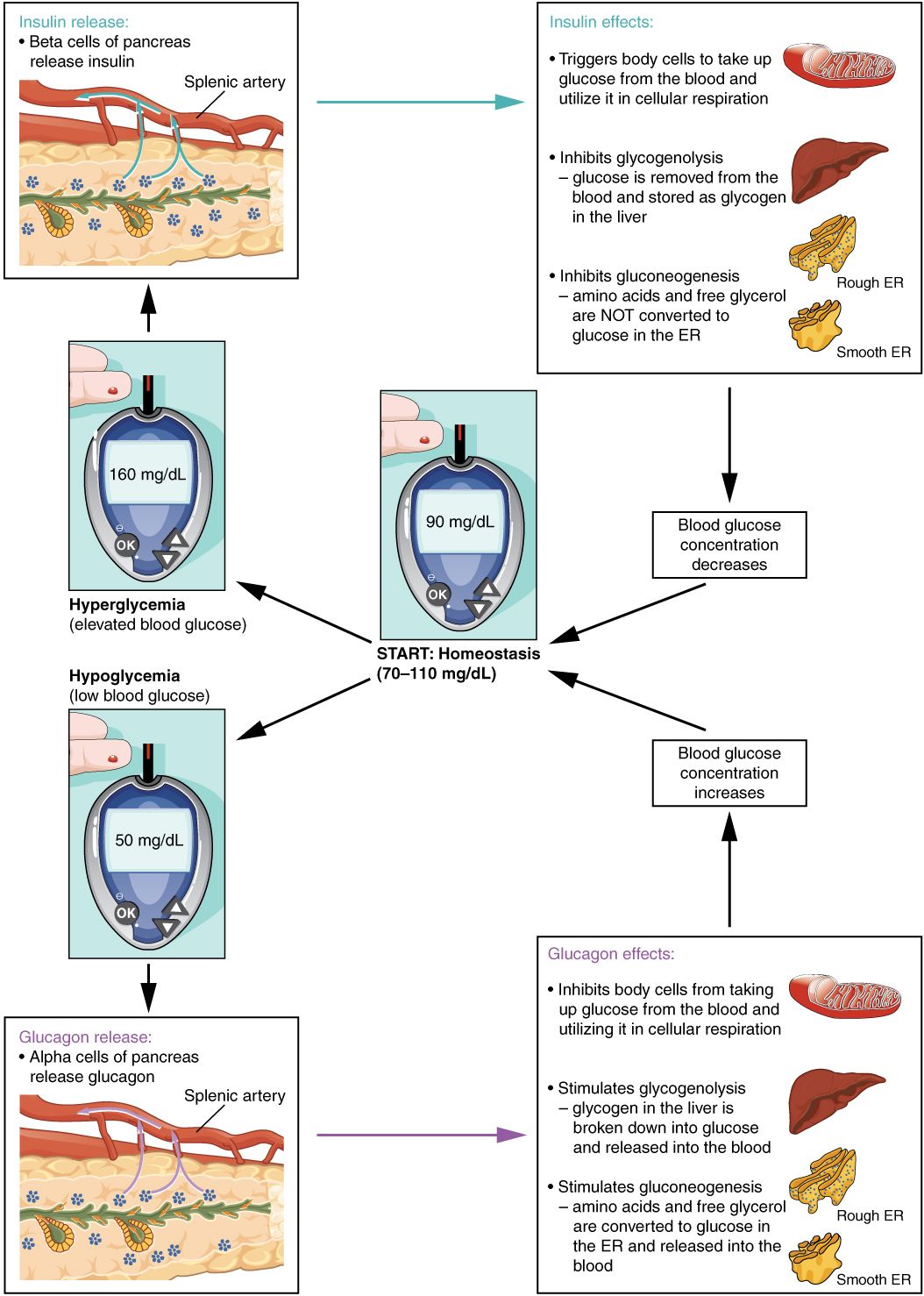
Psychotherapy is the treatment
Dialectical behaviour therapy, developed by Marsha Linehan, has the strongest evidence base for borderline personality disorder and reduces self-injury, suicide attempts, hospital days and treatment dropout. It combines individual therapy, a skills group, between-session phone coaching and a consultation team for clinicians, and it teaches four skill modules: mindfulness, distress tolerance, emotion regulation and interpersonal effectiveness. The dialectic in the name is the simultaneous stance that the person is doing the best they can and must learn to do better — radical acceptance held together with change.
Nurses do not run the therapy, but they reinforce the skills constantly, and knowing a handful of them makes you useful in the first ninety seconds of a crisis. TIPP for physiological down-regulation: cold water to the face to trigger the dive reflex, intense exercise, paced breathing with a longer exhalation, paired muscle relaxation. Radical acceptance for what cannot be changed. Opposite action — doing the opposite of what the emotion urges when the emotion does not fit the facts. DEAR MAN for asking for something effectively. Coach one skill, in the moment, and practise it with the person rather than describing it.
Other evidence-supported models: mentalisation-based treatment (Bateman and Fonagy) builds the capacity to hold in mind what one’s own and other people’s behaviour means; transference-focused psychotherapy (Kernberg) works on integrating split self and other representations through the therapy relationship; schema-focused therapy (Young) targets lifelong maladaptive schemas and modes; STEPPS is a manualised group programme that adds a support system of family and friends; and good psychiatric management (Gunderson) is a deliberately simple, generalist model that non-specialist teams can deliver with comparable outcomes — psychoeducation, a focus on life outside treatment, and a clear stance on crisis. That last point is important for nurses: you do not need a specialist certification to deliver competent care. Structure, validation and consistency are most of it.
Medication is an adjunct — and can be an iatrogenic harm
There is no medication approved for the treatment of a personality disorder, and the UK NICE guidance explicitly advises against drug treatment for borderline personality disorder itself. Medication is used to treat co-occurring disorders — major depression, bipolar disorder, PTSD, ADHD, substance use disorder — or, cautiously and time-limited, to target a specific symptom domain. Second-generation antipsychotics have modest evidence for transient cognitive-perceptual symptoms and anger; mood stabilisers for affective lability and aggression; SSRIs mainly for comorbid depression and anxiety. Effects are small. The commonest error in practice is accumulation: a person leaves the hospital on five psychotropics, none of which was ever formally reviewed, each added during a crisis. Ask on every admission whether each drug has a target symptom and a stopping rule. If an antidepressant is started for a co-occurring depression, raise the observation level rather than relax it during the first weeks and after any dose change (Chapter 7).
Benzodiazepines deserve their own warning. They can cause behavioural disinhibition, worsening impulsivity and self-injury, they carry dependence and withdrawal risk, they are lethal in combination with opioids and alcohol, and they blunt the very affect tolerance the person is trying to build. Avoid standing benzodiazepines in personality disorder wherever possible.
| Emergency | Recognise | Nursing action |
|---|---|---|
| Serotonin syndrome (SSRI, SNRI, plus triptan, tramadol, linezolid, MAOI, St John’s wort) | Onset within hours of a dose change; agitation, clonus and hyperreflexia greater in the legs, mydriasis, diaphoresis, diarrhoea, hyperthermia, unstable vital signs | Stop all serotonergic agents; call the provider now; cooling, IV fluids, cardiac monitoring; benzodiazepines for agitation and rigidity; cyproheptadine if ordered |
| Neuroleptic malignant syndrome (any antipsychotic; risk rises with rapid titration, dehydration, high potency) | Onset over days; lead-pipe rigidity with normal or reduced reflexes and bradykinesia (not the clonus and hyperreflexia of serotonin syndrome), hyperthermia often above 40 degrees Celsius, altered consciousness, autonomic instability, markedly raised creatine kinase, myoglobinuria | Stop the antipsychotic immediately; escalate as a medical emergency; aggressive cooling and IV fluids to protect the kidneys; anticipate dantrolene or bromocriptine and likely intensive care |
| Acute dystonia (early extrapyramidal symptom, often days 1–5) | Sustained muscle spasm — torticollis, trismus, oculogyric crisis; laryngospasm is airway-threatening | Rapid-acting anticholinergic per order — benztropine or diphenhydramine, intramuscular or intravenous; stay with the patient; monitor the airway |
| Drug-induced parkinsonism (extrapyramidal symptom, usually weeks 1–4) | Cogwheel rigidity, resting tremor, bradykinesia, mask-like face, shuffling gait, stooped posture; often mistaken for depression or sedation | Report for dose reduction or a switch to a lower-potency agent; anticholinergic or amantadine if ordered; assess falls risk and assist with mobility |
| Akathisia | Intense inner restlessness, pacing, inability to sit; frequently misread as anxiety or agitation, and it independently raises suicide risk | Report and request a dose reduction or change; propranolol or a short benzodiazepine course if ordered; do not treat by increasing the antipsychotic |
| Tardive dyskinesia | Late-onset involuntary choreoathetoid movements — lip smacking, tongue protrusion, grimacing, trunk and limb movements; may be irreversible | Screen with the AIMS at baseline and at least every 6–12 months; report early; anticipate a VMAT2 inhibitor such as valbenazine or deutetrabenazine |
De-escalation before restraint, always
The obligation is least restrictive intervention: try everything less coercive first, and document that you did. De-escalation begins before there is anything to de-escalate — a predictable milieu, unmet needs met early, honest information about waits. When arousal rises, work the sequence. Give the person space and keep an exit path clear for both of you. Reduce stimulation: fewer people, lower voices, dim the area, turn off the television. One clinician speaks; the others stand back. Lower your voice below theirs and slow down. Use short sentences and one instruction at a time. Name the feeling and agree with anything you can honestly agree with. Offer real, limited choices — a quiet room or a walk, medication now or in ten minutes — because choice restores the control that agitation is trying to seize. Offer food, warmth, a phone call, a blanket, a cigarette-substitute patch. Ask the person what has worked before, because they usually know.
If restraint or seclusion becomes unavoidable to prevent imminent serious harm, the legal frame in United States hospitals under the CMS Conditions of Participation is strict, and boards test it. Restraint requires an order from a licensed independent practitioner; a PRN or standing order for restraint is never permitted. A face-to-face evaluation must occur within one hour of initiation for violent or self-destructive behaviour. Orders are time-limited and must be renewed: up to 4 hours for adults 18 and older, 2 hours for ages 9 to 17, and 1 hour for children under 9. Monitoring is continuous, with documented checks of circulation, skin integrity, airway, hydration, toileting, nutrition and range of motion. Restraint is never used for punishment, for staff convenience, or because the unit is short-staffed. Release at the earliest moment the behavioural criteria are met, and debrief afterwards with the patient and with the team — for a person with a trauma history, being held down can re-enact the original injury, and the debrief is part of the treatment, not paperwork.
Red flags and SBAR escalation
Escalate on findings, not on feelings, and use the same structure every time so the receiving clinician can act in thirty seconds.
| Red flag | Escalate because |
|---|---|
| Suicidal ideation with a new plan, newly acquired means, or a preparatory act | Acute-on-chronic escalation above this person’s baseline; needs immediate means restriction and provider evaluation |
| A deeper or novel self-injury, an injury to the neck, or a wound the person concealed | Higher lethality than the usual pattern; may need surgical assessment and a change in observation level |
| Sudden calm or unexplained cheerfulness after severe agitation or despair | Can indicate a decision has been made; classic pre-attempt sign |
| Rigidity plus hyperthermia plus altered mental status on an antipsychotic | Neuroleptic malignant syndrome until proven otherwise — a medical emergency |
| Clonus, hyperreflexia and agitation hours after a serotonergic dose change | Serotonin syndrome — stop the agent and escalate now |
| New disorientation, fluctuating attention, or visual hallucinations | This is delirium, intoxication or withdrawal — not personality; find the medical cause |
| A team that is arguing about the patient rather than about the plan | The split is in the team; call a team meeting and unify the written plan before the next shift |
Structured psychotherapy is the treatment and medication is a cautious, symptom-targeted adjunct; de-escalate before you ever restrain, know the pharmacological emergencies cold, and escalate red flags with a rehearsed SBAR.
The chapter in one breath
Personality disorders are enduring, pervasive, inflexible patterns of thinking, feeling, relating and impulse control that begin by early adulthood and cause real impairment — usually built where a sensitive temperament met an invalidating or frightening environment, which makes them survival strategies with a terrible long-term price rather than character flaws. The ten specified disorders group into Cluster A, which needs transparency and respected distance; Cluster B, which needs validation delivered alongside unwavering structure; and Cluster C, which needs graded independence rather than rescue. Assess before you intervene: read the mental status exam and the interpersonal field together, ask about self-injury and suicide directly and separately, and distinguish this person’s chronic risk from acute-on-chronic escalation. The treatment is relationship and structure — dialectical behaviour therapy and its siblings, reinforced on every shift by boundaries stated kindly and kept exactly, one written plan the whole team can quote, and delegation that is specific. Medication treats comorbidity and targeted symptoms only, never the disorder, and you must recognise serotonin syndrome, neuroleptic malignant syndrome, extrapyramidal symptoms and tardive dyskinesia in anyone prescribed those adjuncts. De-escalate before restraint, every time. And keep the language clean: “difficult” is how you feel, not what you found — and the long-term data say most people get better.
Words worth knowing
| Term | What it means |
|---|---|
| Personality disorder | An enduring, pervasive, inflexible pattern of cognition, affect, interpersonal functioning or impulse control, deviating markedly from cultural expectation, present since adolescence or early adulthood and causing distress or impairment. |
| Ego-syntonic / ego-dystonic | Ego-syntonic traits feel correct and consistent with the self, so the person rarely seeks change; ego-dystonic experiences feel alien and distressing. Most Cluster A and obsessive-compulsive personality disorder traits are ego-syntonic. |
| Invalidating environment | A developmental context in which a child’s emotions are dismissed, punished or trivialised, teaching that only extreme expression earns a response — central to Linehan’s biosocial theory. |
| Splitting | Inability to hold good and bad qualities in one person at once, so others are experienced as all-good or all-bad; a trauma-derived defence, not a deliberate tactic, and one that shows up as division within the treatment team. |
| Idealisation and devaluation | The rapid swing from viewing someone as perfect and uniquely understanding to viewing them as worthless and rejecting, often triggered by a small perceived abandonment. |
| Non-suicidal self-injury | Deliberate damage to body tissue without intent to die, typically functioning to relieve unbearable affect or interrupt dissociation; a strong predictor of future suicide attempt and must be assessed separately from suicidal intent. |
| Chronic versus acute-on-chronic risk | Chronic risk is a person’s persistent baseline level of suicide risk; acute-on-chronic risk is a documented escalation above that baseline — new plan, new means, preparatory act, recent loss — and it is what warrants acute intervention. |
| Countertransference | The clinician’s emotional reaction to the patient. It is clinical data about the person’s relational world, to be examined in supervision and never acted upon at the bedside. |
| Limit setting | Stating a clear, concrete boundary after acknowledging the feeling and while offering what you can do — predictability delivered as care rather than punishment. |
| Dialectical behaviour therapy (DBT) | Linehan’s first-line treatment for borderline personality disorder: individual therapy, skills group, phone coaching and clinician consultation team, teaching mindfulness, distress tolerance, emotion regulation and interpersonal effectiveness. |
| Mentalisation-based treatment (MBT) | A psychodynamically informed therapy that strengthens the capacity to understand one’s own and others’ behaviour in terms of underlying mental states. |
| Good psychiatric management (GPM) | A deliberately generalist, manualised approach delivered by non-specialist teams — psychoeducation, a focus on life outside treatment and a clear crisis stance — with outcomes comparable to specialist therapies. |
| Trauma-informed care | Care organised on the assumption that a trauma history may be present in anyone: explain before touching, offer choice and control, minimise coercion, and avoid re-enacting the original harm. |
| Least restrictive intervention | The ethical and legal requirement to attempt every less coercive option before using seclusion or restraint, and to document that attempt. |
| Milieu therapy | Deliberate use of the physical and social environment — predictable schedule, consistent rules, low stimulation, community meetings — as an active treatment that prevents crisis. |
| Akathisia | An extrapyramidal effect of intense inner restlessness and inability to stay still, frequently misread as anxiety or agitation; it independently increases suicide risk and worsens if the antipsychotic dose is raised. |
| Neuroleptic malignant syndrome | A life-threatening antipsychotic reaction developing over days: lead-pipe rigidity, hyperthermia, altered consciousness, autonomic instability and markedly raised creatine kinase. |
| Serotonin syndrome | A serotonergic emergency developing within hours: agitation, clonus and hyperreflexia greater in the lower limbs, diaphoresis, diarrhoea, hyperthermia and autonomic instability. |
| Diagnostic overshadowing | Attributing new physical symptoms to a person’s known psychiatric diagnosis and therefore under-investigating them — a documented cause of missed medical illness and premature death. |
| Behaviour chain analysis | A step-by-step reconstruction of prompting event, thoughts, emotions, behaviour and consequences surrounding an episode of self-injury or crisis, used to build a targeted safety plan. |
Check yourself
Eating Disorders and Somatic Symptom Disorders
These two families of illness are paired here for a reason: in both, psychological distress arrives at the bedside wearing a body. A person with anorexia nervosa presents with bradycardia and hypophosphataemia; a person with somatic symptom disorder presents with pain, dizziness or weakness that is entirely real and entirely disabling. In both, the fastest way for a nurse to do harm is to decide the symptom is not genuine. Eating disorders carry the highest mortality of any psychiatric illness after opioid use disorder, and most of that mortality is medical — arrhythmia, electrolyte collapse, refeeding syndrome — or death by suicide. Somatic symptom disorders carry a different danger: years of unnecessary investigation, iatrogenic injury, opioid exposure, and a person who has been told so often that nothing is wrong that they stop reporting the symptom that finally is. This chapter teaches you to assess the body first, speak to the person second, and never confuse the two tasks.
By the end of this chapter you can
- Differentiate anorexia nervosa, bulimia nervosa, binge-eating disorder, avoidant/restrictive food intake disorder (ARFID) and atypical anorexia nervosa by presentation, not by body size.
- Screen for a suspected eating disorder using the SCOFF questions and open the conversation without shame-based or weight-focused language.
- Explain the cardiac, endocrine, skeletal and gastrointestinal consequences of restriction, purging and laxative misuse, and identify the criteria for medical admission.
- Anticipate, monitor for and escalate refeeding syndrome, including the roles of phosphate, potassium, magnesium and thiamine.
- Deliver structured meal support and post-meal observation on a behavioural unit, and state precisely what assistive personnel may and may not do.
- Contrast therapeutic and non-therapeutic responses in eating disorder and somatic care, and justify why each response lands the way it does.
- Distinguish somatic symptom disorder, illness anxiety disorder, functional neurological symptom disorder and factitious disorder, and explain why none of them means the symptom is fabricated.
- Apply the scheduled-visit model and trauma-informed care to a person with persistent bodily symptoms, avoiding both dismissal and over-investigation.
- Recognise red flags in both populations and escalate them using a complete SBAR handoff.
Section 1Seeing the disorder, not the body
The disorders in plain terms
Anorexia nervosa is defined by persistent restriction of energy intake leading to a significantly low body weight for that person’s age, sex and developmental trajectory, together with an intense fear of weight gain or persistent behaviour that interferes with weight gain, and a disturbance in how body weight or shape is experienced. It has two courses: a restricting presentation, and a binge-eating/purging presentation in which restriction is punctuated by binge episodes, self-induced vomiting, laxative or diuretic misuse, or driven exercise. The fear does not remit when the person is told the weight is dangerous; if anything, the cognitive rigidity of starvation makes reassurance land as threat.
Bulimia nervosa involves recurrent binge episodes — an objectively large amount of food eaten in a discrete period with a sense of loss of control — followed by recurrent compensatory behaviours, with self-evaluation unduly influenced by shape and weight. Weight is typically in or above the average range, which is exactly why it is missed. Binge-eating disorder involves the same binge episodes and the same loss of control and distress, but without regular compensatory behaviour; it is the most common eating disorder in the general population and the one most often mislabelled as a willpower problem in primary care.
ARFID is restriction driven by sensory sensitivity, fear of an aversive consequence such as choking or vomiting, or simple lack of interest in eating — with no disturbance of body image at all. A child who has eaten six foods since toddlerhood and is now falling off the growth curve, or an adult who stopped eating solids after a choking episode, has ARFID, not anorexia nervosa, and the treatment differs. Atypical anorexia nervosa, classified under other specified feeding or eating disorder, meets every criterion for anorexia nervosa except that the weight remains within or above the average range after significant loss — and it produces the same bradycardia, the same amenorrhoea, the same bone loss and the same risk of refeeding syndrome.
| Presentation | Core feature | Compensatory behaviour | Body image disturbance | Weight |
|---|---|---|---|---|
| Anorexia nervosa | Persistent energy restriction, fear of weight gain | May be present (binge/purge type) | Yes, central | Significantly low for the individual |
| Bulimia nervosa | Binge with loss of control | Yes, recurrent (vomiting, laxatives, exercise, fasting) | Yes, self-evaluation dominated by shape | Usually average or above |
| Binge-eating disorder | Binge with loss of control, marked distress | No | Distress about eating; body image varies | Often above average, but any weight |
| ARFID | Sensory aversion, fear of choking or vomiting, low interest | No | No | Low, faltering growth, or nutritional deficiency |
| Atypical anorexia nervosa | All anorexia criteria met except low weight | May be present | Yes | Within or above average after major loss |
What the stereotype gets wrong
The picture most students carry — a thin, affluent, white adolescent girl — describes a minority of the people you will actually care for. Roughly one in three people with an eating disorder is male, and men are diagnosed later and treated less because neither they nor their clinicians expect it. Eating disorders occur across every racial and ethnic group; Black and Hispanic patients with identical symptoms are significantly less likely to be asked about eating, referred, or admitted. People in larger bodies who have lost a great deal of weight are frequently congratulated by clinicians on the way into a life-threatening illness. Older adults, pregnant patients, athletes and people in the perimenopausal transition all develop eating disorders and are all routinely overlooked.
Two high-risk groups deserve naming. Athletes in sports with weight classes or aesthetic judging may present with relative energy deficiency in sport — low energy availability producing amenorrhoea, stress fractures and bradycardia that gets misread as athletic conditioning. A resting heart rate of 42 in a distance runner who has also stopped menstruating and has lost 8 kilograms is not fitness. The second group is people with type 1 diabetes who omit or reduce insulin to lose weight; this produces chronic hyperglycaemia, recurrent diabetic ketoacidosis, and accelerated retinopathy and nephropathy, and it should be asked about directly and without accusation in any patient with type 1 diabetes and unexplained recurrent DKA.
Language matters here more than almost anywhere in psychiatry. Say “a person with anorexia nervosa,” not “an anorexic” — the illness is not the identity, and recovery depends on the person being able to imagine themselves separate from it. Never document that a patient is “manipulative” because they hid food, or “non-compliant” because they did not finish a supplement. Document the behaviour and what it communicates: “Patient placed roll in napkin during supervised lunch; when this was named calmly, she said she felt panicked by the portion size and asked whether the amount had been increased.” That sentence is clinically useful. “Manipulative” is not; it is a judgement that closes the chart to the next nurse.
Screening and the first conversation
The SCOFF questionnaire is five questions and takes under a minute: do you make yourself Sick because you feel uncomfortably full; do you worry you have lost Control over how much you eat; have you recently lost more than One stone (about 6.35 kilograms) in a three-month period; do you believe yourself to be Fat when others say you are too thin; would you say that Food dominates your life. Two or more affirmative answers warrants a full assessment. It is a screen, not a diagnosis, and a negative SCOFF in a patient with unexplained bradycardia, amenorrhoea or hypokalaemia does not close the question.
How you ask determines what you learn. Begin with function rather than food: “Tell me what a usual day of eating looks like for you, from waking up.” Then move to the behaviours specifically and without euphemism, because vague questions get vague answers: “Some people vomit after eating, or use laxatives, diet pills or extra exercise to manage weight. Have you done any of those?” Naming the behaviour matter-of-factly signals that you have heard it before and will not react with disgust. Ask about the last time they were weighed and how that felt, ask about food rules, and ask directly about suicidal thoughts — suicide is a leading cause of death in anorexia nervosa and the risk is often missed while the team is focused on potassium. Ask in plain words: “Are you having thoughts of killing yourself?” and, if the answer is yes, escalate to the team the same day for safety planning and the level of observation they judge necessary.
Two procedural decisions belong in the first encounter. First, blind weights: the patient stands backwards on the scale, in a gown, after voiding, at the same time each morning, and the number is not disclosed unless the treatment team has agreed disclosure is therapeutic. This is not withholding information for its own sake; it removes the single most reliable trigger for restriction from the daily routine. Second, trauma-informed consent for the physical exam. Rates of prior sexual trauma are high in this population, and being weighed, gowned, examined and observed in a bathroom reproduces the shape of that experience. Explain each step before you do it, offer choices where you have them, and stop if the person asks you to.
Eating disorders are diagnosed by behaviour, cognition and physiology — never by body size — and the person in front of you is statistically unlikely to look like the stereotype.
Section 2The starving and purging body
What restriction does to the body
Starvation is a coordinated shutdown. The heart is the organ that kills. Cardiac muscle mass is lost along with skeletal muscle, stroke volume falls, and the body compensates by slowing: resting heart rates in the 30s and 40s, systolic pressures in the 70s and 80s, and orthostatic changes that make a patient grey out on standing. The QT interval prolongs, particularly once potassium and magnesium fall, and the endpoint is torsades de pointes or asystole. Bradycardia in a malnourished patient is not athletic conditioning and it is not reassuring; it is the reason for continuous telemetry. Nocturnal heart rates are lowest, so overnight monitoring often reveals the true depth of the bradycardia.
Everywhere else the picture is the same story of conservation. Core temperature falls and the person is cold in a warm room; lanugo — fine downy hair — appears over the trunk and face; the skin is dry with carotenaemic yellowing of the palms. The hypothalamic-pituitary-gonadal axis switches off, producing amenorrhoea in women, low testosterone in men, and loss of libido; combined with low oestrogen and high cortisol, this drives osteopenia and osteoporosis, and adolescents may never recover the peak bone mass they should have accrued. Bone loss is one of the few consequences that does not fully reverse, which is a legitimate motivator to share with a young person who is not yet frightened by any of this.
Gastrointestinal motility slows, producing early satiety, bloating, constipation and delayed gastric emptying — symptoms that feel to the patient like proof that eating is harmful, and which must be explained as a consequence of restriction rather than a reason for it. Transaminases rise from starvation hepatitis, hypoglycaemia appears as glycogen stores fail, and the bone marrow becomes hypoplastic with leukopenia, anaemia and thrombocytopenia. Cognition narrows: rigidity, obsessionality, and difficulty with abstract reasoning are effects of starvation itself and improve substantially with nutrition, which is why nutritional rehabilitation comes before deep psychotherapeutic work.
What purging does
The route of purging determines the acid-base picture, and this is highly testable. Self-induced vomiting loses hydrogen and chloride, producing a hypochloraemic, hypokalaemic metabolic alkalosis with volume contraction and secondary hyperaldosteronism — which drives still more potassium loss. Laxative misuse loses bicarbonate-rich stool, producing a non-anion-gap metabolic acidosis with hypokalaemia. Diuretic misuse produces volume depletion with hypokalaemia and alkalosis. In all three, potassium is the number that will stop the heart, and a serum potassium below 3.0 mEq/L in a purging patient with a prolonged QT interval is an emergency requiring telemetry, replacement of both potassium and magnesium, and cardiology input.
The physical signs are readable if you look. Erosion of the lingual surface of the upper incisors from gastric acid; bilateral painless parotid swelling giving a squared jawline; Russell’s sign, the callus or abrasion over the knuckles from the teeth during self-induced vomiting; subconjunctival haemorrhage and facial petechiae after forceful retching. Oesophageal complications range from reflux and Mallory-Weiss tears to Boerhaave syndrome, a full-thickness oesophageal rupture that presents with severe chest pain, subcutaneous emphysema and shock. Abrupt cessation of chronic laxative use produces rebound oedema and constipation, which patients experience as weight gain and which must be anticipated and explained or they will resume.
Two agents deserve separate warnings. Ipecac syrup, occasionally still obtained, contains emetine, which is directly cardiotoxic and cumulative, producing an irreversible cardiomyopathy. Stimulant laxatives in chronic use damage the enteric plexus and produce a colon that no longer moves on its own. Ask about both by name. Ask also about the use of caffeine, nicotine, prescription stimulants and unregulated diet supplements — polypharmacy in this population is common and frequently undisclosed unless asked about neutrally.
| Domain | Findings that warrant medical admission |
|---|---|
| Cardiac | Heart rate below 40 beats/min (below 50 in a child), systolic pressure below 90 mmHg, orthostatic rise in heart rate above 20 beats/min or drop in systolic pressure above 20 mmHg, QTc above 450–470 ms, any arrhythmia |
| Metabolic | Potassium below 3.0 mEq/L, phosphate below 2.5 mg/dL, magnesium low, sodium below 125 mEq/L, glucose below 60 mg/dL |
| Nutritional | Below roughly 75 percent of expected body weight, rapid ongoing loss, acute food refusal, failure of outpatient treatment |
| Temperature | Core temperature below 35.5 degrees Celsius |
| Psychiatric | Active suicidal ideation with plan or intent, inability to interrupt purging or exercise, uncontrolled comorbid illness |
Refeeding syndrome
Refeeding syndrome is what happens when calories return to a starved body. During starvation, insulin is low and intracellular stores of phosphate, potassium and magnesium are depleted even when serum levels look normal. Reintroducing carbohydrate causes an insulin surge that drives glucose, phosphate, potassium and magnesium into cells all at once. Serum phosphate falls first and fastest, and without phosphate there is no adenosine triphosphate: the result is cardiac failure, respiratory muscle failure, rhabdomyolysis, haemolysis, seizures, delirium and death. Fluid retention from insulin-driven sodium reabsorption loads a heart with reduced muscle mass, producing pulmonary oedema.
The prevention is unglamorous and absolute. Identify high-risk patients — very low weight, minimal intake for five or more days, prior refeeding hypophosphataemia, ongoing purging, alcohol use, low baseline electrolytes. Give thiamine before or with the first calories and continue it, because refeeding consumes thiamine as a cofactor in carbohydrate metabolism and Wernicke encephalopathy is otherwise a real risk. Start nutrition conservatively and advance on a written schedule. Check phosphate, potassium, magnesium, calcium and glucose at baseline and then at least daily — twice daily in the highest-risk first 72 hours — and replace aggressively rather than watching a downward trend. Weigh daily, record strict intake and output, and monitor on telemetry.
Your nursing surveillance is the safety net. A patient who becomes newly confused, weak, breathless, oedematous or tachycardic in the first days of refeeding is presenting with hypophosphataemia until proven otherwise. Do not wait for the morning labs. Oral nutrition is always preferred; nasogastric feeding is used when oral intake cannot meet requirements, and it is a medical intervention, not a punishment — frame it that way to the patient every time. Note also that refeeding is genuinely frightening: bloating, oedema and rapid weight change all confirm the illness’s predictions, and the person needs that named and normalised at every meal.
Restriction and purging kill through the heart and the electrolytes; refeeding kills through phosphate — so nutrition is started slowly, with thiamine, on telemetry, with daily labs.
Section 3Meal support, milieu and what to say
The plate is the treatment
Meal support is a skilled nursing intervention with a structure. Meals are served at fixed times in a communal dining space, portioned by the dietitian, and completed within a defined window — commonly 30 minutes for a meal and 15 for a snack. Staff sit with patients and eat or converse; they do not hover, count bites aloud, or comment on anyone’s plate. Conversation is deliberately steered away from food, weight, calories and exercise, because eating disorder talk between patients is contagious and competitive. What is not eaten within the window is replaced by an oral nutrition supplement in a fixed equivalence, and if that is declined, the team’s pre-agreed protocol follows. The rule is decided before the meal so that no negotiation happens at the table.
Post-meal observation matters as much as the meal. Patients remain in a common area under observation for 30 to 60 minutes after eating, with bathrooms locked or supervised, because that is the window for vomiting, and it is also the window of peak anxiety. Distraction is part of the protocol, not a nicety: cards, a film, hand-craft, conversation. Watch for behaviours that indicate the illness is working — food hidden in napkins, sleeves or plant pots, condiments used to make food inedible, cutting food into very small pieces, drinking excessive fluid, standing rather than sitting, isolating exercise such as repeated stair use or leg bouncing. Name what you observe, once, calmly and privately, and describe it in the chart without adjectives.
Other structures on the unit: blind weights at the same time each morning after voiding, in a gown, with the patient facing away; monitored fluid intake because water loading before weighing is common and can cause hyponatraemia and seizures; supervised bathroom use with running water or flushing observed where indicated; and limits on exercise, including the covert kind. Contraband checks — laxatives, diuretics, diet pills — are done as a routine unit process applied to everyone, not as a targeted accusation. Consistency across nurses is itself therapeutic; inconsistency invites splitting of the team and increases the patient’s anxiety, because a rule that changes with the shift cannot be relied on.
Every one of those structures is a restriction, so each is justified on its own, set at the least restrictive level that keeps the person safe, explained to the patient, reviewed as they improve, and lifted the moment it is no longer needed. Most people with an eating disorder are treated with their agreement, and the plan is far stronger for it; occasionally starvation itself so distorts thinking that refusal of treatment becomes life-threatening, and treatment then proceeds under mental health legislation with the safeguards set out in Chapter 3. Nasogastric feeding is likewise a clinical decision made by the team, never a consequence announced at the table.
What to say and what not to say
Almost every well-intentioned comment about appearance backfires. “You look so much better” is heard as “you have gained weight and I noticed.” “Just eat, it is not that hard” converts a psychiatric illness into a moral failure. “I wish I had your willpower” congratulates the disease. The therapeutic move is nearly always the same shape: acknowledge the feeling as real, decline to negotiate the plan, and stay in the room.
| Situation | Non-therapeutic | Therapeutic | Why |
|---|---|---|---|
| Patient stops halfway through lunch | “You have to finish or you will not get your pass.” | “I can see this is really hard right now. The meal stands, and I will sit here with you until the time is up.” | Empathy plus an unmoved boundary. Threats put the nurse and patient on opposite sides and make eating a punishment. |
| “I feel disgusting. I have gotten so fat.” | “Don’t be silly, you look great.” | “That sounds like a painful thought to be carrying. Tell me what happened just before it showed up.” | Reassurance about appearance is a compulsion the illness feeds on and it never holds. Curiosity about the trigger does clinical work. |
| “How many calories is this?” | “About 550, but you shouldn’t worry about that.” | “I am not going to give numbers — that is part of your plan. What I can tell you is that the dietitian built this portion for you specifically.” | Providing numbers hands the illness a tool. Naming the plan without argument keeps the alliance. |
| Patient found vomiting after dinner | “Why would you do that after everything we did today?” | “I need to check on you — are you okay? Let’s sit down. Something got very hard after that meal. Walk me through it.” | Safety first, then curiosity. Disappointment invites secrecy, and secrecy is what makes purging lethal. |
| “You are the only one who understands. Don’t tell the team about the exercising.” | “All right, this stays between us.” | “I am glad you told me, and I am not able to keep it from the team — everything about your care is shared, and that is what keeps you safe. I will tell them with you now if you like.” | Secrets fracture the team and are unsafe. Refusing warmly, with an offer to do it together, preserves trust. |
| Family asks how to help at home | “Just make sure she eats.” | “Your job is the meal plan and the structure; the illness’s job is the arguing. Try not to debate food at the table — and this is not something anyone caused.” | Family-based treatment works by giving parents the eating task while removing blame. |
Milieu, medications and the team
The evidence-based psychotherapies belong to the team but you reinforce them daily. Family-based treatment is first-line for adolescents with anorexia nervosa: parents take temporary charge of nutrition, the illness is externalised from the young person, and control is returned in phases. Enhanced cognitive behavioural therapy (CBT-E) is first-line for adults with bulimia nervosa and binge-eating disorder, targeting dietary restraint, the binge-purge cycle and overvaluation of shape. Dialectical behaviour therapy skills help with the emotion dysregulation that often drives bingeing. Your role is consistency, meal support, and reinforcing the same language the therapist uses.
| Medication | Use | Monitoring and cautions |
|---|---|---|
| Fluoxetine 60 mg daily | Bulimia nervosa — reduces binge and purge frequency | Higher dose than for depression, and several weeks to full effect; monitor for emerging suicidal thoughts early in treatment, particularly in adolescents and young adults. Monitor for serotonin syndrome if combined with other serotonergic agents; ineffective for weight restoration in anorexia nervosa |
| Lisdexamfetamine | Moderate to severe binge-eating disorder | Stimulant — monitor blood pressure, heart rate and sleep; not to be used for weight loss; assess for misuse potential and comorbid substance use |
| Olanzapine, low dose | Adjunct in anorexia nervosa — modest weight gain, reduced obsessional rumination | Metabolic panel, QTc, sedation; discuss honestly with the patient, since weight gain is the feared outcome |
| Bupropion | Contraindicated in anorexia nervosa, bulimia nervosa and active purging | Substantially increased seizure risk in purging and electrolyte-depleted patients |
| Thiamine, phosphate, potassium, magnesium | Refeeding prophylaxis and correction | Thiamine before or with first calories; replace electrolytes proactively, not reactively |
| Antiemetics and other QT-prolonging agents | Use with caution | Check the QTc and potassium before adding any QT-prolonging drug in a purging or starved patient |
Delegation on an eating disorder unit is tightly bounded, and this is examined often. Assistive personnel may sit with patients during supervised meals and post-meal observation, record the percentage of the meal consumed, obtain and record vital signs including orthostatics, obtain the daily blind weight per protocol, accompany a patient to a supervised bathroom, and reinforce the routine that has already been taught. They may not assess, interpret findings, evaluate whether an intervention is working, decide what happens when a meal is refused, alter or negotiate any part of the meal plan, perform the admission or suicide risk assessment, provide initial teaching, or run a therapeutic group. Nor is an unstable patient theirs to hold: the bradycardic patient on telemetry, the patient in the first days of refeeding, and the patient with active suicidal ideation all need continuous registered nurse judgement, and delegation never transfers accountability away from you. Tell them explicitly what to report to you immediately: any heart rate below the ordered threshold, syncope or near-syncope, observed or suspected vomiting, refusal of the meal or supplement, and any statement about self-harm.
Meal support, post-meal observation, blind weights and identical rules across every shift are the intervention — delivered with unlimited empathy and an unmoved boundary.
Section 4When distress speaks through the body
From “medically unexplained” to what is actually diagnosed
Older classifications defined these conditions by absence — symptoms without a medical explanation — which trained a generation of clinicians to diagnose by exclusion and to communicate the diagnosis as “we could not find anything.” Current classification defines them by presence. Somatic symptom disorder requires one or more distressing somatic symptoms, plus excessive thoughts, feelings or behaviours about those symptoms — disproportionate and persistent worry about seriousness, persistently high anxiety about health, or excessive time and energy devoted to them — persisting typically more than six months. Crucially, the symptom may be fully explained by a medical condition. A person with genuine rheumatoid arthritis can have somatic symptom disorder; the diagnosis is about the response, not the legitimacy of the sensation.
Illness anxiety disorder is preoccupation with having or acquiring a serious illness when somatic symptoms are absent or mild, with a high level of health anxiety and either excessive health-related behaviours (repeated body checking, repeated tests, searching symptoms online) or maladaptive avoidance (refusing appointments, avoiding hospitals or sick relatives). Functional neurological symptom disorder, historically called conversion disorder, involves altered voluntary motor or sensory function — weakness, tremor, gait disturbance, non-epileptic seizures, blindness, aphonia — with clinical findings showing incompatibility between the symptom and recognised neurological disease.
Factitious disorder is different in kind: falsification of signs or symptoms, or induction of injury or disease, in the absence of obvious external reward. When imposed on another — classically a child or a dependent adult — it is a form of abuse and a mandatory safeguarding report, and the identified patient is the victim. Distinguish all of these from malingering, which is the intentional production of symptoms for a clear external incentive such as money, medication, or avoiding work or prosecution. Malingering is not a mental disorder, it is not a nursing diagnosis, and it should never be assumed from the chart.
| Disorder | What is present | Symptom production | Motivation | Nursing emphasis |
|---|---|---|---|---|
| Somatic symptom disorder | Real distressing symptoms plus disproportionate thoughts, anxiety and time spent | Not intentional | Not applicable | Scheduled visits, function-focused goals, one coordinating clinician |
| Illness anxiety disorder | Preoccupation with having illness; symptoms mild or absent | Not intentional | Not applicable | Reduce reassurance-seeking and checking; treat the anxiety |
| Functional neurological symptom disorder | Motor or sensory deficit with positive incompatibility signs | Not intentional | Not applicable | Explain the positive diagnosis; physiotherapy-led rehabilitation |
| Factitious disorder imposed on self | Falsified or induced signs | Intentional | To assume the sick role; no external reward | Safety, non-confrontational team approach, psychiatric involvement |
| Factitious disorder imposed on another | Falsified or induced illness in a dependent | Intentional | Sick role by proxy | Protect the victim; mandatory report; do not confront alone |
| Malingering (not a mental disorder) | Feigned or exaggerated symptoms | Intentional | Obvious external gain | Do not diagnose at the bedside; document observation only |
Why the body does this
Nothing here is mysterious once you think in terms of prediction and signal. The nervous system does not passively receive sensation; it predicts, filters and amplifies. In central sensitisation, repeated or intense input lowers the threshold at which the dorsal horn and cortex register pain, so that ordinary signals are experienced as painful — the mechanism underlying fibromyalgia and much chronic pain. Altered interoception — the sense of the internal state of the body — means some people register cardiac, gastric and respiratory sensations with unusual intensity, and then interpret them catastrophically. Anxiety itself produces palpitations, dyspnoea, dizziness, nausea, tremor and chest tightness, which are then interpreted as evidence of the feared disease, closing the loop.
Risk factors are consistent: childhood adversity and trauma, childhood illness or a family member’s serious illness, anxiety and depressive disorders, alexithymia (difficulty identifying and naming emotional states), and a health system that has already responded to distress with tests. Iatrogenic contribution is real. Every ambiguous incidental finding on an unnecessary scan generates a new worry, a new test and a new procedure with its own complication rate. People with somatic symptom disorder undergo more surgery, receive more opioids, and are more likely to be harmed by care than the average patient.
Say clearly to students and to patients: emotional distress producing physical symptoms is not weakness and it is not imagination. Everyone has felt it — the stomach before an examination, the chest before bad news. These disorders sit at the far end of a mechanism everybody has. And people living with them are far more often harmed by dismissive care than helped by another round of testing.
The symptoms are real
Functional neurological symptom disorder is the clearest teaching case because it can be diagnosed positively rather than by exclusion. In Hoover’s sign, a patient with functional leg weakness cannot voluntarily press the weak leg down, yet the same leg extends normally against the examiner’s hand when the opposite hip is flexed against resistance — automatic movement is preserved while voluntary movement is not. A functional tremor entrains to or stops during a rhythmic movement performed by the other hand. Non-epileptic seizures typically have longer duration, closed eyes with resistance to opening, side-to-side head movement, waxing and waning course, no post-ictal confusion and a normal serum lactate. These are findings, not accusations. The person is not producing the symptom on purpose; the nervous system’s access to voluntary control is genuinely disrupted.
How the diagnosis is explained determines the outcome. “Your scans are normal, there is nothing wrong” leaves the person with a disabling symptom and no explanation, so they seek another opinion — and the cycle continues. “You have a functional neurological disorder. This is a problem with how the brain sends and receives movement signals, not with the structure of your nerves or muscles. We can show it on examination, it is common, and it can improve with the right physiotherapy” gives a mechanism, a name and a route forward. Patients who understand and accept a functional diagnosis do measurably better.
Never document or say “the patient is faking,” “symptoms are psychosomatic” used dismissively, or “drug-seeking.” Describe what you observed: “Reports 9 out of 10 abdominal pain; sitting up eating lunch and conversing; abdomen soft and non-tender to deep palpation; vital signs stable.” That is a defensible, useful entry that the next clinician can act on. The pejorative version tells the next clinician to stop looking — which is precisely how a person with a long somatic history dies of an aortic dissection.
Somatic symptom disorders are diagnosed by what is present — disproportionate distress, preoccupation, or positive functional signs — and the bodily suffering is genuine in every one of them.
Section 5Nursing the person with persistent bodily symptoms
The scheduled-visit model
The structural intervention with the best evidence is deceptively simple: regular appointments at fixed intervals with one coordinating clinician, scheduled by the calendar rather than triggered by symptoms. When visits are symptom-triggered, the system teaches that symptoms are the way to obtain contact and care. When visits are scheduled, that contingency is broken and the person can be seen while relatively well. Each visit includes a brief, genuine focused physical examination — this is not theatre; it communicates that the body is taken seriously and it catches new pathology — and then moves to function.
Goals are functional, not symptomatic. “Be pain-free” is not achievable and sets up failure; “walk to the corner shop twice this week,” “return to two shifts,” “sleep in my own bed” are measurable and reachable while symptoms persist. Investigations are ordered on the basis of objective findings, not on the basis of the patient’s or the clinician’s anxiety, and the reasoning is shared out loud so it does not feel like refusal. Treat comorbid depression and anxiety, because they amplify every symptom. Cognitive behavioural therapy has the strongest evidence; antidepressants help pain and anxiety; opioids and benzodiazepines cause net harm in this population and should be avoided.
Trauma-informed care is the ambient posture. Assume a trauma history may be present, because it frequently is. Explain before you touch. Ask permission for examinations and offer a chaperone. Give choices where real choices exist — which arm, sitting or lying, door open or closed. Watch for the moment a person goes quiet, still or hypervigilant during an examination and stop. Give the story room: let the person tell it in their own order at least once, because being interrupted and redirected is one of the most common complaints this group has about health care, and being heard once fully is itself therapeutic.
Responses that work and responses that end the relationship
The recurring trap is that reassurance feels kind and works for about twenty minutes. Reassurance-seeking is a compulsion; each round of reassurance strengthens the loop and shortens the interval before the next request. The therapeutic alternative is validation of distress without validation of the catastrophic conclusion, plus a redirect to function and coping.
| Situation | Non-therapeutic | Therapeutic | Why |
|---|---|---|---|
| “All the tests are normal but the pain is real, I swear.” | “Good news — everything came back normal, so there is nothing to worry about.” | “I believe you. The tests rule out some dangerous causes, and they do not rule out your pain. Let’s talk about what makes it worse and what you can still do.” | Belief plus accurate framing. “Nothing to worry about” contradicts the person’s lived experience and drives them elsewhere. |
| “Could this headache be a brain tumour? Can I have another scan?” | “You do not need a scan, you have already had two.” | “That fear sounds exhausting to live with. Your exam today has no findings that a scan would change, and scans find harmless things that lead to more tests. Can we look at what happens in your body when that fear arrives?” | Names the fear, explains the reasoning rather than refusing, and points at the anxiety cycle. |
| Patient describes 15 symptoms in three minutes | “Let’s just focus on one thing today.” (interrupting) | “I want to hear all of it. Tell me the whole list first and I will write it down, then we will pick the one that is costing you the most.” | Being fully heard once reduces the need to repeat. Early interruption guarantees escalation. |
| Colleague at handover: “She is a frequent flyer, it is all anxiety.” | Silent agreement, abbreviated assessment | “She has a somatic symptom disorder and today she has a new symptom — I am going to assess it the same way I would in anyone.” | Diagnostic overshadowing kills. “Frequent flyer” is a label, not a clinical finding, and it belongs nowhere in a handover; a prior psychiatric diagnosis does not confer immunity from disease. |
| Person with functional weakness asks “So it is in my head?” | “Sort of — it is a stress thing.” | “It is in your nervous system. The wiring is intact but the signalling for voluntary movement is disrupted — that is why the automatic movement works. It is real, it is common, and physiotherapy targets exactly this.” | A mechanism and a treatment. Vague psychologising is heard as disbelief and predicts poor outcome. |
| Person with an eating disorder says “I don’t deserve this bed, others are sicker.” | “Don’t be silly, you are very unwell.” | “Your heart rate was 41 overnight. You are exactly where you need to be. That thought — that you are not sick enough — is a symptom, and I hear it from almost everyone here.” | Objective fact plus normalisation of the thought as part of the illness rather than argument about worth. |
Red flags and escalation
Two categories of red flag run through this chapter. The first is physiological deterioration in an eating disorder: heart rate below 40, systolic pressure below 90, symptomatic orthostasis or syncope, QTc above 470 ms, potassium below 3.0 mEq/L, phosphate below 2.5 mg/dL or any fall during refeeding, sodium below 125 mEq/L, glucose below 60 mg/dL, temperature below 35.5 degrees Celsius, new confusion, new oedema or breathlessness, haematemesis, and severe chest or abdominal pain suggesting oesophageal rupture. Add the psychiatric red flags: emerging suicidal ideation, total food refusal, and escalating covert exercise.
The second is the new or changed symptom in a person with a somatic symptom disorder. Diagnostic overshadowing — attributing new physical symptoms to a known psychiatric diagnosis — is one of the leading causes of preventable death in people with serious mental illness. A symptom that is different in character from the person’s usual pattern, objective findings (fever, hypoxia, focal neurological deficit, abnormal vital signs, weight loss, blood), symptoms waking the person from sleep, or first onset after age 50, all require a full assessment on their merits. So does functional weakness that is new or asymmetric — stroke has to be excluded before anything is called functional.
| SBAR | Worked example — day 3 of refeeding |
|---|---|
| Situation | “This is Priya, RN, on 4 East. I am calling about Mr Ellis in bed 12, day 3 of refeeding for anorexia nervosa. He has become confused in the last hour and is newly short of breath.” |
| Background | “Admitted three days ago at 68 percent of expected body weight with a heart rate in the 30s overnight. Refeeding started at 1200 kilocalories with thiamine. Admission phosphate was 2.9 mg/dL, potassium 3.4 mEq/L.” |
| Assessment | “Right now heart rate 118, respirations 26, oxygen saturation 91 percent on room air, blood pressure 96 over 58, crackles at both bases, new pitting oedema to mid-shin, and he is oriented to person only. This looks like refeeding syndrome with hypophosphataemia and fluid overload.” |
| Recommendation | “I need you to see him now. I am requesting urgent phosphate, magnesium, potassium, calcium and glucose, a 12-lead ECG, and orders to hold the feed advance. He is on telemetry and I have oxygen at the bedside. Can you come, and do you want the rapid response team activated?” |
Scheduled visits, functional goals, honest explanations and a full assessment of every new symptom protect people with somatic symptom disorders from both dismissal and iatrogenic harm.
The chapter in one breath
Eating disorders and somatic symptom disorders both present as bodies, and both are misread when clinicians assume the suffering is either chosen or imagined. Anorexia nervosa, bulimia nervosa, binge-eating disorder, ARFID and atypical anorexia nervosa are recognised by behaviour, cognition and physiology — never by size — and they occur across every gender, age, body size and ethnic group. Restriction produces bradycardia, hypotension, hypothermia, QT prolongation, amenorrhoea and irreversible bone loss; vomiting produces hypokalaemic metabolic alkalosis and laxative misuse a non-anion-gap acidosis; refeeding produces hypophosphataemia, and phosphate, potassium, magnesium and thiamine are checked and replaced before and during every calorie increase. Nursing care is meal support with post-meal observation, blind weights, identical rules on every shift, and empathy that never negotiates the plan. Somatic symptom disorder, illness anxiety disorder and functional neurological symptom disorder are diagnosed by what is present, and the symptoms are real in all of them. Care means scheduled visits, functional goals, honest explanation instead of “nothing is wrong,” trauma-informed touch, and a genuine assessment of every new symptom — because diagnostic overshadowing is how these patients die.
Words worth knowing
| Term | What it means |
|---|---|
| Anorexia nervosa | Persistent energy restriction producing significantly low weight, with intense fear of weight gain and disturbed experience of body shape. |
| Atypical anorexia nervosa | All features of anorexia nervosa except that weight remains within or above the average range after major loss; physiologically just as dangerous. |
| Bulimia nervosa | Recurrent binge episodes with loss of control followed by recurrent compensatory behaviours, with self-evaluation dominated by shape and weight. |
| Binge-eating disorder | Recurrent binge episodes with distress and loss of control, without regular compensatory behaviour; the most common eating disorder. |
| ARFID | Avoidant/restrictive food intake disorder — restriction from sensory aversion, fear of aversive consequences, or low interest, with no body image disturbance. |
| Refeeding syndrome | Insulin-driven intracellular shift of phosphate, potassium and magnesium when nutrition resumes, causing cardiac, respiratory and neurological failure. |
| Hypophosphataemia | The defining and most dangerous electrolyte abnormality of refeeding; without phosphate there is no adenosine triphosphate. |
| Thiamine | Vitamin B1, given before or with the first calories in refeeding to prevent Wernicke encephalopathy. |
| Russell’s sign | Callus or abrasion over the knuckles caused by the teeth during repeated self-induced vomiting. |
| Blind weight | Weighing the patient facing away from the display, at a fixed time, without disclosing the number unless the team agrees it is therapeutic. |
| Meal support | Structured supervised eating with a fixed time window, non-food conversation, a pre-agreed supplement rule and no negotiation at the table. |
| Post-meal observation | 30 to 60 minutes of supervised common-area time after eating, with bathrooms supervised, to interrupt purging and support anxiety. |
| Family-based treatment | First-line therapy for adolescent anorexia nervosa in which parents temporarily take charge of nutrition and the illness is externalised from the young person. |
| Somatic symptom disorder | Distressing bodily symptoms plus disproportionate thoughts, anxiety or time devoted to them; the symptom may be medically explained. |
| Illness anxiety disorder | Preoccupation with having or acquiring serious illness with mild or absent symptoms, plus excessive checking or marked avoidance. |
| Functional neurological symptom disorder | Altered motor or sensory function with positive signs of incompatibility with neurological disease, such as Hoover’s sign; not intentionally produced. |
| Factitious disorder | Deliberate falsification or induction of illness in oneself or a dependent without external reward; when imposed on another it is abuse and a mandatory report. |
| Malingering | Intentional production of symptoms for clear external gain; not a mental disorder and never a bedside diagnosis. |
| Diagnostic overshadowing | Attributing new physical symptoms to a known psychiatric diagnosis, a leading cause of preventable death in people with mental illness. |
| Central sensitisation | Lowered threshold in the central nervous system so that ordinary sensory input is experienced as painful. |
Check yourself
Neurocognitive Disorders: Delirium and Dementia
This is the chapter where psychiatric nursing and medical nursing stop being separate subjects. A person whose thinking has changed is telling you something about their brain, and the brain is an organ that reports the state of the whole body. Delirium is an acute, fluctuating, potentially reversible disturbance of attention and awareness caused by something physiological — an infection, a drug, a low sodium, a full bladder — and it is a medical emergency that carries a mortality comparable to sepsis or myocardial infarction, yet it is missed in the majority of cases because the commonest form is quiet. Dementia, now called major neurocognitive disorder, is a slow, progressive, and currently incurable loss of cognitive function that is not a normal part of ageing and not a loss of the person. The two overlap constantly: dementia is the single largest risk factor for delirium, and any sudden change in a person who already has dementia is delirium until proven otherwise. Your assessment, your language, and your patience are the interventions.
By the end of this chapter you can
- Define major and mild neurocognitive disorder using the six DSM-5-TR cognitive domains, and explain why cognitive decline is never dismissed as normal ageing.
- Differentiate delirium, dementia and depression — the three Ds — by onset, course, attention, level of consciousness and reversibility, and recognise delirium superimposed on dementia.
- Screen for delirium at the bedside using the Confusion Assessment Method, the 4AT or CAM-ICU with the RASS, and identify hypoactive delirium as the form most often missed.
- Investigate delirium systematically with a structured cause search, name the drug classes that most commonly precipitate it, and apply anticholinergic burden and the Beers Criteria to a medication list.
- Distinguish the major dementia subtypes — Alzheimer disease, vascular, Lewy body, frontotemporal and mixed — and screen for the reversible contributors that must never be missed.
- Interpret Mini-Cog, MoCA and MMSE results alongside ADL and IADL function, and stage decline using the Global Deterioration Scale.
- Respond to responsive behaviours as communication of unmet need using the DICE approach, demonstrate therapeutic versus non-therapeutic dialogue, and de-escalate before considering any restraint within its legal limits.
- Deliver trauma-informed personal care, and delegate appropriately to assistive personnel on a unit caring for people with cognitive impairment.
- Explain cholinesterase inhibitors, memantine and anti-amyloid monoclonal antibodies with their monitoring, apply the boxed warning on antipsychotics in dementia, and recognise neuroleptic malignant syndrome, serotonin syndrome, extrapyramidal symptoms and tardive dyskinesia.
Section 1Cognition, Ageing and the Three Ds
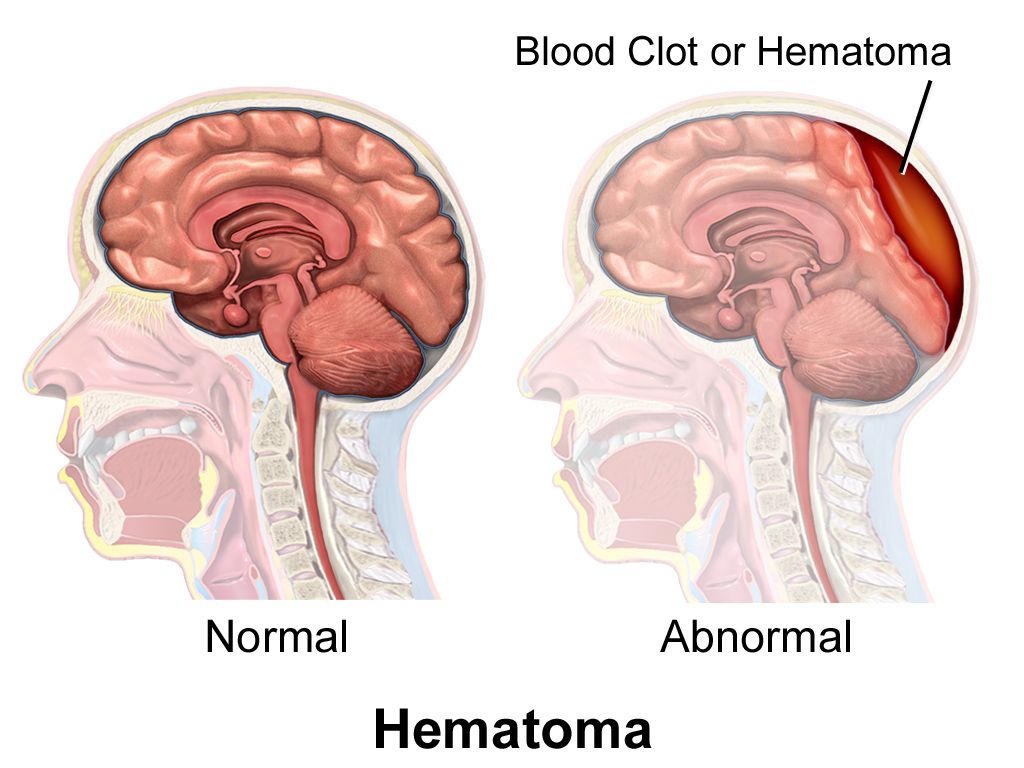
What “neurocognitive disorder” means now
DSM-5-TR retired the word dementia as a diagnostic heading and replaced it with major neurocognitive disorder, partly because “dementia” carried centuries of stigma and partly because the older term implied memory loss when many of these diseases begin somewhere else entirely. The clinical world still says dementia in conversation, in family education, and in the names of advocacy organisations, and you should too when it aids understanding. What changed is the structure of the definition, and the structure is what you assess.
A neurocognitive disorder is a decline from a previously attained level of performance in one or more of six cognitive domains: complex attention (sustained, divided and selective attention, processing speed); executive function (planning, decision-making, working memory, error correction, mental flexibility); learning and memory (immediate, recent and long-term recall); language (naming, word finding, fluency, comprehension); perceptual-motor ability (visual perception, visuoconstruction, praxis, gnosis); and social cognition (recognition of emotion, theory of mind, behavioural regulation). The decline must be documented by concern from the person, a knowledgeable informant or the clinician, and by objective testing where possible.
The line between major and mild is entirely functional. In major neurocognitive disorder the deficits interfere with independence in everyday activities — the person needs help with paying bills, managing medications, or later with bathing and dressing. In mild neurocognitive disorder the deficits are modest and independence is preserved, though it may take greater effort, lists, alarms and compensatory strategies to maintain it. Mild neurocognitive disorder is the DSM label for what neurology calls mild cognitive impairment, and it matters enormously now, because the newest disease-modifying treatments are only indicated at that stage. Neither diagnosis may be made if the disturbance occurs exclusively during a delirium, and neither may be made if another mental disorder — major depressive disorder, schizophrenia — better explains the findings.
Two facts anchor everything that follows. First, dementia is not normal ageing. Normal ageing slows processing speed and makes name retrieval slower; it does not take away the ability to manage a chequebook, cook a familiar meal, or find the way home. Slowness that is compensated is ageing; loss that costs function is disease, and disease is investigated. Second, dementia is not a loss of personhood. The person is present throughout, including in the late stages when language is gone, and the standard of care is Tom Kitwood’s person-centred care: the goal is not to preserve cognition, which you cannot, but to preserve identity, comfort, attachment, occupation and inclusion, which you can.
The three Ds — and why they are confused with each other
Delirium, dementia and depression produce overlapping presentations in older adults, and distinguishing them is one of the most frequently tested and most consequential judgements in nursing. The distinguishing features are not the presence of confusion, which all three can produce, but onset, course, attention and level of consciousness.
Delirium begins over hours to days, fluctuates markedly across the day with lucid intervals, and its cardinal feature is inattention — the person cannot sustain or shift focus, loses the thread mid-sentence, cannot recite the months backwards. Level of consciousness is altered: hyperalert and agitated, or drowsy and difficult to rouse. It is caused by a physiological insult and is potentially reversible when that insult is treated. Dementia begins insidiously over months to years, progresses steadily rather than fluctuating hour to hour, and leaves consciousness clear until the terminal stages; attention is relatively preserved early, and it is memory, word finding or executive planning that fails first depending on the subtype.
Depression in an older adult can produce what was historically called pseudodementia: onset over weeks, a fairly abrupt and datable start, complaints of memory problems that the person raises themselves and describes vividly, effortful “I do not know” answers rather than confabulation, psychomotor slowing, and a mood disturbance that precedes rather than follows the cognitive change. The tell is the person’s own attitude: a person with early Alzheimer disease commonly minimises the problem while the family is alarmed; a person with depression commonly magnifies it while performing better than they claim once engaged. Cognitive symptoms of depression improve when the depression is treated — though a meaningful proportion of these patients go on to develop a neurodegenerative disorder within a few years, so late-life depression with cognitive symptoms earns follow-up, never dismissal.
These are not mutually exclusive categories. They coexist constantly. Delirium superimposed on dementia is one of the most common presentations on a medical ward, and it is the reason the golden rule exists: any acute change in a person with dementia is delirium until proven otherwise. Depression is also common in early dementia, when insight is preserved enough for the person to grieve what is happening to them. Holding all three possibilities at once, rather than picking one and stopping, is what expert assessment looks like.
| Feature | Delirium | Dementia (major NCD) | Depression |
|---|---|---|---|
| Onset | Hours to days, datable | Months to years, insidious | Weeks, often datable to a loss or stressor |
| Course | Fluctuates hourly; worse at night; lucid intervals | Progressive and relatively stable across a day | Diurnal variation, often worse in the morning |
| Attention | Impaired — the cardinal sign | Preserved until late | Poor concentration, but attention can be sustained if engaged |
| Consciousness | Altered — hyperalert or drowsy | Clear until terminal stage | Clear |
| Memory testing | Registration and recent memory fail through inattention | Recent memory fails first; may confabulate | Effortful, “I do not know”; improves with cueing |
| Perception | Illusions and visual hallucinations common | Hallucinations in Lewy body type; later in others | Uncommon unless psychotic features |
| Insight | Absent during episode, may recall it after | Often minimises; family more alarmed | Emphasises the deficit, self-critical |
| Reversibility | Often reversible if cause is treated | Not reversible; contributors are treatable | Highly treatable |
| First nursing action | Find and treat the physiological cause — urgent | Assess function, safety and support; person-centred care | Assess mood and suicide risk directly; treat |
Ageism, stigma and the words we use
Two forms of stigma converge on this population. The first is ageism: the assumption that confusion in an older adult is expected, that nothing can be done, that investigating is not worth the trouble. This assumption kills people. Delirium missed because “she is 88 and gets like this” is a urinary tract infection, a subdural haematoma or a hyponatraemia that went untreated. The second is dementia stigma: the belief that the diagnosis ends the person, which drives social withdrawal, delayed help-seeking, and the extraordinary habit clinicians have of talking over people with dementia as though they were furniture.
Language is the correction. Say a person living with dementia, never “a dementia patient”, “a demented woman”, or the appalling institutional shorthand “a pleasantly confused”. Do not describe someone as a “wanderer”, a “feeder”, or a “sundowner”; those words turn a behaviour into an identity and stop the assessment. Do not chart that a person is “difficult”, “non-compliant” or “combative” during care. Chart what happened, what preceded it, and what it appeared to communicate: “Pulled away and shouted ‘stop’ when the shower was started; had declined the shower twice; settled when offered a bed bath with warm towels and her daughter present.” That sentence is assessable and it teaches the next nurse how to succeed. “Combative with care” teaches nothing and guarantees a repeat.
Say it plainly to families as well, because they will have absorbed the same stigma: this is a disease of an organ, like heart failure. It is not a punishment, not a moral failure, not something the person is doing on purpose, and not something they can try harder to overcome. And on the question the public gets most wrong — people living with mental illness and cognitive impairment are far more likely to be the victims of violence, neglect and financial exploitation than the perpetrators of anything. Elder abuse screening belongs in this chapter for exactly that reason.
Cognitive decline is never normal ageing and never an identity — it is a change in an organ that must be sorted, urgently, into delirium, dementia, depression or a combination, because the first of those three is an emergency.
Section 2Delirium — The Emergency That Looks Like Confusion
What delirium is, and why most of it is missed
Delirium is a disturbance in attention and awareness that develops over a short period, represents an acute change from baseline, fluctuates in severity during the day, is accompanied by at least one additional cognitive disturbance (memory, disorientation, language, visuospatial ability, perception), and is caused by a general medical condition, a substance, a withdrawal state, a toxin, or several of these at once. It is not a psychiatric diagnosis in the ordinary sense. It is brain failure, and it should be treated with the same urgency you would apply to kidney failure appearing overnight.
The numbers justify that urgency. Delirium affects roughly one in five general medical inpatients, up to half of older adults after hip fracture surgery, and the substantial majority of mechanically ventilated intensive care patients. It independently predicts longer stay, functional decline, new nursing-home placement, accelerated long-term cognitive decline, and death — in-hospital mortality figures in the range of a fifth to a third of affected patients are reported across settings. Delirium is not a benign side effect of being sick in hospital; it is a marker and a mediator of harm.
There are three motor subtypes. Hyperactive delirium — restless, agitated, pulling at lines, hallucinating, calling out — accounts for perhaps a quarter of cases and gets attention because it disrupts the ward. Hypoactive delirium — withdrawn, flat, slowed, drowsy, minimally responsive, giving vague answers, sleeping through meals — is the most common form, carries the worse prognosis, and is the one that is routinely missed or charted as “pleasantly confused”, “tired today”, or, disastrously, “depressed”. Mixed delirium alternates between the two. Overall, delirium goes unrecognised in something on the order of two-thirds of cases, and hypoactive delirium is where nearly all of that miss happens. The quiet patient is not the easy patient. The quiet patient is the one to check.
Screening: attention is the test
You cannot diagnose delirium without knowing the person’s baseline, which means you cannot diagnose it without collateral history. Ring the daughter. Ask the group-home staff. Ask the specific question: “Two weeks ago, was he doing his own medications and his own shopping? Was he like this yesterday morning?” A single-question screen validated in practice is the informant question “Do you think he or she has been more confused lately?”, which is far more sensitive than clinician impression alone.
The Confusion Assessment Method (CAM) is the standard bedside instrument. It requires feature 1 (acute onset and fluctuating course) and feature 2 (inattention), plus either feature 3 (disorganised thinking — rambling, illogical, unpredictable switching) or feature 4 (altered level of consciousness — anything other than alert). Note the structure: 1 and 2 and (3 or 4). Inattention is mandatory and is tested, not guessed — recite the months of the year backwards from December, count backwards from 20, or squeeze my hand every time you hear the letter A in the sequence I read. The 4AT is a faster alternative requiring no special training (alertness, the AMT4 orientation items, months backwards, acute change) with a score of 4 or more suggesting delirium. In intensive care, the CAM-ICU is used with the Richmond Agitation-Sedation Scale (RASS) so that non-verbal, ventilated patients can be assessed; a deeply sedated patient is scored as unassessable rather than as normal.
Screen on admission to establish baseline, then at least once per shift in at-risk patients, because a single normal screen at 10:00 does not exclude a delirium that appears at 22:00. Risk factors that should trigger routine screening include age over 65, pre-existing cognitive impairment, sensory impairment, severe illness, fracture, surgery, polypharmacy, alcohol use, dehydration, and a previous episode of delirium. Predisposing risk plus a precipitating insult produces delirium: a robust 40-year-old needs a huge insult, while a frail 88-year-old with dementia may need only a full bladder.
Months backwards is the cheapest test in nursing. It takes twenty seconds, needs no form, and is abnormal in delirium long before orientation questions fail. If a person cannot get from December to July without losing the thread, you have found inattention — and inattention plus an acute change is a delirium workup, not a note that says “oriented to person only.”
Finding the cause — and the drugs that are usually part of it
Delirium is a syndrome, never a diagnosis you stop at. The nursing task is a structured search for causes, and there are usually several operating together. Two mnemonics survive because they work. PINCH ME — Pain, Infection, Nutrition, Constipation, Hydration, Medication, Environment — is the frontline nursing sweep and catches a remarkable share of ward delirium. DELIRIUM — Drugs, Electrolytes and endocrine, Lack of drugs (withdrawal and uncontrolled pain), Infection, Reduced sensory input, Intracranial events, Urinary and faecal retention, Myocardial and pulmonary causes including hypoxia — is the fuller medical differential.
Do not skip the unglamorous items. Urinary retention and faecal impaction cause delirium regularly and are fixed with a bladder scan and a rectal examination. Hypoxia, hypoglycaemia, hyponatraemia, hypercalcaemia, uraemia, hepatic encephalopathy, thyroid disease, and infection anywhere are standard culprits. Sensory deprivation is a genuine cause: the man who cannot hear because his hearing aid batteries died and cannot see because his glasses are in the property bag is being deprived of the data his brain needs to stay oriented. And pain — particularly untreated pain in a person who cannot report it — is one of the most common reversible precipitants on any surgical or orthopaedic unit.
Medications deserve their own paragraph because they are involved in something like a third of cases and are the cause you can most directly influence. The high-risk classes are anticholinergics (diphenhydramine, hydroxyzine, oxybutynin, tricyclic antidepressants, promethazine, scopolamine), benzodiazepines, opioids — especially meperidine, which should not be used in older adults — corticosteroids, sedative hypnotics such as zolpidem, some antibiotics including fluoroquinolones, H2 blockers, and antiparkinsonian agents. Total anticholinergic burden matters more than any single drug: three “mildly” anticholinergic medications together will do what one strong one does. The Beers Criteria list potentially inappropriate medications in older adults and are the reference to reach for. The most reliably useless drug on a delirium chart is diphenhydramine given for sleep — it is a sedating anticholinergic, and it will make tonight worse.
Prevention first, then non-pharmacological management
Roughly a third of hospital delirium is preventable, and the interventions are nursing interventions. The Hospital Elder Life Program (HELP) bundle is the evidence base: daily orientation and therapeutic cognitive activity; early mobilisation and avoidance of physical restraints and unnecessary lines; a non-pharmacological sleep protocol with quiet hours, dimmed lighting, back rub and warm drinks instead of hypnotics; correction of vision and hearing with the person’s own glasses and hearing aids; and attention to hydration and nutrition. Add pain control, bowel and bladder regimens, familiar objects from home, a visible clock and calendar, consistent staff assignment, and daylight during the day with darkness at night to protect the circadian rhythm.
When delirium is established, the treatment is the cause. Everything else is supportive: a calm low-stimulation environment, one person speaking at a time in short simple sentences, gentle reorientation (which is appropriate in delirium, unlike in advanced dementia), family presence, glasses and hearing aids on, mobilise, remove the tether of unnecessary catheters and telemetry leads, and keep the person hydrated and fed. Physical restraint is not a treatment for delirium — it increases agitation, injury, aspiration, deconditioning, delirium duration and death, and it re-enacts trauma for anyone with an assault history.
Medication for delirium is for one narrow indication: severe distress or agitation that poses an imminent danger to the person or others and has not responded to non-pharmacological measures. It does not treat delirium, does not shorten it, and is never indicated for hypoactive delirium. Where it is used, a low-dose antipsychotic such as haloperidol is typical, at the lowest effective dose for the shortest possible time, with QT interval and extrapyramidal monitoring, and with a documented plan to stop. Benzodiazepines worsen delirium and are contraindicated except in three situations: alcohol or benzodiazepine withdrawal, neuroleptic malignant syndrome, and catatonia. In alcohol withdrawal delirium, benzodiazepines are the treatment, guided by a CIWA-Ar protocol, and thiamine is given before any glucose load to avoid precipitating Wernicke encephalopathy.
Delirium is acute brain failure with inattention at its core, it is most often quiet rather than agitated, it is caused by something you can usually find with a bladder scan and a medication list, and the treatment is the cause — not sedation and never restraint.
Section 3Major Neurocognitive Disorder — Subtypes, Staging and Assessment
The subtypes, and why the subtype changes your nursing
Alzheimer disease accounts for roughly 60 to 80 percent of dementia. Its pathology is extracellular amyloid-beta plaques and intraneuronal neurofibrillary tangles of hyperphosphorylated tau, with early degeneration of the hippocampus and of the cholinergic neurons of the basal forebrain — the cholinergic deficit that gives us our only symptomatic drugs. Onset is insidious and the course is gradual and relentless. The earliest changes are recent episodic memory (repeated questions, misplaced items, missed appointments), word-finding difficulty, and apathy or withdrawal. As it progresses the classical triad appears: aphasia (language loss), apraxia (inability to perform learned motor tasks such as dressing despite intact strength) and agnosia (failure to recognise objects and, later, faces). Long-term autobiographical memory and emotional memory persist far longer than recent memory, which is why a woman who cannot tell you the year can sing every word of a hymn and can absolutely tell whether you spoke to her kindly.
Vascular neurocognitive disorder is the second most common and is often described as stepwise: plateaus punctuated by sudden drops corresponding to infarcts, though small-vessel disease produces a smoother decline. Executive dysfunction, slowed processing and gait disturbance appear early, often before prominent memory loss, and there are focal neurological signs. This is the one subtype with a genuine prevention strategy — blood pressure control, atrial fibrillation management, glycaemic control, lipid management, smoking cessation — and health teaching here changes trajectories.
Dementia with Lewy bodies is defined by alpha-synuclein inclusions and by four core features: fluctuating cognition with pronounced variation in attention and alertness (which mimics delirium and is frequently mistaken for it), recurrent well-formed visual hallucinations (often of people or animals, and often not distressing), REM sleep behaviour disorder that may precede cognition changes by years, and parkinsonism. Its single most examinable feature is severe neuroleptic sensitivity: a substantial minority of these patients respond to antipsychotics with severe rigidity, immobility, autonomic instability and a neuroleptic malignant syndrome that can be fatal. First-generation agents such as haloperidol are effectively contraindicated. Cholinesterase inhibitors, by contrast, work unusually well here, including for the hallucinations. In Parkinson disease dementia the same pathology is present; the convention is that motor symptoms precede cognitive symptoms by at least a year.
Frontotemporal neurocognitive disorder has a younger onset, commonly between 45 and 65, and it is the subtype most often misdiagnosed as a primary psychiatric illness. In the behavioural variant, memory is relatively preserved while social cognition collapses: disinhibition, tactless or sexually inappropriate remarks, loss of empathy, apathy mistaken for depression, compulsive rituals, and hyperorality with new sweet cravings or eating non-food items. Families describe a personality change, not a memory problem. The language variants (primary progressive aphasia) erode fluency or word meaning. Nursing here is heavily about structure, environmental modification and family support, and about resisting the urge to interpret a symptom of a degenerating frontal lobe as bad character.
Beyond these four, mixed pathology is the rule in advanced age rather than the exception; Alzheimer and vascular changes routinely coexist. Others you will meet include dementia due to traumatic brain injury, HIV infection, Huntington disease, prion disease, and substance-induced neurocognitive disorder including alcohol-related dementia and Korsakoff syndrome — profound anterograde amnesia with confabulation from thiamine deficiency, the chronic sequel of an untreated Wernicke encephalopathy, and therefore a largely preventable disease.
| Subtype | Signature features | What changes in your nursing |
|---|---|---|
| Alzheimer disease | Insidious, gradual; recent memory first, then aphasia, apraxia, agnosia | Cue long-term and emotional memory; simplify tasks; expect slow steady decline |
| Vascular | Stepwise drops, focal signs, early executive and gait problems | Aggressive vascular risk teaching; falls prevention; expect plateaus |
| Lewy body | Fluctuating attention, visual hallucinations, REM sleep behaviour disorder, parkinsonism | Avoid antipsychotics — severe neuroleptic sensitivity; falls and orthostatic precautions; cholinesterase inhibitors help |
| Frontotemporal | Age 45–65; disinhibition, apathy, loss of empathy, hyperorality; memory spared early | Environmental structure; supervise food and money; educate family that this is disease, not choice |
| Parkinson disease dementia | Motor symptoms precede cognition by a year or more | Timing of levodopa around meals; falls; same neuroleptic caution |
| Korsakoff syndrome | Anterograde amnesia with confabulation after thiamine deficiency | Thiamine before glucose; do not challenge confabulation; supervised structure |
| Normal pressure hydrocephalus | Gait apraxia, urinary incontinence, cognitive slowing | Potentially reversible — escalate for imaging and neurosurgical opinion |
What must never be missed: the reversible contributors
Before anyone is labelled with an irreversible disease, a workup excludes the treatable. Vitamin B12 deficiency, hypothyroidism, neurosyphilis, normal pressure hydrocephalus (the triad remembered as wet, wobbly and wacky — urinary incontinence, gait apraxia and cognitive slowing), chronic subdural haematoma after a fall that may have seemed trivial, obstructive sleep apnoea, severe depression, and above all medications are the classic reversible or partly reversible contributors. Hearing loss deserves particular emphasis: uncorrected hearing loss is one of the largest modifiable risk factors for dementia in the Lancet Commission analysis, and a hearing aid is a cognitive intervention.
The Lancet Commission’s modifiable risk factors are worth teaching to any family who asks what they can do: less education in early life; hearing loss, high LDL cholesterol, depression, traumatic brain injury, physical inactivity, diabetes, smoking, hypertension, obesity and excessive alcohol in midlife; and social isolation, air pollution and visual loss in later life. Together they account for a substantial share of population dementia risk. That is not a promise of prevention for an individual, and you should not offer it as one, but it is a real answer to a frightened adult child asking what they can change.
Assessment: screening tools, function and staging
Cognitive screening tools are screens, not diagnoses. The Mini-Cog is three-word recall plus a clock drawing test, takes about three minutes, and is ideal for busy settings; an abnormal clock — numbers crowded, hands missing, the whole drawing pushed to one side — is a rich executive and visuospatial finding. The MoCA (Montreal Cognitive Assessment) scores out of 30, is substantially more sensitive than the MMSE for mild impairment because it loads executive function and delayed recall, and adds one point if the person had 12 or fewer years of education. The MMSE also scores out of 30 and remains widely used for tracking; the rough convention is 20 to 24 mild, 13 to 19 moderate, and 12 or below severe impairment. Every one of these tools is biased by education, primary language, literacy, sensory impairment and acute illness — do not screen a person in pain, in delirium, without their glasses, or in a language they do not read, and never report a number without that context.
Function matters more than the score. Assess ADLs with the Katz index — bathing, dressing, toileting, transferring, continence, feeding — and IADLs with the Lawton scale — telephone, shopping, food preparation, housekeeping, laundry, transport, medication management and finances. IADLs fail first, and the two that fail earliest, medications and money, are the two with the most dangerous consequences. A person who cannot reconcile a bank statement is a person at risk of financial exploitation; a person who cannot manage a pill organiser is a person at risk of a double dose of warfarin.
Staging is usually described with the Global Deterioration Scale (GDS) of Reisberg, from stage 1 (no deficit) through stage 3 (mild, subtle work and social difficulty), stage 4 (moderate, needs help with complex tasks and finances), stage 5 (moderately severe, needs help choosing clothing, cannot recall major details), stage 6 (severe, needs help with dressing, bathing and toileting, incontinence appears, personality change) to stage 7 (very severe, speech reduced to a handful of words then none, loss of ambulation, loss of ability to sit up and to smile, rigidity). The FAST scale subdivides those late stages and is used for hospice eligibility. Late-stage dementia is a terminal illness: dysphagia and aspiration pneumonia are the common terminal events, and the palliative conversation belongs long before that point.
Name the subtype, because it changes the nursing — Lewy body means avoid antipsychotics, vascular means treat blood pressure, frontotemporal means the personality change is the disease — and always exclude the reversible contributors before anyone accepts a permanent label.
Section 4Behaviour Is Communication — Responsive Behaviours, Milieu and De-escalation
Reframing: from “behaviours” to unmet needs
The older literature calls these behavioural and psychological symptoms of dementia; contemporary practice increasingly says responsive behaviours, and the change in wording carries the whole clinical idea. Agitation, calling out, resistance to personal care, exit-seeking, hoarding, sexual disinhibition and aggression are not random products of a diseased brain. They are responses — to pain, to fear, to a full bladder, to a stranger removing your clothes, to noise, to boredom, to being asked a question you cannot answer in front of your family. The need-driven behaviour model holds that the behaviour is the person’s remaining means of communicating a need once language has failed. Your job is translation.
The DICE approach structures that translation. Describe: get the exact behaviour, from the person who saw it, with its context — who, what, when, where, what happened immediately before and after. Investigate: the person (pain, infection, constipation, retention, hunger, thirst, medication change, sensory deficit, depression, fatigue), the caregiver (approach, tone, rushing, task focus, staff change), and the environment (noise, glare, shadows, overstimulation, understimulation, shift change chaos). Create: a plan with the family and team that addresses what you found, non-pharmacological first. Evaluate: did it work, and is it still needed. The PIECES framework covers the same ground under Physical, Intellectual, Emotional, Capabilities, Environment and Social headings.
Pain deserves the first suspicion every time. Untreated pain is among the commonest drivers of agitation in dementia and the person may be unable to say “my hip hurts”. Use an observational tool such as PAINAD, which scores breathing, negative vocalisation, facial expression, body language and consolability. A scheduled analgesic trial — regular paracetamol rather than as-needed — resolves a striking proportion of “behaviour problems” and is a far better first move than an antipsychotic. Constipation and urinary retention come next, and are checked, not assumed.
Sundowning — late-afternoon and evening escalation — is best understood as a collision of fatigue, circadian disruption, low light with shadows and misperception, hunger, and the noisiest, most understaffed hour on the unit. Manage it before it starts: bright light and activity during the day, an earlier and calmer evening routine, the largest meal at midday, closed blinds and lights on before dusk to eliminate shadows, no caffeine after midday, no naps late in the afternoon, familiar music, and consistent staff at that hour.
The dialogue — what to say and why it lands
The single most useful skill in this chapter is what comes out of your mouth in the first ten seconds. Approach from the front, never from behind or from the side where you appear suddenly. Get to eye level — standing over someone reads as threat. Use the person’s preferred name, introduce yourself every time without testing whether they remember you, keep your hands visible, and speak in short sentences with one idea each. Ask one question at a time and wait — processing may take ten or fifteen seconds, and filling that silence with a second question resets the clock. Offer closed or two-option choices (“the blue sweater or the green one?”) rather than open ones (“what would you like to wear?”). Announce every touch before it happens. Break tasks into single steps and use hand-under-hand guidance so the person retains control of the movement.
Three responses reliably escalate, and students use all three from the best of motives. The first is quizzing: “Do you remember me? What did you have for lunch? Do you know what year it is?” Every question is a test the person will fail, and failure in front of family produces shame and then anger. The second is arguing with the reality: correcting a false belief that is emotionally true. The third is the sentence “calm down”, which tells a frightened person that their feeling is unacceptable and reliably makes it worse.
What replaces them is validation — responding to the emotion rather than to the factual content. Naomi Feil’s validation therapy and the wider practice of emotion-focused responding hold that behind “I have to go home, my mother is waiting” is a feeling of being unsafe and unmoored, and that feeling is entirely real even though the mother died forty years ago. Reorientation is appropriate in delirium and in early dementia where insight remains. In moderate to advanced dementia it is repeatedly cruel: each correction delivers the news of a bereavement for the first time. The middle ground the profession has settled on is this — never lie to gain compliance or for staff convenience, never construct an elaborate false world, but do not force a truth whose only effect is to re-traumatise. Answer the emotion, then redirect to something meaningful.
| Situation | Non-therapeutic — and why it fails | Therapeutic — and why it works |
|---|---|---|
| “I need to go home. My mother is waiting for me.” | “Mrs Doyle, your mother passed away in 1979. This is your home now.” — delivers a fresh bereavement, contradicts a felt reality, produces grief then rage | “You are missing your mother. Tell me about her — what was she like?” then walk together toward the day room. — validates the feeling, gives the longing somewhere to go, redirects with movement |
| Resisting a shower, pulling away, shouting “stop” | “We have to get this done, it will only take a minute.” Continuing while holding the arm. — task focus over person; forced undressing can re-enact assault | Stop. Step back. “I hear you. We will stop. Are you cold, or does something hurt?” Offer a warm bed bath later, same-gender caregiver, towel over the shoulders. — removes the threat, investigates a cause, preserves dignity |
| Asking the same question for the tenth time in an hour | “I have told you three times already.” — shames a person for a symptom; the anxiety driving the repetition increases | Answer as if for the first time, in the same words, then address the worry underneath: “Your daughter comes at four. I will sit with you until then.” A written note by the chair also works. — treats the anxiety, not the memory |
| “There is a man standing in the corner of my room.” | “There is nobody there, look for yourself.” — argues with a perception the person is genuinely having; makes you unsafe to confide in | “I do not see him, but I believe you are seeing him. Does he frighten you? I am going to stay with you and turn this light on.” — neither endorses nor argues; addresses fear and reduces shadows |
| Escalating at the nurses’ station at shift change | “Calm down or you will have to go to your room.” — a threat, a demand, and an audience of three staff | One staff member only, hands visible, arm’s length plus, quieter and slower voice than his: “Something is wrong. Walk with me and tell me.” — removes audience and stimulation, offers control and movement |
| Exit-seeking at the locked door | Blocking the door, taking the arm, “You cannot go out there.” — produces a physical struggle over a physical barrier | Join him. “Where are we heading? I will walk with you.” Walk a lap, then, “It is nearly lunch — will you sit with me?” — goes with the momentum instead of against it |
De-escalation, restraint law, trauma-informed care and delegation
De-escalation always precedes restriction, and the principle is the least restrictive intervention that maintains safety. The sequence: recognise early warning signs (pacing, rising volume, clenched hands, refusing food, scanning the room); reduce stimulation and clear the audience; assign one staff member to speak; keep more than an arm’s length and never corner yourself or the person; keep your voice lower and slower than theirs; name the feeling and offer help; and offer real choices — a walk, a drink, a quiet room, a phone call to a daughter, a PRN analgesic. Offer, do not demand. If a person is escalating and something you tried is not working, change what you are doing rather than repeating it louder.
Restraint and seclusion are last-resort emergency measures for imminent serious harm when less restrictive measures have failed, and they are governed by regulation, not preference. They are never used for punishment, discipline, coercion or staff convenience, never as a substitute for adequate staffing, and never as a standing solution to a care plan nobody has written. An order from a licensed independent practitioner is required, and PRN or standing orders for restraint are prohibited. A face-to-face evaluation within one hour of initiation is required for violent or self-destructive behaviour. Orders are time-limited and renewable — up to 4 hours for adults 18 and over, 2 hours for ages 9 to 17 and 1 hour for children under 9. Monitoring is continuous, with documented attention to circulation, skin integrity, airway, hydration, nutrition, toileting and range of motion. Release occurs at the earliest moment behavioural criteria are met, and both the person and the team are debriefed afterwards. Note also that a side rail raised to stop a person voluntarily leaving the bed is a restraint, whatever it is called on the order set, and that in delirium and dementia physical restraint predictably increases falls, injury, agitation and death.
Trauma-informed care is not optional here, because dementia can strip away the defences that kept old trauma contained, and because the tasks of personal care — undressing, bathing, being held, being moved by strangers, being confined — map with uncomfortable precision onto the mechanics of assault. Assume a trauma history may be present in anyone. Ask the family, in a neutral way, whether there is anything from the person’s past that makes bathing, bedtime, darkness, uniforms or being touched frightening. Then build it into the care plan: announce and explain before every touch, offer a same-gender caregiver, keep the person covered, go slowly, stop when asked and come back, and treat “no” as information rather than an obstacle. A veteran who becomes terrified in a dark room at night is not agitated; he is somewhere else.
Delegation on a unit like this is a constant judgement. Assistive personnel may assist with bathing, dressing, grooming, toileting schedules and transfers; ambulate and mobilise; set up and assist with meals for a patient the nurse has assessed as safe to swallow; obtain vital signs, intake and output and weights; provide orientation cues, familiar music and simple activities; sit with a person on constant observation; and — critically — report changes. What may not be delegated is the nursing process itself: the initial and ongoing assessment, interpretation of a CAM or 4AT screen, the swallowing evaluation, patient and family teaching, evaluation of the response to any intervention, clinical judgement about a change in condition, and the decision to initiate restraint. Teach assistive personnel exactly what to report and how fast: “Tell me immediately if she seems more sleepy or more confused than she was this morning, if she has not passed urine this shift, or if she pushes your hand away during care.” That instruction is often what catches the delirium.
Every responsive behaviour is a communication of an unmet need — usually pain, fear, a full bladder or a rushed approach — so investigate and change the approach first, de-escalate second, and treat restraint as a regulated emergency measure that makes delirium and dementia worse.
Section 5Medications, Emergencies and the Care Partner
Drugs that target cognition — mechanism and monitoring
Cholinesterase inhibitors — donepezil, rivastigmine and galantamine — block acetylcholinesterase so that the acetylcholine still being produced by a shrinking cholinergic system persists longer in the synapse. Benefit is symptomatic and modest: a slowing of decline measured in months, not a cure, and families must be told this plainly so that stopping the drug later is not experienced as abandonment. Donepezil is used at all stages, rivastigmine is available as a patch and is also indicated in Parkinson disease dementia, and cholinesterase inhibitors are particularly useful in Lewy body dementia including for hallucinations.
Their adverse effects are entirely predictable from cholinergic excess: nausea, vomiting, diarrhoea, anorexia and weight loss; increased gastric acid with risk of ulcer and bleeding, especially with NSAIDs; urinary frequency; vivid dreams and insomnia (give donepezil in the morning if dreams disturb sleep); muscle cramps; and the cardiovascular one that matters most — bradycardia, heart block, syncope and consequent falls and fractures. Check an apical pulse before administration; hold and notify the provider if it is under 60. Titrate slowly, weigh regularly, and screen the whole medication list for anticholinergics, because prescribing oxybutynin alongside donepezil is prescribing two drugs to cancel each other out while collecting the side effects of both.
Memantine works differently: it is a moderate-affinity, uncompetitive NMDA receptor antagonist that dampens pathological glutamate signalling and the excitotoxicity it causes, while leaving physiological signalling largely intact. It is indicated in moderate to severe Alzheimer disease, alone or combined with a cholinesterase inhibitor, is generally better tolerated, and has dizziness, headache, constipation and confusion as its main adverse effects. It is renally cleared, so dose reduction is required in significant renal impairment. Titrate up weekly.
The anti-amyloid monoclonal antibodies, lecanemab and donanemab, are the first disease-modifying agents. They are intravenous infusions, indicated only in mild cognitive impairment or mild dementia due to Alzheimer disease with amyloid confirmed by PET or cerebrospinal fluid or an approved blood biomarker — they are not for moderate or severe disease. They slow decline modestly. Their defining safety issue is ARIA, amyloid-related imaging abnormalities: ARIA-E (vasogenic oedema and effusion) and ARIA-H (microhaemorrhage and superficial siderosis). Most ARIA is asymptomatic and detected on scheduled surveillance MRI, but it can present with headache, confusion, dizziness, visual change, nausea, gait difficulty or seizure — and any of those in a person on these agents is an urgent call, not a wait-and-see. Risk is markedly higher in APOE epsilon-4 homozygotes, so genotyping precedes treatment, and anticoagulation raises the stakes of a haemorrhage considerably. Infusion reactions are common with lecanemab. Nursing responsibilities: verify the MRI schedule is being kept, teach the family the ARIA symptom list before the first dose, and hold and escalate rather than infuse through a new neurological symptom.
Medicating behaviour — the boxed warning and what to do instead
There is no drug for the behaviour of dementia in the way students hope there is. Antipsychotics carry a boxed warning of increased mortality when used in older adults with dementia-related psychosis, applying to both first- and second-generation agents, with an increase in death of roughly 1.6 to 1.7 times over a short course, driven by cardiac events, pneumonia and stroke. None of the older agents is approved for that indication. Where a trial is justified — severe distress, psychosis or aggression that is dangerous and has not responded to a documented non-pharmacological plan — the rules are informed discussion with the person where possible and the surrogate decision-maker, a documented target symptom, the lowest effective dose, a defined review date, and an active plan to taper and stop. Deprescribing is a nursing advocacy role: ask at every admission and every care conference why each psychotropic is still there and what it is for. Brexpiprazole now carries an approval for agitation in Alzheimer dementia and still carries the class mortality warning; pimavanserin is approved for Parkinson disease psychosis.
Two absolute cautions. In Lewy body dementia and Parkinson disease dementia, avoid antipsychotics, and avoid first-generation agents such as haloperidol entirely — the neuroleptic sensitivity reaction produces severe rigidity, autonomic collapse and neuroleptic malignant syndrome, and it can kill. And avoid benzodiazepines as a routine calming strategy: they cause falls, oversedation, aspiration, worse confusion, paradoxical disinhibition and dependence, and they lengthen delirium. Their legitimate uses remain alcohol and benzodiazepine withdrawal, neuroleptic malignant syndrome and catatonia. Also avoid diphenhydramine and hydroxyzine for sleep or agitation, zolpidem, and anticholinergic bladder agents where alternatives exist. For depression in dementia, sertraline and citalopram are reasonable, with citalopram limited to 20 mg daily over the age of 60 because of QT prolongation, and paroxetine avoided for its anticholinergic load. Antidepressant benefit takes 2 to 6 weeks, which a family watching for a change within days needs told plainly. Know the extrapyramidal effects by their timing too: acute dystonia within hours to days, drug-induced parkinsonism (tremor, rigidity, bradykinesia, masked face, shuffling gait) over days to weeks and regularly misread in an older adult as Parkinson disease, akathisia at any point, and tardive dyskinesia after months to years.
| Emergency | Recognise it by | Immediate nursing action |
|---|---|---|
| Neuroleptic malignant syndrome | Onset over days on an antipsychotic; lead-pipe rigidity, hyperthermia, autonomic instability, altered mental status, raised creatine kinase, leukocytosis | Stop the antipsychotic; call the provider as an emergency; cool actively; monitor cardiac rhythm and urine output for rhabdomyolysis; anticipate IV fluids, dantrolene, bromocriptine, benzodiazepines |
| Serotonin syndrome | Onset within hours of a serotonergic change; agitation, hyperthermia, diaphoresis, diarrhoea, dilated pupils, hyperreflexia and clonus greater in the legs | Stop all serotonergic agents including tramadol and linezolid; emergency notification; cooling, cardiac monitoring, IV fluids, benzodiazepines, cyproheptadine if ordered |
| Acute dystonia | Hours to days after starting or increasing; torticollis, trismus, oculogyric crisis, laryngospasm | Stay with the person, protect the airway, give anticholinergic rescue — benztropine or diphenhydramine, usually intramuscular — and notify |
| Akathisia | Subjective inner restlessness with pacing and inability to sit — routinely misread as agitation | Do not increase the antipsychotic; report for dose reduction, a switch, or propranolol; ask the person directly whether the restlessness is inside them |
| Tardive dyskinesia | Late-onset involuntary lip smacking, tongue movements, grimacing, trunk and limb movements; may be irreversible | Screen with the AIMS at baseline and regularly; report early; anticipate dose change and a VMAT2 inhibitor such as valbenazine or deutetrabenazine |
Care partners, capacity, safety and escalation
The family member who brings the person to you is also your patient. Dementia care partners have measurably elevated rates of depression, anxiety, sleep deprivation, physical illness and mortality, and the burden is highest in spouses and in the adult daughter who is usually doing most of it. Assess it directly — the Zarit Burden Interview is one tool, but the question “How are you sleeping?” opens the same door. Connect people to respite, adult day programmes, the Alzheimer’s Association 24-hour helpline, caregiver support groups and, where warranted, treatment for the caregiver’s own depression. Teach the specific skills too: routine, simplification, environmental cues, how to answer the same question ten times, and permission to accept help. And screen for elder abuse and neglect — physical, emotional, sexual, financial and neglect — using an unhurried private interview; exhausted, unsupported caregiving is itself a risk factor for harm, and nurses are mandatory reporters in every jurisdiction in which they practise.
Capacity is clinical, situational and fluctuating: the ability to understand relevant information, appreciate how it applies to oneself, reason about options, and communicate a consistent choice for a specific decision at a specific time. Competence is a legal determination made by a court. A person with mild dementia may lack the capacity to manage complex finances while retaining full capacity to decide who visits, what to eat, and whether to accept an antibiotic. Assume capacity, assess it for the decision in front of you, and support it rather than substituting for it: simplify, use the person’s best hour of the day, involve a trusted person, and re-ask. Capacity lost for one decision does not remove the right to be consulted about the rest, and it does not by itself authorise care the person is actively refusing. Suspected abuse, neglect or financial exploitation of an older or dependent adult is a mandatory report. Early diagnosis is the window for advance care planning — a healthcare proxy or durable power of attorney, an advance directive, POLST or MOLST forms, financial and driving discussions — and it should happen while the person can still author their own future.
Safety planning is concrete. Driving must be raised honestly and early, with local reporting requirements followed. Firearm access is asked about directly and secured. Ask about suicide just as directly, because risk is elevated in the year after a dementia diagnosis while insight is still intact, and where it is present secure stockpiled medications along with the firearms and involve the mental health team. Cooking with a gas hob, medication self-administration, scam and financial exploitation vulnerability, wandering and getting lost, hot water temperature and night-time falls all need a plan. Wandering technology, identification jewellery, alarmed doors and a photograph readily available for police are practical measures. Later, the conversation moves to palliative care and hospice: advanced dementia is a terminal illness, comfort-focused care is appropriate, hospitalisation itself carries risk, and pain, dyspnoea and mouth care become the whole of good nursing.
Finally, escalate properly. Use SBAR and lead with the change from baseline, because “more confused” buried in paragraph three does not get a response. Situation: “This is Sam, nurse on 4 West. Mrs Okafor in 412 has an acute change in mental status.” Background: “She is 82, day 2 after a hip fracture repair, baseline lives alone and manages her own medications, no history of dementia. She received oxybutynin and diphenhydramine overnight.” Assessment: “CAM is positive — acute onset, fluctuating, cannot say the months backwards past September, drowsy but rousable. Temperature 38.2 degrees Celsius, heart rate 112, blood pressure 96 over 58, oxygen saturation 91 percent on room air, bladder scan 480 millilitres, no bowel movement in four days, glucose 6.1. Pain score by PAINAD is 6.” Recommendation: “I think this is delirium with possible sepsis and urinary retention. I would like you to see her now. Can I get orders for urinalysis and culture, blood cultures, a full blood count and electrolytes, in-and-out catheterisation, scheduled analgesia, and can we stop the diphenhydramine and oxybutynin?”
Cognitive drugs are modest and demand real monitoring — pulse for cholinesterase inhibitors, MRI for anti-amyloid antibodies — antipsychotics carry a mortality warning and are contraindicated in Lewy body disease, and the care partner, capacity and safety planning are as much a part of the prescription as anything on the medication administration record.
The chapter in one breath
Neurocognitive disorders are diseases of an organ, and the first job is to sort acute from chronic. Delirium is acute brain failure — hours to days, fluctuating, with inattention as its cardinal sign and an altered level of consciousness — caused by something physiological that you can usually find with a bladder scan, a temperature, a glucose, a bowel history and a medication list. It is most often the quiet hypoactive form, it is missed in most cases, and it kills. Screen with CAM, 4AT or CAM-ICU, prevent it with the HELP bundle, treat the cause, and use neither sedation nor restraint as a substitute for that search. Major neurocognitive disorder is a slow loss across six cognitive domains that costs independence; Alzheimer, vascular, Lewy body and frontotemporal subtypes look different and demand different nursing, and reversible contributors must be excluded before anyone accepts a permanent label. Behaviour is communication of unmet need — pain first, always — so investigate with DICE, validate the emotion instead of arguing with the reality, and de-escalate long before any restraint, which is legally constrained and clinically harmful. Medications are modest and dangerous in equal measure. The person is present the whole way through.
Words worth knowing
| Term | What it means |
|---|---|
| Major neurocognitive disorder | Significant decline in one or more of six cognitive domains that interferes with independence in everyday activities; the DSM-5-TR term for dementia. |
| Mild neurocognitive disorder | Modest cognitive decline that does not yet cost independence, though compensation is needed; the stage at which disease-modifying therapy may be indicated. |
| Delirium | Acute, fluctuating disturbance of attention and awareness caused by a physiological insult; a reversible medical emergency, not a psychiatric diagnosis. |
| Hypoactive delirium | The commonest and most often missed motor subtype — withdrawn, drowsy, slowed; carries a worse prognosis than the agitated form. |
| Confusion Assessment Method (CAM) | Bedside screen requiring acute onset with fluctuation and inattention, plus disorganised thinking or altered level of consciousness. |
| Anticholinergic burden | The additive antimuscarinic load of a whole medication list; a leading and modifiable cause of delirium and cognitive decline in older adults. |
| Beers Criteria | Consensus list of medications that are potentially inappropriate in older adults, used to review and deprescribe. |
| Sundowning | Late-afternoon or evening escalation of confusion and agitation driven by fatigue, low light, hunger and environmental chaos; prevented rather than treated. |
| Responsive behaviours | Preferred term for agitation, resistance to care, calling out and exit-seeking — framing them as communication of an unmet need rather than as symptoms to suppress. |
| DICE approach | Describe, Investigate, Create, Evaluate — the structured method for analysing and responding to a responsive behaviour. |
| Validation | Responding to the emotional truth of what a person says rather than correcting its factual content; the alternative to reorientation in moderate to advanced dementia. |
| Neuroleptic sensitivity | Severe, potentially fatal reaction to antipsychotics in Lewy body and Parkinson disease dementia — rigidity, autonomic instability, neuroleptic malignant syndrome. |
| Cholinesterase inhibitor | Donepezil, rivastigmine, galantamine — prolong synaptic acetylcholine; symptomatic benefit; monitor for bradycardia, weight loss and GI effects. |
| Memantine | NMDA receptor antagonist for moderate to severe Alzheimer disease that reduces glutamate excitotoxicity; renally dosed. |
| ARIA | Amyloid-related imaging abnormalities — oedema (ARIA-E) or haemorrhage (ARIA-H) — the defining risk of anti-amyloid antibodies, monitored by serial MRI. |
| PAINAD | Observational pain scale for people who cannot self-report, scoring breathing, vocalisation, facial expression, body language and consolability. |
| Capacity | Clinical, decision-specific and fluctuating ability to understand, appreciate, reason and communicate a choice — distinct from court-determined competence. |
| Korsakoff syndrome | Chronic thiamine-deficiency amnestic disorder with confabulation, following untreated Wernicke encephalopathy; give thiamine before glucose. |
| Global Deterioration Scale | Seven-stage description of dementia progression from no deficit to loss of speech, ambulation and the ability to sit up; the FAST scale details the late stages. |
| Person-centred care | Kitwood’s model in which the goal is preserving identity, comfort, attachment, occupation and inclusion rather than cognition. |
Check yourself
Crisis, Suicide, Aggression and De-escalation
This is the chapter where the whole book gets tested. A person in crisis has run out of the coping strategies that used to work, and the nurse standing in front of them is either a stabilising presence or another thing happening to them. Three situations dominate acute mental health nursing: the person whose usual life has come apart, the person who is thinking about ending their life, and the person whose distress is escalating toward physical aggression. All three are managed with the same underlying moves — slow down, assess before you intervene, use the least restrictive option that keeps everyone safe, and treat the person as a partner rather than a problem. You will learn to ask about suicide in plain words, to build a safety plan that a person can actually use at three in the morning, to read the escalation curve early enough that talking still works, and to know the law that governs restraint and seclusion when talking has not.
By the end of this chapter you can
- Differentiate maturational, situational and adventitious crisis, and describe the phases through which a crisis develops and resolves.
- Apply the principles of crisis intervention and psychological first aid within a trauma-informed care framework.
- Conduct a direct suicide risk assessment, distinguishing ideation, plan, intent, rehearsal and access to means, and differentiate acute from chronic risk.
- Construct a six-step safety plan with a patient, and explain why no-suicide contracts are not evidence-based and are not a substitute for care.
- Perform lethal means counselling and identify ligature risk and other environmental hazards on a behavioural unit.
- Distinguish voluntary from involuntary admission, assess decision-specific capacity, and state the limits of confidentiality including the duty to warn or protect.
- Match each stage of the agitation and aggression cycle to the corresponding de-escalation response, and demonstrate therapeutic versus non-therapeutic dialogue.
- State the legal requirements governing seclusion and restraint, including time-limited orders, the one-hour face-to-face evaluation, continuous monitoring and the prohibition on PRN restraint orders.
- Recognise the emergencies that hide inside agitation — delirium, hypoglycaemia, hypoxia, withdrawal, akathisia, positional asphyxia — and escalate them using SBAR.
- Lead a post-incident debriefing for the patient and for the staff, and delegate appropriately to assistive personnel in the milieu.
Section 1Crisis: when the usual coping runs out
The anatomy of a crisis
A crisis is a state of acute emotional disequilibrium in which a person’s habitual problem-solving methods have failed to resolve a threat. Notice what that definition does not say. It says nothing about the objective severity of the event. Two people can lose the same job on the same day; one reorganises the budget and starts applying for work, and the other stops eating and stops answering the phone. The first person is stressed. The second is in crisis. What separates them is not the stressor but the balance between the perceived threat, the coping repertoire available, and the support the person can reach. Crisis is always a relationship between the event and the person, which is why you must never rank a patient’s distress against your own sense of how bad the situation ought to feel.
Gerald Caplan described crisis as unfolding in phases. In the first phase the person meets the stressor and reaches for familiar coping strategies, and anxiety rises modestly. In the second phase those strategies fail, anxiety climbs, and the person begins trial-and-error attempts. In the third phase, tension is high enough to mobilise emergency resources — novel problem-solving, requests for help, sometimes redefinition of the problem. If the crisis still does not resolve, the fourth phase brings major disorganisation: profound anxiety, impaired concentration, disrupted sleep, and behaviour that others find alarming. Suicidal thinking, substance use and aggression frequently appear here, not because the person is fundamentally different from who they were last month, but because the person has run out of options.
Crises are time-limited. Left alone, the acute disequilibrium usually resolves within four to six weeks, one way or another. That time limit is the entire clinical opportunity. A crisis resolves upward — with new coping skills and a higher baseline of resilience — or downward, into a lower level of functioning, a new psychiatric diagnosis, or death. The intervention you provide in those weeks disproportionately determines which way it goes. This is why crisis work is short, focused and present-tense. You are not doing insight-oriented therapy. You are helping a person get through the next seventy-two hours with their life and their relationships intact.
Three kinds of crisis
Crises are conventionally sorted into three types, and the distinction matters because it changes what you look for. A maturational (developmental) crisis arises at a normative life transition — leaving home, becoming a parent, retiring, the death of the last surviving parent that moves a person into the oldest generation. These events are expected, which is precisely why the person often gets no support for them: everyone assumes it is manageable because everyone goes through it. A situational crisis follows an unanticipated personal event — job loss, divorce, a new diagnosis of cancer, a miscarriage, eviction, the arrest of a family member. An adventitious crisis follows a disaster affecting many people at once: a hurricane, a mass casualty event, a war, a community-wide loss.
These categories overlap and stack. A nursing student in the middle of a maturational transition who then loses housing and is also living through a regional disaster carries three loads at once. When you assess, ask about all three layers rather than settling for the first one the person names. The presenting complaint in an emergency department is frequently the smallest of the person’s problems — it is simply the one with a phone number attached.
Culture shapes what counts as a crisis and what counts as help. Loss of face, immigration status, a religious community’s response to a divorce or a disclosure of sexual orientation, or the shame attached to psychiatric care in a given family can be the central threat while the chart records something else entirely. Ask what the event means to this person, in their family and community, before you assume you understand the size of it.
Crisis intervention and psychological first aid
Crisis intervention is deliberately narrow. Its goal is the restoration of the person’s pre-crisis level of functioning or better, not personality change. The sequence is reliable: establish contact and safety first; help the person put the problem into words and shrink it to its actual boundaries; identify the coping they still have; generate a small number of concrete, doable next steps; and arrange concrete follow-up with a named person and a time. Roberts described a seven-stage model that expands this, but the compressed version — contact, boil the problem down, mobilise coping — is what you will actually use at a bedside.
Psychological first aid is the disaster-context cousin of crisis intervention and follows the same logic: ensure physical safety and basic needs, offer calm and non-intrusive comfort, help the person connect with social supports, provide accurate information, and link to services. Note what psychological first aid deliberately excludes. It does not push people to recount the traumatic event in detail, and single-session mandatory psychological debriefing of trauma survivors has been shown in trials not to prevent post-traumatic stress disorder and may worsen outcomes for some. Presence, practical help and connection are the evidence-based intervention. Forced narration is not.
Directiveness in crisis work is calibrated to functioning. The more disorganised the person, the more structure you provide — short sentences, one instruction at a time, concrete choices. As the person reorganises, you hand decisions back. Handing decisions back is not a courtesy; it is the therapeutic mechanism. A person who leaves a crisis contact having made two of their own decisions has evidence that they are still an agent in their own life, which is exactly what the crisis had called into question.
Trauma-informed care as the default posture
Assume that a trauma history may be present in every person you meet on a behavioural unit, because the base rate is high and the history is often not in the record. Trauma-informed care is not a therapy; it is a way of running a service so that care does not re-injure. The Substance Abuse and Mental Health Services Administration frames it around six principles: safety; trustworthiness and transparency; peer support; collaboration and mutuality; empowerment, voice and choice; and attention to cultural, historical and gender issues.
Translated to the floor, this means telling people what is going to happen before it happens, explaining why a search or a blood draw is being done, offering genuine choices wherever a choice exists, knocking, using the person’s preferred name, and never using power casually. It means recognising that being held down by several people, having clothing removed, being confined to a locked room, or being watched while using a toilet reproduce the conditions of prior abuse with uncanny precision. That recognition is not a reason to never restrain anyone; it is a reason to treat every restraint as a treatment failure worth examining, and to plan around known triggers before they are pulled.
Trauma-informed practice also changes how you interpret behaviour. A person who becomes intensely distressed when a male staff member stands between them and the door is not being unreasonable. A person who freezes and cannot answer a direct question is not refusing to cooperate. Ask “what happened to you?” rather than “what is wrong with you?”, and record what the behaviour communicates rather than a judgement about the person’s character.
| Type of crisis | Trigger | Clinical examples | What the nurse looks for |
|---|---|---|---|
| Maturational | Normative developmental transition | Starting college, first child, retirement, becoming the oldest surviving generation | Isolation, unspoken loss of identity, minimal support because the event is “expected” |
| Situational | Unanticipated personal event | Job loss, divorce, new serious diagnosis, eviction, arrest, miscarriage | Sudden change in functioning, financial and housing threat, shame |
| Adventitious | Disaster affecting a community | Hurricane, mass casualty event, war, pandemic, community homicide | Bereavement plus resource loss; grief in a whole system; anniversary reactions |
Crisis is the gap between what has happened and what the person can currently cope with, it resolves within four to six weeks either upward or downward, and the nurse’s job is short, concrete and present-tense — safety, shrink the problem, mobilise coping, arrange named follow-up.
Section 2Suicide risk: asking the question directly
What the epidemiology actually tells you
Suicide is among the leading causes of death across most of the adult lifespan and the rate has risen in many countries over the past two decades. Some patterns are stable enough to shape practice. Older men, particularly older white men living alone, have the highest rate of death by suicide. Women attempt more often; men die more often, largely because of method lethality. Firearms account for roughly half of suicide deaths in the United States and are the single most lethal common method, with case fatality far above overdose. Rates are markedly elevated among Indigenous populations, veterans, people who identify as lesbian, gay, bisexual, transgender or queer — especially youth in unsupportive environments — people in the first weeks after psychiatric discharge, and people recently released from incarceration.
Language matters here and it is assessed. A person dies by suicide or ends their life. The phrase “committed suicide” carries the residue of an era when suicide was a crime and a sin, and families hear it that way. Similarly, an attempt is never “failed” or “successful”; describe it as a suicide attempt and describe the medical seriousness separately. Avoid “gesture” and “manipulative” entirely — those words tell you nothing about lethality and everything about the writer’s frustration, and they have preceded deaths. A self-injurious act made in front of others still kills people.
One more correction to a persistent myth: asking a person directly about suicide does not plant the idea and does not increase risk. Randomised and observational studies of screening have found no increase in ideation or distress from being asked, and often a reduction. What increases risk is a person who has been thinking about killing themselves for weeks, is asked nothing, and concludes that the subject is unspeakable even here.
Risk factors, protective factors and why prediction fails
Static risk factors are historical and unchangeable: a previous suicide attempt (the single strongest predictor), family history of suicide, history of childhood abuse, chronic medical illness, male sex, and a diagnosis of a mood disorder, psychotic disorder, borderline personality disorder or a substance use disorder. Dynamic risk factors are the ones you can act on today: current ideation with plan and intent, access to lethal means, acute intoxication, agitation, insomnia, hopelessness, recent loss, acute psychosis with command hallucinations, recent discharge, and abrupt social disconnection. Protective factors buffer but never neutralise: reasons for living, responsibility for children or animals, a therapeutic relationship, religious or cultural prohibition, engaged treatment, and restricted access to means.
Now the uncomfortable truth. Meta-analyses covering fifty years of research show that risk factors predict suicide barely better than chance at the level of the individual. There is no score that tells you who will die. Tools such as SAD PERSONS were built for teaching and perform poorly as triage instruments, and using a low score to justify discharge is indefensible. What replaces prediction is formulation: a narrative statement of this person’s risk that combines chronic vulnerability, current acute drivers, protective factors and what is modifiable now — and that names the plan. “Chronic elevated risk from prior attempt and alcohol use disorder; acutely elevated by job loss four days ago and access to a firearm at home; protective factors are custody of two children and willingness to engage; plan is means restriction with his sister tonight, safety plan completed, contact in 24 hours.” That paragraph is defensible care. A number is not.
Two clinical patterns deserve specific mention. A person emerging from severe depression may be at increased risk as psychomotor retardation lifts before mood does, restoring the energy to act. This is why the first weeks of antidepressant treatment are an observation priority rather than a reassurance: antidepressants take roughly two to six weeks for full mood response, energy and volition often return earlier, and regulators require a boxed warning about increased suicidal thinking and behaviour in children, adolescents and young adults under twenty-five during early treatment and after any dose change. Increase contact and check ideation in that window; do not read “he is up and about now” as improvement. And a person who has been agitated and ambivalent for days who suddenly becomes calm and settled has not necessarily improved — sudden serenity can mean a decision has been made. Both patterns should raise, not lower, your level of attention.
How to ask: the words that work
Ask plainly, without preamble that signals your own discomfort, and ask in a sequence that moves from the general to the specific. Normalising the question lowers the barrier: “When people are carrying as much as you are, they sometimes have thoughts of ending their life. Have you had thoughts like that?” Then follow the ladder — passive ideation (“wish you would not wake up”), active ideation, method, plan, intent, preparatory behaviour or rehearsal, and access to means. Ask what has stopped them so far; the answer gives you the protective factors in the person’s own words, which are the ones that will work at two in the morning.
| Non-therapeutic | Why it fails | Therapeutic | Why it works |
|---|---|---|---|
| “You’re not thinking of doing anything silly, are you?” | Signals your discomfort, labels the thought as foolish, and supplies the “no” you want to hear | “Are you having thoughts of killing yourself?” | Unambiguous, unashamed, and permits a truthful answer |
| “But you have so much to live for — think of your kids.” | Adds guilt to hopelessness and tells the person their reasoning is invalid; they stop talking | “You said your kids are part of what keeps you here. Tell me about that.” | Uses the person’s own reason for living and builds it into the safety plan |
| “I need you to promise me you won’t do anything tonight.” | Extracts a promise that protects the nurse, not the patient; a person who cannot promise now says nothing | “Let’s write down exactly what you’ll do tonight if the thoughts get louder.” | Produces an actual plan the person can follow when distressed |
| “Everyone feels like this sometimes. It gets better.” | False reassurance; minimises and closes the conversation | “That sounds unbearable. How long have you been carrying it alone?” | Names the feeling, stays present, and invites more |
| “Why would you want to do that?” | “Why” questions demand justification and provoke defensiveness | “What has been happening that makes dying feel like the way out?” | Seeks the function of the thought without judging it |
| “Do you have a plan?” (and stopping there) | A “no” is falsely reassuring; misses intent, rehearsal and access | “Have you worked out how? Have you taken any steps — bought anything, written anything, practised it? What do you have at home?” | Captures preparatory behaviour and access to means, which change management tonight |
Silence after the question is your friend. Count to five in your head before filling it. If the person discloses, respond to the content and not to your own alarm — thank them for telling you, then keep gathering detail. Visible panic in the nurse teaches the patient that this information is too much for professionals to hold, and the next person they tell will be no one.
Structured screening: the C-SSRS and what it captures
The Columbia Suicide Severity Rating Scale is the most widely implemented structured screen. Its screening version asks about a wish to be dead and non-specific active thoughts, then, if either is positive, about method without intent, intent without a specific plan, and a specific plan with intent, followed by lifetime and past-three-month preparatory or attempt behaviour. The value of the instrument is that it forces the specific questions that clinicians skip under time pressure, and it produces a shared vocabulary across an organisation. The Ask Suicide-Screening Questions tool is a four-item screen validated for use with youth in medical settings, and the Patient Health Questionnaire item nine is a case-finding prompt only — a positive item nine mandates a full assessment, it is not itself an assessment.
A structured screen never replaces the interview. It tells you what to ask next. Run it as a conversation rather than a recitation, and record the patient’s own words in quotation marks; “I keep thinking about my father’s gun in the closet” carries clinical information that a checked box destroys. The Joint Commission’s National Patient Safety Goal on suicide prevention requires screening of all patients being evaluated or treated for behavioural health conditions, an evidence-based assessment when screening is positive, documented risk mitigation, and environmental risk reduction in areas where these patients are cared for.
Finally, screen everywhere, not only in psychiatry. A large proportion of people who die by suicide have contact with a health service in the preceding month, most often primary care or an emergency department, and often for a physical complaint. Chronic pain, new cancer diagnosis, traumatic brain injury, and delirium in an older adult are all contexts in which the question belongs.
Ask directly and specifically — ideation, plan, intent, rehearsal, access to means — because no risk score predicts individual suicide; what protects the patient is a documented clinical formulation with a named, modifiable plan for tonight.
Section 3Safety planning and the safer environment
The safety plan, step by step
The Safety Planning Intervention developed by Stanley and Brown is a brief, collaborative, written plan that has evidence for reducing subsequent suicidal behaviour and improving treatment engagement, particularly when paired with follow-up contact. It has six steps and it is built with the patient, in the patient’s language, in a single sitting of fifteen to forty-five minutes. Step one is warning signs: the specific thoughts, images, moods, situations and behaviours that tell this person a crisis is beginning. Step two is internal coping strategies the person can use alone, without contacting anyone — a shower, a specific playlist, walking the dog, a video game — chosen because they have worked before, not because they sound healthy.
Step three is people and social settings that provide distraction: not confidants, just company — a brother’s house, a coffee shop, a cousin who talks about football. Step four is people the person can ask for help directly, with names and numbers written down. Step five is professionals and agencies, including the clinic number, the on-call service, the crisis line (988 in the United States) and the nearest emergency department. Step six — and this is the step with the strongest independent evidence — is making the environment safe by restricting access to lethal means.
Two implementation details separate a real safety plan from a form in a chart. First, test each step out loud: “It is eleven at night and the thoughts are getting louder. What is step two? Say it back to me.” If the person cannot retrieve it, the step is wrong. Second, decide where the plan physically lives — a photograph on the phone, a card in the wallet, a copy on the refrigerator, a copy with a family member with the patient’s consent. A plan the person cannot reach at the moment of crisis is a plan that does not exist.
Why no-suicide contracts are not care
A “no-suicide contract” or “contract for safety” asks the patient to promise, verbally or in writing, not to harm themselves. There is no evidence that it reduces suicide or suicide attempts, and there is reason to think it causes harm. It shifts responsibility for safety onto the person who is least able to carry it. It provides false reassurance to the team, and documented contracts have appeared in the records of people who died the same week. It also filters the population who will talk to you: a person who is genuinely unsure whether they can stay safe simply declines to disclose rather than break a promise. Legally, the contract confers no protection and can be evidence that the assessment stopped where it should have continued.
The replacement is the safety plan, and the difference is structural. A contract asks for a promise about a feeling the person cannot control. A plan lists behaviours the person can perform. A contract ends the conversation. A plan generates specifics — which cousin, which number, which drawer the pills are in, who is holding the firearm this week. If your institution still uses contract language, the professionally defensible move is to document a collaborative safety plan and the means restriction discussion regardless of what the form is called.
Lethal means counselling
Suicidal crises are often brief and highly ambivalent. Studies of survivors of near-lethal attempts find that many describe minutes rather than hours between decision and act, and the large majority of people who survive an attempt do not go on to die by suicide. Because the crisis is time-limited and the ambivalence is real, putting time and distance between a person and a highly lethal method changes outcomes. This is not a theoretical claim; it is supported by natural experiments in which the removal of a specific method — barriers on bridges, restriction of the most toxic pesticides, changes in analgesic pack sizes, detoxification of domestic gas — produced sustained falls in overall suicide deaths without full substitution to other methods.
How to have the conversation: be matter-of-fact, do not moralise, and frame it as temporary and collaborative. “While things are this hard, I want to make it harder for a bad ten minutes to become permanent. Who could hold your firearms for a while?” Options include off-site storage with a trusted person, a licensed dealer or a law enforcement agency where permitted, locking devices with the key held by someone else, and separating ammunition from firearms. For medications, dispense smaller quantities, use blister packs, and have a family member store and dispense. Remove sharps and cords named by the patient, secure alcohol, and address vehicle access if that is the plan. Document the specific agreement, who is holding what, and when it will be reviewed.
Involve family with the patient’s consent where possible, but note that most jurisdictions permit disclosure without consent when there is a serious and imminent risk of harm. You can always receive information from a family member without breaching confidentiality, and telling a family member what to remove from the house is a permissible disclosure in an emergency in most legal frameworks. Know your own state or national rule before you need it, not while you are standing in the corridor.
Three legal ideas govern what happens next when a person at high risk does not want to stay. The first is admission status. A voluntary patient consents to admission and retains the right to request discharge, usually in writing and subject to a short statutory period in which the team may evaluate and, if criteria are met, convert the status. An involuntary admission (an emergency hold or civil commitment, named differently in every jurisdiction) requires that the person have a mental disorder and meet a statutory threshold — typically danger to self, danger to others, or grave disability — and it is authorised by a designated professional for a limited number of hours or days before a hearing. Say “involuntary admission” or “placed on a hold,” not “we committed him”; the older phrasing is both imprecise and freighted. Involuntary admission also does not by itself remove the right to refuse a specific treatment, and it never removes the rights to be informed, to be treated with dignity, to communicate with counsel, or to the least restrictive environment that will keep the person safe.
The second is capacity, which is decision-specific and fluctuating, not a global label. A person has capacity for a given decision if they can understand the relevant information, retain it, weigh it against their own values, and communicate a choice. Refusing what you recommend is not evidence of incapacity, and a psychiatric diagnosis is not evidence of incapacity; intoxication, delirium, severe depressive hopelessness or florid psychosis may be. Assess capacity for the specific decision in front of you, document the four elements, and reassess — a person who lacks capacity at two in the morning may have it back by noon.
The third is the limit of confidentiality. Patient information is protected, and the exceptions are narrow and named: a serious and imminent risk of harm to the patient, a credible threat to an identifiable third party, suspected abuse or neglect of a child or vulnerable adult, and a valid court order. The Tarasoff line of cases established a clinician duty to warn or, more broadly, a duty to protect an identifiable potential victim, which in practice may be discharged by warning the person, notifying police, arranging admission, or intensifying treatment — the statute in your jurisdiction defines what is required and permitted. Tell patients the limits at the start of the relationship rather than invoking them as a surprise, and disclose the minimum necessary to the people who need it.
Observation levels, ligature risk and the transitions
Inpatient safety rests on the environment, the observation level and the transitions between settings. Ligature risk is the environmental hazard that matters most on an inpatient behavioural unit, because hanging and strangulation are the leading inpatient method. A ligature point is anything to which a cord can be attached; the standard is a ligature-resistant environment in areas where patients at risk are cared for without continuous observation — breakaway rails and hooks, sloped tops, tamper-resistant fixtures, no exposed pipes or cords, weighted or fixed furniture, and no free plastic bags. Belts, shoelaces, drawstrings, phone charging cables, headphone cords and lanyards are the everyday items that cause deaths. Environmental rounds are everyone’s job, including yours on every shift.
Observation levels typically run from routine checks, through fifteen-minute checks, to continuous line-of-sight observation, to one-to-one arm’s-length observation including in the bathroom. Two rules: checks must be at irregular intervals within the specified window so that they cannot be timed and worked around, and the observer must actually see chest rise and skin, not a shape under a blanket. Documentation of a check that did not happen is falsification of a medical record, and this is one of the most common findings in inpatient suicide investigations.
The highest-risk periods are transitions: the first days of admission, any change in observation level, pass or leave from the unit, the days around discharge, and above all the first week and first month after discharge, when the suicide rate is many times the rate in the general population. Discharge planning is therefore a clinical intervention, not paperwork. A follow-up appointment within seven days, a caring contact by phone or message in the first days, the safety plan in the patient’s pocket, the means restriction confirmed with the person who is holding, and a warm handover to the receiving clinician are the elements that reduce post-discharge deaths.
| Element | No-suicide contract | Safety plan |
|---|---|---|
| What is asked of the patient | Promise not to act on a feeling | Perform a specific list of behaviours |
| Who carries responsibility | The patient, alone | Shared; the team owns follow-up and means restriction |
| Evidence base | None for reducing suicide; potential harm | Reduces subsequent suicidal behaviour, improves engagement |
| Effect on disclosure | Suppresses it — the honest patient cannot sign | Increases it — produces names, numbers and locations |
| Legal standing | Confers no protection | Documents collaborative, evidence-based risk mitigation |
Build a six-step safety plan in the patient’s own words, always complete step six by restricting access to lethal means, never substitute a no-suicide contract, and treat the first week after discharge as the most dangerous period in the episode of care.
Section 4Aggression: the escalation curve and the matched response
Reading the curve
Aggression is almost never sudden. It follows a curve with recognisable stages, and the entire skill of de-escalation is intervening at the earliest stage you can detect. At baseline the person is settled and interventions are relational: know their triggers, know their preferred calming strategies, build rapport when nothing is happening. In the triggering phase something happens — a denied pass, a phone call, a room change, a delayed medication, a misunderstood instruction — and anxiety rises: pacing, tapping, louder speech, repeated requests. The response is supportive and practical: approach, ask, listen, solve the solvable problem. Most escalations end here if anyone notices.
In the escalation phase the person becomes defensive: challenging, arguing, refusing, blaming, invading space, swearing. Rational argument now fails because the person’s capacity to process complex language is falling. This is the phase for limit-setting delivered as choice, reduced stimulation, and a shift to short sentences. In the crisis phase there is loss of control — throwing, striking, self-injury, or flight. Talking has a much lower yield here and the task becomes protection of the person, other patients and staff with the least restrictive effective intervention. The recovery phase brings gradual settling with residual arousal, where re-escalation is easy and demands should be minimal. Finally, post-crisis depletion brings exhaustion, remorse and often shame — the moment for repair, not for a lecture.
Structured tools help teams see the curve earlier than intuition does. The Brøset Violence Checklist scores six observable items — confusion, irritability, boisterousness, verbal threats, physical threats and attacking objects — and predicts violence within the next twenty-four hours well enough to be useful for shift-level planning. The Dynamic Appraisal of Situational Aggression is a similar structured shift-based tool. Use them as prompts to act, not as scores to record.
One correction that belongs in every chapter on this subject: people with mental illness are far more likely to be the victims of violence than the perpetrators of it. The great majority of violence in society is not attributable to psychiatric illness, and the risk attributable to mental illness alone is small, rising mainly with untreated acute psychosis combined with substance use. Say this to students, to families and to journalists, and do not let unit culture teach otherwise.
| Stage | What you see | Matched nursing response |
|---|---|---|
| Baseline | Settled, engaged, participating | Build rapport; learn triggers and preferred calming strategies; write them in the care plan |
| Triggering / anxiety | Pacing, tapping, louder or faster speech, repeated requests, withdrawal | Approach early, ask what is happening, listen, solve the practical problem, offer a quiet space or PRN |
| Escalation / defensiveness | Arguing, refusing, blaming, swearing, invading space, clenched posture | Short sentences, one topic, reduce stimulation, set clear limits with two acceptable choices, call for a second staff member early |
| Crisis / acting out | Throwing, striking, self-injury, absconding | Protect people first; team response with a single spokesperson; least restrictive effective intervention; clear the area |
| Recovery | Settling, still aroused, tearful or silent | Minimal demands, low stimulation, offer fluids and a blanket, one person present, no processing yet |
| Post-crisis depletion | Exhaustion, remorse, shame, sleep | Repair the relationship, debrief when ready, update the care plan with what triggered it and what helped |
Verbal de-escalation in practice
Verbal de-escalation is a teachable, structured skill, best summarised by the Project BETA consensus domains. Respect personal space — stay at least two arm’s lengths away, stand at an angle rather than squared up, and make sure both you and the patient have an unobstructed path to the door with neither of you blocked in. Do not be provocative: hands visible and open, relaxed posture, no pointing, no crossed arms, no staring, no laughing or side conversations with colleagues. Establish verbal contact: one person speaks. A single spokesperson is not a stylistic preference; multiple voices are experienced as a crowd and they escalate.
Be concise. Short sentences, simple words, repeat as needed. Identify the person’s wants and feelings, then say them out loud — the free information the person gives you (“nobody tells me anything in here”) names the intervention. Listen closely to what the person is saying and reflect it back. Agree where you truthfully can, agree in principle where you cannot agree in fact, or agree to disagree. Set clear, respectful limits, framed as information about consequences rather than threats. Offer choices and optimism, because a person who has choices is not cornered. And debrief afterward, with the patient and with the staff.
The physical environment does half the work. Reduce noise, turn off the television, dim overhead lights if you can, move onlookers away, and remove objects that can be thrown. Time is an intervention: sitting down when the patient sits, and being willing to spend twenty minutes talking, is dramatically cheaper than a restraint episode in every currency — injury, trauma, staff time and legal exposure. Offer food, water, a phone call, a cigarette substitute such as nicotine replacement, a blanket, or a quiet room, because unmet basic needs drive a large share of unit conflict.
Dialogue: what lands and what detonates
Scenario: a man on an inpatient unit has just been told his weekend pass is cancelled. He is standing close to the nursing station, voice raised, fists clenched, and other patients are watching.
| Non-therapeutic | Why it detonates | Therapeutic | Why it lands |
|---|---|---|---|
| “Sir, you need to calm down right now.” | A command about an emotion, delivered as an order; it invalidates and issues a challenge in front of an audience | “You have every right to be angry about this. Tell me what you were told.” | Validates the emotion, gives back control of the narrative, and buys time |
| “If you don’t sit down we’ll have to put you in seclusion.” | Threat with an ultimatum and no route out; the person must now either comply publicly or fight | “I want to sort this out with you. We can talk here, or in the quiet room where it is not so loud. Which works?” | Two acceptable choices preserve dignity and shift the person from opposition to decision |
| “That’s the policy, there’s nothing I can do.” | Closes the conversation and confirms the belief that no one will help | “I cannot change the pass tonight. What I can do is get Dr. Iyer’s reasoning and phone your sister with you now.” | Honest limit plus a concrete offer; agrees in principle where it cannot agree in fact |
| Three staff walk over and stand in a semicircle around him | Reads as being surrounded; triggers fight-or-flight and blocks his exit | One nurse steps forward at two arm’s lengths, at an angle; others stay visible but back, exit clear for both | Single spokesperson, no crowding, no blocked door — the classic de-escalation geometry |
| “You’re being manipulative to get out of here.” | A character judgement stated as a finding; humiliating, unprovable, and it will appear in court | “Missing your daughter’s birthday matters to you. Let’s see what is possible.” | Describes the behaviour and what it communicates rather than labelling the person |
| “Why are you acting like this?” | Demands justification while the person’s language processing is impaired | “What do you need right now?” | Short, concrete, answerable, and it surfaces the want you can act on |
Milieu, delegation and the team
The therapeutic milieu is an active intervention: predictable structure, posted schedules, groups that actually run, staff visible in the day area rather than behind glass, and consistent limits applied by everyone. Most unit violence is preceded by conflict about rules, waiting, denied requests, or a patient feeling ignored — all of which are milieu problems. Community meetings, clear communication about what is happening and when, and honouring small commitments (“I will come back at three” — then come back at three) prevent more aggression than any technique.
Delegation on a behavioural unit follows the same rule as everywhere: you may delegate tasks, never the nursing process. Trained assistive personnel may perform one-to-one and interval observations and document them, conduct environmental safety rounds and searches of belongings under RN direction, take vital signs, escort patients, assist with hygiene and meals, run structured recreational activities, provide reorientation and, when trained and competent, participate in a restraint hold. They must report to the RN promptly and repeat patient statements verbatim — “he said he wants to go be with his brother who died” is far more useful than “he seemed down.”
What assistive personnel may not do: perform or interpret a suicide risk assessment or mental status examination, decide or change an observation level, initiate or discontinue restraint or seclusion on their own judgement, administer medication, perform the required one-hour face-to-face evaluation, conduct patient teaching, or evaluate a response to an intervention. If an unlicensed staff member tells you a patient “is fine now” and asks to reduce observation, the assessment is yours to perform. Note also the practical staffing rule: the person conducting a one-to-one observation is not available for anything else, and quietly reassigning them is how inpatient deaths happen.
Aggression escalates through predictable stages and each stage has a matched response; intervene at anxiety and defensiveness with early approach, one spokesperson, short sentences, safe geometry and real choices, because interventions that work early are useless once control is lost.
Section 5Restraint, seclusion and what happens afterwards
The least restrictive rule and the law
Every patient has the right to be free from restraint and seclusion imposed as coercion, discipline, convenience or retaliation. Restraint is any manual method, physical or mechanical device, material or equipment that immobilises or reduces the ability of a patient to move their arms, legs, body or head freely, or a drug used to control behaviour or restrict freedom of movement that is not a standard treatment or dosage for the patient’s condition. Seclusion is the involuntary confinement of a patient alone in a room or area from which they are physically prevented from leaving. A voluntary time-out that the patient can end is neither.
Restraint and seclusion may be used only when less restrictive interventions have been determined to be ineffective to protect the patient or others from harm, must be discontinued at the earliest possible moment regardless of the time remaining on the order, and require an order from a physician or other licensed practitioner permitted by state law and hospital policy. PRN or standing orders for restraint are prohibited — every episode requires its own order. If restraint is applied in an emergency before an order exists, the order must be obtained during the intervention or immediately after.
Under the United States Centers for Medicare and Medicaid Services conditions of participation, restraint or seclusion used for violent or self-destructive behaviour carries order time limits of up to four hours for adults aged eighteen and older, two hours for children and adolescents aged nine through seventeen, and one hour for children under nine. Orders may be renewed within these limits for up to twenty-four hours total, after which the practitioner must see and assess the patient in person before any new order. A physician, other licensed practitioner or a trained registered nurse must conduct a face-to-face evaluation within one hour of initiation, assessing the patient’s immediate situation, reaction to the intervention, medical and behavioural condition, and the need to continue or terminate. When a trained RN performs it, the attending practitioner must be consulted as soon as possible afterwards. Simultaneous restraint and seclusion is permitted only with continuous in-person monitoring by trained staff, or in-person monitoring for the first hour followed by continuous audio and video monitoring in close proximity.
Documentation must show the behaviour that necessitated the intervention, the less restrictive alternatives attempted and why they failed, the order, the type of restraint, the one-hour evaluation, monitoring at the required intervals, the patient’s response, care provided, criteria for release, and the time of release. Deaths associated with restraint or seclusion must be reported to CMS within the required timeframes. State mental health law, the Joint Commission standards, and your hospital policy may all be stricter than the federal floor — follow the strictest applicable rule.
Monitoring the restrained patient
A restrained patient is a physiologically unstable patient in a forced position, frequently after a struggle, often having received sedating medication. Assessment includes at minimum signs of injury from the application, respiratory and circulatory status, skin integrity and colour, distal pulses, capillary refill and sensation in restrained limbs, correct application and tension of devices, range of motion, vital signs, level of consciousness, hydration, nutrition, toileting, and readiness for release. Typical practice is continuous observation with documented assessment at fifteen-minute intervals, limb release and range of motion at least every two hours, and offering fluids and toileting on a regular schedule.
Prone restraint is the single most dangerous position because of positional asphyxia, and it is prohibited or heavily restricted in most modern policies. Weight applied to the back, chest or neck, obesity, intoxication, agitated delirium and recent physical exertion all compound the risk. If any hold must be used, the supine position with the head free and no weight on the torso is safer, and the hold should last only long enough to apply a device or administer medication. Never place anything over the face. Sudden quiet during a hold is a respiratory emergency until proven otherwise, not compliance.
Restraint is contraindicated or requires exceptional caution in a patient with a suspected medical cause for agitation. Before you assume a behavioural cause, check the glucose, oxygen saturation, temperature and vital signs, and consider delirium, head injury, hypoxia, hypoglycaemia, infection, postictal state, alcohol or benzodiazepine withdrawal, anticholinergic toxicity and thyroid storm. An older adult who is newly agitated at night is delirious until proven otherwise, and restraining a delirious patient worsens the delirium, increases falls and prolongs hospitalisation. Look also for akathisia — the inner restlessness caused by antipsychotics — which is routinely mistaken for worsening agitation and then treated with more antipsychotic, making it worse. Akathisia is treated by reducing the offending agent and adding a beta blocker such as propranolol or a benzodiazepine.
Chemical restraint and emergency medication
The word “chemical restraint” is regulatory, not pharmacological: it means a medication used to control behaviour or restrict movement that is not a standard treatment for the patient’s condition. Giving a scheduled antipsychotic to a person with schizophrenia is treatment. Giving a sedative to a person because the unit is short-staffed is restraint, and it carries every requirement described above. Offering oral medication first, and offering it as a genuine choice, is both more respectful and more effective than most people expect — many agitated patients accept oral medication when it is offered rather than announced.
Commonly used agents include a second-generation antipsychotic such as olanzapine, risperidone or ziprasidone; a benzodiazepine such as lorazepam, which is preferred when the agitation is due to alcohol or sedative withdrawal or to stimulant intoxication; and haloperidol, often combined with lorazepam. Key monitoring: check for over-sedation and respiratory depression, particularly with a benzodiazepine in an intoxicated patient or an older adult; monitor the QT interval with haloperidol, droperidol and ziprasidone; and do not give intramuscular olanzapine within one hour of a parenteral benzodiazepine because of reported deaths from cardiorespiratory depression. Watch for the extrapyramidal side effects of antipsychotics: acute dystonia in the first hours to days, treated urgently with an anticholinergic such as benztropine or diphenhydramine and a genuine airway emergency if the larynx is involved; akathisia within days; drug-induced parkinsonism over weeks; and tardive dyskinesia, the late-onset involuntary orofacial and limb movements that may be irreversible and are screened for with the Abnormal Involuntary Movement Scale rather than found in an emergency. In a delirious older adult the rule runs the other way from the usual instinct: benzodiazepines generally worsen delirium and are reserved for the case where alcohol or sedative withdrawal is the cause, so a low-dose antipsychotic is preferred otherwise. Remember too that benzodiazepines can cause paradoxical disinhibition — more agitation, not less — particularly in older adults, children and people with cognitive impairment or a brain injury, and that giving more of the same drug when that happens compounds it. Any patient given repeated antipsychotic doses needs monitoring for neuroleptic malignant syndrome — hyperthermia, lead-pipe rigidity, autonomic instability, reduced consciousness and a rising creatine kinase, developing over one to three days — which is distinguished from serotonin syndrome, where the picture is hyperreflexia, clonus (worst in the lower limbs), tremor, dilated pupils, diarrhoea and an onset within hours of a serotonergic drug or dose increase. Both are hyperthermic emergencies; neuroleptic malignant syndrome means stopping the antipsychotic and supporting the patient (with dantrolene or bromocriptine in severe cases), while serotonin syndrome means stopping the serotonergic agent, with cyproheptadine as the specific antidote. Rigidity plus slow onset points to neuroleptic malignant syndrome; clonus plus fast onset points to serotonin syndrome.
| Red flag | What it may mean | Immediate nursing action |
|---|---|---|
| Patient becomes suddenly quiet or limp during a hold | Positional asphyxia, airway obstruction, cardiac arrest | Release immediately, turn supine or lateral, open airway, check pulse, call the emergency team |
| Temperature 39 degrees Celsius, rigidity, confusion after antipsychotic doses | Neuroleptic malignant syndrome | Hold the antipsychotic, cool, monitor, obtain creatine kinase, escalate urgently |
| New agitation at night in an older adult, fluctuating attention | Delirium from infection, hypoxia, medication or retention | Check glucose, oxygen saturation, temperature, bladder; treat the cause; avoid restraint |
| Cannot sit still, pacing, “I feel like jumping out of my skin” after a dose | Akathisia, not escalating aggression | Do not give more antipsychotic; report to the prescriber for propranolol or a benzodiazepine |
| Restrained limb cool, dusky, absent distal pulse or numbness | Device too tight, neurovascular compromise | Release and reapply correctly, assess circulation, document, notify the prescriber |
| Tremor, tachycardia, sweating, hallucinations 24 to 72 hours after last drink | Alcohol withdrawal progressing toward delirium tremens | Benzodiazepine per protocol, thiamine before glucose, seizure precautions, urgent escalation |
An SBAR escalation for the fourth row of that table sounds like this. Situation: “Dr. Okafor, this is Priya, RN on Unit 4. Mr. Delgado in room 12 has severe restlessness and I think this is akathisia, not agitation.” Background: “He is a 34-year-old man admitted three days ago with a first episode of psychosis, started on haloperidol 5 milligrams twice daily, dose increased yesterday.” Assessment: “He is pacing continuously, cannot sit for more than thirty seconds, says his legs feel like they are crawling, and he is asking for help rather than being threatening. Vital signs stable, temperature 36.9, no rigidity, glucose 96.” Recommendation: “I am requesting you review him now for akathisia, and I would like an order for propranolol or lorazepam and consideration of reducing the haloperidol. He should not receive another antipsychotic dose until you have seen him.”
Debriefing: the patient and the staff
Debriefing after a restraint, seclusion or serious aggressive incident is a standard expectation, and it happens twice. The patient debrief takes place once the person is settled and able to engage — usually hours later, not during post-crisis depletion. Its purpose is to repair the therapeutic relationship, hear the patient’s account, identify what triggered the escalation and what would have helped earlier, and update the care plan and any advance preferences accordingly. Ask directly: what set this off, what did we do that made it worse, what has worked for you before, what should we do next time. Acknowledge the experience honestly. “Being held down is frightening and I am sorry it came to that” is not an admission of liability; it is trauma-informed practice.
The staff debrief is a separate meeting, ideally within twenty-four hours and involving everyone present, including assistive personnel and any student. It reviews the timeline, whether the earliest warning signs were noticed and acted upon, whether the least restrictive options were genuinely tried, whether roles and the single-spokesperson rule held, whether monitoring and documentation met standard, and what the unit will change. It is also where staff distress is acknowledged. Nurses are assaulted at high rates and often normalise it; injuries and near-misses must be reported through the formal system, not absorbed. Note the distinction drawn earlier: an operational review of a clinical incident is appropriate and useful, whereas mandatory single-session emotional debriefing of trauma survivors is not supported by evidence — offer support and follow-up rather than compelling anyone to narrate their feelings.
Finally, the wider concept of postvention: the coordinated response after a suicide death. When a patient dies, the surviving patients, the family and the staff all need a planned response — accurate information, avoidance of sensational detail or method description, identification of others at elevated risk through exposure, access to support, and a review that is conducted to learn rather than to blame. Clinicians who lose a patient to suicide experience grief, self-doubt and sometimes post-traumatic symptoms, and a culture that treats that as weakness loses good nurses. Plan the postvention response before you need it.
Restraint and seclusion are last-resort emergency measures with strict legal limits — no PRN orders, time-limited orders, a one-hour face-to-face evaluation, continuous monitoring and release at the earliest safe moment — and every episode ends with a debrief of both the patient and the staff that changes the care plan.
The chapter in one breath
A crisis is the gap between what has happened and what a person can currently cope with; it is time-limited, it resolves upward or downward within weeks, and short, concrete, present-tense intervention decides which. Assume a trauma history is present and run the unit so that care does not re-injure. When suicide is the question, ask it in plain words and follow the ladder from passive ideation to plan, intent, rehearsal and access to means, because no score predicts an individual death — only a documented formulation with a modifiable plan for tonight protects the patient. Build a six-step safety plan in the patient’s own language, always complete step six by restricting lethal means, never accept a no-suicide contract as care, and treat the first week after discharge as the most dangerous stretch of the whole episode. Aggression climbs a predictable curve, so intervene at anxiety and defensiveness with early approach, one spokesperson, short sentences, safe geometry and genuine choices. When talking has failed, restraint and seclusion are emergency measures bound by law — no PRN orders, time-limited orders, a one-hour face-to-face evaluation, continuous monitoring, release at the earliest safe moment — and every episode ends in a debrief of the patient and the staff that changes what happens next time.
Words worth knowing
| Term | What it means |
|---|---|
| Crisis | Acute emotional disequilibrium in which a person’s habitual coping has failed; time-limited, usually four to six weeks |
| Maturational crisis | Crisis precipitated by a normative developmental transition such as parenthood or retirement |
| Situational crisis | Crisis precipitated by an unanticipated personal event such as job loss, divorce or a new diagnosis |
| Adventitious crisis | Crisis arising from a disaster affecting a whole community, such as a hurricane or mass casualty event |
| Psychological first aid | Evidence-informed disaster response emphasising safety, calm, connection and practical help, without forcing narration of the event |
| Trauma-informed care | Service design assuming a trauma history may be present; safety, trustworthiness, peer support, collaboration, voice and choice, cultural attention |
| Suicidal ideation | Thoughts of ending one’s life, passive (wishing to be dead) or active (thinking of killing oneself) |
| Intent | The degree to which a person means to die from an act, distinct from having a plan or a method |
| Preparatory behaviour | Steps taken toward an attempt — acquiring means, writing a note, rehearsing — a major escalation in risk |
| Lethality | The medical dangerousness of a chosen method; higher-lethality methods leave less opportunity for rescue |
| Lethal means counselling | Collaborative, non-judgemental work to put time and distance between a person and highly lethal methods |
| C-SSRS | Columbia Suicide Severity Rating Scale; structured screen covering ideation severity, intensity and past behaviour |
| Safety plan | Six-step written plan — warning signs, internal coping, social distraction, people to ask, professionals, environmental safety |
| No-suicide contract | A promise not to self-harm; not evidence-based, shifts responsibility to the patient, confers no legal protection |
| Ligature point | Any fixture to which a cord can be attached; the leading environmental hazard on inpatient behavioural units |
| De-escalation | Structured verbal and environmental technique to reduce agitation without physical intervention |
| Seclusion | Involuntary confinement alone in a room the patient is physically prevented from leaving |
| Chemical restraint | Medication used to control behaviour or restrict movement that is not standard treatment for the patient’s condition |
| Positional asphyxia | Death from impaired breathing during a hold, especially prone position or weight on the torso |
| Postvention | Planned organisational response after a suicide death, supporting patients, family and staff and reviewing to learn |
Check yourself
Across the Lifespan and Into the Community
Everything in the first thirteen chapters was, in a sense, a rehearsal for this one. The mental status exam, the therapeutic response, the drug that needs a lithium level, the de-escalation that prevents a restraint — none of it belongs to a locked unit. It belongs to a seven-year-old who is being called “defiant” when he is terrified, to a new mother who has not slept in four days and is beginning to believe something is wrong with her baby, to an eighty-one-year-old widower whose “dementia” is a treatable depression, and to a young man with schizophrenia who is doing well precisely because a community nurse shows up every four weeks with an injection and a cup of coffee. This chapter takes the whole toolkit and moves it across the lifespan and out through the hospital doors — where most mental health nursing actually happens, and where the transitions are the most dangerous part of the whole journey.
By the end of this chapter you can
- Distinguish developmentally expected behaviour from clinical concern in children and adolescents, and obtain assent alongside guardian consent.
- Monitor the psychotropic classes used in young people — stimulants, SSRIs and second-generation antipsychotics — including the activation syndrome and the suicidality boxed warning.
- Screen for perinatal mood and anxiety disorders, and recognise postpartum psychosis as a psychiatric emergency requiring immediate escalation by SBAR.
- Weigh medication risk in pregnancy and lactation by mechanism, including lithium, valproate, SSRIs and clozapine.
- Differentiate delirium, dementia and late-life depression (pseudodementia), and reduce anticholinergic burden using Beers-type reasoning.
- Detect the emergencies that hide in older adults — serotonin syndrome, neuroleptic malignant syndrome, lithium toxicity, hyponatremia and tardive dyskinesia.
- Apply the recovery model, safety planning and caring contacts to the high-risk post-discharge window, and describe assertive community treatment and long-acting injectable care.
- Use milieu therapy and correct delegation to assistive personnel, keeping de-escalation ahead of the least restrictive intervention.
- Practise trauma-informed care and person-first language in every setting, and protect yourself against vicarious trauma.
Section 1Children and Adolescents
Development is the baseline you measure against
Half of all lifetime mental illness begins by age fourteen, and three quarters by the mid-twenties. That single fact reorganises the priorities of paediatric nursing: the child in front of you is not too young to have a psychiatric illness, and the years between first symptom and first treatment average close to a decade. Every one of those years is a year of missed school, damaged friendships and family conflict that gets misread as personality.
But the assessment question is never simply “is this behaviour abnormal?” It is “is this behaviour expected for this developmental stage, and is it causing impairment?” A four-year-old with tantrums, a seven-year-old with separation worry on the first day of school, a thirteen-year-old who slams a door, and a sixteen-year-old who prefers friends to family are all doing exactly what their developmental stage predicts. The clinical signals are intensity, duration, pervasiveness and impairment: the tantrums last forty-five minutes and involve injury; the separation worry means the child has not attended school in three weeks; the door-slamming comes with cutting; the sixteen-year-old has stopped seeing friends altogether and sleeps fourteen hours a day.
Children also express distress somatically and behaviourally rather than verbally. Depression in a nine-year-old often looks like irritability, stomach aches and school refusal, not sadness. Anxiety looks like clinginess, reassurance-seeking or a headache before every test. Trauma looks like regression — bedwetting in a previously dry child, loss of speech, new fearfulness — or like the “hyperactivity” of a nervous system that will not stand down. Before anyone calls a child oppositional, the nurse asks what the behaviour is communicating and what has happened to this child.
The disorders that arrive early
Neurodevelopmental conditions declare themselves first. Attention-deficit/hyperactivity disorder requires symptoms present before age twelve, in two or more settings, causing impairment — which is why the school report matters as much as the parent report. Autism spectrum disorder involves persistent differences in social communication plus restricted, repetitive patterns, present from early development; sensory sensitivity is common and is a nursing issue every time you take a blood pressure. Intellectual and specific learning disorders shape how you teach, not whether you teach.
Anxiety disorders are the most common paediatric psychiatric conditions and the most treatable. Depressive disorders climb sharply after puberty, particularly in girls, while the rate of death by suicide rises in adolescent boys. Disruptive behaviour disorders — oppositional defiant disorder, conduct disorder — carry the most stigmatising labels in the manual and demand the most careful language: these children are frequently living with trauma, learning problems, or a home where aggression was modelled. Early psychosis usually emerges in the late teens and early twenties, and coordinated specialty care programmes started within the first year of symptoms measurably change the trajectory — making the adolescent nurse a genuine agent of secondary prevention.
Non-suicidal self-injury deserves its own paragraph because it is so often mishandled. Cutting, burning and scratching in adolescents most often function as affect regulation — a way to make unbearable internal states externally visible and momentarily quieter. It is not “attention-seeking,” a phrase that should never appear in a nursing note. It also is not, by itself, a suicide attempt — and yet it raises future suicide risk substantially, so it is always assessed, never dismissed. Ask about intent directly and separately: “When you cut, are you hoping to feel better, or hoping to die? Sometimes it is both.” Ask it in those plain words, at this age as at any other, and follow it with plan, means, timing and intent.
Talking with children and teenagers
Two rules make paediatric mental health interviews work. First, see the adolescent alone for part of every visit — and say so at the start, to everyone, so it is not a secret: “My routine is to spend a few minutes with parents, then a few minutes with Maya on her own. That is how I do it with everyone.” Second, explain confidentiality and its limits before you ask anything risky, so that a disclosure never gets ambushed by a betrayal.
| Instead of this | Try this | Why it lands differently |
|---|---|---|
| “You have so much to live for.” | “That sounds like a lot to carry alone. How long have you been feeling this way?” | The first argues with the feeling and ends the conversation; the second accepts it and asks for more. |
| “Why did you cut yourself?” | “What was happening right before? What did it do for you?” | “Why” asks a teenager to justify themselves; the function question gets you the actual target for intervention. |
| “Everything you tell me stays between us.” | “Most of what you say stays with me. If you are in danger, or someone is hurting you, I have to bring in help — and I will tell you first.” | A promise you cannot keep destroys the relationship the moment you keep the law instead. |
| “Are you being good for your mom?” | “What is the hardest part of your day right now?” | The first recruits the child into the parent’s complaint; the second gets the child’s own account. |
| “He is just doing this for attention.” | “He escalates when transitions are unannounced; he settles with a five-minute warning.” | The first is a judgement; the second is an observation the whole team can act on. |
Consent belongs to the guardian in most jurisdictions, but assent belongs to the child — their developmentally appropriate agreement to what is about to happen. Explain the blood draw, the admission, the medication. A child who is told is a child who can cooperate; a child who is surprised is a child who is restrained. Many jurisdictions also allow minors to consent independently to certain care — substance use treatment, sexual health, sometimes outpatient mental health — and you must know your own state’s rules rather than guessing.
Medication in young people: mechanism and monitoring
Stimulants (methylphenidate, amphetamine salts) increase synaptic dopamine and norepinephrine in prefrontal circuits and remain the most effective ADHD treatment. Monitor height, weight and appetite at every visit (growth suppression is real and usually modest), blood pressure and heart rate, and sleep. Screen for cardiac history before starting. Ask about diversion — adolescents are sometimes pressured to share or sell tablets — and about misuse, without treating the child as a suspect. Non-stimulants (atomoxetine, a norepinephrine reuptake inhibitor; guanfacine and clonidine, alpha-2 agonists that need blood pressure and sedation monitoring) are alternatives.
SSRIs carry a boxed warning for increased suicidal thoughts and behaviours in children, adolescents and young adults up to age twenty-four. The warning does not mean do not treat — untreated adolescent depression is far more lethal — it means monitor closely, with contact in the first weeks and explicit family teaching about what to watch for. The related phenomenon, activation syndrome, is a jittery, agitated, insomniac, sometimes disinhibited state early in treatment or after a dose increase; it is a reason to call the prescriber, not to wait it out. Teach the timeline explicitly: antidepressants take about two to six weeks for full mood response (sleep and appetite often improve first), so nobody should judge the drug at day four or stop it at day ten. That lag is also the danger: energy, initiative and psychomotor activity can return before mood and hopelessness lift, which is exactly the window in which a previously immobilised adolescent may act. Supervision is tightest in those first weeks, not loosest.
Second-generation antipsychotics in children produce more weight gain, more dyslipidaemia and more prolactin elevation than in adults. Baseline and serial BMI percentile, waist circumference, fasting glucose or HbA1c and lipids are not optional. Watch for extrapyramidal symptoms, which children may not report in words — above all acute dystonia, where laryngeal spasm is an airway emergency, and akathisia, an intolerable inner restlessness that in this age group is repeatedly misread as agitation or “worsening ADHD,” so that the wrong response is more antipsychotic.
In children and adolescents, measure behaviour against development rather than against adult norms, ask what the behaviour communicates before you label it, and monitor early psychotropic treatment for activation and metabolic effects rather than assuming a quiet child is a well child.
Section 2The Perinatal Period and the Adult Years
Screen everyone, and ask the hard question out loud
Perinatal mood and anxiety disorders affect roughly one in five childbearing people, and suicide and overdose together are among the leading causes of death in the year after birth. Screening is therefore universal, not risk-based: at least once in pregnancy and again postpartum, using a validated instrument such as the Edinburgh Postnatal Depression Scale. The EPDS is short, validated in this population, and deliberately avoids somatic items — because fatigue and disturbed sleep are the job description of a new parent and would otherwise inflate every score.
A screen is not a diagnosis and it is not an intervention. A positive screen obligates a clinical interview. Item 10 of the EPDS asks about self-harm; any positive answer — even “hardly ever” — requires direct suicide risk assessment that same visit. And you must ask the second question that people are terrified to volunteer: “A lot of new parents have frightening thoughts about the baby being harmed. Have you had thoughts like that?”
The answer separates two very different things. Intrusive, ego-dystonic thoughts — unwanted, horrifying images of harm that the parent finds repugnant and responds to by avoiding the baby, checking, or never being alone with them — are extremely common in perinatal anxiety and OCD. They are distressing but not, in themselves, predictive of harm; naming them as an anxiety symptom is often the single most relieving thing a nurse does all week. Ego-syntonic thoughts embedded in psychosis — the belief that the baby is possessed, is not really theirs, or must be saved from something — are an emergency. The difference is whether the person is frightened of the thought or convinced by it.
Three postpartum pictures that must never be confused
| Feature | Postpartum blues | Perinatal depression / anxiety | Postpartum psychosis |
|---|---|---|---|
| Frequency | Up to 80% | About 10–20% | 1–2 per 1000 births |
| Onset | Day 2–5, resolves by day 14 | Any point in pregnancy to 12 months | Usually first 2 weeks; can be within 48–72 hours |
| Picture | Tearfulness, lability, still functioning and bonding | Persistent low mood or dread, guilt, anhedonia, intrusive thoughts, impaired function | Waxing and waning confusion, delusions (often about the infant), hallucinations, insomnia without fatigue, disorganisation |
| Underlying link | Hormonal shift, sleep loss | History of mood or anxiety disorder, trauma, lack of support, obstetric complications | Strongly associated with bipolar disorder; high recurrence in future births |
| Response | Support, sleep protection, re-screen | Therapy, medication, close follow-up, safety plan | Psychiatric emergency — never leave alone with the infant, immediate evaluation, usually admission |
Postpartum psychosis is the one perinatal condition where hesitation is dangerous. The presentation fluctuates, so a lucid twenty minutes reassures everybody wrongly. Rates of infanticide and of maternal suicide in untreated postpartum psychosis are the reason this is treated like a stroke: recognised, escalated, and never managed by observation from a distance.
Medication across pregnancy and lactation, by mechanism
The wrong question is “is this drug safe in pregnancy?” The right question is “what is the risk of this drug versus the risk of this untreated illness in this pregnancy?” Untreated severe depression and untreated bipolar disorder carry real obstetric and neonatal risk, and abrupt discontinuation of a mood stabiliser at the positive pregnancy test is one of the most reliable ways to produce a relapse.
| Agent | Mechanism / issue | What the nurse monitors and teaches |
|---|---|---|
| SSRIs (sertraline commonly preferred) | Serotonin reuptake inhibition; late-pregnancy exposure can cause a self-limited neonatal adaptation syndrome (jitteriness, feeding difficulty) | Prepare parents for transient neonatal symptoms; sertraline has low transfer into breast milk; do not stop abruptly |
| Lithium | Small increase in cardiac malformation (Ebstein anomaly) with first-trimester exposure; renal clearance rises through pregnancy then falls abruptly at delivery | Levels more frequently, especially third trimester and immediately postpartum; hydration in labour; hold per protocol at delivery; neonatal tone and feeding; infant monitoring if breastfeeding |
| Valproate | Neural tube defects and dose-dependent neurodevelopmental harm — the clearest teratogen in psychiatry | Avoided in anyone who could become pregnant unless no alternative, with documented counselling and reliable contraception; folate supplementation |
| Benzodiazepines | GABA-A potentiation; near-term use can cause neonatal sedation and floppy infant syndrome | Lowest effective dose, shortest course; observe newborn tone, temperature and feeding |
| Clozapine | Agranulocytosis risk transfers — the infant can become neutropenic | Breastfeeding is contraindicated; infant ANC monitoring if exposed; ongoing maternal ANC schedule unchanged |
| Neuroactive steroids (brexanolone, zuranolone) | Positive allosteric modulation at GABA-A; rapid onset for postpartum depression | Excessive sedation and sudden loss of consciousness — supervision of infant care, no driving for the specified window, adherence to monitoring requirements |
Adulthood: the years nobody screens
Between the perinatal period and old age lies the stretch of life where mental illness is most likely to be carried silently. Adults present to primary care with insomnia, back pain, palpitations and fatigue; the mood disorder underneath is found only if someone asks. Men in particular present with irritability, anger, overwork and alcohol rather than sadness, are less likely to seek care, and die by suicide at markedly higher rates than women despite making fewer attempts — because the methods chosen are more lethal. A nurse who asks a tired forty-five-year-old man directly about hopelessness, alcohol and access to firearms is doing high-yield preventive work.
This is also where illness collides with roles: employment, parenting, caregiving, immigration status, housing. Documenting that a patient “lacks motivation” when they are working two jobs and cannot attend a 10 a.m. appointment is a clinical error dressed as a personality assessment. Ask what the barrier actually is.
Screen every pregnancy and postpartum period with a validated tool, ask directly about frightening thoughts, and treat postpartum psychosis as an emergency — while weighing every psychotropic decision as drug risk versus untreated-illness risk rather than as a search for a “safe” drug.
Section 3Older Adults
Depression is not a normal part of ageing
The most damaging myth in geriatric mental health is that low mood is understandable at eighty and therefore untreatable. Late-life depression is common, disabling, and highly responsive to treatment — but it looks different. Instead of reporting sadness, older adults report somatic complaints, anhedonia, loss of appetite, poor sleep, and a subjective sense that their thinking has slowed. Add social loss, sensory impairment, chronic pain and reduced mobility, and depression can be mistaken for “just getting old.”
The Geriatric Depression Scale is designed for exactly this population, using yes/no items and avoiding somatic questions that medical illness contaminates. Cognitive testing during a depressive episode may show genuine deficits — the picture historically called pseudodementia. The distinguishing features are a relatively abrupt onset, a patient who complains loudly about their memory (rather than minimising it), “I do not know” answers rather than confabulated ones, and improvement when the depression is treated. It matters because it is reversible — and it matters again because depression with cognitive impairment predicts later dementia, so these patients need follow-up rather than discharge.
Suicide risk in later life is the highest of any age group, particularly in men over seventy-five. The pattern differs from adolescence: fewer attempts, far higher lethality, less warning, frequent recent contact with a primary care provider, and common precipitants of bereavement, new functional dependence, pain and a recent terminal diagnosis. Means safety counselling — firearms in particular, plus stockpiled medication — belongs in the conversation with the patient and, with permission, the family.
Delirium, dementia, depression
| Feature | Delirium | Dementia | Late-life depression |
|---|---|---|---|
| Onset | Hours to days | Months to years | Weeks to months |
| Course | Fluctuates, worse at night | Slow, progressive | Persistent, diurnal variation |
| Attention | Markedly impaired — the cardinal sign | Preserved until late | Reduced effort, improves with cueing |
| Consciousness | Clouded, may be hypoactive and quiet | Clear | Clear |
| Memory report | Cannot register | Minimises or confabulates | Complains bitterly of memory |
| Nursing priority | Find and fix the cause — infection, drug, retention, hypoxia, pain, withdrawal | Structure, safety, caregiver support | Treat the depression, then re-test cognition |
Hypoactive delirium is missed far more often than the agitated kind, because a withdrawn, drowsy, compliant older adult creates no work. Screen with a structured tool, treat the cause, and reserve antipsychotics for severe distress or danger, at the lowest dose and shortest duration — remembering the boxed warning of increased mortality when antipsychotics are used for dementia-related psychosis. Non-pharmacological measures come first: orientation cues, hearing aids and glasses in place, daylight, sleep protection, mobility, hydration, familiar faces.
Polypharmacy and the emergencies that hide
Older adults have less renal clearance, less hepatic first-pass metabolism, more body fat and less total body water, more receptor sensitivity and more drugs. Anticholinergic burden — the cumulative effect of diphenhydramine, oxybutynin, tricyclics, some antipsychotics and many over-the-counter sleep aids — produces confusion, constipation, urinary retention, dry mouth, falls and blurred vision, and is a leading reversible cause of “dementia.” Beers-type criteria advise avoiding benzodiazepines, strongly anticholinergic agents, and routine antipsychotics in dementia. Benzodiazepines earn that place: in older adults they add falls, hip fractures, delirium and paradoxical disinhibition, and because physiological dependence builds within weeks they are tapered rather than stopped abruptly. They are a short-course bridge, not a maintenance anxiety treatment.
| Emergency | How it appears in an older adult | Escalate for |
|---|---|---|
| Serotonin syndrome | Agitation, diaphoresis, diarrhoea, tremor, clonus and hyperreflexia — lower limbs first, hyperthermia; often after adding tramadol, linezolid, a triptan or an SSRI dose increase | Any clonus or rigidity with fever — stop every serotonergic agent, cooling, benzodiazepines for rigidity and agitation, cyproheptadine if severe, urgent transfer |
| Neuroleptic malignant syndrome | Days-long onset of “lead-pipe” rigidity, hyporeflexia, hyperthermia, autonomic instability, altered mentation, raised creatine kinase | Fever plus rigidity in anyone on an antipsychotic — stop the antipsychotic, ICU-level support, cooling and fluids for rhabdomyolysis, dantrolene or bromocriptine per orders |
| Lithium toxicity | Coarse tremor, ataxia, slurred speech, vomiting, diarrhoea, confusion — triggered by dehydration, low sodium intake, a new thiazide, ACE inhibitor or NSAID, or acute kidney injury. Therapeutic level is 0.6–1.2 mEq/L; toxicity generally appears above about 1.5 mEq/L and is severe above 2.0 | Any of these signs — hold the dose, level now, renal function and electrolytes, hydration, prescriber. Do not wait for the number to act |
| SSRI-associated hyponatremia (SIADH) | New confusion, headache, unsteadiness, falls, seizures within weeks of starting | Sodium level — a classic cause of “sudden dementia” in the frail |
| Tardive dyskinesia | Involuntary lip-smacking, tongue movements, grimacing; older women and long exposure are the risk factors; metoclopramide is a frequent unrecognised cause | AIMS assessment and prescriber review — it may be irreversible, so it is caught early or not at all |
Mistreatment, grief and the family in the room
Elder mistreatment includes physical, emotional, sexual and financial abuse plus neglect and self-neglect, and nurses are mandatory reporters in every state. Suspicious findings include injuries inconsistent with the explanation, pressure injuries and dehydration in a person with a caregiver, missed appointments, sudden changes to finances or a will, and a caregiver who answers every question for the patient and will not leave the room. Interview the older adult alone — routinely, so it does not look like an accusation.
Finally, distinguish grief from depression without pathologising sorrow. Grief comes in waves, preserves self-worth, and permits moments of pleasure and connection; depression is flatter, more continuous, and carries worthlessness and often passive death wishes. Prolonged grief that remains disabling after a year is a recognised, treatable disorder — and saying so relieves people who believe they are failing at mourning.
In older adults, treat any acute mental status change as delirium until proven otherwise, hunt for the reversible drug cause before adding another drug, and never accept depression, suicidal thinking or cognitive decline as an ordinary part of ageing.
Section 4Into the Community: Recovery, Transitions and Teams
The recovery model and what it changes at the bedside
Recovery in mental health does not mean the absence of symptoms. It means a self-directed life of meaning, purpose and connection, which many people build while still experiencing symptoms. The elements are usually summarised as connectedness, hope, identity, meaning and empowerment — and each of them is something a nurse either supports or quietly undermines in the way a shift is run.
Practically, the recovery model changes who sets the goal. A traditional plan reads “patient will comply with medication regimen.” A recovery-oriented plan reads “Mr. D wants to return to his welding job by spring; he identifies morning sedation as the main obstacle, so we will review timing with the prescriber.” The second plan is more likely to be followed because it belongs to him. It also changes the vocabulary: nobody is “non-compliant.” People stop medication for reasons — sedation, sexual side effects, weight gain, cost, transport, feeling well, feeling watched, akathisia. Every one of those is fixable, and none of them is fixable if the note says “refuses meds.”
Say the epidemiology plainly to students, families and journalists: people with serious mental illness are far more likely to be the victims of violence than its perpetrators, and mental illness accounts for only a small fraction of societal violence. The strongest predictors of violence in any population are substance use, prior violence and current threats — not diagnosis. Correcting this in ordinary conversation is part of the job.
Levels of care and the transition that kills
| Level of care | What it provides | Typically appropriate when |
|---|---|---|
| Inpatient / acute | 24-hour containment, rapid stabilisation, involuntary options | Imminent risk to self or others, or inability to care for self |
| Partial hospitalisation (PHP) | Most of the day, most weekdays; medical oversight; sleeps at home | Step-down from admission, or step-up to prevent one |
| Intensive outpatient (IOP) | Several hours, several days a week; group-based | Needs structure but can work or attend school |
| Assertive community treatment (ACT) | Small caseload, multidisciplinary team goes to the client, 24/7 availability, time-unlimited | Serious mental illness with repeated admissions, homelessness or criminal-legal contact |
| Outpatient clinic / primary care integration | Scheduled therapy and prescribing; collaborative care with a behavioural health manager | Stable illness; most depression and anxiety care nationally |
| Peer-run services, clubhouse, supported employment and housing | Role, income, community, lived-experience support | Always, alongside anything above |
Movement between those levels is where the danger lives, and one fact organises the whole of it: the period immediately after psychiatric discharge is the highest-risk window in the entire illness course, with suicide risk sharply elevated in the first week and remaining elevated for months. The person leaves a structured environment, resumes every stressor that preceded admission, and often has no appointment for three weeks. Discharge planning is therefore an intervention, not paperwork.
The evidence-based components are simple and nurses drive most of them: a follow-up appointment within seven days, booked before the patient leaves and written on something they can carry; a collaboratively written safety plan in the patient’s own words — warning signs, internal coping strategies, people and places that distract, people to call, professionals to call, and means restriction; lethal-means counselling with the family; a medication supply and a plan for how it will be refilled and paid for; and caring contacts — brief, non-demanding follow-up messages or calls that repeatedly show reduced suicide risk simply by demonstrating that someone remembered.
Community tools: injections, teams and adherence
Long-acting injectable antipsychotics are one of the strongest levers in community psychiatry. By removing the daily decision, they reduce relapse and rehospitalisation, and they convert a silent gradual lapse into a visible missed appointment that the team can respond to. Nursing responsibilities are concrete: confirm oral tolerability of the same molecule before the first injection; know that some formulations require specific needle lengths and gluteal or deltoid sites; rotate sites and document them; teach that side effects cannot be “stopped” once injected, so early reporting matters; and observe for the required period where the product demands it, as with olanzapine pamoate and post-injection delirium/sedation syndrome.
Clozapine is the only agent with proven benefit in treatment-resistant schizophrenia and in reducing suicidality, and it is largely a nursing-managed drug in the community. Absolute neutrophil count monitoring follows a fixed schedule — weekly for the first six months, then every two weeks for six months, then monthly — and no dispensing occurs without a current ANC. An ANC below 1000/microlitre requires interruption and prescriber direction; below 500/microlitre is severe neutropenia and the drug is stopped. Any fever, sore throat or flu-like illness is checked with an ANC the same day rather than treated as a cold. Beyond agranulocytosis, watch for myocarditis in the first weeks (chest pain, tachycardia, fever, breathlessness — escalate for troponin and CRP), severe constipation progressing to ileus (a genuine cause of death, so bowel habits are asked about at every contact), sialorrhoea, orthostatic hypotension during titration, seizures at higher doses, and the fact that stopping smoking raises clozapine levels sharply.
ACT teams, peer support specialists, supported employment, Housing First programmes and clubhouses exist because symptoms are only part of the problem. Housing First — providing stable housing without requiring sobriety or treatment adherence first — consistently outperforms staircase models on housing retention. Meanwhile, decades of hospital closure without proportionate community funding have made jails and emergency departments the default settings for psychiatric crisis; crisis lines, mobile crisis teams and crisis stabilisation units exist to divert people from that pathway, and nurses staff all three.
Trauma-informed care, at home and on screen
Trauma-informed care assumes that a trauma history may be present in anyone and organises care to avoid re-creating powerlessness. Its principles — safety, trustworthiness and transparency, peer support, collaboration, empowerment and voice, and attention to culture, history and gender — are not a programme; they are how you knock on a door, whether you sit between someone and the exit, whether you announce a touch before it happens, and whether you explain what you are writing.
In telehealth this becomes deliberate work. Confirm the patient’s physical location and a working call-back number at the start of every session, because you cannot send help to a screen. Ask who else is in the room and whether they can speak freely — a question that matters enormously when intimate partner violence is possible. Notice the things a video call hides: gait, tremor, smell of alcohol, an empty refrigerator. And keep the same courtesies you would use in person, including asking permission before bringing anyone else into the frame.
Recovery-oriented community care sets goals the person actually holds, and the highest-value nursing act in the whole system is a real transition plan — a follow-up within a week, a safety plan in the patient’s own words, means restriction, and contact that proves someone remembered.
Section 5The Milieu, the Team and the Nurse Who Lasts
The milieu is an intervention, and delegation has limits
Milieu therapy means the deliberate use of the environment as treatment: predictable structure, clear and consistently applied expectations, meaningful activity, safety, and a group culture in which people practise being with others. Most of what makes a unit calm is unglamorous — the schedule posted where patients can read it, meals on time, sleep protected, the community meeting held every single morning even when the unit is short-staffed, staff who model the regulation they are asking for.
Assistive personnel are central to the milieu and are frequently the staff who spend the most minutes with patients. That makes correct delegation a safety issue in both directions: over-delegating hands clinical judgement to someone without the licence for it, and under-delegating wastes the observations of the person who knows the patient’s baseline best.
| Task on a behavioural unit | Delegate to trained assistive personnel? | Reasoning |
|---|---|---|
| Continuous one-to-one observation of a patient at suicide risk | Yes, with training, a clear briefing and RN supervision | Observation is a monitoring task; the RN retains the risk assessment and sets the observation level |
| Deciding to raise or lower observation level | No | Requires nursing judgement based on reassessment |
| Vital signs, weights, intake and output, escorting to activities | Yes | Standard, predictable, no judgement required |
| Contraband search of belongings | Yes, per policy and with a second staff member | Procedural, but findings are reported to and interpreted by the RN |
| Performing the mental status exam or suicide risk screen | No | Assessment cannot be delegated |
| Reporting that a patient gave away belongings or has not eaten in two days | Yes — and actively expected | Observation and reporting is exactly what you want from them |
| Initiating restraint or accepting a restraint order | No | Requires licensed assessment, an order, and documented failure of less restrictive measures |
| Patient teaching about medication or coping skills | No | Teaching and evaluation are licensed functions; reinforcement of already-taught material is acceptable |
De-escalation stays ahead of restraint — in every setting
The principle does not change when you move from an inpatient unit to a school, a nursing home or a living room: the least restrictive intervention that maintains safety, always, and restraint only when everything less has failed and the danger is immediate. Most escalation is preceded by minutes of visible warning — pacing, pressured speech, clenched hands, scanning, refusal of food, a rising voice — which is the window in which the work is actually done.
| Instead of this | Try this | Why it lands differently |
|---|---|---|
| “You need to calm down right now.” | “I can see this is huge. Tell me what happened.” | The first is a command from an authority figure, which raises arousal; the second gives the person something to do with the energy. |
| “There is nothing I can do about that.” | “I cannot change the discharge date. I can get you a phone call and I can get the doctor here at two. Which first?” | Offering two real choices restores a fragment of control, which is usually what is being fought for. |
| Standing close, arms crossed, blocking the door | Standing at an angle, two arm-lengths back, hands visible, exit available to both of you | Space lowers threat; a cornered person escalates, and a cornered nurse gets injured. |
| “If you do not sit down, we will have to restrain you.” | “I want to keep this between us. Let us walk to the quiet room and talk.” | Threats invite a test; an invitation preserves dignity and often ends the incident. |
| Three staff arriving at once to talk | One person talks; the others stay visible but silent | Multiple voices are experienced as an attack and destroy any chance of a relationship-based resolution. |
When restraint or seclusion is genuinely unavoidable, the rules are strict and testable: an order from a licensed independent practitioner, never PRN and never standing; a face-to-face evaluation within one hour; age-based time limits (four hours for adults, two hours for ages nine to seventeen, one hour under nine); continuous monitoring of circulation, respiration, skin, hydration, toileting and position; release at the earliest possible moment; documentation of the less restrictive measures that were tried first; and a debriefing afterwards with the patient and the staff. Seclusion is for behavioural emergencies alone — never for convenience, staffing shortages, punishment or coercion.
Culture, language and humility
Culture shapes how distress is expressed, what it is called, who is told, and what counts as help. Somatic idioms of distress, spiritual explanations, family-centred rather than individual decision-making, and well-founded mistrust of medical systems in communities with a history of coercive treatment are all clinical data, not obstacles. Cultural humility means acknowledging that the patient is the expert on their own context and asking rather than assuming — and using trained interpreters, never family members and never children, for anything clinical.
Language is the same discipline applied to your own charting. “A person with schizophrenia,” not “a schizophrenic.” “A person with borderline personality disorder,” not “a borderline.” “A person with anorexia nervosa,” not “an anorexic.” “A person with a substance use disorder,” not “an addict,” “abuser” or “substance abuser” — the word abuse predicts that a clinician will assign blame and withhold treatment, which is why it was removed from the diagnostic vocabulary. “Died by suicide,” never “committed suicide,” which imports crime into grief; likewise “a suicide attempt,” not “a successful” or “failed” attempt. “A toxicology screen positive for opioids” or “negative for all substances,” never “dirty” or “clean” urine — a result is positive or negative, and people are not dirty. “Admitted involuntarily” or “detained under the state statute,” not “committed,” which is a word we otherwise reserve for crimes. And replace every character verdict — difficult, manipulative, attention-seeking, drug-seeking, non-compliant — with the behaviour and its context: “requested pain medication four times in two hours; reports last dose was ineffective and describes previous withdrawal.” The second version is defensible, useful and true. The first is how a patient becomes untreatable to the next twenty clinicians who read the chart.
The nurse who lasts
Mental health nursing exposes you to other people’s trauma repeatedly, and that exposure has effects with names: compassion fatigue, vicarious trauma, moral distress when you know the right action and the system prevents it, and burnout. The early signs are recognisable — cynicism about the patients you used to care about, intrusive images, dreading specific names on the assignment sheet, numbness, drinking more, sleeping less. None of these mean you are weak or unsuited; they mean the work is doing what the work does.
The protections are ordinary and must be built in rather than improvised: clinical supervision or reflective practice, peer debriefing after critical incidents, real boundaries around availability, adequate handover so patients are not carried home, movement and sleep, and your own therapy without apology. Boundaries themselves are a clinical skill, not coldness — consistent limits, no self-disclosure that serves you rather than the patient, no secrets kept from the team, no favourite patients treated differently — and every drift is discussed in supervision, because the drift is the warning sign.
Some patients will die. Some will die by suicide while doing everything you asked, and some while in your care. The response to that is a structured postvention: an honest review that examines the system rather than hunting an individual, contact with the family, and support for staff. A nurse who has lost a patient to suicide is a second victim, and pretending otherwise is how good nurses leave the profession. You will not save everyone. You will, reliably, be the person who sat down, used their name, asked the direct question and stayed — and across a career, that is what changes outcomes.
The environment, the team and your own language are treatment tools; delegate observation but never assessment, keep de-escalation permanently ahead of restraint, and protect yourself deliberately, because sustainable nurses are the ones who are still there for the patient who needs them next year.
The chapter in one breath
Mental illness begins early, moves across a whole life, and is treated mostly outside hospitals. In children, measure behaviour against development rather than adult norms, ask what the behaviour communicates, obtain assent as well as consent, and monitor stimulants for growth and cardiovascular effects, SSRIs for activation and the boxed suicidality warning, and antipsychotics for metabolic harm. In the perinatal period, screen universally, ask directly about frightening thoughts, and treat postpartum psychosis as an emergency — escalating by SBAR and never leaving the parent alone with the infant — while weighing every drug as risk versus the risk of untreated illness. In older adults, treat acute change as delirium until proven otherwise, separate depression and pseudodementia from dementia, strip anticholinergic burden, and know the hidden emergencies: serotonin syndrome with clonus and hyperreflexia, neuroleptic malignant syndrome with rigidity and hyporeflexia, lithium toxicity, SSRI hyponatremia, tardive dyskinesia. In the community, work from a recovery model and treat discharge as the highest-risk window, with a seven-day follow-up, a collaborative safety plan in the patient’s own words, means restriction and caring contacts, alongside long-acting injectables and clozapine ANC monitoring. Everywhere: ask about suicide directly and in plain words; trauma-informed care; de-escalation before restraint, which is never for convenience or punishment; delegate observation but never assessment, teaching or evaluation; person-first language always; and deliberate protection of the nurse.
Words worth knowing
| Term | What it means |
|---|---|
| Assent | A child’s developmentally appropriate agreement to care, obtained alongside guardian consent. |
| Activation syndrome | Jitteriness, agitation, insomnia and disinhibition early in antidepressant treatment or after a dose increase — report it, do not wait it out. |
| Boxed warning (antidepressants) | Warning of increased suicidal thoughts and behaviours in people under twenty-five, requiring close early monitoring rather than withholding treatment. |
| Non-suicidal self-injury | Self-inflicted tissue damage without intent to die, usually functioning as affect regulation; always assessed for suicide risk, never dismissed. |
| Edinburgh Postnatal Depression Scale | Validated perinatal screening tool that avoids somatic items; item 10 addresses self-harm and always triggers direct risk assessment. |
| Ego-dystonic thought | An unwanted, distressing intrusive thought the person rejects — typical of perinatal anxiety and OCD; contrast with a psychotic belief the person accepts. |
| Postpartum psychosis | Rare, rapid-onset, fluctuating psychosis in the early postpartum period, strongly linked to bipolar disorder; a psychiatric emergency. |
| Pseudodementia | Cognitive impairment caused by late-life depression that improves with treatment; the patient complains of memory loss rather than minimising it. |
| Anticholinergic burden | The cumulative confusion, retention, constipation and fall risk from multiple anticholinergic drugs — a leading reversible cause of apparent dementia. |
| Beers Criteria | Consensus list of medications that are potentially inappropriate in older adults, including benzodiazepines and strongly anticholinergic agents. |
| Serotonin syndrome | Rapid-onset agitation, diaphoresis, hyperthermia with clonus and hyperreflexia from excess serotonergic activity; stop the agent and escalate. |
| Neuroleptic malignant syndrome | Slower-onset rigidity, hyperthermia, hyporeflexia, autonomic instability and raised creatine kinase from dopamine blockade; stop the antipsychotic and escalate. |
| Recovery model | A framework centred on hope, connectedness, identity, meaning and empowerment, in which the person sets the goals and symptoms need not be absent. |
| Assertive community treatment | A multidisciplinary team with small caseloads and 24/7 availability that delivers care where the person lives. |
| Long-acting injectable | Depot antipsychotic given every two to twelve weeks; improves relapse prevention and makes lapses visible as a missed appointment. |
| Safety plan | A brief written plan in the patient’s own words listing warning signs, coping strategies, supportive people, professional contacts and means restriction. |
| Caring contacts | Brief, non-demanding follow-up messages after discharge that reduce suicide risk simply by demonstrating continued connection. |
| Milieu therapy | The deliberate use of the physical and social environment — structure, expectations, activity, safety — as treatment. |
| Vicarious trauma | Cumulative alteration in a clinician’s own sense of safety and meaning from repeated exposure to others’ trauma; prevented with supervision, debriefing and boundaries. |